Did you know that a Vehicle Identification Number (VIN) can reveal a car’s entire history, including accidents, title issues, and service records? For prospective car buyers, understanding how to conduct a thorough VIN check is crucial in avoiding hidden problems that could lead to costly repairs or even purchasing a lemon. By decoding the VIN, you can access vital information that empowers you to make informed decisions. Whether you’re hunting for a reliable used car or simply seeking peace of mind, a comprehensive VIN check serves as your first line of defense against unexpected surprises. Dive deeper into the world of VIN checks, and learn how to leverage this powerful tool to protect your investment and ensure the vehicle you choose meets your expectations.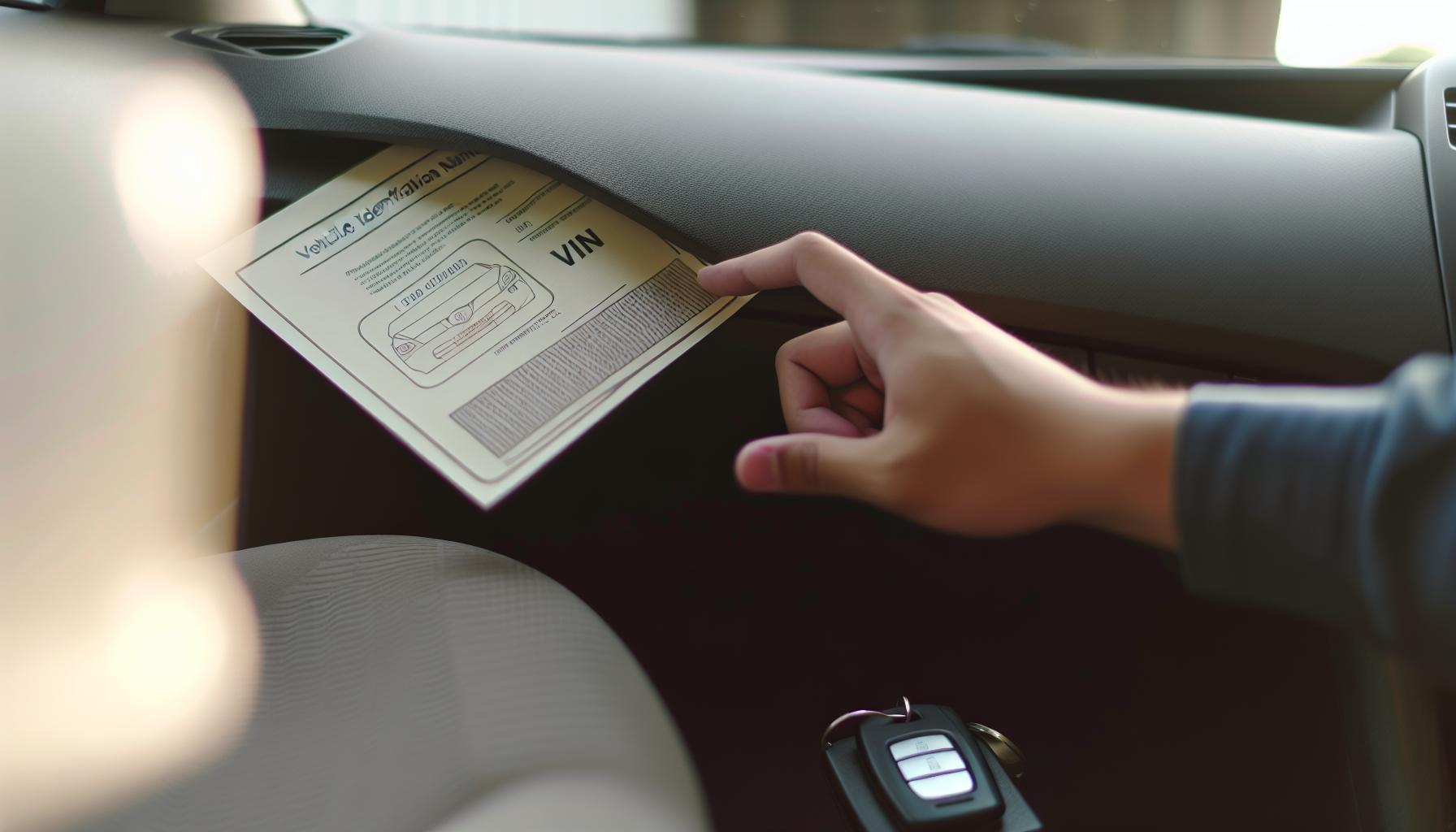
Understanding VIN: What It Reveals About Your Future Car
Understanding a Vehicle Identification Number (VIN) can be a game changer for anyone looking to purchase a car. This unique 17-character code serves as a fingerprint for your vehicle, harboring vital information about its history, specifications, and even recalls or safety issues. By decoding the VIN, prospective buyers can uncover significant details that may influence their purchasing decisions, from the manufacturer and model year to engine specifications and place of assembly.
The VIN is structured in a way that each segment conveys a specific set of information. For instance, the first three characters identify the World Manufacturer Identifier (WMI), which informs you of the car’s manufacturer. The next set of characters details the vehicle’s attributes, such as the body style, engine type, and model. The ninth character serves as a check digit, validating that the VIN is accurate. The last set includes information about the vehicle’s production year, assembly plant, and the production sequence number. With this multitiered system, a simple VIN lookup can reveal if the car has been recalled or involved in an accident, allowing buyers to make more informed decisions.
To perform a VIN check, you can use various online tools. Websites like CARFAX or VinPit provide comprehensive reports that go beyond mere specifications, helping to highlight previous ownership details, service history, and more. This information is essential as it can alert buyers to hidden issues such as odometer fraud or extensive damage history, which are not always evident during typical inspections. Familiarizing yourself with your potential vehicle’s VIN can indeed save you from making costly mistakes and ensure you choose a car that’s not just appealing but also reliable and safe.
How to Perform a VIN Check: Step-by-Step Guide
To uncover the hidden stories of a vehicle before making a purchase, you need to engage in a VIN check-a crucial step in the car-buying process that can save you from regretful decisions. The Vehicle Identification Number (VIN) is a 17-character code unique to each vehicle, encoding essential information about its history, specifications, and recall status. By performing a thorough VIN check, you can reveal important data about reported accidents, lien records, and any major repairs that may have been performed.
Begin your VIN check by locating the VIN on the vehicle. Common locations to find the VIN include the dashboard near the windshield, the driver’s side door frame, or inside the engine compartment. Once you have the VIN, it’s time to use online resources for a comprehensive check. Websites like Kelley Blue Book and iSeeCars offer free checks that connect you to databases tracking various vehicle histories. These platforms can provide insights into whether the car has been reported stolen, if it has any open recalls, or if it has a clean title.
Next, interpret the information that the VIN check yields. Pay close attention to discrepancies in ownership history, service records, and any indications of past accidents. Information from resources like EpicVIN can also uncover potential red flags, such as odometer rollbacks or flood damage. If you notice any warning signs, it may be prudent to reconsider the purchase or negotiate a lower price based on the vehicle’s verified history.
Taking the time to perform a thorough VIN check not only empowers you as a buyer but also enhances your chances of securing a reliable vehicle. Understanding the vehicle’s past can guide your purchasing decisions, ensuring that you choose a car that not only meets your needs but also safeguards your investment in the long run.
Uncovering Hidden Issues: Key Problems to Look For
Uncovering hidden issues in a potential car purchase can save you from significant financial and emotional distress. A VIN check is a powerful tool that can reveal a multitude of problems ranging from accidents to outstanding recalls before you finalize any transaction. When you conduct a VIN check, you gain insight into the vehicle’s past, enabling you to spot any red flags that could indicate deeper issues.
One of the primary concerns you should look for in a VIN check report is accident history. Cars involved in severe accidents may have structural damage repaired poorly, affecting safety and performance. The report may detail the extent of damage, if the car was deemed a total loss, and whether the vehicle has undergone any significant repairs. Pay close attention to whether the car has a clean title; salvaged or rebuilt titles can significantly decrease a vehicle’s value and reliability.
Another critical aspect to investigate is odometer discrepancies. This red flag could indicate fraud, where a previous owner has rolled back the mileage to inflate the vehicle’s value. VIN checks often include records of mileage readings obtained from various state inspection reports or service records. If the mileage appears unusually low for a vehicle of its age, it’s worth digging deeper or even questioning the seller about the history.
Flood damage is another hidden issue that could go unnoticed without a thorough VIN check. Cars that have been submerged in water can suffer long-term damage, especially to electrical systems and mechanical components. Many VIN checking services will highlight flood history, allowing you to make an informed decision. Also, be on the lookout for any recall information. Even minor recalls might require repairs, and vehicles that haven’t had recalls addressed could pose safety risks.
In summary, a detailed VIN check reveals essential historical data about a vehicle. While not all issues may disqualify a vehicle from being a good purchase, understanding these hidden problems equips you to negotiate better and ensures your investment is secure.
The Importance of Vehicle History Reports
A vehicle history report is a vital resource for anyone interested in purchasing a used car. It uncovers a wealth of information that can protect buyers from costly mistakes and give them the confidence to make informed decisions. By accessing data linked to a vehicle’s VIN (Vehicle Identification Number), prospective owners can reveal critical details about the car’s past, including any major accidents, title issues, previous ownership, and maintenance history.
When evaluating a potential car purchase, these reports often indicate whether the vehicle has been involved in significant incidents, such as collisions or floods, which can dramatically affect its value and safety. For example, a car that has been deemed a total loss due to severe accident damage might be repaired but could harbor unseen complications that may affect performance and safety in the long run. Furthermore, identifying any unrepaired recalls in a vehicle history report is crucial; these can pose significant safety risks if they remain unaddressed.
Additionally, the history report can illuminate instances of mileage tampering, where odometer readings have been altered to present a false picture of the vehicle’s wear and tear. This red flag is particularly important for buyers searching for vehicles that promise reliability, as a car with a questionable mileage history may not perform as expected. Ultimately, a thorough vehicle history report not only serves as a safeguard against hidden issues but also empowers buyers to negotiate effectively, ensuring they get a fair price for their future investment.
Top Tools and Resources for VIN Checking
When it comes to purchasing a used car, knowing where to look for reliable information can make all the difference. The Vehicle Identification Number (VIN) is your key to unlocking a treasure trove of insights about a vehicle’s history, and several excellent tools are available to help you decode and analyze this vital data. Each tool offers unique features, from basic decoding to comprehensive vehicle history reports, ensuring you can make an informed decision before your purchase.
One of the leading resources for VIN checks is CARFAX. Their VIN lookup and vehicle history report tools provide extensive details about a car’s past, including accident history, service records, and title information. With billions of records at their disposal, CARFAX helps potential buyers avoid risky purchases. For an in-depth overview, a CARFAX Vehicle History Report can uncover whether the vehicle has been involved in major incidents that could impact safety and value. Accessing this information is straightforward-simply enter the VIN on their website and wait for the report.
Another valuable resource is VinCheckUp, an excellent tool for free VIN checks. This service aggregates data from the National Vehicle Title Information System and other reputable sources to provide insights on critical issues such as odometer discrepancies, recalls, and previous ownership records. It’s especially vital for buyers to verify if the vehicle has any outstanding liens or title brands that could complicate ownership. Utilizing VinCheckUp is as easy as entering the VIN on their site, allowing you to receive a comprehensive report quickly.
Additionally, J.D. Power offers its own VIN Lookup & Decoder. This tool not only helps decode the VIN but also includes pricing information, allowing you to understand the fair market value of the vehicle you’re considering. The pricing details offered can be instrumental in negotiations, ensuring you’re paying a reasonable price based on the car’s history and specifications.
By leveraging these resources, you can uncover hidden problems and avoid costly mistakes that many car buyers face. Each tool is user-friendly and tailored to suit different needs, empowering you to make a more informed decision when purchasing your next vehicle. Always remember, a thorough VIN check is not just an option; it’s a necessity for any conscientious buyer.
How to Interpret VIN Information Like a Pro
Understanding the intricacies of a Vehicle Identification Number (VIN) can feel daunting, but once you grasp its structure, you’ll unlock valuable insights about any vehicle. The VIN is a 17-character alphanumeric code that encapsulates essential details, such as the manufacturer, year of production, place of manufacture, and even engine specifications. For example, the first three characters represent the World Manufacturer Identifier (WMI), which identifies the brand and country of origin, while the 4th to 9th characters provide information relating to the make and model. The final characters can include details about the model year, assembly plant, and a unique serial number.
To interpret your VIN like an expert, it helps to break it down systematically. Start by using an online VIN decoder, which simplifies this process significantly. Websites like Kelley Blue Book or EpicVIN allow you to input the VIN and automatically translate it into understandable terms, effectively turning a string of numbers and letters into plain English. These tools can reveal if the vehicle has a clean title or has been reported as salvaged, which is critical information for potential buyers. Pay special attention to the check digit (the 9th character), which is a form of security verification to help prevent fraud; if this digit doesn’t match the calculated value based on the rest of the VIN, it may indicate tampering.
Another key aspect is understanding the history tied to the VIN. Utilizing services like CARFAX or VinCheckUp can expose hidden problems-such as past accidents or odometer rollbacks-that aren’t immediately obvious. By examining this historical data, buyers can gauge the vehicle’s overall condition more accurately. Always cross-reference the findings from these reports with your observations during the inspection. For instance, if a vehicle report indicates no accidents, but you notice signs of repair or mismatched paint, it may be time to dig deeper or reconsider the purchase.
By mastering VIN interpretation, not only do you empower yourself as a savvy buyer, but you also reduce the likelihood of inheriting someone else’s headache. Understanding each section of the VIN helps you ask informed questions, negotiate better, and ultimately make a decision that protects your investment. Whether you’re a first-time buyer or an experienced owner, having this knowledge at your fingertips equips you to navigate the often murky waters of vehicle history with confidence.
Common Myths About VIN Checks Debunked
Many car buyers are misled by common misconceptions about VIN checks, which can lead to costly mistakes. Understanding what a VIN check actually entails and dispelling these myths is crucial for making informed purchasing decisions. One prevalent myth is that a VIN check is only necessary for used vehicles. In reality, obtaining a VIN check can benefit anyone looking at a vehicle-new or old. New cars can have hidden issues, such as previous accidents or manufacturer recalls, that a VIN check will uncover, helping buyers avoid surprises down the road.
Another misconception is that all VIN checks are created equal. While many tools offer VIN checks, they can vary significantly in the depth and accuracy of their reports. It’s critical to use reputable services that access comprehensive databases. Services like CARFAX and AutoCheck provide detailed vehicle histories, including accident reports and title statuses, distinguishing them from less reliable options that may only offer surface-level information. Understanding the difference between these services allows buyers to choose the right one for their needs.
Some buyers also believe that a clean VIN report guarantees that a vehicle is problem-free. This is a dangerous assumption. A clean report does not rule out the possibility of undisclosed problems such as undetected frame damage or previous water damage that may not have been reported. Cross-referencing VIN report findings with physical inspections is vital. If a report states that the vehicle is accident-free but you detect signs of repairs, it’s time for a deeper investigation.
Lastly, many think they have to pay a significant fee for a thorough VIN check. While some services charge for detailed reports, there are also free tools available that provide basic information. Nevertheless, investing in a reliable, comprehensive report is often worth the expense, as it can save buyers from making a poor investment. Understanding these myths helps buyers approach VIN checks with a clearer perspective, empowering them to make choices that protect their investment and ensure peace of mind when purchasing a vehicle.
What to Do If You Find Red Flags
If a VIN check uncovers red flags, your next steps can significantly affect your buying decision. It’s crucial to approach these issues with a discerning eye and a well-laid plan. For starters, a red flag might indicate previous accidents, flood damage, or discrepancies in the title, all of which can affect the vehicle’s performance and value. One of the first actions to take is to verify the findings. Contact the previous owner or dealer for clarification on any reported incidents. Often, narratives can explain the seemingly negative aspects in a way that alleviates your concerns.
Next, consider a thorough mechanical inspection by a trusted mechanic. This inspection is vital if the VIN check raises issues like structural damage or extensive previous repairs. A professional can offer insights on whether repairs were satisfactory or if lingering issues may still present problems down the road. Documenting this inspection can be beneficial during negotiation or if you decide to walk away from a purchase.
While some issues might be manageable, others can be deal-breakers. If the vehicle has a salvage title or a history of odometer tampering, these are significant concerns. Buyers should be prepared to walk away from a deal if the red flags signal serious underlying issues that could lead to costly repairs in the future. Remember to take emotionally charged decisions out of the equation-trust the data provided by your VIN check and the mechanic’s assessment.
It can also be worthwhile to explore other vehicles in the market. There are plenty of similar options available; discovering a car without a history of issues can save you future headaches. Use the insights gained from your VIN check and discussion with professionals to make informed comparisons, helping you find not just a car, but the rightreliable vehicle for your needs.
State-by-State Regulations on VIN Checks
Understanding the regulations surrounding VIN checks can empower car buyers to make informed decisions and uncover potential issues before purchasing a vehicle. Each state has its own rules regarding VIN requirements and checks, which can influence everything from registration to vehicle history reporting. For instance, some states mandate that VINs must be displayed in specific locations on the vehicle to ensure visibility and compliance.
Types of Regulations
State regulations generally fall into several categories regarding VIN checks:
- Registration Requirements: Most states require that a vehicle’s VIN be included in registration paperwork. Failure to do so may result in delays or the inability to register the vehicle.
- VIN Verification: Some states mandate that a VIN verification process must be performed, especially for out-of-state vehicles or those with unusual circumstances (like kit cars or homemade vehicles).
- Title Transfers: When transferring ownership, states have specific requirements for checking the VIN against existing title records to prevent fraud.
- Insurance Compliance: Insurance companies often require a valid VIN to process claims or policy information, reflecting the importance of accurate VIN reporting.
State-Specific Examples
Understanding regional differences can impact your buying process. For example:
- California has strict VIN enforcement that checks for any discrepancies between the vehicle and state records. If a vehicle fails this check, registration will be denied until issues are resolved, such as addressing discrepancies in reported damage or previous salvage titles [3].
- Florida requires a VIN check for all vehicles being registered for the first time in the state. This includes a verification by law enforcement or certified personnel to ensure title accuracy and detect any potential issues like theft [1].
- In New York, the DMV provides an online tool for VIN checks that allows buyers to assess vehicles before buying, ensuring they are aware of any reported problems from the past [2].
Arming yourself with knowledge about these regulations will help you navigate the purchasing process more effectively. Each state’s requirements underscore the importance of performing a VIN check not just as a matter of routine, but as a critical step in the journey to purchasing a reliable vehicle.
VIN Check Costs: Are They Worth It?
Performing a VIN check may seem like an added cost to a car-buying budget, but the potential savings and peace of mind it offers make it a worthy investment. For instance, paid VIN check services, which typically range from $24.99 to $44.99, provide comprehensive data regarding a vehicle’s history, including information on previous accidents, title issues, and odometer rollbacks. This knowledge can be invaluable when negotiating prices or deciding whether to proceed with a purchase, ultimately safeguarding you from costly mistakes in the long run.
The differences in cost among various VIN check services reflect the depth of information provided. Free checks can often offer basic vehicle details, but you might miss critical warnings hidden in the car’s history. For example, services like CARFAX are known for their thorough reports, but they come at a premium price. Meanwhile, options like EpicVIN provide a budget-friendly alternative with a basic report and additional features like a trial membership for those who might need multiple checks in a short period. Understanding these pricing structures can help you choose a service that fits your needs without overspending.
Investing in a VIN check not only supports informed decision-making but it also can lead to better negotiation leverage. For example, if a VIN check reveals a car was previously salvaged, you can negotiate a substantially lower price based on its lower market value and potential repair costs. Additionally, identifying red flags early in the process can prevent emotional temptations that might arise during the car-shopping experience, allowing you to focus on vehicles with clean histories instead. Ultimately, considering the potential risks of buying a vehicle without a thorough background check, the cost of a VIN check is minimal compared to the financial and emotional toll of dealing with unexpected vehicle issues after a purchase.
Real-Life Success Stories: Buyers Who Dodged a Bullet
Many car buyers have stories that underscore the importance of performing a VIN check before making a purchase. Take the case of Jessica, who set out to buy a used Honda Accord. Enthusiastic about what looked like an incredible deal from a private seller, Jessica decided to run a quick VIN check. To her surprise, the report revealed that the car had been in a serious accident that had resulted in a total loss claim. This information was crucial; had she proceeded without checking, she could have ended up with a vehicle that might have hidden structural issues and a significantly lower resale value.
Another poignant example comes from Michael, who was considering a Ford Mustang. The sleek design and the low price were tempting. However, he took the extra step to check the VIN, only to discover it had a history of odometer rollback. The initial excitement quickly turned to relief, as he realized how much money he’d potentially thrown away on a car that was not only misrepresented but had also been accumulating hidden problems that he would have to deal with down the line. Armed with this knowledge, he swiftly walked away and found a different vehicle, one with a clean history and a fair price.
These real-life success stories illustrate that performing a VIN check is not just a step; it’s an essential safeguard against deceit and misrepresentation in the used car market. With a VIN check, buyers can uncover hidden problems that could lead to serious financial loss. Whether it’s accidents, theft history, or title discrepancies, understanding a vehicle’s past can empower buyers to make informed decisions-ultimately saving them from the financial pitfalls associated with buying a problematic vehicle. By prioritizing a thorough VIN check, you can join the ranks of savvy car buyers who have dodged costly mistakes and secured their dream cars instead.
Tips for Using VIN to Negotiate Car Prices
When it comes to negotiating the price of a used car, knowledge is power. Armed with a Vehicle Identification Number (VIN) and the results of a thorough VIN check, you can leverage crucial insights about a vehicle’s history to negotiate a better deal. For example, if your VIN check reveals that the car has had multiple owners or a history of accidents, you can use this information to justify a lower offer. Buyers who are well-informed are less likely to fall for high prices that don’t reflect a vehicle’s actual condition.
Key Insights to Use in Negotiation
Start with what the VIN can tell you about the car’s past. A vehicle history report can uncover red flags such as accident history, claims of theft, or major repairs. If your research points to any significant issues, make these your negotiating points. Inform the seller about the potential costs or safety concerns associated with previous incidents, which can make your case for a reduced price stronger. For instance, if a vehicle was reported to have structural damage from a collision, highlight the potential need for costly repairs down the line.
Additionally, consider using market comparisons to strengthen your leverage. Websites that provide vehicle sales data often reveal similar models in the area and their selling prices. If comparable vehicles are priced lower than the one you’re considering, bring this information to the negotiation process to support your offer. Showing that you have done your homework indicates seriousness and strategy on your part, and most sellers will appreciate a rational discussion over a purely emotional plea.
Effective Communication Tactics
When addressing the seller, be direct yet polite about your findings. You might say something like, “I noticed that the report indicates several repairs were made, which could impact the long-term reliability of this car. Given this, I’d like to offer $X instead of the asking price.” This approach allows you to express your concerns while framing your offer as a reasonable alternative rather than an arbitrary lowball. It’s crucial to remain calm and composed, as a confrontational tone can shut down negotiation opportunities.
In summary, a vinyl check serves more than just a window into a car’s past; it equips you with the knowledge needed to negotiate from a place of strength. By understanding the vehicle’s background, leveraging market data, and communicating effectively, you enhance your chances of driving away with an excellent deal tailored to the real value of the car in question. Remember, a well-informed buyer is often the one who leaves feeling satisfied, having made a wise investment rather than a hasty decision.
Frequently asked questions
Q: What does a VIN check reveal about a car’s history?
A: A VIN check provides crucial information about a car’s history, including accident reports, service records, title status, and recall information. This helps potential buyers make informed decisions by revealing hidden issues that might affect the vehicle’s safety and value.
Q: How can I check if a car has been reported stolen using its VIN?
A: To check if a car has been reported stolen, use a VIN check service that includes theft records in its reports. Legitimate services will provide detailed history, indicating if the vehicle’s VIN matches any stolen vehicle databases.
Q: What is the best way to interpret a vehicle’s VIN?
A: To interpret a vehicle’s VIN, refer to an online VIN decoder. This tool breaks down the 17-character code, giving insights into the car’s manufacturer, model year, and production location, helping you understand important specifications quickly.
Q: Are free VIN checks reliable?
A: Free VIN checks can offer basic information, but they may lack comprehensive details like accident history or title issues. For thorough insights, consider using reputable paid services that provide detailed vehicle history reports.
Q: How does a VIN check help in negotiating car prices?
A: A VIN check can reveal hidden problems that justify lower offers during negotiations. If a report shows prior accidents or mechanical issues, use this information to negotiate a better price based on the vehicle’s actual condition and history.
Q: Can I perform a VIN check for any vehicle?
A: Yes, you can perform a VIN check for most vehicles manufactured after 1981, as they all have unique VINs. Ensure you have the correct VIN, usually located on the dashboard or driver’s side door jamb, for accurate results.
Q: Why is it important to check the VIN before buying a used car?
A: Checking the VIN is essential to ensure you’re aware of any hidden issues such as past accidents, ownership changes, or outstanding recalls. This knowledge can prevent costly mistakes and enhance your buying confidence.
Q: How often should I perform a VIN check?
A: You should perform a VIN check whenever considering the purchase of a used vehicle. Additionally, conducting regular checks on your own vehicles can help you stay informed about any issues that arise post-purchase.
Final Thoughts
Before you make one of the biggest purchasing decisions, remember that knowledge is power. A comprehensive VIN check can unveil hidden issues and provide valuable history about any car, empowering you to make an informed choice. Don’t leave your investment to chance-take action now and conduct your VIN check today!
For more insights, check out our guide on understanding what each part of a VIN means, or explore our top tips for negotiating car prices with confidence. And if you want to stay updated on the latest automotive advice and tools, sign up for our newsletter!
Your journey towards a smart car purchase shouldn’t end here. Explore related topics like vehicle financing and maintenance tips to ensure you’re fully prepared. Dive deeper, share your experiences in the comments, and join a community committed to making informed car decisions. Remember, your dream car is just a check away!
Erhalten Sie unsere neuesten Ratgeber, News und Analysen hervorgehoben in der Google-Suche und in AI Overviews.