
Did you know that a vehicle’s history can reveal hidden problems that might cost you thousands in repairs? A comprehensive vehicle history report uses the Vehicle Identification Number (VIN) to uncover crucial information about any car you’re considering buying or already own. From past accidents and service records to open recalls, these reports help potential buyers make informed decisions and protect their investments. Understanding a vehicle’s background is more important than ever in today’s market, where transparency is key to avoiding costly surprises. As you delve deeper into the world of vehicle history, you’ll discover how to effectively access these reports and interpret their findings, ensuring you drive away with confidence. Your next step towards smart car ownership starts here, and you won’t want to miss what’s ahead.
Understanding Vehicle History Reports and Their Importance

Understanding vehicle history reports can be a game-changer for potential car buyers and current owners alike. When you’re contemplating a used vehicle purchase, knowing the car’s complete history is essential. A vehicle history report provides insight into the car’s past, including previous accidents, service records, and any title issues that could affect ownership. This information not only helps determine the car’s current value but also informs future maintenance decisions, making the report a vital tool in making an educated purchase.
In essence, these reports are created using the Vehicle Identification Number (VIN), which acts as a unique fingerprint for each vehicle. By entering a VIN into a vehicle history service, buyers can uncover critical details such as whether the car has been involved in any significant accidents, had its odometer rolled back, or suffered flood damage. This transparency enables buyers to avoid costly surprises and ensures that they invest in a vehicle that meets their expectations both in performance and reliability.
Moreover, understanding the nuances of a vehicle history report allows buyers to negotiate better deals. If the report indicates prior damage or extensive repairs, it empowers the buyer to request a lower price or additional assurances from the seller. Knowing about service records can also indicate how well the vehicle has been maintained, allowing buyers to feel more confident about their investment. In short, a thorough understanding of vehicle history reports can protect buyers’ interests, ultimately leading to more informed and satisfactory automotive decisions.
What Information Does a VIN Reveal?
Every vehicle comes with a unique identifier known as the Vehicle Identification Number (VIN). This 17-character code does more than just label your car; it holds a treasure trove of information that can be pivotal when considering a vehicle’s history. Understanding what a VIN reveals can empower buyers, from first-timers to seasoned car enthusiasts, making the car purchasing process more transparent and secure.
Each VIN provides distinct details about the vehicle, including its make, model, year of manufacture, and place of assembly. When you decipher a VIN, you can uncover the following essential information:
- Manufacturer Information: The first three characters denote the World Manufacturer Identifier (WMI), indicating the vehicle’s manufacturer and country of origin.
- Vehicle Attributes: Characters four through eight convey key attributes like body style, engine type, and model.
- Check Digit: The ninth character is a security measure that verifies the authenticity of the VIN.
- Model Year: The tenth character reveals the vehicle’s model year, which can affect its value and insurance rates.
- Assembly Plant: The eleventh character indicates where the vehicle was assembled.
- Unique Serial Number: The last six characters represent the vehicle’s unique serial number, distinguishing it from others.
To obtain this information, buyers can enter the VIN into various online vehicle history report services. These reports often compile data from multiple sources, including insurance companies, repair shops, and government agencies, providing insights into previous accidents, service history, and more. This powerful tool not only reveals critical past events but also equips buyers with knowledge about their potential investment, helping them make informed decisions.
Understanding the specifics of your vehicle’s VIN is crucial. For instance, if you’re considering purchasing a used car, a quick VIN check can alert you to any hidden issues such as a history of severe accidents or title problems. Taking the time to decode a VIN and consider its implications can save you from costly surprises down the road and ensure you’re getting a vehicle that meets your needs and expectations.
Key Hidden Problems to Look for in Vehicle History

Navigating the landscape of used vehicles can be daunting, especially for those unfamiliar with the potential hidden problems that lurk beneath a car’s shiny exterior. With over 40% of used cars having some sort of issue that may not be immediately visible, understanding the key hidden problems in a vehicle’s history is crucial for making an informed purchase. A comprehensive vehicle history report can be your first line of defense against unexpected surprises after the sale.
One critical aspect to watch for is the vehicle’s accident history. This detail can reveal whether the car has been involved in significant collisions, which may lead to structural damage, even if repairs were made. Reports often note the severity of the accidents, allowing buyers to assess how such incidents might affect the car’s longevity and safety. Further complicating things, many states have varying definitions of what constitutes an accident, and not all incidents are reported. So, relying on a vehicle history report, complemented by a thorough inspection, is essential.
Another red flag often hidden from plain sight includes title issues, which can range from salvage title designations to liens. A salvage title means the car was deemed a total loss by an insurance company, indicating it may have been severely damaged at some point. Buying such a vehicle requires careful consideration, as repairs may not always restore it to a safe condition. Furthermore, outstanding liens on a title could lead to financial repercussions for the buyer, as the previous owner may still owe money on the vehicle.
Issues related to water damage and frame integrity are also critical indicators. A vehicle that has been through a flood may suffer from hidden corrosion, impacting electronic components and the structural integrity of the vehicle. Reports can often indicate past incidents of flooding but should be verified with an inspection. Similarly, structural damage from collisions can lead to alignment problems and increased wear on other components, making it imperative to fully understand any highlighted issues in the vehicle history report.
In summary, a vehicle history report acts as a vital tool in revealing potential hidden problems. While issues such as accidents, title discrepancies, and damage assessments can significantly affect your decision, it’s essential to couple the report with a physical vehicle inspection and professional advice when needed. This approach empowers you to make informed decisions that align with your expectations and budget, ensuring your investment is both sound and rewarding.
How to Access Complete Vehicle History Reports

Accessing complete vehicle history reports is vital for anyone considering the purchase of a used car. These reports can unearth crucial information that may not be visible at first glance, such as past accidents, title issues, and even odometer discrepancies. To get started, you’ll need the vehicle’s unique identifier, known as the VIN (Vehicle Identification Number), which is typically displayed on the driver’s side dashboard, vehicle registration documents, or the title. This alphanumeric code is key to unlocking a comprehensive history of the vehicle.
Once you have the VIN, various platforms offer vehicle history reports. Some are paid services that provide in-depth details, while others offer free previews with essential information. For instance, sites like Carfax and AutoCheck are popular for their extensive databases but often come with a cost. Alternatively, you can access free services that provide limited reports; for example, VehicleHistory.com allows you to submit a VIN for free previews and essential details about the vehicle’s past [1].
To navigate the process effectively, follow these steps:
- Locate the VIN: Ensure the VIN is accurate and properly reflects the vehicle in question.
- Choose a Service: Decide between free and paid options based on how detailed you want the information to be.
- Submit the VIN: Enter the VIN into the designated search field on your chosen platform.
- Review the Report: Once you obtain the report, examine the summary for critical alerts concerning accidents, title issues, and service history.
Key Considerations While Accessing Reports
When accessing vehicle history reports, consider these factors:
- Free vs. Paid: Assess whether the basic information suffices or if a detailed report is necessary.
- Report Updates: Check how current the information is, as older reports may not capture recent incidents.
- Service Comparison: When considering multiple services, look for reviews or comparisons that highlight strengths and weaknesses.
By following this process, you can gain valuable insights into a used vehicle’s condition. Understanding what’s behind the shiny exterior empowers you to make informed decisions that protect your investment and ensure safety on the road.
Decoding the Importance of Accident History
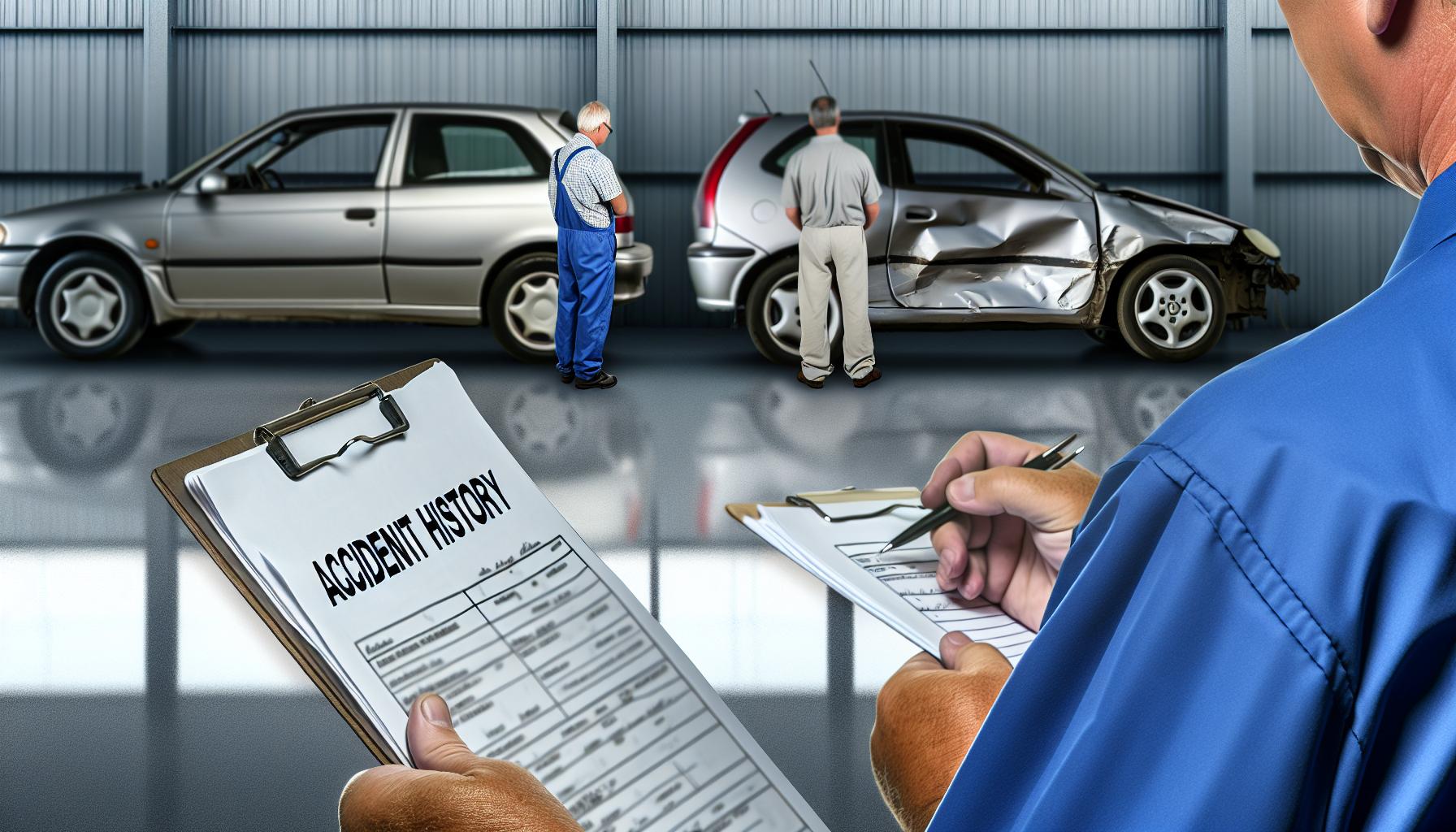
Understanding a vehicle’s accident history is essential for anyone considering a used car purchase. Even minor accidents can lead to significant issues if not repaired properly, affecting not only the vehicle’s safety but also its resale value. For example, a car that has been involved in a serious collision may have frame damage that compromises structural integrity, which could pose risks in future accidents. That’s why obtaining a detailed vehicle history report-particularly one that highlights past accidents-is a crucial step in the buying process.
Accident history reports typically detail the sophistication of the impact, when and where the accident occurred, and how the vehicle was repaired afterward. A vehicle that has been repeatedly in accidents may have underlying problems that aren’t immediately visible upon inspection. For potential buyers, this information is vital as it informs the decision-making process. Knowing about previous damage can help you negotiate a better price or steer clear of a problematic vehicle altogether. Additionally, reputable vehicle history report services like Carfax or AutoCheck provide insight into whether repairs were made with quality and care, which is crucial for long-term durability.
When assessing accident history, be sure to look for details such as the severity of the accidents reported and the types of repairs documented. Check specifically for signs of frame or structural damage, which can suggest a more complicated history than what is visible on the surface. Prioritize vehicles that have clear repair records and a clean title. This knowledge not only protects your investment but also safeguards your driving experience, ensuring you choose a vehicle that is reliable and safe.
Exploring Title Issues and Previous Ownership
When considering a used vehicle, understanding title issues and the history of previous ownership is paramount. A vehicle’s title acts as its legal identity, signaling whether it has been salvaged, rebuilt, or has a clear background. For example, a “salvage title” indicates that the car was deemed a total loss by an insurance company, which can significantly impact its resale value and insurability. Issues like these, which may not be immediately visible during an inspection, can become costly setbacks later for unwary buyers.
To dissect this, start by examining the title itself. Look for red flags such as:
- Salvage history: If the title indicates salvage or rebuilt status, consider whether the repair was properly documented and if the vehicle meets safety standards.
- Multiple titles: A vehicle that has changed ownership too many times in a short period might indicate deeper, underlying problems that previous owners faced.
- Liens: Ensure there are no outstanding liens against the vehicle, as this can complicate or prevent a lawful transfer of ownership.
Having a clear title history is essential, as it offers peace of mind about the vehicle’s legal standing. Tools like the VIN (Vehicle Identification Number) can be utilized to access a comprehensive vehicle history report through services such as Carfax or AutoCheck. These reports will include valuable information about past ownership, revealing whether the car has changed hands frequently. Frequent ownership transfers can hint at a vehicle’s reliability issues, so knowing this history allows buyers to make informed decisions.
A deeper dive into previous ownership can also expose whether the vehicle was owned by a rental company or used in ridesharing. Vehicles with such a history often accumulate higher mileage and may have undergone more wear and tear. In contrast, single-owner vehicles, especially those with documented service maintenance records, often signal greater care and responsibility. Understanding these facets helps in assessing the true value and reliability of the vehicle, ensuring that buyers are well-informed before making a commitment.
Uncovering Potential Flood and Frame Damage
It’s essential to be vigilant when purchasing a used vehicle, as hidden issues like flood damage and frame integrity can have serious long-term implications. Flood-damaged cars may seem fine on the surface, but the effects of water exposure can lead to extensive corrosion, electrical malfunctions, and even mold growth. Recognizing signs of water damage can save you significant headaches down the road. For example, check for unusual odors inside the vehicle, signs of rust on metal components, or water stains on upholstery. Be aware that these indicators can often be masked with cleaning and repair work, making it essential to dig deeper.
To uncover whether a vehicle has a history of flood damage, utilize the Vehicle Identification Number (VIN). A comprehensive vehicle history report will reveal important details, including any insurance claims related to flooding. Look for terms like “flood damaged” or “water damage” in the report. Furthermore, it’s wise to consider the geographical history of the vehicle; if it has spent time in flood-prone areas, there’s an increased risk, regardless of any signs of damage.
Frame damage is another red flag that can indicate a vehicle’s structural integrity is compromised. Damaged frames can affect alignment and safety, leading to handling issues and increased wear on tires. Be cautious of vehicles that have been involved in accidents without proper documentation of repairs. During your inspection, check for misaligned panels, uneven gaps, or signs of welding, which can suggest that the frame has been altered or repaired in a way that may not meet safety standards. Again, a thorough vehicle history report can help reveal past accidents or frame replacements, which are crucial in making an informed decision.
In summary, a little diligence can go a long way when it comes to used vehicles. By understanding how to uncover flood and frame damage through VINs and vehicle history reports, you empower yourself to make wiser purchases. Protecting yourself from these hidden issues not only ensures a safer ride but also safeguards the value of your investment.
Understanding the Impact of Service Records
Maintaining a vehicle is much like nurturing a relationship; regular check-ins and care can prevent serious issues down the road. Service records serve as the health history for a vehicle, showcasing its past maintenance and repairs. A complete vehicle history report typically includes these records, acting as crucial evidence that can validate the vehicle’s reliability and condition. By examining service records, potential buyers can gain insight into how well a vehicle has been cared for, which can directly influence its longevity and performance.
A thorough review of service records reveals patterns in maintenance, such as how frequently the oil was changed or if major components like the transmission and brakes received timely attention. It’s particularly important to pay attention to:
- Routine Maintenance: Regular oil changes, tire rotations, and fluid checks indicate responsible ownership and can prevent larger issues.
- Major Repairs: Documents of significant repairs, such as engine or transmission work, can reveal potential red flags. If a vehicle frequently undergoes repairs in the same area, it may suggest underlying problems.
- Recalls and Updates: Records showing that recalls have been addressed ensure that safety and performance updates have been made, reducing the likelihood of issues related to faulty parts.
For those unfamiliar with the intricacies of automotive maintenance, it can be beneficial to enlist the help of a trusted mechanic to interpret the service records. They can highlight any irregularities or potential concerns that may not be immediately evident. Additionally, consider that well-documented service history can enhance a vehicle’s resale value. Buyers often feel more confident purchasing a vehicle that has a transparent maintenance record, knowing the car was well cared for.
In today’s digital age, accessing service records is often easier than ever. Many manufacturers and dealerships offer online databases where you can check the service history using the VIN. This access not only simplifies the process but also empowers buyers by providing them with precise information. When armed with this knowledge, you are better equipped to make informed decisions that ultimately lead to safer, more reliable driving experiences.
How to Spot Odometer Fraud in Reports
Spotting odometer fraud can be a critical step in ensuring you’re making a sound vehicle purchase. Odometer tampering not only misrepresents a car’s actual mileage but can also hide the real condition of the vehicle, leading to potentially costly repairs down the road. According to the National Highway Traffic Safety Administration (NHTSA), approximately 1 in 10 cars has altered mileage. Fortunately, there are concrete steps you can take to protect yourself against this issue.
To start, examine the vehicle’s history report. Look for consistency in reported mileage readings over the years. If the documented mileage seems to decrease at any point or appears unusually low for the vehicle’s age, it could be a sign of odometer fraud. Additionally, scrutinize any inspection reports or service records. Often, these documents include mileage recorded during servicing, which can help confirm whether the current reading aligns with the vehicle’s history.
Another effective method is to look for signs of wear and tear that don’t match the odometer reading. A low-mileage car should not show excessive wear on items like the steering wheel, brake pedal, or interior fabric. If these components appear excessively worn but the vehicle shows low mileage, take this discrepancy seriously. Consider reaching out to the seller for clarification, or even better, consult with a trusted mechanic for a more thorough assessment.
Finally, using a vehicle’s VIN (Vehicle Identification Number) can provide additional insights. By checking the VIN against various databases (available through sites like the DMV or private reporting services), you can uncover any discrepancies related to reported mileage, including previous titles and odometer readings. This due diligence can arm you with the information needed to make a more informed buying decision and avoid falls into the trap of purchasing a vehicle with a tampered odometer. Remember, knowledge is your best asset when navigating the complexities of vehicle purchasing.
Importance of Manufacturer Recalls and Repairs
Understanding whether a vehicle has been affected by a manufacturer recall is essential for any buyer. Recalls are often issued to address safety defects or non-compliance with federal safety standards, and being informed can help you avoid potentially dangerous situations. For instance, vehicles that have a recalled part and have not been repaired may pose serious safety risks, leading not only to potential accidents but also to costly repairs down the line.
When reviewing a vehicle history report, checking for any outstanding recalls linked to the VIN can provide valuable insights into the vehicle’s history. Many recalls are addressed quickly, but some vehicles may slip through the cracks, remaining uncorrected. To determine if a vehicle has any recalls, you can visit the National Highway Traffic Safety Administration (NHTSA) website and enter the VIN. This search will reveal detailed information about recalls and whether the required repairs were completed.
It’s also wise to ask sellers about any recall history. If a vehicle shows a recall that has not been addressed, consider negotiating the repair as part of the sale or having the repairs completed before making a decision. For example, a recent recall on specific model brake systems might require urgent attention; driving a vehicle with compromised brakes could be hazardous.
In addition, recalls often affect future resale value. A well-documented completion of recalls can enhance a vehicle’s desirability, while a history of unaddressed recalls can deter potential buyers. By prioritizing a vehicle’s recall status during your purchasing process, you ensure not only your safety but also the long-term financial value of your investment. After all, being proactive can save you from future headaches and expenses.
Comparing Vehicle History Report Services: A Breakdown
When it comes to buying a used vehicle, not all vehicle history report services are created equal. Understanding the differences between these services can empower you to make informed decisions and avoid potential pitfalls. Some of the most well-known providers include Carfax, AutoCheck, and the National Motor Vehicle Title Information System (NMVTIS). Each offers unique features and benefits, so it’s essential to compare what they provide.
Key Features to Consider
When evaluating vehicle history report services, consider these essential features:
- Accident History: Most services provide detailed reports on whether a vehicle has been in any accidents, which can be crucial for assessing both safety and value.
- Title Information: Check for title issues, such as salvage titles or liens, which can impact your ability to register the car.
- Service Records: A comprehensive report may include maintenance records, indicating how well the vehicle has been cared for.
- Odometer Readings: Several services monitor odometer discrepancies to help you detect potential fraud.
- Recall Alerts: Monitoring for any outstanding recalls ensures you know about necessary safety repairs.
Cost Considerations
The cost of vehicle history reports varies significantly. While some sources like NMVTIS offer reports at a lower cost (around $3-$4), others may charge $30 or more, depending on the depth of the report. Carfax and AutoCheck typically offer subscription models, which can be beneficial if you’re researching multiple vehicles. However, for a one-time purchase, it’s often more economical to select a pay-per-report option.
It’s wise to consider the potential savings from these reports. By investing a small amount in a thorough report, you may uncover hidden problems that could save you from costly repairs or even a dangerous vehicle.
Ultimately, choose a service that aligns with your needs and offers the transparency you require to make a sound purchase decision. Always remember to cross-reference reports, as each service may have different sources of information and coverage area. By taking the time to compare these services, you not only enhance your purchasing confidence but also protect your investment.
Tips for Interpreting Vehicle History Reports Effectively
Understanding how to read and interpret vehicle history reports can be a game-changer when you’re navigating the used car market. These reports hold valuable information that can help you make informed decisions, but deciphering them can sometimes feel overwhelming. To make the most of your vehicle history report, follow these practical tips.
First, focus on the key sections of the report. Start by checking the accident history; if the vehicle has had multiple incidents, it might be wise to reconsider your purchase. Look for any salvage or rebuilt titles, which suggest the car has been significantly damaged and repaired. This information is crucial because it can affect the vehicle’s overall value and safety. Knowing the vehicle’s accident history can save you from potential headaches down the road.
Next, pay close attention to the service records. These records often detail regular maintenance and repairs, giving you insight into how well the vehicle was cared for. A well-documented service history can be a sign of a reliable vehicle. Similarly, you should scrutinize odometer readings for inconsistencies, which could indicate potential fraud or that the car was not well-maintained. This is where services that track historical data are beneficial, as they can highlight any discrepancies over time.
When evaluating recall information, ensure that all manufacturer recalls have been addressed. An unrepaired recall can pose serious safety risks and could lead to additional costs if repairs are required after your purchase. To wrap things up, remember that while reading a vehicle history report, comparison is key. Don’t hesitate to cross-reference reports from different providers to ensure you are getting a complete picture of the vehicle’s history.
Taking the time to thoroughly interpret vehicle history reports allows you to uncover any hidden problems, making your purchasing decision more secure. With these tips, you’re better equipped to understand the story behind the numbers and ensure you’re investing in a vehicle that meets your needs and expectations.
Faq
Q: What are the common hidden problems identified in vehicle history reports?
A: Hidden problems in vehicle history reports often include accident history, flood damage, and title discrepancies. Additionally, issues like odometer rollback and unresolved recalls can affect the car’s reliability. Always check these aspects for a more informed purchase decision.
Q: How can vehicle history reports prevent financial loss?
A: Vehicle history reports help prevent financial loss by revealing hidden issues that could lead to expensive repairs after purchase. Knowing about prior accidents or engine problems enables buyers to negotiate better prices or avoid problematic vehicles altogether.
Q: Why is it important to check for recalls in vehicle history?
A: Checking for recalls in vehicle history is crucial because it ensures that safety-related fixes have been addressed. Ignoring recalls can lead to dangerous driving conditions or costly repairs, impacting overall vehicle reliability.
Q: How can previous ownership affect a vehicle’s reliability?
A: Previous ownership can impact reliability based on maintenance habits and driving conditions. Multiple owners might indicate problems, while a single owner with comprehensive service records suggests better care. Always investigate ownership history for peace of mind.
Q: What steps can I take after receiving a vehicle history report?
A: After receiving a vehicle history report, review the findings carefully. Prioritize researching any discrepancies found, especially accident reports and title status. Consider having the vehicle inspected by a mechanic before purchasing to confirm report details.
Q: How does flood damage appear in a vehicle history report?
A: Flood damage may appear in a vehicle history report through specific terms like “flood,” “water damage,” or “salvage” titles. This information is essential, as flood-damaged vehicles often have hidden problems that compromise safety and performance.
Q: What should I do if I find discrepancies in a vehicle history report?
A: If you find discrepancies in a vehicle history report, contact the seller immediately for clarification. Document your findings and consider negotiating the price or walking away from the deal if the issues are significant or unresolved.
Q: Can I trust all vehicle history report services?
A: While many vehicle history report services are reliable, their accuracy can vary. Look for services that provide comprehensive data from trusted sources. Consult reviews and possibly compare reports from multiple providers for the best insights.
In Conclusion
Understanding the full picture of a vehicle’s history is crucial for making informed purchasing decisions. With a comprehensive vehicle history report, you can uncover hidden problems that might not be visible at first glance. Don’t leave your investment to chance-checking the VIN and obtaining a detailed history report can reveal important insights about past accidents, title issues, and more.
Ready to dive deeper? Explore our related resources on decoding VINs and understanding the specifics of vehicle inspections. Additionally, consider signing up for our newsletter for ongoing tips and updates to empower your vehicle ownership journey. Remember, the more you know, the better choices you can make. Join our community of informed car buyers and share your experiences or questions in the comments below! Your next steps are just a click away-let’s drive forward together.
Erhalten Sie unsere neuesten Ratgeber, News und Analysen hervorgehoben in der Google-Suche und in AI Overviews.