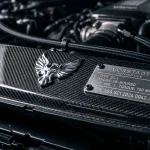
Did you know that your Harley’s Vehicle Identification Number (VIN) holds the key to uncovering its true value? This unique code provides a wealth of information about your motorcycle’s history, specifications, and authenticity. For both potential buyers and current owners, decoding the VIN can help verify the bike’s identity, reveal any hidden issues, and ultimately ensure you make informed decisions. Whether you’re looking to buy a used Harley or want to assess your own bike’s worth, understanding how to decode your VIN is crucial. Join us as we demystify this often-overlooked aspect of motorcycle ownership and empower you to navigate the details that truly matter. From identifying its production year to confirming its origin, unlocking the secrets behind your Harley’s VIN is more than just a technical task-it’s an essential step in protecting your investment and enhancing your riding experience.
Understanding the Importance of Your Harley VIN
The Vehicle Identification Number (VIN) is much more than a random series of letters and numbers; it is a unique fingerprint for your Harley-Davidson motorcycle. Understanding its significance can empower you as a motorcycle owner, offering insights that go beyond mere identification. The VIN provides critical data about your bike’s origins, including the manufacturer, model year, engine type, and where it was assembled. This information is essential not only for verifying authenticity but also for ensuring you have the correct details when purchasing parts or planning maintenance.
Navigating the world of motorcycles often involves more than just riding; it includes understanding the history and specifications of your machine. By knowing your Harley VIN, you gain access to a wealth of information, such as past recalls, theft history, and resale value. This is particularly crucial in the used motorcycle market, where a VIN can signal potential issues. A well-documented VIN can validate the bike’s condition and authenticity, giving you peace of mind that you are making a sound investment.
Moreover, a properly understood VIN facilitates easier communication with insurance companies and repair shops. It ensures that you receive accurate quotes, specialized service, and proper compensation in the event of loss or theft. VINs also play a pivotal role in protecting your investment; robust tracking systems tied to VINs can alert owners to safety recalls or necessary repairs, potentially preventing future headaches. Therefore, recognizing and utilizing the information contained within your Harley VIN is a smart move that pays dividends in maintenance, insurance, and value retention.
How to Locate Your Harley VIN Easily
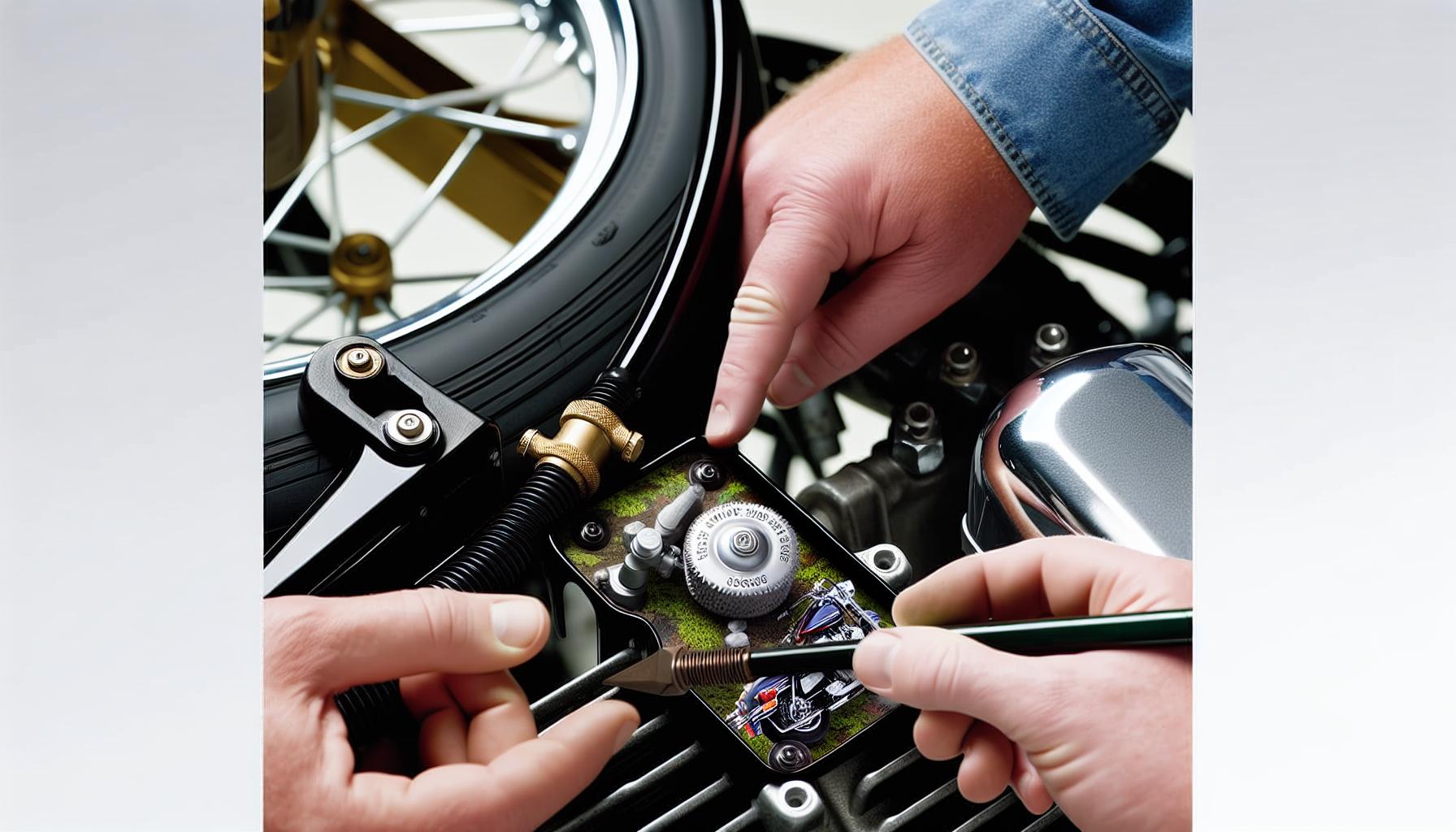
Knowing how to find your Harley’s Vehicle Identification Number (VIN) is a crucial step for any motorcycle owner, especially when it comes to validating your bike’s value and authenticity. The VIN is typically a 17-character string that encodes important information about your motorcycle, including its origin, model year, and even specifics about the engine type. This number not only helps in registering your motorcycle but is also essential for insurance claims, recalls, and resale.
To locate your Harley VIN quickly, start by checking the most common areas where it can be found:
- On the Frame: The VIN is often stamped on the right side of the steering head (the front part of the frame) under the handlebars. Look for it on a visible section, as this is the most standard position.
- On the Engine: Some Harleys also have the VIN stamped on the engine casing, which can be a helpful confirmation point when cross-referencing information.
- On the Title and Registration: If you have the motorcycle’s title or registration documents, these will also list the VIN. This is useful for verification before any purchase or sale.
- On the Manufacturer’s Label: You can find a sticker with the VIN on the frame as well; it usually accompanies other safety information about the motorcycle.
Once located, it’s a good practice to keep a record of your VIN in a secure place, such as a notebook or a digital file. By having this information handy, you can easily decode details about your motorcycle using online VIN decoders. These tools can reveal valuable insights such as the bike’s manufacturing history, safety recalls, and other essential specifications. This knowledge not only enhances your understanding of your motorcycle but also aids in making informed decisions regarding maintenance or purchasing parts. Always ensure that the VIN is correctly recorded in any transaction, as it serves as a unique identifier that tracks your motorcycle’s history and reinforces your ownership rights.
Decoding Your Harley VIN: Step-by-Step Guide
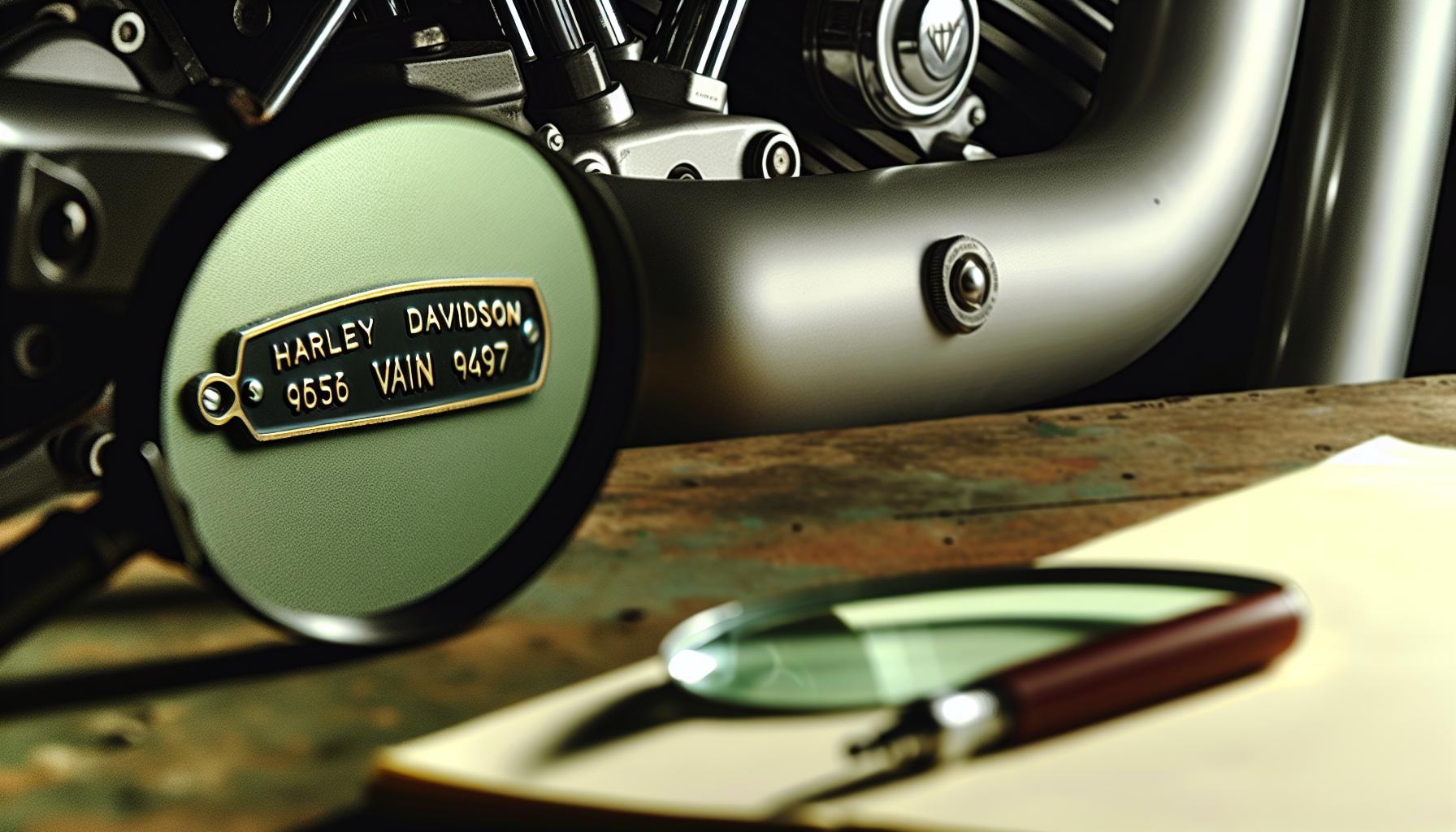
When it comes to understanding your Harley Davidson, decoding the Vehicle Identification Number (VIN) is one of the most pivotal steps. The VIN is not just a random assortment of characters; it is a detailed code that provides insights into your motorcycle’s history, type, and authenticity. A properly decoded VIN can help you determine whether your motorcycle has been involved in any recalls, how it was manufactured, and even its market value. Let’s break down how to decode this crucial number effectively.
Begin by locating your Harley’s VIN, typically found on the frame or the engine casing. Once you’ve identified this 17-character string, you can start decoding it. Each section of the VIN offers specific information:
Step-by-Step Decoding
- Characters 1-3: These are known as the World Manufacturer Identifier (WMI). They identify the manufacturer-Harley Davidson-and its place of origin.
- Characters 4-8: This portion details the vehicle attributes such as model, body type, engine type, and any additional features.
- Character 9: This is a security code used to ensure that the VIN is valid.
- Character 10: This indicates the model year of your Harley-for instance, ‘L’ represents 2020, ‘M’ is for 2021, etc.
- Character 11: This character identifies the manufacturing plant where the motorcycle was assembled.
- Characters 12-17: These characters are essentially the production sequence, helping distinguish your motorcycle from others made in the same year and model.
Utilizing an online VIN decoder tool can simplify this process significantly. Several resources allow you to input your VIN directly and receive a comprehensive breakdown of the information encoded within. Be sure to cross-reference the details provided with your motorcycle’s documentation to verify accuracy.
In conclusion, decoding your Harley’s VIN is a straightforward yet essential process. It empowers you with knowledge about your motorcycle’s specifications, history, and overall value. This step not only aids in maintaining your bike but is instrumental in enhancing your understanding as a owner, ensuring you’re well-informed whether you’re buying, selling, or simply enjoying your ride.
Identifying Your Harley Model and Year
To determine the model and year of your Harley-Davidson, the VIN is your indispensable tool. This alphanumeric code is essentially the fingerprint of your bike-it provides specific details about your motorcycle’s identity and manufacturing history. Recognizing your Harley’s model and production year not only helps establish its authenticity but also impacts its resale value, potential insurance rates, and eligibility for recalls or warranties.
The tenth character of your VIN is particularly crucial; it indicates the model year. For instance, if your VIN has a “L” in this position, your bike is from the year 2020, while “M” signifies a 2021 model. Understanding these characters paves the way to confirm that you are indeed purchasing the model you believe it is, as some Harley enthusiasts are keenly aware of the subtle variations between models year by year.
To identify your specific Harley model, examine the fourth to eighth characters of your VIN. These sections provide insights into the series and specific style of your motorcycle. For example, characters in this range can specify whether it’s a Sportster, Dyna, or Touring model, and can also indicate unique manufacturing features or customizations. For those not familiar with Harley nomenclature, many online resources exist to decode these attributes further, making it easier to decode the details without being a technical expert.
Additionally, Harley-Davidson maintains comprehensive records of its models and their respective features online. Thus, after decoding your VIN, it is advantageous to consult the Harley-Davidson website or speak with a dealer for any further information regarding recalls or modifications that may apply to your specific motorcycle model. This not only enhances your understanding but also empowers you as a responsible owner, ensuring that you remain informed about your investment.
Using a VIN Decoder: Best Tools and Resources

To ensure that you make informed decisions about your Harley-Davidson, utilizing a VIN decoder is essential. This tool unveils a wealth of information contained within your motorcycle’s Vehicle Identification Number (VIN), which can include details about the make, model, and year of manufacture-all of which are vital for verifying the authenticity and value of your bike.
Numerous online VIN decoder resources cater specifically to Harley-Davidson motorcycles, making it easy to understand what your VIN reveals. Many of these tools provide intuitive interfaces where you simply input your VIN, and with a click, you receive a detailed report. Here are a few highly regarded options:
- Harley-Davidson Official VIN Decoder: The most reliable source, directly from Harley-Davidson, offers accurate and up-to-date information on all models.
- CycleVIN: This tool not only decodes VINs but also provides history reports, which could indicate if the motorcycle has been in any accidents or has outstanding recalls.
- VINCheckPro: A robust resource that provides detailed VIN decoding along with background checks, making it especially useful when purchasing a used motorcycle.
When using a VIN decoder, ensure that you double-check the details provided against Harley-Davidson’s official resources. It’s not uncommon for motorcycles to have undergone modifications or repairs that aren’t reflected in the VIN alone. After you’ve decoded your VIN and gathered the necessary information, consult the Harley-Davidson website for specific model features and any recalls related to your motorcycle. This proactive approach not only equips you with the knowledge to negotiate better when buying or selling but also helps in maintaining your motorcycle’s value over time. Understanding and utilizing your VIN effectively empowers you as an owner, making you more confident in your investment.
Assessing Your Motorcycle’s True Value

Understanding the value of your Harley-Davidson motorcycle goes far beyond its aesthetic appeal or riding comfort. At the heart of this assessment is the Vehicle Identification Number (VIN), which encapsulates critical details about the bike, such as its model, year, and even its history. Each digit has a specific meaning, offering insights that can directly influence its market value. Using a VIN decoder empowers you not only to authenticate your motorcycle but also to ascertain its true worth in today’s competitive marketplace.
To begin evaluating your motorcycle’s value, utilize a reputable VIN decoder. This tool will detail the specifications of your Harley, including its manufacturing year, engine type, and factory options-all of which can affect pricing. For instance, a limited edition model or one with specific features might command a higher resale value. Additionally, investigating the service history-available through some decoders-helps you understand whether your bike has faced any major repairs or recalls. Remember, a motorcycle in good condition with a clean history is often worth more than one that shows signs of neglect or has been involved in accidents.
Your assessment should also consider external factors such as market demand and the economic climate. Seasonal changes can influence values; for instance, motorcycles often see higher demand during spring and summer months, which may raise resale prices. To gauge your bike’s current market value, you can browse listings on platforms like CycleTrader or NADA Guides, cross-referencing their details against your VIN-decoded information. This process not only validates your motorcycle’s worth but also equips you with negotiation power if you decide to sell.
Furthermore, keeping up with the latest Harley-Davidson recalls and service bulletins is crucial. Knowing whether your bike has any outstanding recalls can significantly impact its value. A motorcycle that is up to date with all service recalls is viewed more favorably than one left unaddressed. By staying informed, you ensure that your investment remains protected and valued appropriately in a crowded marketplace. Thus, utilizing your VIN effectively not only helps in assessing your motorcycle’s worth but also in enhancing your overall ownership experience.
Common VIN Issues and How to Resolve Them
Understanding the intricacies of your Harley-Davidson’s VIN is crucial, as it serves not just as a unique identifier, but also as a gateway to a wealth of information about your motorcycle. However, navigating certain common issues related to VINs can become a daunting task for any owner. Issues such as inaccuracies in the VIN itself, discrepancies in records, and concerns over theft or cloning can arise, potentially complicating ownership and resale processes.
One of the most frequent problems stems from VIN inaccuracies. These can occur due to clerical errors during manufacture or as a result of aftermarket modifications. If you suspect an error, start by validating your VIN against the original documentation: your title, registration, and manufacturer’s certificate. Tools like the National Highway Traffic Safety Administration’s (NHTSA) VIN search can provide insights based on official records. If inconsistencies surface that you cannot resolve, contacting Harley-Davidson directly for assistance may be necessary-they can guide on correcting your records.
Another issue often encountered is the lack of information regarding recalls and service history tied to a specific VIN. This is particularly significant for those considering a purchase or maintaining resale value. Each Harley model can have specific recalls based on design or safety concerns, and being unaware can diminish the value of your motorcycle. To address this, you should check the Harley-Davidson recall database using your VIN. Keeping an eye on service bulletins and past recalls not only protects your investment but also enhances your confidence in your bike’s reliability and safety.
Lastly, concerns about VIN cloning-where illegal entities replicate VINs from stolen motorcycles-affect many motorcycle owners. This can lead to legal troubles and confusion during resale. To mitigate this, conduct regular checks on your motorcycle’s history through reputable VIN decoder tools. These decoders provide information about registration status, accident history, and ownership changes. By staying vigilant and proactive about your VIN, you ensure your Harley remains a source of pride and assurance, instead of a point of worry. Staying informed helps prevent common VIN issues, strengthening your overall ownership experience and maintaining the value of your beloved motorcycle.
Why VIN Verification Protects Your Investment
Understanding the validity of your Harley-Davidson’s VIN is not just an administrative task; it’s a protective measure for one of your most valuable assets. A VIN (Vehicle Identification Number) encapsulates critical information about your motorcycle, including its history, manufacturing details, and specifications. By verifying the VIN, you gain access to comprehensive data that can significantly influence the motorcycle’s market value and ownership experience.
One of the key reasons to ensure rigorous VIN verification is to circumvent potential issues arising from fraudulent activities. Unfortunately, the motorcycle market can attract unscrupulous individuals seeking to profit by selling stolen or cloned bikes. A verified VIN can help authenticate your motorcycle’s origins and history, minimizing the risk of unknowingly purchasing a stolen vehicle. It’s crucial to cross-check your VIN using online tools and databases that track VIN records, which provide insights into past ownership, claims of theft, and accident history. Tools like the National Insurance Crime Bureau’s VINCheck are valuable resources for ensuring your investment is legitimate.
Moreover, verification aids in recognizing any recall information associated with your bike. Harley-Davidson actively participates in issuing recalls for safety improvements and mechanical revisions. By regularly checking your VIN against the official recall database, you can stay informed about any necessary repairs or adjustments that could affect safety and resale value. Being proactive about these details not only protects your riding experience but also helps in maintaining or even enhancing your motorcycle’s value-something every owner can appreciate.
Finally, involving yourself in the verification process fosters a deeper connection with your motorcycle. Understanding its history and specifications can translate into better maintenance decisions and customization opportunities. For enthusiasts and everyday riders alike, the act of verifying your VIN transforms the ownership experience into a more informed journey. It’s an investment in peace of mind, ensuring that your Harley continues to be a source of pride rather than a potential legal hassle or financial loss.
The Impact of VIN Decoding on Insurance Rates
Decoding the Vehicle Identification Number (VIN) of your Harley-Davidson motorcycle can significantly influence your insurance rates, making it a vital step in managing your bike’s overall value and safety. Insurers use the VIN to gather detailed information about your motorcycle’s specifications, model, year, and safety features. These factors play a crucial role in determining premiums; a well-maintained model with a good safety record may result in lower rates, while models with a history of theft or accidents could lead to higher premiums.
Understanding How VIN Affects Premium Calculations
When insurers assess risk, they look at the historical data associated with specific makes and models. For example, if a particular Harley-Davidson model has a higher incidence of theft, insurance companies may charge more to cover that risk. By decoding your VIN, you can determine if your motorcycle falls into a higher or lower risk category. Key details revealed through the VIN include engine type, safety features, and whether the motorcycle has been subject to recalls, all of which can directly impact your insurance costs.
Maximizing Benefits Through Accurate VIN Information
Utilizing a VIN decoder can help you present accurate information to your insurance provider, potentially lowering your premiums. For instance, many insurers offer discounts for motorcycles equipped with anti-theft devices or innovative safety features. By providing precise VIN data, you can ensure that your insurer applies all applicable discounts. Additionally, keeping a close eye on your VIN may help you if your motorcycle ever needs to report an accident. A clear history supported by verified VIN information ensures that you have the correct data available, protecting you from inflated premiums due to inaccurate assessments.
In conclusion, understanding the nuances of your Harley’s VIN not only empowers you as an owner but can lead to tangible benefits, including enhanced safety and reduced insurance rates. By taking the time to decode and verify your motorcycle’s VIN, you position yourself to make informed decisions that safeguard both your financial interests and your riding experience.
Exploring Harley-Davidson Recall Information via VIN
One of the most critical aspects of owning a Harley-Davidson is being aware of any recall information related to your motorcycle. Recalls occur when a manufacturer identifies a potential safety issue with a vehicle, and knowing your bike’s status can ensure your safety and the well-being of others on the road. By utilizing your Motorcycle’s Vehicle Identification Number (VIN), you can swiftly find out whether your motorcycle is part of a recall, thus safeguarding your investment and enhancing your riding experience.
To check for recalls, all you need is your Harley’s VIN, which is prominently located on the frame of the motorcycle, often on the left side near the steering head or on the engine itself. Once you have located your VIN, visit the official Harley-Davidson website or the National Highway Traffic Safety Administration (NHTSA) website, where you can enter your VIN into dedicated recall lookup tools. These resources will provide you with up-to-date information regarding any active recalls that may affect your motorcycle.
Understanding recall information is crucial not just for safety, but it also adds to your motorcycle’s overall value. A motorcycle that has been recalled and subsequently repaired may retain its value better than one that remains unaddressed. If you are considering buying a used Harley, knowing whether the vehicle has outstanding recalls can influence your decision. Always ask for documentation confirming that any necessary repairs or recalls have been completed. This due diligence shows you are making an informed purchase while potentially avoiding future liabilities.
Ultimately, proactively checking and addressing any recalls is a vital practice for every Harley rider. It helps maintain not only your motorcycle’s integrity but also your peace of mind while riding. Regularly monitoring recall announcements ensures you stay in the loop and can enjoy your motorcycle with confidence.
Buying a Used Harley: What to Check Before Purchase
When considering the purchase of a used Harley-Davidson, it’s crucial to navigate the buying process with care. The Vehicle Identification Number (VIN) serves as your primary tool to ensure you make an informed decision. This unique identifier tells you a wealth of information about the motorcycle’s history, including its model, engine type, and any recall or accident reports. Therefore, before jumping into negotiations, take a moment to thoroughly decode the VIN.
Begin by locating the VIN on the motorcycle, typically found on the left side of the steering head or on a label adhered to the frame. Once you have it, enter the VIN into a reliable VIN decoder tool-many are available online for free. These tools can reveal essential details about your potential purchase, such as the original specifications, manufacturing year, and whether the bike has any outstanding recalls. Being equipped with this knowledge can empower you in discussions with the seller and help you discern if the asking price reflects the bike’s true value.
Once you’ve verified the VIN details, it’s time to conduct a physical inspection of the motorcycle. Examine the overall condition for any signs of wear and tear, such as rust, dents, or scratches. It’s also vital to check the engine for any leaks or unusual noises. Additionally, inquire about the service history and request documentation for any major repairs or modifications. A well-maintained motorcycle not only rides better but also holds its value much more effectively.
Don’t forget to check for any signs of tampering with the VIN itself. This can indicate that the motorcycle may have been stolen or involved in illegal activity. Always cross-reference the information obtained from the VIN decoder with what you see in person and what the seller provides. Making use of these resources effectively not only secures a potentially great deal but also protects your investment, allowing you to enjoy the ride ahead with confidence.
Frequently Asked Questions
Q: What information can I find using a Harley VIN decoder?
A: A Harley VIN decoder reveals vital details such as the model year, manufacturing location, engine type, and vehicle specifications. This information helps you verify authenticity and assess your motorcycle’s value before making a purchase or selling.
Q: How do I interpret the numbers in my Harley VIN?
A: The VIN consists of 17 characters detailing the motorcycle’s unique identity. The first three digits represent the manufacturer, digits 4-8 provide information about the model, and the 10th digit indicates the model year. Understanding these elements can enhance your buying experience.
Q: Why is it important to check Harley VIN before buying a motorcycle?
A: Checking the VIN ensures you’re getting an authentic Harley and helps avoid scams. It reveals the motorcycle’s history, including accidents, recalls, and service records, allowing for informed purchasing decisions.
Q: Can I run a Harley VIN check for free?
A: Yes, several online platforms offer free VIN checks. Sites like the National Highway Traffic Safety Administration (NHTSA) provide access to recall information, while dedicated Harley sites can help decode model specifics without any cost.
Q: How does a VIN affect motorcycle insurance rates?
A: A VIN impacts insurance rates because it provides insurers with detailed information on the motorcycle’s history, model, and safety features. Accurate VIN decoding can lead to lower premiums by confirming the bike’s value and reducing perceived risk.
Q: What should I do if my Harley VIN is missing or unclear?
A: If the VIN is missing or difficult to read, check other locations like the frame under the seat or near the engine. Alternatively, consult with a dealer or a professional inspection service for assistance in retrieving the correct VIN.
Q: How can VIN decoding protect my investment?
A: By verifying the VIN, you can ensure your motorcycle’s authenticity and condition. This process helps prevent financial losses from purchasing stolen or misrepresented bikes and assists in maintaining an accurate transaction record, enhancing resale value.
Q: What are the common mistakes made when using a Harley VIN decoder?
A: Common mistakes include inputting incorrect VIN characters or overlooking discrepancies in the decoded data. Always double-check the VIN for accuracy and consult multiple sources to confirm any findings. For detailed insights, refer to the “Using a VIN Decoder” section of our article.
In Retrospect
Now that you understand how to decode a Harley VIN and authenticate your motorcycle’s true value, don’t miss the opportunity to enhance your riding experience. Knowing the specifics of your bike can save you from costly mistakes and empower you to make informed decisions. If you’re ready to dive deeper into motorcycle maintenance or explore the market for your next ride, check out our articles on Harley Maintenance Tips and Top Things to Consider When Buying a Used Motorcycle.
Take action today by signing up for our newsletter to receive exclusive tips on maximizing your motorcycle’s value. Have questions or want to share your VIN decoding experience? Leave a comment below-your insights could help fellow riders! Remember, being informed is the key to enjoying your Harley to the fullest. Secure your ride’s history now, and ride with confidence!
Erhalten Sie unsere neuesten Ratgeber, News und Analysen hervorgehoben in der Google-Suche und in AI Overviews.