
Did you know that every car has a unique identifier known as a Vehicle Identification Number (VIN)? This 17-character code is crucial for anyone looking to understand their vehicle’s history, authenticity, and specifications. Whether you’re buying a used car, verifying service records, or checking for recalls, knowing where to find the VIN is key to making informed decisions. In this guide, we will explore how to locate the VIN on various vehicles and explain why this information is essential for every driver. Get ready to unlock the secrets hidden in your car’s VIN and ensure you have the information you need to navigate your automotive journey with confidence.
Understanding the VIN: What It Reveals About Your Car
The Vehicle Identification Number (VIN) is more than just a random assortment of numbers and letters; it’s a crucial dashboard for understanding the ins and outs of your vehicle. This unique 17-character code holds extensive information about your car, from its make, model, and year of manufacture to its engine specifications and place of assembly. Simply put, the VIN is your vehicle’s fingerprint-no two are alike. For instance, the first three digits signify the World Manufacturer Identifier (WMI), revealing the manufacturer and country where the vehicle was produced. As a car owner, having a grasp of what your VIN signifies can enhance your knowledge of your vehicle and provide critical information when it comes to maintenance, resale, and repairs.
When you decode your VIN, you gain access to a treasure trove of details about your car which can aid in verifying its authenticity and specifications. Depending on the manufacturer, the VIN structure can inform you about the vehicle’s safety features, engine type, and even trim level. Furthermore, decoding your VIN can unveil vital recall information and service history, which is particularly advantageous when considering used vehicles. By utilizing online VIN decoder tools-available on sites like CARFAX or AutoZone-you can easily access this information, helping you make informed decisions regarding repairs, upgrades, or potential purchases.
Understanding your VIN is also essential for various administrative tasks such as car insurance and registration. Insurance companies require this identifier to pull up your vehicle’s history, which includes past accidents, ownership changes, and service records. Having accurate VIN information ensures that you’re getting correct insurance quotes and that your vehicle is properly registered with the DMV. In an age where vehicles can be costly investments, knowing your VIN can empower you, allowing for proactive management of your car’s safety, value, and history.
By familiarizing yourself with your vehicle’s VIN and what it reveals, you arm yourself with the knowledge necessary to navigate vehicle ownership confidently. Whether you’re a first-time buyer or a seasoned car enthusiast, knowing your VIN is a step towards transparency and informed decision-making in the automotive realm.
Where to Locate Your VIN on Different Vehicle Types

Finding the Vehicle Identification Number (VIN) doesn’t have to be a daunting task. In fact, knowing where to look can save you time and ensure you have accurate information about your vehicle. The VIN, a unique 17-character code assigned to every car, can generally be found in several common locations across various vehicle types.
For most passenger cars, the VIN is often located on the driver’s side dashboard, visible through the windshield. This spot is particularly helpful as you can check the VIN without needing to open the door. Additionally, it can be found on the driver’s side door jamb-when you open the door, a sticker or plate may be affixed here listing the VIN along with other vehicle information like tire pressure and compliance details.
Trucks and SUVs typically follow the same VIN placement conventions as passenger cars. However, for larger vehicles like vans or commercial trucks, it’s wise to check inside the engine bay, often near the front of the vehicle on the frame. This may require a bit more effort, as you might need to use a flashlight to see the VIN clearly.
Motorcycles present a slightly different challenge, as their VIN location varies by manufacturer but is generally found on the frame, often near the steering neck or under the seat. This requires checking specific parts of the bike, contributing to the importance of familiarizing yourself with your particular model’s layout.
In summary, whether you own a car, truck, SUV, or motorcycle, knowing the common locations for the VIN can enhance your understanding of your vehicle and facilitate necessary processes like registration and insurance. Always cross-reference the VIN with official documents to ensure consistency and accuracy.
Step-by-Step Guide to Finding VIN on Cars
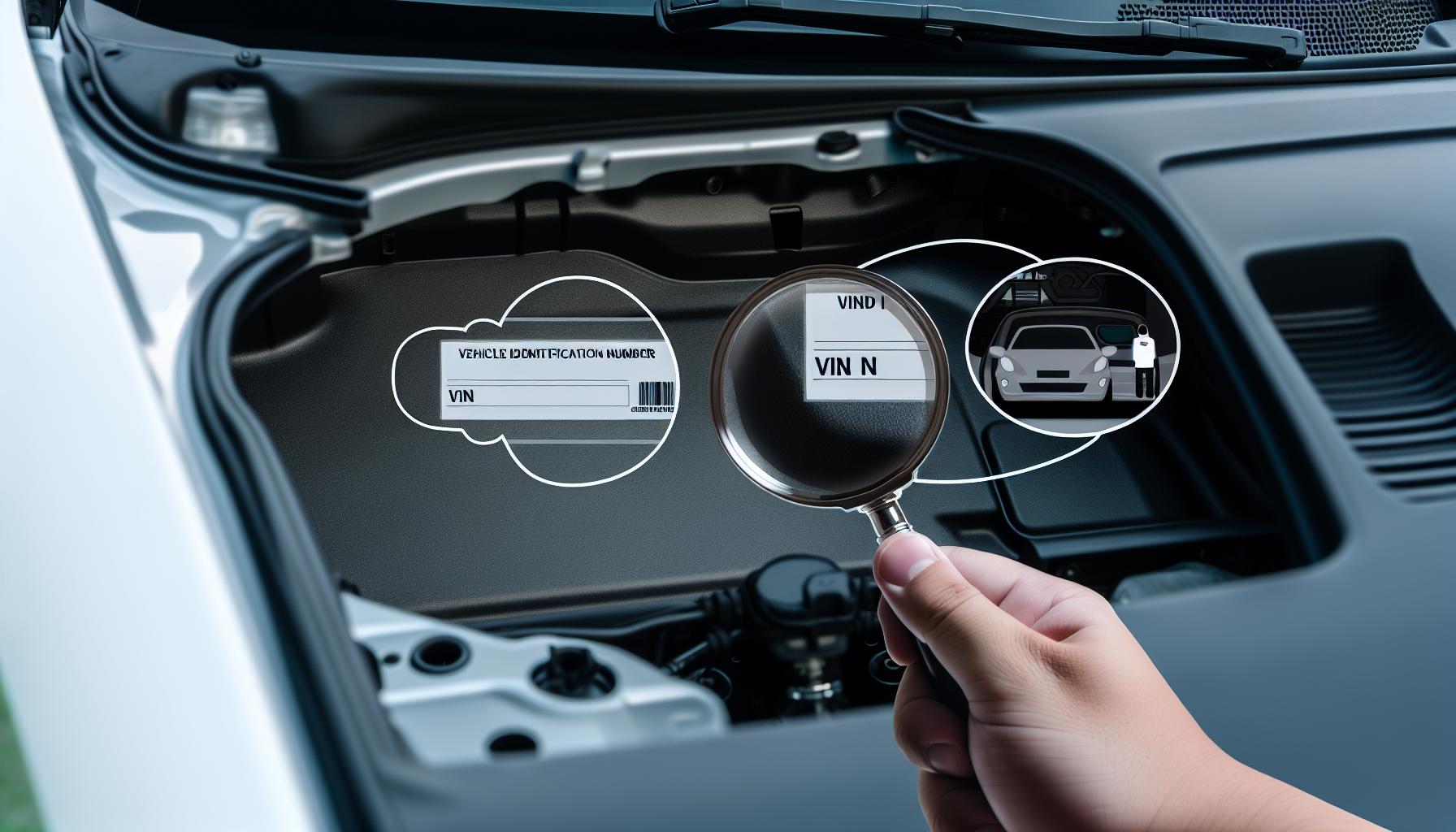
Finding your Vehicle Identification Number (VIN) is essential for a variety of reasons, from completing registration to ensuring that you have the correct information for insurance and resale purposes. The VIN is like a fingerprint for your vehicle; no two are alike, and it contains valuable information about the car’s make, model, year, and more. Here’s a straightforward guide to help you locate it on your car easily.
Start your search on the driver’s side dashboard. Stand outside the vehicle and look through the windshield at the corner where the dashboard meets the glass. This location is especially handy as it allows you to see the VIN without needing to enter the vehicle. If you have trouble locating it there, the next step is to check the driver’s side door jamb. Open the door and look for a sticker or metal plate attached to the frame. This commonly displays the VIN along with other important details, such as the vehicle’s weight rating and tire pressure specifications.
For those who own trucks or SUVs, the VIN can usually be found in the same two locations. However, larger vehicles like vans or commercial trucks may also have the VIN stamped in the engine bay. Carefully lift the hood and inspect the areas near the front on the frame or on a sticker attached to the hood or fender. Utilizing a flashlight can help illuminate any hard-to-see areas.
Lastly, if you’re in a pinch and still can’t find the VIN, check your vehicle registration documents, insurance policy, or the title document. These will usually have the VIN printed clearly. Knowing where to look and what to expect can save you a lot of time and hassle, ensuring you can access crucial vehicle information whenever you need it.
Common VIN Locations: A Brand-by-Brand Breakdown

Finding the Vehicle Identification Number (VIN) is a crucial step in understanding your car’s identity and history. However, its location can vary significantly between different manufacturers. Knowing where to look for your VIN can save time and ensure that you can quickly access important vehicle information whenever needed.
For many popular brands, the VIN can typically be located in a few key areas. Let’s explore some common locations for various manufacturers:
Domestic Brands
- Ford: The VIN is often found on the driver’s side dashboard near the windshield and on the driver’s door jamb.
- Chevrolet: You’ll commonly find it on the lower portion of the windshield on the driver’s side or on a sticker in the driver’s door jamb.
- Dodge: Similar to Ford, the VIN can be located on the dashboard and also in the door jamb on the driver’s side.
Foreign Brands
- Toyota: For many Toyota models, the VIN appears on the driver’s side dashboard as well as on a label found on the driver’s door jamb.
- Honda: The VIN is usually etched into the dashboard near the windshield and on a sticker on the driver’s door frame.
- Nissan: Nissan typically places the VIN on the lower left of the windshield and inside the driver’s side door jamb.
Luxury Brands
- BMW: Look for the VIN on the driver’s side dashboard and the driver’s door jamb. Some models also have it in the engine compartment.
- Mercedes-Benz: The VIN can be found on the lower corner of the windshield and on the driver’s side door sill.
- Audi: Often located on the dashboard and on a label near the driver’s side door.
Whether you own a reliable Ford or a luxurious Mercedes-Benz, knowing where to find the VIN can significantly enhance your understanding of your vehicle. By having your VIN at hand, you can easily verify details about your car, including its history, repairs, and manufacturer information. Always keep this crucial number accessible, as it plays an essential role in vehicle ownership and safety.
How to Decode Your VIN: A Comprehensive Guide
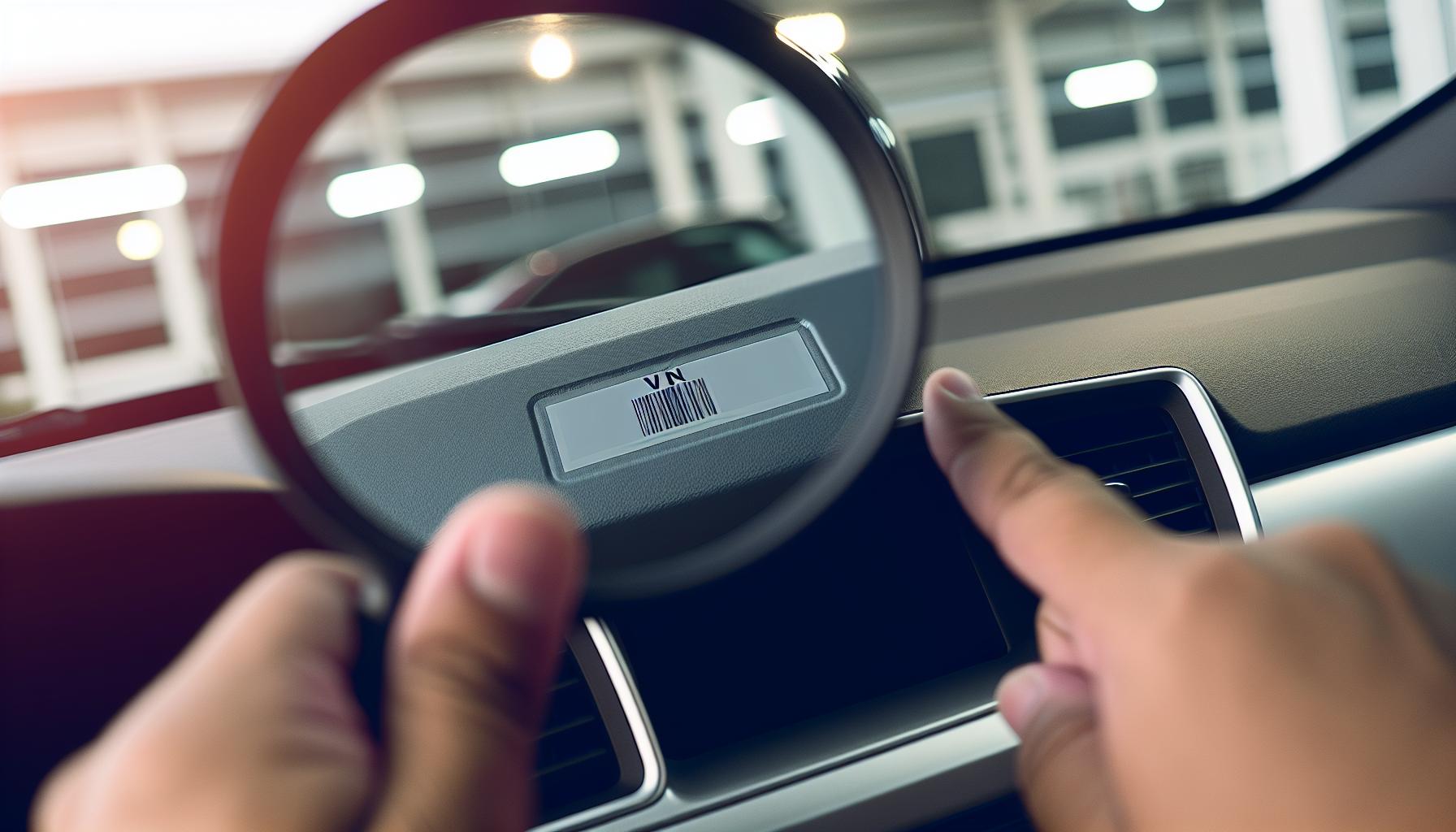
Decoding your Vehicle Identification Number (VIN) unlocks a treasure trove of information about your car. Each VIN is not just a random assortment of characters; it’s a structured, intricate code that tells you everything from the vehicle’s origin to its model details and safety features. With a basic understanding of how to interpret this 17-character string, you can easily access essential details about your vehicle’s specifications and history, empowering you as an informed owner and buyer.
To decode your VIN, break it down into sections:
Understanding the Sections
- Characters 1-3: The World Manufacturer Identifier (WMI) signifies the manufacturer. For example, ‘1HG’ indicates a Honda manufactured in the U.S.
- Characters 4-8: This part classifies the vehicle type, model, body style, and engine type. For example, specific letters correspond to different models and configurations offered by the manufacturer.
- Character 9: The check digit, which is used to verify the VIN’s accuracy.
- Character 10: Represents the model year. Each year has a unique code (e.g., ‘A’ for 1980, ‘B’ for 1981, and so on up to ‘Y’ for 2000; then it continues with ‘1’ for 2001).
- Characters 11: Indicates the assembly plant where the vehicle was built.
- Characters 12-17: The Vehicle Identifier Section (VIS), which is unique to each vehicle and contains production numbers.
Using Online VIN Decoders
To simplify the process, various online VIN decoder tools are available. These resources automatically interpret the VIN based on the structure above, providing comprehensive details about the vehicle, including safety ratings and recall information. Websites like AutoZone and the Mopar official site offer free, user-friendly VIN decoding services for car owners seeking detailed vehicle insights.
Understanding your VIN is essential. By knowing how to decode and interpret it, you can verify a vehicle’s identity during purchases, assess its history for any potential issues, and ensure its registration and insurance align with the correct specifications. The VIN serves not just as your vehicle’s fingerprint but also as a key to a transparent automotive experience, supporting safe and informed decisions for ownership.
Why Knowing Your VIN Matters for Car Owners
Knowing your VIN is not just a matter of automotive trivia; it’s a critical component of vehicle ownership that can significantly impact a car owner’s experience. The Vehicle Identification Number serves as a unique identifier for your vehicle, linking it to a wealth of essential information. From tracking recalls to verifying ownership history, understanding and utilizing your VIN provides peace of mind and protects your investment.
One key aspect of the VIN is its role in maintaining your vehicle’s history. When purchasing a used vehicle, the VIN allows you to access its maintenance records, accident history, and title information. This can prevent you from acquiring a vehicle with a hidden past, such as major accidents or persistent mechanical issues. Additionally, dealerships and service providers often use the VIN to ensure that any recalls or service bulletins are applied to your car, safeguarding your safety and compliance with manufacturer standards.
Moreover, the VIN is vital when it comes to insurance and registration. Insurance companies use the VIN to assess the coverage needed for your vehicle and its value. A valid VIN ensures that your insurance policy is accurately reflecting the specific vehicle you own, which can be crucial in claims processing. When registering your vehicle, the VIN confirms your ownership and is critical to preventing identity theft and fraudulent activities in the automotive marketplace.
In summary, being familiar with your VIN can empower you as a car owner, making it easier to unlock a range of resources and information. It aids in ensuring your vehicle’s safety, enhancing its resale value, and securing your financial investment. Make it a habit to keep your VIN accessible and know how to use it effectively, as this small string of characters can have a profound impact on your driving experience.
VIN Verification: Ensuring Authenticity and Safety
To truly understand the significance of your Vehicle Identification Number (VIN), consider this: a VIN encapsulates a vehicle’s entire history-a database of its past ownership, accident reports, and even its manufacturing lineage. However, the real magic of the VIN lies in its power to verify authenticity and ensure safety throughout your ownership journey. For every car buyer or owner, knowing how to verify a VIN is crucial to avoid fraud and make informed decisions.
Start by checking the VIN against reputable databases to authenticate your vehicle. Websites such as CARFAX and autoDNA offer comprehensive VIN checks that reveal critical information about your car’s history. These services can inform you about past accidents, ownership changes, and any outstanding recalls linked to that VIN. To perform a VIN check, simply enter the 17-character code into the search bar on these platforms, and the service will generate a detailed report. This step is essential not only before purchasing a used vehicle but also for ongoing peace of mind during ownership.
Why VIN Verification Matters
Verifying the VIN is particularly valuable in preventing vehicle fraud. Reports of stolen cars being sold to unknowing buyers are alarmingly common. A thorough verification process ensures that the vehicle you are considering isn’t just another statistic in the automotive theft database. Additionally, an accurate VIN check can expose discrepancies in the vehicle’s history that may not be disclosed by a seller, such as title issues or significant damage from accidents. These insights are invaluable, enabling you to negotiate better or even walk away from a bad deal.
Moreover, the importance of the VIN extends beyond buying and selling; it plays a critical role in safety recalls. As manufacturers periodically issue recalls for safety issues, having a valid VIN ensures you receive notifications about any recalls affecting your vehicle. This is vital for maintaining the safety of not just your car, but anyone else on the road. Regularly checking your vehicle’s VIN against recall databases can prevent potential disasters.
In conclusion, the VIN is more than just a series of numbers-it is a powerful tool for verifying authenticity and ensuring the safety of your vehicle. Thoroughly vetting your car’s VIN can save you time, stress, and money. Always approach VIN verification as an essential step in your vehicle ownership experience. Being proactive with your VIN can lead to better decision-making, greater safety on the road, and ultimately a more satisfying ownership experience.
Using VIN to Access Vehicle History Reports
Using your Vehicle Identification Number (VIN) to access vehicle history reports is one of the most effective ways to unlock a wealth of information about a vehicle’s past. Whether you’re considering buying a used car or want to know more about your own vehicle, a VIN lookup provides insight that can impact your decision-making and protect your investment.
By entering the 17-character VIN into a specialized online tool-such as those offered by CARFAX, autoDNA, or the National Insurance Crime Bureau (NICB)-you can retrieve a comprehensive vehicle history report. These reports typically include key details such as previous ownership records, accident history, service records, and title status. For instance, if a car has been involved in multiple accidents, understanding that history can help you evaluate its current condition and fair market value. Moreover, a vehicle history report can alert you to issues like odometer rollbacks, which could indicate fraud.
To get started, simply locate the VIN on the vehicle (commonly found on the dashboard or driver’s side door frame) and enter it into the chosen service’s search bar. Each platform has its own database and scope of information, so consider checking multiple sources for a more thorough overview. While some basic VIN checking services are free, in-depth reports may require a fee. Nonetheless, this small investment can save you from costly surprises down the road.
It’s also important to keep in mind that these reports are more than just records; they’re vital tools for ensuring safety and authenticity. Many states use VIN information to notify owners about recalls or safety concerns linked to their vehicles. By staying informed about such updates, you can maintain both your safety and the reliability of your vehicle. Hence, utilizing your VIN to access vehicle history reports is not just about understanding a car’s past-it’s about ensuring a secure and informed future on the road.
The Importance of VIN in Car Insurance and Registration
Understanding your Vehicle Identification Number (VIN) is crucial, especially when it comes to car insurance and registration. Not only is the VIN a unique code that identifies your vehicle’s make, model, and year, but it also plays a significant role in determining insurance premiums and ensuring compliance with legal requirements. Insurers and registration authorities use the VIN to access a wealth of information about your vehicle, which can directly influence your costs and responsibilities as a vehicle owner.
When you apply for car insurance, the VIN provides insurers with the ability to verify the specifics of the car being insured. This includes checking for past accidents, modifications, or any potential issues that could affect the vehicle’s safety or value. For instance, if your vehicle has a history of frequent claims, this could result in higher insurance premiums. Conversely, a clean record might qualify you for discounts. Thus, being aware of your VIN and accessing vehicle history reports can empower you to make decisions that affect your insurance rates.
In addition to insurance, the VIN is essential for vehicle registration. States require a VIN to be registered in their databases to track ownership, enforce laws, and manage recalls. The registration process typically involves providing your VIN to ensure it matches with government records. If a vehicle is reported stolen or involved in serious incidents, this information is documented and can impact the ability to register the vehicle. Ensuring your VIN is accurately recorded during the registration process helps maintain compliance with local regulations and protects you from potential legal troubles.
Finally, it’s important to keep your VIN information secure and accessible. If your VIN is damaged or missing, it can lead to complications with insurance claims or registration processes. Always have your VIN handy for quick reference, whether it’s in your vehicle documentation or stored safely in a digital format. Knowing your VIN and its significance can make a considerable difference in navigating both insurance and registration, ensuring that you are well-informed and protected as a vehicle owner.
What to Do If Your VIN is Missing or Damaged
When a Vehicle Identification Number (VIN) is missing or damaged, it can feel overwhelming for any car owner. The VIN is crucial not only for legal purposes concerning registration and insurance but also for tracking the vehicle’s history and authenticity. If you find yourself in this situation, there are several steps you can take to recover or replace your VIN information.
Firstly, check various locations on your vehicle for the VIN. Aside from the common places like the driver’s side dashboard or doorjamb, you may also find it on the vehicle’s frame, under the hood, or near the front windshield. Many manufacturers place additional VIN labels in less visible areas, so it’s worthwhile to conduct a thorough inspection. If you have ownership documentation, the VIN will typically be listed on your vehicle title, registration, and insurance cards.
If the VIN seems permanently damaged, consider reaching out to your vehicle manufacturer or dealer for assistance. Many manufacturers retain records of VINs associated with each vehicle they produced. They might have the ability to confirm your vehicle’s VIN based on other details, such as the engine number or assembly sequence number.
What If You Can’t Find Your VIN?
In case your VIN is completely missing from your vehicle, you should report this and request a replacement VIN from your local Department of Motor Vehicles (DMV). They usually require proof of ownership and may involve an inspection to document the vehicle’s details. This process can vary by state, so check your DMV’s website for specific instructions.
Additionally, if your VIN is missing because the vehicle is a classic or vintage car, certain guidelines exist for these scenarios. It’s common for older vehicles to have undergone modifications or restorations that might obscure or remove the original VIN. In such cases, documentation from a reputable mechanic can help certify the vehicle’s identity, which is often accepted by DMV offices.
Finally, always maintain a secure record of your VIN in multiple formats, such as in your insurance documents or a digital note. If your VIN becomes unreadable or lost in the future, having this backup will simplify your recovery process significantly. Knowing what to do in these situations empowers you to protect your interests as a vehicle owner and ensures compliance with legal requirements.
Understanding VINs for Classic and Vintage Cars
The Vehicle Identification Number (VIN) is not just a string of characters; for classic and vintage car enthusiasts, it’s a vital key that unlocks the history and authenticity of these cherished vehicles. For many, a classic car is more than just a mode of transportation; it represents passion, nostalgia, and a slice of history. Knowing how to locate and understand a classic car’s VIN can significantly enhance your ownership experience.
Classic and vintage cars often have unique VIN placements due to differing manufacturing standards. Typically, you can find a VIN in a few common locations: on the driver’s side dashboard near the windshield, on the door jamb of the driver’s side, or stamped on the vehicle’s frame or firewall. For older models, especially those produced before the 1980s, the VIN may be less standardized. Therefore, it’s wise to inspect both visible and hidden areas, such as beneath the carpet or inside the trunk, where the manufacturer might have placed additional identifiers.
Understanding what the VIN reveals about your classic car is equally important. The first few characters signify the manufacturer and country of origin, while subsequent digits provide details regarding the model, engine type, and production year. This decoding is crucial, not just for valuation purposes, but also for verifying that the vehicle has not been altered or misrepresented. There are several online resources available, such as Hagerty’s VIN decoder, which offers a detailed breakdown of classic VINs, allowing owners to trace their vehicle’s history and market value with confidence [[1]].
Maintaining accurate records of your VIN is essential for ensuring the legality and authenticity of your vintage car. If your car’s VIN is missing or damaged, you might need to consult a professional to assess the vehicle and generate a replacement VIN that complies with local regulations. For automobiles with historical significance, having all documentation updated and accurate is key to preserving their value and, importantly, your peace of mind as an owner.
Resources for Tracking and Decoding VIN Information
To navigate the intricacies of Vehicle Identification Numbers (VIN), having access to reliable resources is paramount for every vehicle owner. These resources will not only help you locate your VIN but also understand its significance and how it can impact your vehicle ownership experience significantly. Whether you’re assessing a potential vehicle purchase or simply aiming to verify the details of your current ride, the right tools can make all the difference.
One of the most effective ways to decode and track VIN information is by utilizing online VIN decoders. Websites like Hagerty and VINCheck.info offer user-friendly platforms where you can enter your VIN and receive detailed reports. These reports typically include crucial information such as the vehicle’s make, model, year of manufacture, engine specifications, and any past accidents or title issues. Engaging with these platforms will empower you with transparency about your vehicle’s history, which is vital for making informed maintenance and purchase decisions.
For those who prefer a more hands-on approach, consider consulting a local mechanic or dealership. Many of these professionals have in-house tools and databases that can provide accurate VIN decoding services and track the vehicle’s service history. Additionally, a visit to your local Department of Motor Vehicles (DMV) can yield essential information regarding the registration status and any potential legal issues tied to your VIN. Keeping physical or digital copies of your VIN documentation at hand is also advisable, as it ensures quick access whenever needed-be it for insurance claims, resale, or other official requirements.
Using these tools and techniques, you can unlock a deeper understanding of your vehicle’s identity. By being proactive in tracking and decoding your VIN information, you not only protect your investment but also enhance your overall ownership experience. As you explore these resources, remember that a well-informed car owner is a confident car owner.
Faq
Q: What does a VIN number on a car represent?
A: A VIN (Vehicle Identification Number) is a unique 17-character code that identifies a specific vehicle. It encodes important information such as the vehicle’s manufacturer, model year, production location, and features. Knowing your VIN helps in tracking recalls, verifying ownership, and checking vehicle history.
Q: Why is it important to locate my VIN?
A: Locating your VIN is crucial for vehicle registration, insurance, and history checks. It allows you to verify your car’s authenticity and check for recalls or previous damage. Additionally, having your VIN handy can expedite service visits and provide essential information to potential buyers.
Q: Where can I find my VIN if it’s not visible on the dashboard?
A: If your VIN is not on the dashboard, check the driver’s side doorjamb, under the windshield, or inside the engine bay. It may also be found on the vehicle title, registration document, or insurance card. Refer to the article’s section on locating VINs for more guidance.
Q: How do I use my VIN to check a vehicle’s history?
A: To check a vehicle’s history using your VIN, visit a vehicle history report site like Carfax or AutoCheck. Enter your VIN to access information about past ownership, accident history, service records, and potential recalls. This is critical before making a purchase.
Q: What should I do if my VIN is unreadable or missing?
A: If your VIN is unreadable or missing, first try cleaning the area where it’s located. If it remains illegible, contact the manufacturer for assistance. They can help you obtain a replacement VIN plate if necessary. Refer to our section on missing or damaged VINs for detailed steps.
Q: Can I find a car’s VIN online?
A: Yes, you can often find a vehicle’s VIN online through the manufacturer’s website or a third-party vehicle history report service. Also, it may be included in the vehicle’s advertisement or listing when buying from dealers or private sellers.
Q: Are there special considerations for classic or vintage cars regarding VINs?
A: Yes, classic or vintage cars may have different VIN formats, or in some cases, no VIN at all. Check for other identifiers like the engine number or frame number. It’s also important to confirm the VIN with historical documentation if purchasing such a vehicle.
Q: How can I decode my VIN for more information?
A: You can decode your VIN using various online tools specifically designed for this purpose. These tools will break down the VIN into readable information showing details about the vehicle’s specifications, features, and production details. Check our decoding section for recommended resources.
To Wrap It Up
Now that you know where to find VIN numbers on any vehicle, it’s time to put this knowledge to use. A vehicle’s VIN reveals critical information about its history and specifications, empowering you as a buyer or owner to make informed decisions. Don’t let uncertainty hold you back-check your vehicle’s VIN today and ensure you have all the necessary details before any purchase.
If you’re looking for more insights, explore our guides on understanding vehicle history reports and tips for decoding VINs for specific brands. For those considering a new or used vehicle, check out our consultation services to help you navigate your options confidently.
Remember, staying informed means staying ahead. Leave your thoughts in the comments below, share this guide with others, and visit our site for more valuable resources like our automotive SEO tips tailored for dealers and car enthusiasts alike. Your journey to vehicle transparency starts now!