
Did you know that your vehicle’s VIN (Vehicle Identification Number) holds a treasure trove of information about its history? Understanding how to decode the German VIN can be crucial for car buyers and owners alike. This unique 17-character code provides insight into everything from the manufacturer to the vehicle’s specifications, helping you confirm its authenticity and value. Whether you’re considering a purchase or simply want to learn more about your vehicle, knowing how to interpret this code can empower you to make informed decisions. Dive deeper as we explore how to quickly and effectively decode European vehicle codes, ensuring you grasp the significance of each element in the VIN and enhancing your ownership experience.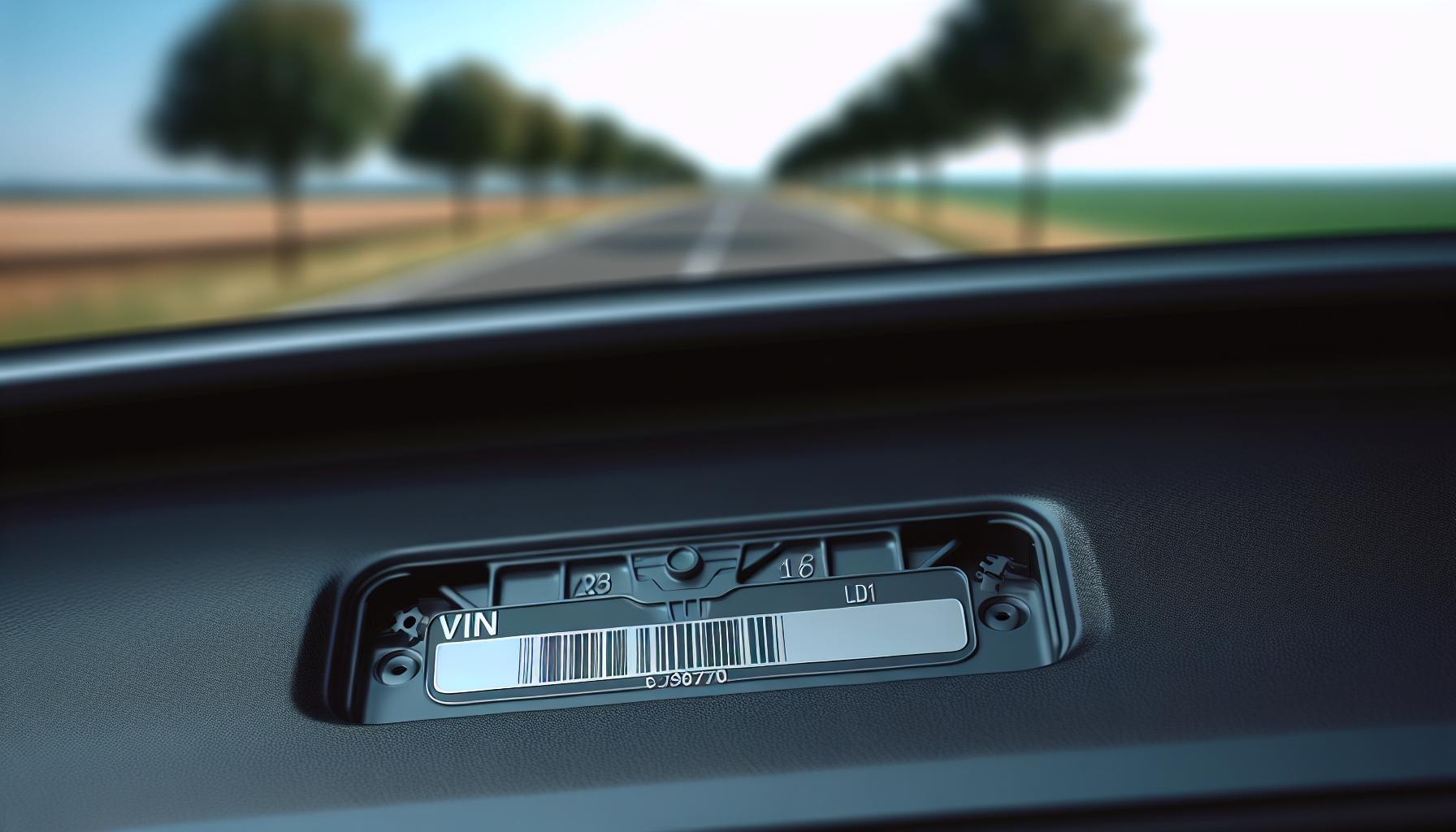
German VIN Number Basics: Understanding the Structure
The German Vehicle Identification Number (VIN) is a crucial component for identifying and tracking vehicles throughout their lifecycle. Comprised of 17 characters, this alphanumeric code contains important information about a vehicle’s make, model, year, and place of manufacture. Unlike some other countries, the structure of German VINs aligns with international standards, providing a consistent framework that enhances vehicle tracking and registration.
One of the key features of a German VIN is its sectional division, which simplifies the decoding process. The first three characters, known as the World Manufacturer Identifier (WMI), designate the manufacturer and the country of origin. For example, if the VIN begins with “WVW,” it indicates that the vehicle is manufactured by Volkswagen in Germany. Following the WMI, the fourth to eighth characters detail the vehicle’s attributes, such as body style and engine type. The ninth character serves as a check digit, ensuring the VIN is valid, while the tenth indicates the model year. Finally, the last six characters represent the unique serial number for that specific vehicle.
When examining a German VIN, it’s essential to be aware of its format’s implications on vehicle history. Each segment informs potential buyers about the vehicle’s specific configuration and can be instrumental in verifying its authenticity. For example, discrepancies in the WMI might suggest that the vehicle is not what it claims to be. Thus, understanding this structure doesn’t just help in decoding the VIN; it empowers car buyers to make informed decisions, revealing potential issues surrounding a vehicle’s history.
To summarize, a well-understood VIN provides a wealth of information. By familiarizing yourself with its structure, you can enhance your vehicle knowledge, facilitating transparency and informed choices in car ownership and purchasing.
What You Can Learn from a VIN
Understanding the details behind a Vehicle Identification Number (VIN) can significantly enhance your experience as a car buyer or owner. Each alphanumeric character in the German VIN serves a distinct purpose, revealing essential information about the vehicle’s make, model, and history. By leveraging this knowledge, you can make better purchasing decisions and ensure greater transparency throughout the ownership journey.
The first section of the VIN provides valuable insights. The initial three characters represent the World Manufacturer Identifier (WMI), which pinpoints both the manufacturer and the country of origin. For instance, a VIN starting with “B” signifies a BMW manufactured in Germany, while a “W” indicates Volkswagen. The next group of characters, from four to eight, delves into specific vehicle attributes, which include details like body style, engine type, and model configuration. These features are crucial not only for identification purposes but also for verifying whether the vehicle matches its description in ads.
Another critical aspect of the VIN is the ninth character, known as the check digit, which confirms the VIN’s accuracy through a mathematical formula. Following that, the tenth character signals the model year, while the last six characters form a unique serial number for the vehicle. This arrangement allows you to differentiate even between identical models produced in the same year-an essential factor when considering resale value and verifying the car’s authenticity.
To effectively use this information, potential car buyers should always check the VIN before finalizing a purchase. Resources like online VIN decoders can help you extract comprehensive vehicle specifications quickly. Always cross-reference the details obtained through decoding with the vehicle’s physical characteristics. By doing so, you’ll avoid common pitfalls, such as purchasing a vehicle with undisclosed damages or a misrepresented history. Armed with this VIN knowledge, you can confidently navigate the complexities of vehicle ownership and ensure a safe investment in your automotive future.
How to Locate Your Vehicle VIN Quickly
Finding your vehicle’s VIN can be straightforward if you know where to look. This unique identifier is typically located in several easily accessible places. For most vehicles, the most common locations include the lower corner of the driver’s side windshield, where it can often be seen from outside the car. Additionally, you can usually find a sticker or plate containing the VIN on the driver’s side door frame or inside the driver’s side door jamb. This hidden location not only keeps the VIN protected from damage but also makes it simple for law enforcement and auto technicians to check when needed.
For those who prefer digital methods, you can also find the VIN in the vehicle’s registration documents or title. This is particularly useful if you’re unsure of where to check on the vehicle itself. Moreover, many manufacturers provide online resources or apps that allow you to access your vehicle’s details, including the VIN, using your license plate number or other identifying information. It’s worth noting that maintaining a record of your VIN in a secure location can save you time in the future, especially if you need to reference it for repairs or insurance purposes.
Brand-Specific VIN Locations
Different manufacturers may have specific suggestions regarding VIN location. Here are examples for commonly seen brands:
- BMW: Look at the passenger side of the windshield and the driver’s door jamb.
- Volkswagen: The VIN can be found on the lower left corner of the windshield and the driver’s door latch.
- Audi: Check the driver’s side door frame and beneath the windshield.
- Mercedes-Benz: Look for the VIN on the driver’s side door pillar and inside the engine bay.
Knowing the exact location of your VIN simplifies the process of decoding your vehicle’s specifics and history. It empowers you as a car owner, enhancing your confidence when making decisions about purchases, repairs, or insurance. Always ensure that you check this vital information in advance, so you’re prepared to act when necessary.
Decoding VIN: Step-by-Step Guide
Decoding a German VIN (Vehicle Identification Number) may seem daunting at first, but with a systematic approach, you can easily unfold the story of your vehicle. Each VIN is a unique 17-character code that holds vital information about the vehicle’s manufacturer, specifications, and even its history. Understanding how to interpret this alphanumeric sequence can empower you in making informed decisions regarding maintenance, purchases, or resale.
Start by examining the first three characters of the VIN known as the World Manufacturer Identifier (WMI). These characters signify the manufacturer and country of origin. For instance, a WMI beginning with “WVW” indicates a Volkswagen manufactured in Germany. The next six characters represent the Vehicle Descriptor Section (VDS), detailing the vehicle’s model, body style, engine type, and more. Knowing the specifics-like engine capacity and safety features-helps buyers understand what they’re getting.
The last eight characters make up the Vehicle Identifier Section (VIS), which provides information specific to the individual vehicle production, including the model year and the production sequence number. The 10th character typically represents the model year; for example, if it’s a “B,” it indicates a 1981 model if it’s the 1981 manufacturing year. This section allows you to verify the car’s age and ensure it matches the seller’s claims.
To decode your VIN, you can use various online VIN decoder tools, which simplify the process significantly. Many manufacturers offer their own decoding services on their websites, providing detailed information based on the VIN. Just enter your VIN into these tools, and you’ll receive a comprehensive report that breaks down all those complex characters into readable and actionable insights.
In conclusion, knowing how to decode a German VIN not only enhances your understanding of your vehicle but also supports wise purchasing decisions. This essential skill allows you to confidently navigate the used car market and ensure that any vehicle you’re considering meets your needs and expectations. Remember, whether you are a seasoned car enthusiast or a first-time buyer, mastering VIN decoding is an invaluable part of vehicle ownership and management.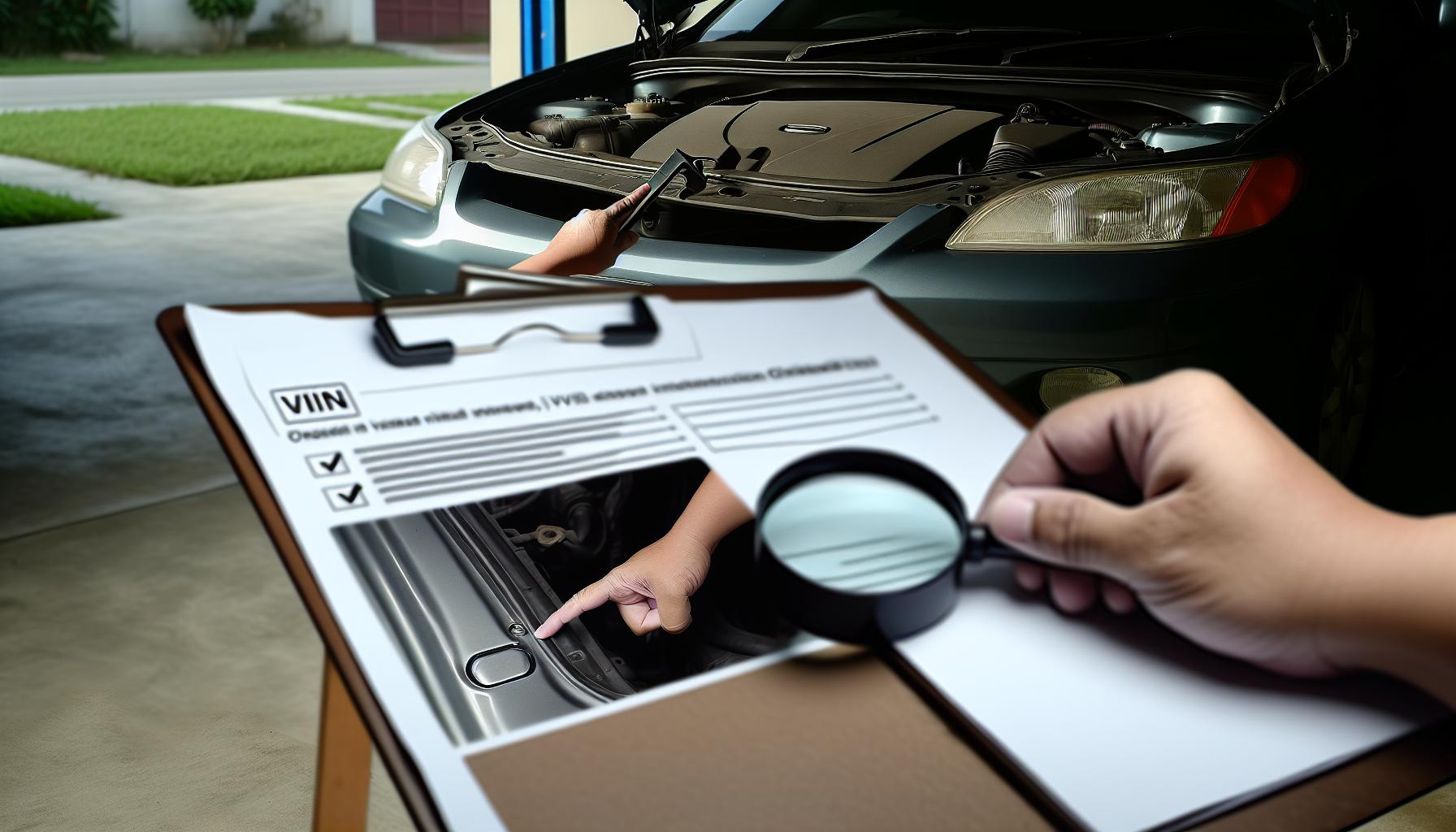
Common Misconceptions about VINs
Many vehicle owners assume that the Vehicle Identification Number (VIN) serves a single purpose, often focusing solely on registration or vehicle history. However, this unique 17-character code has a myriad of functions and insights that can mislead those unfamiliar with its intricate structure. Understanding these misconceptions can greatly enhance your knowledge and confidence in using the VIN effectively.
A prevalent myth is that all VINs are universally formatted. While it’s true there’s a standard of 17 characters for most vehicles, the arrangement and meaning of each character can vary significantly between manufacturers and regions. For example, German vehicles may utilize specific codes not found in vehicles from other regions, reflecting local standards and regulations. When decoding a German VIN, it’s essential to recognize that the first three characters, known as the World Manufacturer Identifier (WMI), not only identify the manufacturer’s name but also the country of production, thus distinguishing it from other global formats.
Another common misconception is that the VIN provides exhaustive information about the vehicle’s history. While it can reveal details like the make, model, engine type, and place of manufacture, it does not inherently include information on the car’s service history, accidents, or repairs. For this, owners typically need to consult vehicle history reports, which compile data from multiple sources beyond just the VIN. Therefore, while the VIN is a vital starting point, it should be treated as part of a broader investigation into a vehicle’s past.
Lastly, many believe that simply checking the VIN will suffice for a complete picture of the vehicle’s worth and condition. VIN decoding is indeed useful, but savvy buyers go further by engaging with specialty VIN decoder tools. These resources can provide nuanced insights, such as safety recalls or warranty information, which are critical when making informed purchasing decisions. Brand-specific tools often yield the richest data, so familiarize yourself with the appropriate options for the manufacturer you’re investigating.
Understanding these misconceptions empowers vehicle owners and prospective buyers to approach VINs with enhanced clarity. By demystifying the complexities of the VIN and leveraging the right tools and knowledge, you can confidently navigate the intricacies of vehicle ownership and make sound, informed choices.
Popular VIN Decoder Tools and Resources
In the world of automotive ownership, having the right tools at your disposal can make a significant difference in understanding your vehicle’s background. When it comes to decoding VINs, especially for German vehicles, several popular decoder tools stand out, each offering unique features that cater to both casual owners and serious enthusiasts. These resources can streamline your VIN analysis process and provide insights that enhance your ownership experience.
Key VIN Decoder Tools
Several online tools allow you to enter your VIN and receive detailed reports about your vehicle. Here are a few worth exploring:
- VINCheck.info: This free tool offers basic vehicle information, including make, model, and year. It’s user-friendly and ideal for quick checks.
- Carfax: While primarily known for its extensive vehicle history reports, Carfax also provides VIN decoding services that can reveal significant details like previous ownership and reported accidents-essential for potential buyers.
- NHTSA VIN Lookup: Managed by the National Highway Traffic Safety Administration, this tool is excellent for checking recall status and safety ratings. It’s especially useful for ensuring your German vehicle adheres to safety standards.
- Bavarian Auto Sport: Targeted at BMW owners, this platform provides specific decoder services for BMW VINs, offering insights into features and options specific to each model.
Using VIN Decoders Effectively
To get the most out of these tools, follow these simple steps:
- Input the VIN: Locate your vehicle’s VIN, usually found on the dashboard or the driver’s side door frame. Enter it into the VIN decoder of your choice.
- Analyze the Results: Review the data provided. Look for the WMI and other identifiers that indicate where your vehicle was manufactured and its specifications.
- Check Additional Resources: For comprehensive insights, consider obtaining a vehicle history report from sources like Carfax or AutoCheck. This can provide context beyond what the VIN alone reveals.
Utilizing these tools not only demystifies the complexities of your German VIN but also equips you with the necessary knowledge to make informed decisions about your vehicle. Whether you’re checking the authenticity of a used car or seeking details about manufacturer recalls, these resources can empower you with clarity and confidence in your automotive journey.
Comparing VIN Decoding Across European Brands
In the realm of automotive ownership, understanding the nuances of various European brands’ Vehicle Identification Numbers (VINs) can be essential. Each manufacturer implements unique codes within their VINs, which reveal a wealth of information about the vehicle’s origin, specifications, and history. For prospective buyers and enthusiasts alike, knowing how to decode these numbers not only fosters confidence in buying decisions but can also protect against potential fraud.
European manufacturers tend to follow similar VIN structuring principles outlined by the ISO 3779 standard, yet each brand includes distinct identifiers. For instance, German brands like BMW and Audi include specific character sequences within their VINs that can denote model types and features. In contrast, Italian brands such as Ferrari include codes that can help enthusiasts trace production numbers or even rare features unique to a particular model year. It’s worth noting that while German VINs typically consist of 17 characters, the distribution of letters and numbers and their meanings can greatly vary, making brand-specific VIN decoding crucial.
For practical purposes, let’s take a look at what you can typically expect when decoding a VIN across different brands. For instance, Audi’s VIN may begin with “WAU” while BMWs start with “WBA.” This initial section, known as the World Manufacturer Identifier (WMI), indicates the producer. Following this, the subsequent characters usually detail specific vehicle attributes, including the model, body style, and engine type. On platforms like VINCheck.info or specialized BMW decoder sites, merely inputting your VIN unlocks comprehensive reports portraying these details.
When it comes to French brands, such as Peugeot and Renault, their VINs may follow slightly different patterns but typically offer substantial information in the latter half. For example, the last eight characters often include vital manufacturing details and may even help determine factory installations. Therefore, utilizing tools specific to the brand you’re interested in, such as the Peugeot VIN decoder, can give you a precise overview that generic tools might overlook.
Understanding the distinctions in VIN decoding across European brands not only highlights the complexity involved but also empowers you with the knowledge needed to make informed decisions. Each VIN tells a story; by unlocking that narrative, you gain insight not only into the vehicle’s journey but also into its value and authenticity in the marketplace.
The Importance of VIN for Vehicle History Reports
Understanding a vehicle’s history is critical when purchasing a used car, and the Vehicle Identification Number (VIN) plays a key role in this process. The VIN serves as the vehicle’s unique fingerprint, providing essential information about its past. By decoding the VIN, prospective buyers can gain insights into crucial factors such as accidents, previous ownership, odometer readings, and even recalls. This information not only helps verify the authenticity of the seller’s claims but also reveals any hidden issues that could lead to costly repairs or complications down the road.
To leverage the VIN effectively, a vehicle history report can be obtained from various online services. These reports aggregate data from multiple sources, including insurance companies, salvage yards, and law enforcement agencies, to compile a comprehensive history. For example, services like Carfax or AutoCheck use the VIN to provide detailed reports that may include:
- Records of accidents and damages
- Title status (salvage, rebuilt, etc.)
- Service history and maintenance records
- Previous owners and registration changes
Having this information allows buyers to negotiate better or decide against a purchase if significant issues are uncovered. For instance, if a German brand such as BMW or Audi shows a history of major accidents or consistent repair issues, it could be a red flag.
No matter if you’re considering a sleek Mercedes-Benz or a practical Volkswagen, checking the VIN against these databases is an indispensable step in the buying process. Additionally, remember that the VIN can also inform you about manufacturer recalls. If a particular model has unresolved safety issues, knowing this beforehand helps you avoid potential hazards and liabilities. Always take the time to decode the VIN and obtain a vehicle history report; it is a small investment of time that can save you from significant financial regret later.
Customization: Finding Specialty Codes in VINs
Finding specialty codes in your vehicle’s VIN can unveil a wealth of information specific to your car’s make and model. Each character in the VIN corresponds to particular details about the vehicle, ranging from manufacturing data to special features and options. For instance, many German automotive brands encode critical identifiers like engine types, transmission configurations, and even trim levels in this seemingly random assortment of letters and numbers. This level of detail allows buyers and owners to understand precisely what was included in the vehicle at the time of manufacture, helping them appreciate their car’s value or troubleshoot issues later.
To locate these specialty codes, begin by examining the VIN itself, typically found on the driver’s side dashboard or on the driver’s side door jamb. Once you have the VIN, the next step is to utilize reputable VIN decoding tools. Various online resources and apps can interpret these codes for you. The decoding tools not only translate what each character signifies but often provide additional context, such as color codes and equipment packages. Some of the more comprehensive services even integrate with car history reports, offering a holistic view of the vehicle’s specifications alongside its service and accident history.
German manufacturers like BMW, Audi, and Mercedes-Benz often have additional codes embedded in the VIN that denote factory-installed options. For example, if you find an option code alongside the VIN that indicates a special sound system or performance package, it may affect your car’s resale value or inform you about maintenance needs. Knowing how to identify these codes not only empowers you as an owner but can also provide leverage in negotiations should you decide to sell or trade in your vehicle in the future.
As you dive into the details, remember that while the VIN holds valuable insights, the accuracy and clarity of the information depend on using reliable decoding sources. A misinterpretation could lead to misunderstandings about your vehicle’s capabilities or features. Therefore, take the time to cross-reference multiple sources and consider consulting forums or experts specialized in your vehicle brand for the most precise insights. This knowledge can transform how you understand and interact with your vehicle, ensuring you make informed decisions whether you’re purchasing, maintaining, or selling your car.
Understanding Regional Codes in European VINs
Understanding the intricacies of regional codes within European VINs (Vehicle Identification Numbers) can significantly enhance your vehicle ownership experience. Each character or group of characters in the VIN provides insights not only into the vehicle’s specifications but also its market or regulatory compliance depending on the region where it was manufactured or sold. Factors such as safety standards, emission regulations, and even insurance considerations can vary by country, and regional coding helps track this vital information.
In the case of German vehicles, the first section of the VIN, known as the WMI (World Manufacturer Identifier), plays a critical role in identifying the manufacturer and the country of origin. For instance, a WMI that begins with “W” indicates a German manufacturer, such as BMW or Volkswagen. As you delve deeper, the VIN also includes region-specific codes that can provide information about the vehicle’s manufacturing location within Germany, as well as production year and month. This level of detail is instrumental for car buyers and owners alike, especially when it comes to ensuring you’re getting a vehicle compliant with local laws and standards.
When interpreting these codes, consider using reputable VIN decoding tools or resources that offer visual aids. Many vehicle manufacturers also provide their own decoding services, where inputting your VIN reveals detailed specifications, including regional codes relevant to your vehicle. Additionally, understanding these codes can help in situations where modifications to a vehicle may affect its eligibility for insurance or resale values based on local laws.
For practical use, here are some tips on decoding regional codes in your vehicle’s VIN:
- Locate the VIN: Commonly found on the driver’s side dashboard or the door jamb.
- Use trusted resources: Obtain decoding tools or databases specific to your brand, such as those provided by the manufacturer.
- Cross-reference: Check multiple sources to validate the information, particularly when considering a purchase.
By familiarizing yourself with regional VIN codes, you’ll not only enhance your own vehicular knowledge but also make more informed decisions, whether you’re buying, maintaining, or selling your vehicle.
Essential Tips for Car Buyers: VIN Checks
Ensuring the integrity and history of a vehicle is crucial for any car buyer, and one of the most effective tools at your disposal is the Vehicle Identification Number (VIN). This unique 17-character code contains detailed information about your vehicle, ranging from its manufacturer and production year to whether it has been involved in major accidents. By performing a comprehensive VIN check before purchasing or committing to a vehicle, you can potentially save yourself from costly mistakes and disappointments.
To conduct an effective VIN check, first, locate your vehicle’s VIN. It’s typically found in several places: on the dashboard near the windshield, inside the driver’s side door jamb, or on vehicle documents such as the registration and title. Knowing the VIN’s location is the starting point in your due diligence. Once you have the VIN, the next step is to utilize a trusted VIN decoder or vehicle history report service. Websites like Carfax or AutoCheck are well-known resources that can provide a detailed history, including title records, service history, and any reported accidents.
Always cross-reference the information you obtain from different sources. For example, if a report indicates a clean history but seems unusually cheap, it may warrant further investigation. Be aware that some companies focus on specific brands or regional nuances, so using a brand-specific decoder can yield more tailored insights, especially for German vehicles where the nuances of VIN decoding can be quite complex.
In addition to checking for accidents or recalls, pay attention to the specific details that the VIN reveals, such as the WMI (World Manufacturer Identifier), engine specifications, and manufacturing location. This knowledge can help you assess the authenticity of the vehicle and whether any aftermarket modifications align with the seller’s claims. By being thorough in your VIN checks, you empower yourself to make informed decisions that safeguard your investment.
Decoding VINs: Common Errors and How to Avoid Them
Decoding a Vehicle Identification Number (VIN) can sometimes feel like navigating a labyrinth, especially for first-time car buyers. Common mistakes can lead to misinformation and potentially costly decisions. One frequent error is misreading characters. For instance, the numbers “0” (zero) and “O” (capital letter O) often confuse people, as do “1” (one) and “I” (capital letter i). Always refer to a clear image of your VIN and be cautious of what you input into decoder tools to prevent misinterpretations.
Another common pitfall is overlooking the brand-specific nuances in VIN structure. Each manufacturer may have distinct coding systems within their VINs that reveal critical information about the vehicle, such as the model, trim level, and production year. For example, in German vehicles, the WMI (World Manufacturer Identifier), which is comprised of the first three characters of the VIN, is essential for identifying the origin. Therefore, using a generic decoder tool may not provide you with all pertinent details. Familiarizing yourself with the basics of your vehicle’s make can provide insights into what each section of your VIN signifies.
Performing a thorough check requires more than just entering a VIN into an online tool; validating the report against the vehicle’s physical condition is just as important. Common errors arise when buyers neglect to cross-reference findings with the car they’re inspecting. If a report claims the vehicle has never been in an accident but the body shows signs of repair, it’s time to probe further. This emphasizes the necessity of combining digital tools with hands-on examination-ensuring the narrative the VIN tells aligns with the vehicle’s history and condition.
Lastly, security measures, such as looking for signs of tampering on the VIN plate itself, are crucial. If the VIN appears altered or doesn’t match the documents you received, this could indicate a deeper issue. Always approach VIN decoding and vehicle assessments with a healthy skepticism; vigilance can protect you from deceptive practices and ensure you make a well-informed choice.
Q&A
Q: What information can I find in a German VIN number?
A: A German VIN number reveals vital details about the vehicle, including the manufacturer, make and model, year of manufacture, engine type, and where it was built. By decoding the VIN, you can assess the vehicle’s specifications and history, aiding in informed purchase decisions.
Q: How do I decode a German VIN for free?
A: You can decode a German VIN for free by using online VIN decoder tools such as VINCheck or DMV VIN decoder. Simply enter the VIN to receive detailed information regarding the vehicle’s specifications and history, including recalls and ownership records.
Q: Why is decoding a German VIN important before buying a car?
A: Decoding a German VIN before purchase is crucial as it helps identify the vehicle’s history, authenticity, and any potential issues. This information can protect you from purchasing stolen or damaged vehicles, making it an essential step in the car buying process.
Q: Where can I find my German VIN number on the vehicle?
A: You can typically find your German VIN number on the vehicle’s dashboard near the windshield, on the driver’s side door jamb, or inside the owner’s manual. It’s usually a 17-character string combining letters and numbers that provides detailed vehicle information.
Q: What common errors should I watch for when decoding a VIN?
A: Common errors when decoding a VIN include mistaking the letter “O” for zero and “I” for one. Always double-check the characters and ensure you’re using a reliable decoder tool. Reference manufacturer-specific guidelines for accurate decoding practices.
Q: When should I use a professional VIN decoder service?
A: Consider using a professional VIN decoder service when needing comprehensive details, including vehicle history reports that cover accidents, service records, or title issues. These detailed reports are particularly useful for high-value or used vehicles.
Q: Can I verify the authenticity of a German VIN?
A: Yes, you can verify the authenticity of a German VIN by cross-referencing it with official registration databases or using a vehicle history service that checks against national records. This will confirm if the VIN matches the vehicle’s designation and history.
Q: How do regional codes affect my German VIN?
A: Regional codes impact the specifications outlined in your German VIN, indicating where the vehicle was manufactured or sold. Understanding these codes can provide insight into safety and environmental standards applicable to your vehicle based on its origin.
To Conclude
Decoding your German VIN is just the beginning of understanding your vehicle’s history and unlocking its full potential. Whether you’re preparing for a purchase or simply wish to know more about your current ride, having access to accurate VIN information empowers you to make informed decisions. Don’t forget, using reliable VIN decoder tools can reveal crucial details like the car’s manufacturer, year, and safety recalls.
Ready to dive deeper? Explore our articles on “How to Spot Salvage Titles” and “Understanding Vehicle History Reports” to further enhance your vehicle knowledge. If you’re considering a car purchase or need help with VIN-related queries, sign up for our newsletter for expert tips delivered straight to your inbox, or check out our consultation services for personalized assistance.
Your journey to automotive clarity doesn’t have to end here. Engage with us by leaving a comment below or sharing your experiences. Let’s keep the conversation going and empower each other on the road ahead!