Did you know that your Volkswagen’s Vehicle Identification Number (VIN) is like a fingerprint, revealing vital details about your car’s history and specifications? Decoding your VW’s VIN is not just a technical task-it’s essential for making informed decisions when buying, selling, or maintaining your vehicle. From identifying the factory options to uncovering the model year and place of manufacture, each digit tells a story. This guide will empower you to quickly access and understand these hidden details, ensuring you’re well-equipped with knowledge about your car. Whether you’re a seasoned enthusiast or a new owner, mastering your VW’s VIN opens the door to greater transparency and confidence in your vehicle’s ownership journey. Ready to dive in and unlock what your VIN can reveal? Let’s get started!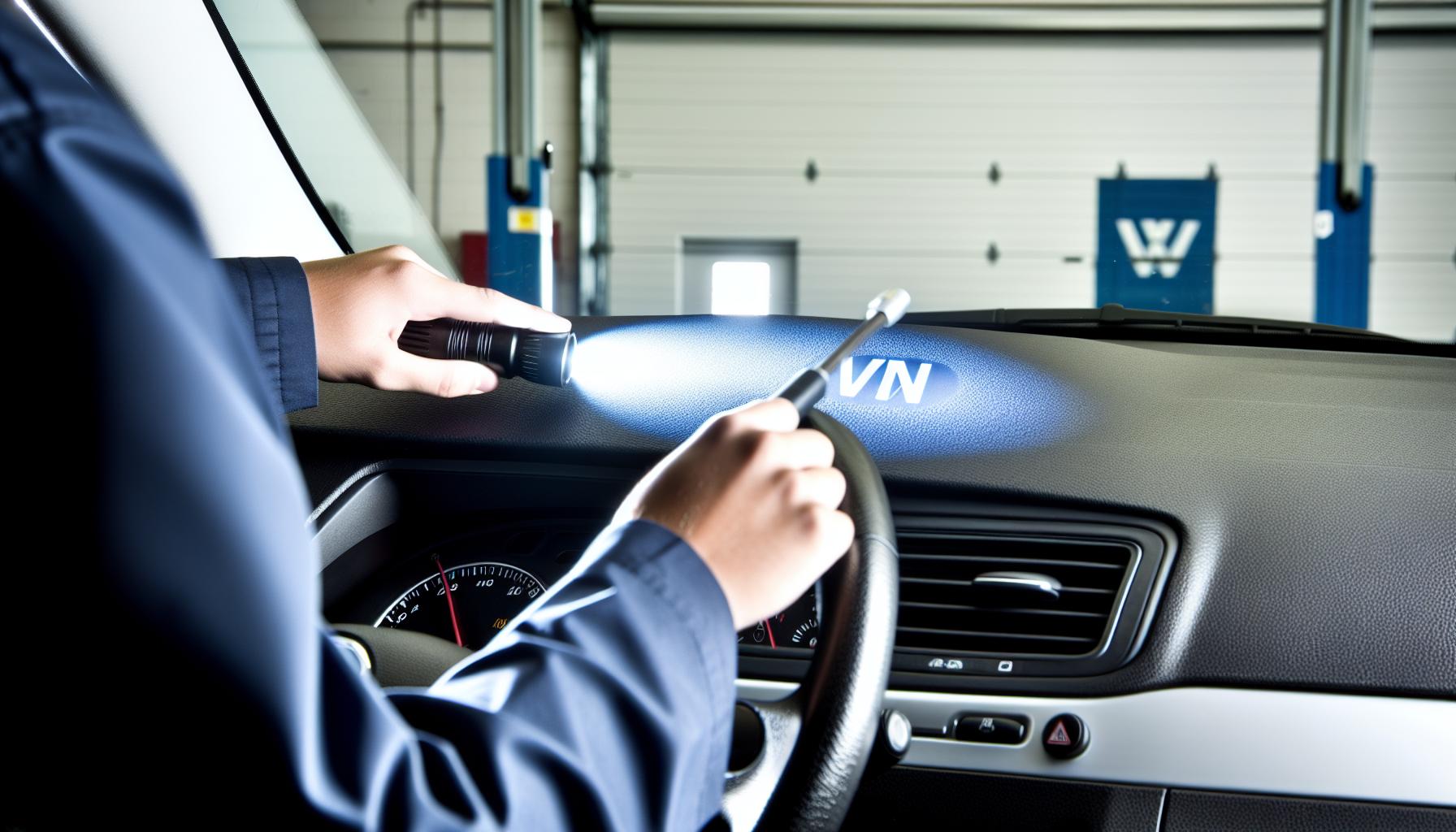
Understanding Your Volkswagen VIN: A Quick Overview
Every Volkswagen vehicle is assigned a unique Vehicle Identification Number (VIN), which serves as its fingerprint in the automotive world. This 17-character code provides more than just identification; it encompasses vital information about the car’s origin, make, model, year of manufacture, and even specifications such as engine type. Understanding your VW’s VIN is crucial for numerous reasons including vehicle history checks, insurance purposes, and maintenance records.
To locate your Volkswagen’s VIN, start by looking at the lower corner of the windshield on the driver’s side. Additionally, you can find it on the driver’s door jamb or in your vehicle registration documents and insurance card. If you ever need to reference or decode specific details, online tools can simplify the process, allowing you to input the VIN and unlock a wealth of information about your vehicle’s history and specifications.
Decoding the VIN is not just about understanding its characters; it offers insights into various aspects of your vehicle. The first three characters indicate the World Manufacturer Identifier (WMI), which pinpoints the manufacturer, while the subsequent sections detail the vehicle’s attributes like the model, body style, and engine type. Being familiar with these elements can empower you to make informed decisions, whether you’re considering purchasing a used vehicle, looking to order the right parts, or simply aiming to know more about your own car.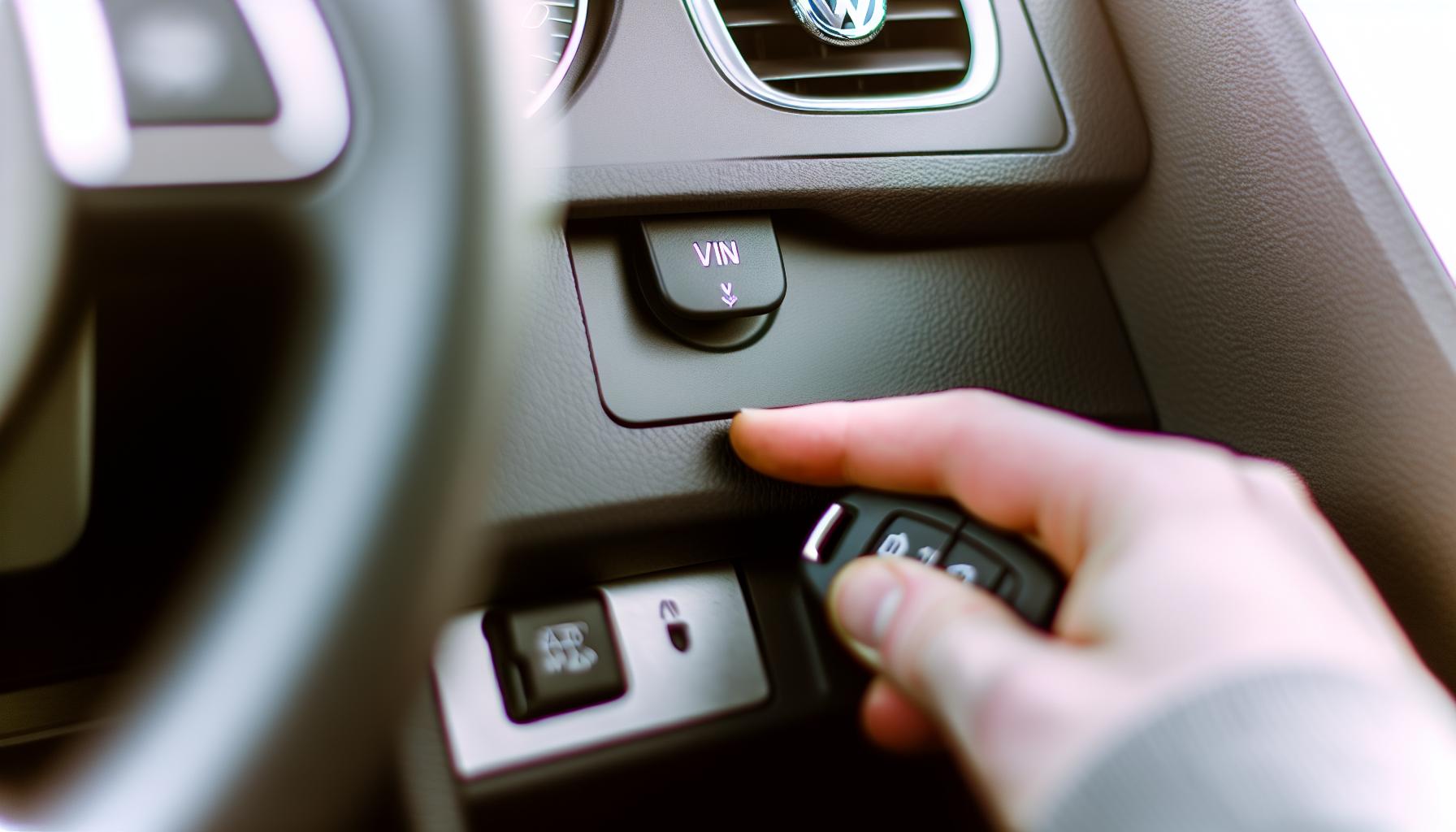
How to Locate Your VW’s VIN in Minutes
Finding your Volkswagen’s VIN (Vehicle Identification Number) quickly can save you time and help you make better vehicle-related decisions. This 17-digit code is not only essential for identifying your vehicle but also unlocking vital information about its history, specifications, and features. Knowing where to look is the first step towards demystifying your car’s identity.
To locate your VW’s VIN in just a few minutes, start by checking the lower corner of the windshield on the driver’s side. This spot is easily accessible and allows you to see the VIN from outside the vehicle. For additional verification, you can also look at the driver’s side door jamb, where a sticker or metal plate usually displays the VIN alongside other details like the manufacturing date and tire information. Additionally, your VIN can be found on important documents such as your vehicle registration, insurance policy, and the title. Keeping a personal record of this information is not just practical; it’s crucial for any future transactions involving your vehicle.
Another convenient way to locate your VIN is by utilizing mobile apps or online tools. Simply input your vehicle’s details, and many platforms will provide not only your VIN but also decode it to reveal more about your car’s specifications. Websites like the Volkswagen owner’s manual page make this process even smoother, hosting a wealth of resources at your fingertips[[1]](https://www.vw.com/en/owners-and-services/about-my-vehicle/owners-manual.html). Whether you are new to car ownership or simply verifying your vehicle’s authenticity, knowing how to efficiently locate and decode your VIN will enhance your understanding and confidence as a car owner.
Decoding the Secret Code: What Each Section Means
Understanding the structure of your Volkswagen’s VIN (Vehicle Identification Number) can unlock a treasure trove of information about your vehicle. Each of the 17 characters in the VIN serves a specific purpose, providing details about the car’s origin, features, and specifications. This alphanumeric code operates like a fingerprint for your vehicle, distinctly identifying it from any others on the road.
To decode this intricate code, it’s helpful to break it down into sections. The first three characters represent the World Manufacturer Identifier (WMI), which indicates the manufacturer and the country where the vehicle was produced. For instance, “WVW” signifies a Volkswagen manufactured in Germany. The next set of characters from the fourth to the eighth positions serves as the Vehicle Descriptor Section (VDS), detailing information such as the model, body type, and engine specification. For example, ‘1M8’ might indicate a specific model variant and its associated features.
The ninth character holds significant importance as it acts as a check digit. This digit validates the authenticity of the VIN through a mathematical formula, ensuring that the VIN is not just a random string of numbers. The following characters ten and eleven specify the model year and the plant where the vehicle was assembled, giving insight into its production timeline. The final six characters are the Vehicle Identifier Section (VIS) and are unique to each vehicle, essentially providing its production sequence number.
Utilizing this decoding information can empower vehicle owners in various ways. When purchasing a used Volkswagen, understanding the VIN can help verify the vehicle’s history, check for recalls, and ensure that all specifications match what is advertised. Numerous online tools are available to simplify this process-just input your VIN, and you’ll receive a detailed report on your car’s specifications and features. This information not only guides buying decisions but can also aid in planning future upgrades or modifications to ensure compatibility with your VW.
By grasping what each section of the VIN represents, you can make informed decisions, enhance your vehicle ownership experience, and navigate the complexities of car specifications with confidence.
The Importance of VINs in Vehicle History Reports
The Vehicle Identification Number (VIN) serves as a crucial tool for anyone looking to understand the history and integrity of a vehicle. When researching a used Volkswagen, a VIN unlocks a wealth of information that can reveal everything from previous ownership to accident history and more. By simply entering this unique alphanumeric code into vehicle history report services, prospective buyers can access detailed reports outlining a car’s past, enhancing their confidence in making informed purchasing decisions.
Why VINs Matter in Vehicle History Reports
Using a VIN in a vehicle history report is essential for several reasons. First and foremost, it allows individuals to check for accidents and damages. Reports often include details about any past accidents, providing information about the severity and any reported damages. Additionally, it reveals title issues such as salvage titles, which can indicate problematic histories. For example, if you’re considering a used Volkswagen that has had a serious accident but was repaired, understanding this history can prevent future headaches related to disclosure or insurance issues.
Using your VIN also helps to uncover service records and maintenance history. This information can confirm if regular upkeep has been performed, which is vital for maintaining a vehicle’s performance and value over time. Those reports can highlight whether key maintenance milestones-like timing belt replacements or recalls-were completed, which can directly influence your ownership experience.
Accessing Your Vehicle History Report
To obtain a detailed vehicle history report, you can utilize various online resources. Here’s how to quickly get started:
- Go to a reputable vehicle history report website, such as J.D. Power or any other service you trust.
- Input your Volkswagen’s VIN in the provided field.
- Click on the check button to generate the report.
This straightforward process gives you peace of mind and equips you with the knowledge needed to make smart buying decisions. Without this critical data, it’s easy to overlook potential red flags that could lead to costly repairs or regrets down the road.
Understanding can empower you as a buyer. With the knowledge of what a VIN can unveil, you can approach used car purchases with greater insight and assurance, ensuring that you choose a Volkswagen that meets your expectations and investment goals.
Uncovering Hidden Features: Options and Packages
By utilizing your Volkswagen’s VIN, you can discover a wealth of hidden features and options that are uniquely specific to your vehicle model. Every VW VIN consists of 17 characters that provide insight into various aspects such as the model, engine type, trim level, and even dealer-installed options. Understanding this coded information can not only enhance your ownership experience but also empower you during resale, providing interesting details that may appeal to prospective buyers.
One of the most valuable uses of a VIN decoder is to identify the specific packages and options that came with your vehicle from the factory. For example, if you own a Volkswagen Golf, entering your VIN into a reliable decoder can reveal if your car features the Technology Package, which includes adaptive cruise control and lane assist, or premium sound systems like the Fender audio setup. This level of detail can be particularly advantageous when negotiating with buyers or when shopping for compatible parts or upgrades, ensuring you choose enhancements that suit your existing configurations.
How to Decode Your VW’s Hidden Details
To unlock these features, simply visit an online VIN decoding tool, such as those offered on reputable sites like Volkswagen Forum or VINDecoderz. There, you can enter your VIN number to generate a comprehensive report that lists all the original features and options, streamlining your research for parts compatibility or upgrades.
These reports not only list factory options but also highlight features that can enhance your vehicle’s functionality or style, such as special paint colors or wheel designs. By knowing what your Volkswagen originally had, you can make informed decisions about restoring its aesthetic or performance, giving it the best possible upgrade path.
Whether you’re detailing a car for sale or aiming to understand better what you already own, leveraging your VIN to uncover these hidden specifications is an essential step for any informed VW owner. The insights gained through this process can lead to smarter investment decisions and a more enjoyable driving experience.
Using Online Tools for Fast VIN Decoding
Unlocking the potential of your Volkswagen’s VIN is easier than ever, thanks to the vast array of online tools designed for fast VIN decoding. With just a few clicks, you can access detailed information about your vehicle, from its original factory specifications to any optional packages that may have been included. This quick access to information empowers you as a car owner, ensuring that you are well-informed about your vehicle’s features and capabilities.
To get started, visit popular and reputable VIN decoder websites like Volkswagen Forum or VINDecoderz. These platforms are designed to be user-friendly. Simply input your 17-character VIN in the search field and hit the “decode” button. Within moments, you’ll receive a report detailing essential aspects such as your Volkswagen’s model year, color options, trim levels, and specific features like the available safety packages or infotainment upgrades. This information is crucial for anyone looking to optimize their vehicle’s performance or resale value.
When you use these online tools, keep in mind that the results can vary depending on the database they access. Some decoders provide extensive detail about recall history and previous ownership, which can be invaluable for prospective buyers. To make the most out of your VIN decoding experience, cross-reference the information obtained from multiple sources. This practice not only confirms the accuracy of the data but also offers a broader view of your vehicle’s history and specifications.
By harnessing the power of these online VIN decoding tools, you can enhance your ownership experience significantly. Whether you’re looking to buy, sell, or upgrade your Volkswagen, having a clear understanding of its features and history can lead to informed decisions, ultimately enhancing your satisfaction as a VW owner.
Common Misconceptions About VINs Explained
Many vehicle owners misunderstand what a VIN truly represents, leading to confusion about its practical usage. A Vehicle Identification Number (VIN) is not just a random assortment of characters; it’s a unique identifier that reveals critical information about your vehicle’s manufacture, model, and specifications. Unfortunately, some believe that knowing just the VIN is enough for all purposes, while in reality, what’s important is how to effectively utilize that information.
One common misconception is that a VIN can provide comprehensive service history or accident reports. While the VIN can unlock certain historical data, like recalls or original features, it does not automatically give you the complete picture of the vehicle’s past. To truly understand a vehicle’s condition, prospective buyers should request full vehicle history reports from reputable services. These reports can dig deeper into previous ownership, accident history, and service records, which can be vital before making a purchase decision.
Another frequent myth is the belief that all VIN decoders offer the same accurate information. In truth, the level of detail can vary significantly between different VIN decoding services. Some may provide basic information, such as model year and type, while others might highlight specific options and packages included during the vehicle’s manufacture. Accordingly, it is wise to cross-reference insights from multiple sources. By doing so, you can ensure that you’re receiving a holistic view of your vehicle, helping you avoid any potential surprises later on.
Finally, many think that VINs are only relevant for owners and sellers. In reality, VINs are crucial tools for all automotive enthusiasts, manufacturers, and even law enforcement. VINs play a significant role in recalls and safety campaigns, while also being essential for identifying stolen vehicles. Understanding the true importance of your vehicle’s VIN can empower you, providing clarity in ownership, resale, and maintenance conversations. Whether you are a buyer, a seller, or just a curious enthusiast, recognizing these misconceptions is the first step toward making informed decisions about your Volkswagen’s history and future.
How to Verify Authenticity and Avoid Scams
To navigate the complexities of automotive purchases, verifying the authenticity of a vehicle is paramount. With the rise of online sales platforms, potential buyers face increased risks of encountering scams or misrepresented vehicles. The Vehicle Identification Number (VIN) serves as your first line of defense against deception. This unique string of 17 characters contains critical information about your Volkswagen’s production details, ownership history, and accident records, making it essential for confirming a vehicle’s legitimacy.
Utilize online tools specifically designed for VIN decoding to unveil your Volkswagen’s hidden secrets. Websites such as Vindecoderz and Volkswagen Forum allow you to enter the VIN and receive comprehensive reports detailing everything from the model and year to factory specifications and packages. Always cross-reference this data with trusted sources to identify any discrepancies. For instance, if a seller claims that a car is a limited edition model, ensure that the VIN report supports this claim; if it doesn’t, consider it a red flag.
In addition to decoding the VIN, it’s wise to check the vehicle’s history using dedicated reporting services like Carfax or AutoCheck. These services can provide insight into past accidents, title issues, or even if the car has been reported stolen. Always request full documentation from the seller and compare it with the information revealed through the VIN; legitimate sellers should have no issue providing this evidence. If there’s a mismatch, it could indicate that the seller is attempting to defraud you.
When purchasing a used Volkswagen, an often-overlooked step is physically inspecting the VIN plate on the vehicle itself. Ensure that the VIN on the car matches the one on the documents provided by the seller. Be aware of any signs of tampering or alteration, such as scratches around the VIN plate or mismatched fonts. Following these steps will greatly minimize your chances of falling victim to a scam and help ensure that your purchase aligns with your expectations.
Troubleshooting VIN Decoding Issues: Tips and Tricks
Decoding the Vehicle Identification Number (VIN) can sometimes feel like solving a complex puzzle. When using online VIN decoders or attempting to verify vehicle details, issues may arise. Understanding how to troubleshoot these challenges can ensure you get the accurate information you need about your Volkswagen.
First, ensure that the VIN you’re entering is correct. A single character error can lead to entirely different results. Check for common mistakes such as confusing the letter “O” with the number “0” or “I” with “1”. If your VIN decoder repeatedly fails to recognize your vehicle, verify the source from which you’re pulling the VIN; it’s typically found on the dashboard, near the windshield on the driver’s side, or on the driver’s side door jamb. If you still encounter issues, try a different decoding tool, as some may have more comprehensive databases than others. Websites like JBugs offer specific insights related to VW models which can be more precise.
Another common problem is the decoding service returning incomplete or error-laden information. This can happen if the VIN corresponds to a vehicle that is rare or outside the service’s database. In such scenarios, consider utilizing multiple resources to cross-verify your VIN data. For example, you might find useful vehicle specifications or additional histories on platforms like Vindecoderz, which may fill gaps left by your initial search.
Lastly, if you hit a wall while interpreting the decoded data, don’t hesitate to take a step back and consult communities of Volkswagen enthusiasts. Online forums or dedicated groups can provide firsthand assistance and context that a simple lookup may not deliver. Remember, the goal of decoding your VIN is not just to understand the vehicle’s history but to ensure your investment is sound, so don’t compromise with partial or incorrect data. Taking these proactive steps can turn a frustrating decoding experience into a straightforward process, helping you unlock your VW’s hidden details more efficiently.
Keeping Your VIN Safe: Privacy Considerations
In today’s digital age, your Vehicle Identification Number (VIN) can be a powerful yet sensitive piece of information. Although it serves several essential functions, such as identifying your car for registrations, recalls, and insurance, it’s crucial to keep it safe from potential misuse. With the rise of online databases and VIN decoders, the convenience of accessing detailed vehicle information comes with certain privacy risks. Thus, it’s essential to understand how to protect your VIN to maintain your vehicle’s integrity and your personal security.
To keep your VIN safe, always be mindful of where you share it. Avoid posting images or details containing your VIN on public forums or social media platforms unless absolutely necessary. Even seemingly innocuous posts could attract unwanted attention from fraudsters. When using online VIN decoders or vehicle history check services, ensure that these platforms are reputable and secure. Look for websites that utilize HTTPS and verify that they have a trustworthy reputation through reviews and user feedback. If you use a service that requires you to sign up or create an account, check their privacy policies to ensure your data will be adequately protected.
Additionally, consider keeping your VIN document secure. If you have a printed copy of your vehicle’s registration or an insurance card displaying your VIN, store these documents in a safe place. While leaving your vehicle unattended, ensure that opaque window coverings and locked doors help shield the interior from prying eyes. Remember, tools like car covers can also deter opportunistic thieves from accessing your car’s vital details.
Ultimately, protecting your VIN not only safeguards your vehicle’s identity but also enhances your overall ownership experience. By being vigilant and using the necessary precautions, you can enjoy the benefits of VIN use without exposing yourself to unnecessary risks. Keeping your information secure promotes peace of mind as you explore or decode the fascinating specifics of your Volkswagen.
Upgrading Your VW: How VINs Affect Parts Compatibility
When it comes to upgrading your Volkswagen, your Vehicle Identification Number (VIN) serves as a crucial tool in determining compatible parts. Every VW is unique, and its VIN encodes a wealth of information about the vehicle, including the model, engine size, and manufacturing details. By utilizing this number, you can ensure that any upgrades or replacements you’re considering will fit perfectly with your vehicle’s specifications.
One of the most straightforward ways to verify part compatibility is by directly consulting your dealer or an online OEM parts store, where you can input your VIN. This immediate access to the factory database allows you to see which parts are designed specifically for your model. For instance, if you own a Volkswagen Golf and wish to upgrade your exhaust system, providing your VIN will help the parts supplier identify the correct components intended for your particular engine and model year. This proactive approach avoids the common pitfalls of mismatched or incompatible parts, which can lead to performance issues or costly repairs.
Moreover, understanding your VIN can also help you make informed decisions when looking for aftermarket parts. While many aftermarket options exist, not all are created equal. Using your VIN to cross-reference compatibility ensures that you’re choosing upgrades best suited for your vehicle’s specifications and performance requirements. Always keep in mind that certain modifications may affect your vehicle’s warranty; using OEM parts with your VIN as a reference often helps in maintaining that warranty.
In summary, leveraging your VIN when upgrading your Volkswagen is not just useful-it’s essential. By confirming part compatibility through your VIN, you safeguard your investment and enhance your vehicle’s performance, making every upgrade not only straightforward but also optimized for your specific model. Invest a little time in understanding your VIN, and you’ll empower yourself to make upgrades that elevate your driving experience.
The Future of VINs: Trends and Innovations in Automotive Tech
The landscape of Vehicle Identification Numbers (VINs) is evolving rapidly due to advancements in technology and the automotive industry’s shifting priorities. As vehicles become more connected and sophisticated, VINs serve as a crucial digital gateway, unlocking detailed vehicle histories and specifications in an instant. For instance, modern VIN decoders can now interface seamlessly with manufacturers’ databases to not only share basic details like model and engine type but also real-time data about vehicle recalls and past ownership, making it easier for potential buyers and current owners to make informed decisions.
Currently, many manufacturers, including Volkswagen, are integrating VINs into smart systems that enhance vehicle security and maintenance tracking. Imagine a scenario where your VW notifies you of necessary maintenance based on your real-time driving patterns or alerts you to potential issues detected by onboard diagnostics-all through your VIN. This integration not only increases convenience but also fosters a proactive approach to vehicle care, allowing drivers to address problems before they escalate.
Another exciting trend is the move towards blockchain technology, which promises significant advancements in VIN applications. By using blockchain, manufacturers can create an immutable record of each vehicle’s lifecycle-from production to ownership changes-making it nearly impossible to alter vehicle histories fraudulently. This could revolutionize how VINs are perceived in the industry, ensuring greater transparency and trust in the used car market. Buyers can feel confident that the information tied to a VIN, such as accident history and mileage, is authentic and cannot be tampered with.
In addition to security and tracking, there is a growing emphasis on personalized experiences facilitated by VINs. With the rise of apps and online services, vehicle owners can manage everything from insurance to maintenance schedules based on their specific VIN data. Such a tailored approach not only enhances user experience but also encourages ongoing engagement with vehicle upkeep, creating a sense of ownership that extends beyond mere driving.
As the automotive industry continues to innovate, understanding the future implications of VIN-related technology will empower you as a vehicle owner. Embracing these advancements means not just being aware of your unique VIN but recognizing its potential to enhance your driving experience and protect your investment. Keep an eye on these trends; the true power of your VW’s VIN is just beginning to unfold.
Frequently asked questions
Q: What is a VW VIN and why is it important?
A: A VW VIN (Vehicle Identification Number) is a unique 17-character code that identifies your vehicle’s make, model, year, and specific features. It is crucial for tracking vehicle history, insurance, and recalls, making it an essential tool for owners and buyers alike.
Q: How can I decode a VW VIN for free?
A: You can decode a VW VIN for free using online tools such as those available on websites like VW OEM Parts Online and eEuroparts. Simply enter your VIN in the provided search box to access vehicle details and specifications quickly.
Q: Where can I find my Volkswagen’s VIN?
A: Your Volkswagen’s VIN is typically located on the driver’s side dashboard, visible through the windshield. It can also be found on the driver’s side door frame, inside the vehicle’s registration documents, and on your insurance policy.
Q: What information can I find by decoding my VW VIN?
A: Decoding your VW VIN reveals vital information such as the vehicle’s year, make, model, engine type, production plant, and specific features or options installed at the factory. This helps in understanding your vehicle’s specifications better.
Q: Can I check if my VW has any recalls using the VIN?
A: Yes, you can check for any recalls associated with your VW by entering the VIN on the official Volkswagen website or the National Highway Traffic Safety Administration (NHTSA) website. This ensures you are informed about necessary safety updates.
Q: How often should I check my VW VIN for updates?
A: It’s advisable to check your VW VIN regularly, especially before purchasing used parts or after service appointments, to confirm no new recalls or safety issues have arisen that could affect your vehicle’s performance.
Q: What should I do if my VIN isn’t decoding correctly?
A: If your VIN isn’t decoding correctly, double-check the number for accuracy and ensure you are using a reliable VIN decoder. If issues persist, consider contacting a Volkswagen dealership for assistance and verification.
Q: Why should I verify my VW’s authenticity using the VIN?
A: Verifying your VW’s authenticity using the VIN helps prevent fraud. It ensures the vehicle has not been reported stolen or rebuilt, safeguarding your investment and providing peace of mind during ownership or purchase.
Concluding Remarks
Unlock the full potential of your Volkswagen with our VW VIN Decoder and discover the hidden details that matter most. Understanding your vehicle’s history-such as its make, model, and country of origin-can improve your ownership experience and aid in maintenance decisions. Don’t miss out on maximizing your VW’s potential; decode your VIN today and access essential insights that every owner should know!
Ready for more? Dive into our guides on maintaining your Volkswagen and exploring model-specific features. If you have questions or want to share your decoding experience, leave a comment below! Remember, exploring your VW’s story not only enhances your ownership journey but also empowers future buyers. Join our newsletter for updates on the latest automotive insights, or visit our homepage to find tools that keep you informed and engaged on your automotive journey. Your perfect drive starts with understanding your vehicle better!