
Did you know that your vehicle’s VIN (Vehicle Identification Number) holds a wealth of information about its history, specifications, and even potential recalls? Understanding this 17-character code can empower you as a car buyer or owner, helping you make informed decisions regarding maintenance, resale, or vehicle safety. Our VAG VIN Decoder is designed specifically for enthusiasts and everyday drivers alike, allowing you to effortlessly decode VW Group vehicles, including Audi, Volkswagen, SEAT, and Škoda. This guide demystifies the process, showing you how to check your VIN, what crucial details it reveals, and why having this information is essential for your ownership experience. As we delve into the world of VIN decoding, you’ll gain clarity and confidence in navigating vehicle history, ensuring that you stay informed and secure as you embark on your automotive journey. Ready to unlock the secrets hidden in your VIN? Let’s dive in!
Understanding VIN: What It Reveals About Your Vehicle
Understanding your vehicle’s VIN, or Vehicle Identification Number, can unlock a treasure trove of information about your car’s origin, specifications, and history. This unique 17-character code is more than just a random sequence; it’s a comprehensive identifier that provides details such as the manufacturer, model year, place of production, and specific features of your vehicle. By decoding this alphanumeric string, you can ascertain important data that can influence everything from maintenance decisions to future resale value.
When you check your VIN, you’re tapping into a database that includes various vehicle-related elements. For instance, the first character of your VIN indicates the region where the vehicle was manufactured, while the subsequent characters denote details about the manufacturer and brand, such as whether your car is a Volkswagen or an Audi within the VW Group. Even the engine type and safety features can be identified through VIN decoding. This critical piece of information not only enhances your understanding of your vehicle but also aids you in making informed decisions about purchasing parts, servicing your vehicle, or ensuring compliance with safety recalls.
Decoding your VIN can be a straightforward process. Numerous online tools and apps are available that can simplify this task. For Volkswagen Group vehicles, specific VAG VIN decoders can provide insights tailored to your make and model. To effectively use these tools, simply input your VIN into the decoder’s interface, and you’ll receive detailed information about your vehicle’s configurations and specifications. Remember, understanding your VIN is a proactive step towards better vehicle maintenance, potential upgrades, and informed ownership decisions. Through this lens, the power of your VIN extends beyond identification; it serves as a vital tool in enhancing your ownership experience.
How to Locate Your Vehicle’s VIN Effectively
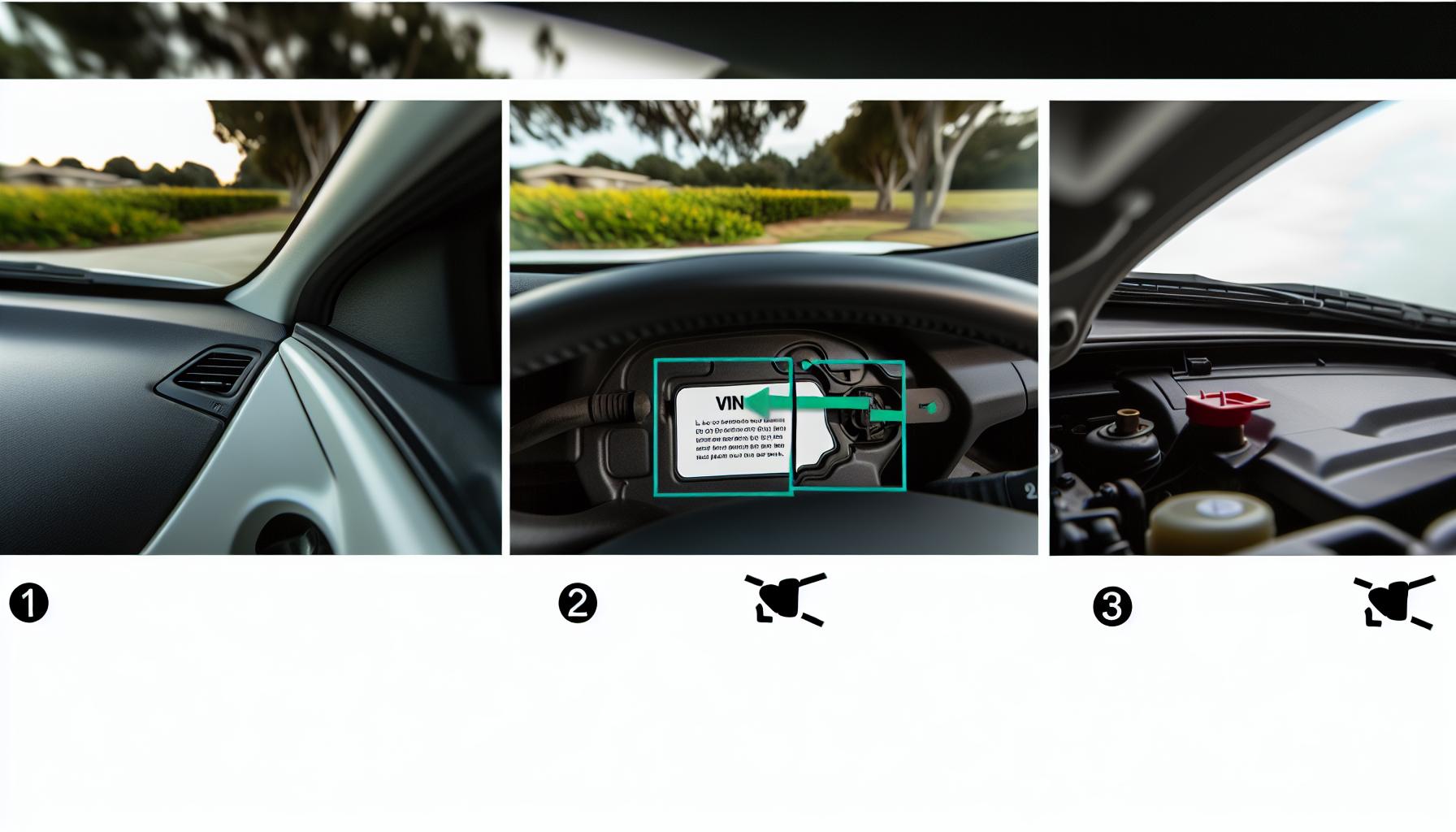
Locating your vehicle’s VIN is a straightforward yet critical step for any car owner or buyer. This unique identifier is essential for several reasons, including vehicle history checks, insurance, and registration. But where exactly can you find this vital number? Often, it requires just a little bit of detective work.
The most common locations to look for your VIN include:
- Dashboard: The VIN is typically visible through the windshield where the dashboard meets the glass. This is the easiest place to check when you’re outside the vehicle.
- Driver’s Side Door Jamb: Open the driver’s side door, and you’ll often find a sticker or metal plate near the latch area. This location is frequently used because it’s easily accessible when the car is parked.
- Engine Bay: For some models, the VIN can be found on a sticker or embossed on a plate in the engine compartment, usually near the front of the vehicle.
- Underneath the Spare Tire: Some manufacturers place the VIN on the underside of the lid of the spare tire compartment. It’s less common, but worth checking if you can’t find it elsewhere.
- Vehicle Registration Documents: If you have trouble locating the VIN on the vehicle itself, it will also be listed on your insurance documents and vehicle registration.
Having successfully found the VIN, the next step is decoding it. Using a dedicated VAG VIN decoder is particularly beneficial for VW Group vehicles, as these tools can provide detailed information about the make, model, trim level, and even specific features unique to your vehicle. Simply enter the VIN into the decoder’s web interface, and in a matter of seconds, you will gain insights that are key for maintenance, parts replacement, or even considering resale value.
Understanding where to find your VIN, and how to decode it using VAG tools, empowers you as a car owner. Not only does it facilitate better maintenance decisions, but it also ensures that you stay informed about any recalls or updates that may apply specifically to your vehicle. With this knowledge in hand, you can confidently navigate the complexities of vehicle ownership, enhancing your overall experience.
The Importance of Decoding Your VW Group VIN
Decoding your vehicle’s VIN is more than just a technical requirement; it opens the door to critical insights about your car, especially if you own a VW Group vehicle. Each character in the 17-character VIN is packed with information, from the manufacturer and model year to the specific features and engine type of your vehicle. By decoding this unique identifier, you can uncover the precise specifications that directly influence your ownership experience, maintenance schedules, and even resale value.
One of the key advantages of utilizing a VAG VIN decoder is that it provides context-specific details tailored to VW Group brands, such as Volkswagen, Audi, and SEAT. These tools allow owners to verify if the car they have matches the manufacturer’s descriptions concerning features and specifications. For instance, if you are considering purchasing a used vehicle, decoding the VIN can confirm whether the car has been modified from its original state-information that can impact both safety and value. This deeper understanding reassures buyers and encourages informed decision-making.
Moreover, having detailed knowledge from your VIN can significantly aid in vehicle maintenance. When you understand the exact engine type and specifications of your VW Group vehicle, it becomes easier to source the correct parts and schedule maintenance services. This can help avoid costly errors and ensure that repairs are made efficiently. For instance, knowing whether your car has a turbocharged engine or specific trim options allows you to consult the right manuals and service providers effectively.
Lastly, decoding your VW Group VIN enhances your ability to stay updated on recalls or service bulletins specific to your model. Manufacturers often issue recalls based on VIN data, and being proactive can save you from potential issues down the road. In essence, decoding your vehicle’s VIN is an empowering step that equips you with the knowledge necessary to take complete ownership of your vehicle, blending technical details with practical benefits.
Step-by-Step Guide to Using a VAG VIN Decoder
Decoding a Vehicle Identification Number (VIN) may seem daunting at first, but with a step-by-step approach, anyone can unlock the wealth of information this 17-character code holds, especially for VW Group vehicles. Whether you’re considering a purchase or just want to understand your vehicle better, using a VAG VIN decoder can provide clarity on aspects such as engine specifications, model features, and even production details.
Start by locating your vehicle’s VIN. It’s usually found in several key locations:
- On the dashboard, visible through the windshield on the driver’s side.
- On the driver’s side door jamb, near the latch.
- On the vehicle registration documents and insurance card.
Once you have the VIN, head to a trusted VAG VIN decoder website or use a dedicated app. Many of these tools are user-friendly and allow you to simply enter your VIN into a designated field. For instance, you might find a tool like the VAG VIN Checker particularly straightforward. After entering the VIN, click the decode or search button.
The decoder will process the information and present you with a detailed report. This report will include essential data attributes related to your VW Group vehicle, such as:
- Manufacturer and model year: Helps confirm if the vehicle matches your expectations.
- Engine type and specifications: Vital for understanding maintenance needs and performance capabilities.
- Model trim and features: Essential for assessing value and ensuring the features match what is advertised or expected.
- Recall history: Assists in identifying any safety recalls that may need attention.
By following these steps, you can ensure that you’re making an informed decision whether it’s for purchasing a used vehicle or maintaining your current one. Decoding your VW Group VIN not only demystifies the technical details but also empowers you as a vehicle owner, providing essential insights to ensure you’re aware of your car’s complete history and specifications.
Common VIN Decoding Mistakes to Avoid
Understanding VINs is crucial for any vehicle owner, yet it’s easy to stumble when decoding this intricate code. Many first-time users of VAG VIN decoders make common mistakes that can lead to confusion or misinformation about their vehicles. Recognizing these pitfalls can help ensure that you extract accurate and valuable data from your VIN.
One frequent error is misreading the VIN itself. The 17 characters in a VIN contain both letters and numbers, and some characters can look very similar. For example, the letters ‘O’ and ‘Q’ can easily be confused with the numbers ‘0’ and ‘1’. To avoid this mistake, double-check your VIN against vehicle documentation-like the registration or insurance card-and use a high-quality decoder to help clarify ambiguous characters.
Another common mistake occurs when users overlook important details provided by the decoder. It’s easy to gloss over specific attributes such as trim levels or engine specifications, assuming they are less relevant. However, these details can affect service requirements and resale value significantly. Ensure you read the entire report generated by the decoder and consider taking notes on key features that pertain to maintenance or enhancements of your vehicle.
Additionally, some users may rely solely on one decoding tool or website without cross-referencing information. Different decoders may interpret data uniquely based on their databases or algorithms. To mitigate discrepancies, it’s wise to utilize multiple trusted decoding resources, especially when considering a purchase or troubleshooting vehicle issues. By being aware of these common decoding mistakes, you can ensure that you’re making informed decisions based on accurate vehicle data.
Exploring the Features of VW Group Models via VIN
Unraveling the intricacies of Volkswagen Group models through their Vehicle Identification Number (VIN) can open a treasure chest of insights into your vehicle’s specifications, history, and features. Every VW Group vehicle, ranging from the classic Volkswagen Beetle to the sporty Audi A4, carries a unique 17-character VIN, which contains encoded information about the vehicle’s origin, engine specifications, model year, and many other important identifiers that help car owners make informed decisions regarding their vehicles.
When you decode a VIN using a VAG VIN decoder, you’re not just retrieving basic information; you’re gaining access to a detailed breakdown that includes features such as trim levels, options packages, color codes, and even original equipment manufacturer (OEM) specifications. This can be particularly beneficial for enthusiasts who want to restore a vehicle to its factory condition or for buyers interested in understanding the specific offerings of a used vehicle. For example, the VIN can reveal whether your VW Golf has a turbocharged engine or if your Audi Q5 includes advanced driver assistance features like adaptive cruise control right off the assembly line.
To dive deeper, users can take advantage of the detailed reports from various decoding tools, which can outline features by model. By using the VIN, you can quickly compare features across different model years or revisions, helping you understand not just what you currently own, but also how it stacks up against newer models. For instance, if you’re considering upgrading to a newer model, understanding the features and improvements that have been made over the years can greatly enhance your decision-making process.
In addition, knowing the exact specifications of your VW Group vehicle is essential for maintenance and repairs. Using the VIN to check for recalls, service bulletins, or manufacturer warranties can help avoid costly bills and keep your vehicle running in optimal condition. With the right decoder, car owners can become empowered advocates for their vehicles, ensuring they receive the right parts and services tailored to their specific needs and configurations. Effectively utilizing the information embedded in your vehicle’s VIN not only enhances your ownership experience but also encourages a deeper appreciation for the engineering and design behind VW Group models.
How VAG VIN Decoding Enhances Vehicle Maintenance
Utilizing a VAG VIN decoder not only simplifies the process of understanding a vehicle’s specific attributes, but it also significantly enhances maintenance efforts and overall vehicle care. The unique 17-character VIN provides critical information that can guide you in preventive maintenance, ensuring your vehicle remains in optimal condition and adheres to manufacturer recommendations.
One of the key benefits of decoding your VIN is the ability to access important service information, including recalls and manufacturer service bulletins. By entering your VIN into an online decoder, you can quickly determine if your vehicle is subject to any recalls, which is crucial for safety and compliance. For instance, if your Audi model shows an open recall for a potentially faulty part, addressing this promptly can prevent long-term damage and ensure safety while driving.
Moreover, the VIN reveals your vehicle’s engine specifications, trim level, and even original equipment manufacturer (OEM) parts that should be used in repairs. This information allows you to source the correct components efficiently, thereby avoiding costly mistakes that can arise from using incompatible parts. Additionally, when working with technicians or parts suppliers, having your VIN at hand can streamline communications, ensuring you receive tailored advice and appropriate service that matches your vehicle’s specifications.
Steps to Leverage Your VIN for Maintenance
- Check for Recalls: Utilize your VIN on the manufacturer’s website or through a trusted VIN decoder to see if there are any open recalls related to your vehicle.
- Review Service History: If you have maintenance records linked to your VIN, you can ensure all recommended services are completed, which is essential for longevity and performance.
- Find Compatible Parts: Use your VIN when ordering parts, whether online or at a local shop, to ensure compatibility with your specific model year and trim.
- Monitor Service Bulletins: Stay informed about common issues reported for your vehicle model by checking technical service bulletins linked to your VIN.
By understanding and effectively using the information contained in your VIN, you empower yourself as a vehicle owner. This knowledge fosters informed decision-making regarding maintenance and repairs, resulting in better performance, enhanced safety, and potentially lower repair costs over time. Embracing the insights provided by a VAG VIN decoder transforms vehicle ownership from a daunting task into a more manageable and rewarding experience, allowing you to take pride in your VW Group vehicle’s maintenance journey.
Comparing VAG VIN Decoders: Tools and Resources
When it comes to decoding your Volkswagen Group vehicle’s VIN, the plethora of online tools may seem overwhelming, yet they are invaluable resources for any car owner or enthusiast. Different VAG VIN decoders cater to various needs-some focus on historical data, while others offer comprehensive technical specifications. Understanding the strengths and limitations of these tools can empower you to make informed decisions about your vehicle.
One popular option for VAG VIN decoding is the official manufacturer site, where you’ll find the most accurate and up-to-date information, including recall notices and service bulletins. However, third-party decoders are also excellent choices and often provide additional insights, such as detailed engine specifications and compatibility with aftermarket parts. For instance, VAG-COM is highly regarded among enthusiasts for its ability to offer in-depth diagnostics not only through VIN decoding but also via a specialized cable that connects to your vehicle, allowing for real-time data access.
Key Features to Look For
When comparing VIN decoding tools, consider the following features:
- Accuracy and Reliability: Some sites may pull information from outdated databases or may not cover all models extensively. Always check reviews or recommendations from fellow VW owners.
- User Interface: A straightforward, easy-to-navigate design will save you time. Look for sites that display information clearly without excessive technical jargon.
- Depth of Information: Determine whether you need just the basics-like the engine type and trim-or more detailed insights, such as production history or service recommendations.
- Mobile Compatibility: Given our on-the-go lifestyles, choosing a decoder that works well on mobile devices can be beneficial.
Examples of Popular VAG VIN Decoders
| Decoder Service | Key Features | Best For |
|---|---|---|
| Official VW Website | Accurate info, recall notices, service history | Safety-focused users |
| VAG-COM Software | Real-time diagnostics, coding, full vehicle info | Enthusiasts and DIY mechanics |
| VINCheck.info | Free access, quick results, user-friendly | Budget-conscious users |
Choosing the right VIN decoder not only enhances your understanding of your vehicle’s features and history but can also prevent costly errors during repairs or parts purchases. Utilize these resources wisely to ensure that your ownership experience is as smooth and informed as possible.
Using VIN Data for Used Car Purchases
When considering a used Volkswagen Group vehicle, the Vehicle Identification Number (VIN) becomes an essential tool for potential buyers. This 17-character string offers a wealth of information that can significantly influence your purchase decision. Whether you’re looking to verify the vehicle’s authenticity, check for recalls, or assess past ownership, understanding how to leverage VIN data can save you from costly errors and ensure you’re making an informed choice.
Using a VAG VIN decoder, you can quickly access detailed specifications and history related to the vehicle. First, locate the VIN, typically found on the driver’s side dashboard near the windshield or on the driver’s side door jamb. Once you have this number, input it into a reliable VIN decoder. For Volkswagen and Audi models, the official VW website often provides the most accurate and comprehensive data, including recalls, service history, and factory specifications. Alternatively, third-party tools like VINCheck.info are great for quick checks, providing insights at little to no cost.
One critical aspect to investigate through VIN decoding is the vehicle’s accident history and any structural damage reports. This information could highlight previously unreported incidents, helping you avoid cars that may have hidden issues. Additionally, understanding the vehicle’s service history can offer clues about how well it was maintained, potentially influencing future repair costs. This is particularly important for complex models from the VW Group, which may have specific maintenance requirements.
| VIN Data Aspect | Importance | How to Check |
|---|---|---|
| Accident History | Identifies previous damages that may affect safety and value | Use a comprehensive VIN decoder or vehicle history report |
| Service Records | Shows maintenance history indicating potential future repairs | Check the manufacturer’s website or ask the seller for documentation |
| Recall Information | Ensures any safety recalls have been addressed | Access through the official VW site or NHTSA database |
Ultimately, using VIN data responsibly empowers you as a buyer. It enhances transparency, allowing you to negotiate confidently and make decisions based on comprehensive data rather than assumptions. Taking the time to decode a vehicle’s VIN and investigate its history can lead to a more secure investment and a smoother ownership experience.
Understanding Keep Records: Importance of VIN History
The history behind a vehicle’s VIN is not just a series of characters; it is a roadmap of its life. Every scratch, repair, and recall is recorded, offering a comprehensive view that can significantly influence a buyer’s decision. Understanding this history helps potential owners grasp the value and condition of a vehicle they may be considering, especially within the VW Group, where models can be intricate and specialized.
VIN history records contain critical information, including details about prior accidents, ownership changes, and service history. By decoding a VIN through resources like a VAG VIN decoder, prospective buyers can uncover previous damages that might affect their safety and the vehicle’s longevity. This is particularly crucial for high-performance models that require precise maintenance and repairs, where even a minor incident could impact future performance.
Checking VIN History
Accessing VIN history is straightforward. Most reputable VIN decoding services, such as the official VW website and third-party tools like J.D. Power, provide detailed reports. These resources typically include:
- Accident Reports: Learn if the vehicle has been involved in any accidents, which can affect its structural integrity.
- Service Records: Review the maintenance performed on the vehicle to gauge how well it has been cared for.
- Recall Information: Check if there are any pending recalls that need addressing, ensuring your vehicle meets safety standards.
Understanding this information empowers buyers with the knowledge to negotiate price and make informed decisions about a vehicle’s suitability for their needs. For instance, if a potential buyer discovers that their desired car has a history of unresolved safety recalls, they may choose to either negotiate for repairs to be completed before purchase or look at a different model altogether.
Incorporating VIN history into your car-buying process can serve as a pivotal tool, transforming your approach from reactive to proactive. It lays a foundation for trust, ensuring that your investment is safeguarded by informed choices based on the vehicle’s past. By prioritizing transparency and accuracy, car owners can feel confident in their decisions, forging a deeper connection with their vehicles and enhancing their overall ownership experience.
Future Trends in Vehicle Identification and VIN Technology
As the automotive landscape evolves, so too does the technology surrounding vehicle identification numbers (VINs). Innovative developments are making it easier for car owners, buyers, and service providers to utilize VINs more effectively. Future trends in VIN technology are set to enhance transparency, security, and user experience, fundamentally transforming how we interact with vehicles and their histories.
One significant trend is the integration of VINs with blockchain technology. By leveraging this secure, decentralized database, information associated with a VIN can be immutable and transparent. This means that ownership, service records, and accident histories will be readily accessible and verifiable, reducing fraud and increasing trust between buyers and sellers. Imagine being able to scan a VIN with your smartphone and instantly access a verified history of the vehicle’s maintenance and ownership without the possibility of tampering.
Another exciting development is the rise of connected vehicles. As cars become increasingly integrated with technology, VINs will play a crucial role in identifying vehicles within the Internet of Things (IoT). This could mean that the vehicle itself will relay real-time information based on its VIN, such as alerts for recalls, parts needing service, or even manufacturer suggestions based on driving habits. This data-driven approach will empower owners to maintain their vehicles better and make informed decisions about repairs and upgrades.
Additionally, advancements in artificial intelligence (AI) and machine learning will enhance VIN decoding tools. Future VIN decoders may not only read and interpret the standard data encoded within a VIN, such as make, model, and year, but also analyze trends associated with specific VIN ranges to predict potential issues, maintenance needs, and resale values. This information can be invaluable for both current owners and potential buyers looking to assess a vehicle’s long-term reliability.
In conclusion, as VIN technology progresses, it will increasingly serve as a vital tool for car owners and enthusiasts. These advancements will foster an environment of transparency where vehicle histories are easily accessible and verifiable, allowing consumers to make informed decisions confidently. Embracing these trends is essential for anyone involved in buying, selling, or maintaining vehicles, particularly within complex automotive brands like those in the VW Group.
Empowering Car Owners: Make Informed Decisions with Your VIN
Understanding your vehicle’s VIN (Vehicle Identification Number) is not just about compliance or paperwork; it’s a powerful tool that can provide insights into your car’s history, specifications, and more. Every VIN encapsulates critical information-such as the manufacturer, model year, and country of origin-that empowers car owners to make informed choices regarding their vehicles. For instance, before finalizing a used car purchase, decoding the VIN can reveal if the vehicle has been involved in accidents, undergone recalls, or had previous ownership issues. This proactive approach to vehicle ownership can save you from unexpected surprises and financial burdens down the road.
To leverage the full potential of your VIN, it’s essential to utilize a reliable decoding tool. Tools like VAG VIN decoders are specifically designed to extract detailed data from the VINs of VW Group vehicles, which include brands like Volkswagen, Audi, and Porsche. These decoders can provide a comprehensive view of the vehicle’s specifications, maintenance history, and compatibility with parts. For example, if you’re a Volkswagen owner, entering your VIN into a specialized decoder can inform you about model-specific recalls or recommended maintenance intervals unique to your car.
Here’s a simple guide to making the most of your VIN:
- Locate Your VIN: Typically found on the driver’s side dashboard or inside the driver’s side doorjamb.
- Use a VIN Decoder: Access a reliable VAG VIN decoding tool, such as those offered by JD Power or Kelley Blue Book, to enter your VIN.
- Review the Information: Analyze the details provided, which may include the vehicle’s original equipment, service records, and performance metrics.
- Stay Informed: Regularly check your VIN for any updates regarding recalls or service bulletins that could affect your vehicle.
By utilizing your VIN effectively, you are not only enhancing your understanding of your vehicle but also making empowered decisions that can influence your safety, budget, and overall driving experience. Whether you’re looking to buy, sell, or maintain your VW Group vehicle, decoding your VIN can illuminate the path forward, ensuring that you are well-informed every step of the way.
FAQ
Q: What is a VAG VIN Decoder and how does it work?
A: A VAG VIN Decoder is a tool that translates the Vehicle Identification Number (VIN) of Volkswagen Group vehicles into readable data about the car’s specifications, history, and features. You input the VIN into the decoder, which cross-references this unique identifier with databases containing vehicle information.
Q: How can I find my VW Group vehicle’s VIN?
A: To locate your VW Group vehicle’s VIN, check the dashboard, where it meets the windshield, the driver’s door jamb, or the vehicle’s registration documents. These locations are standard for most vehicles and ensure easy access for decoding.
Q: Why should I decode my VW vehicle’s VIN?
A: Decoding your VW vehicle’s VIN helps you understand important details such as the model, engine type, production year, and previous ownership history. This information is crucial for maintenance, resale value, and verifying the authenticity of the vehicle.
Q: Are there any free VAG VIN Decoder tools available?
A: Yes, several online platforms offer free VAG VIN decoding services. Websites like the official VW site or third-party services provide basic decoding features at no cost, making it easy for owners to retrieve essential vehicle information.
Q: What should I do if the VIN decoder gives me errors?
A: If the VIN decoder returns errors, first double-check the VIN for accuracy-ensure there are no typos or missing characters. If the problem persists, consider using a different decoder tool or consult a VW dealer for professional assistance.
Q: Can a VAG VIN Decoder provide information on past accidents?
A: While a basic VAG VIN Decoder does not provide accident history, it can offer insight into the vehicle’s specifications and previous ownership. For detailed accident history, consider using specialized services or vehicle history reports like Carfax or AutoCheck.
Q: How frequently should I check my vehicle’s VIN?
A: Checking your vehicle’s VIN should be a part of your regular maintenance routine, especially if you purchase a used car or before selling. Keeping updated information helps to ensure accurate records and can prevent potential issues later.
Q: What details can a VAG VIN Decoder reveal?
A: A VAG VIN Decoder can reveal details such as the vehicle’s make, model, engine type, year of manufacture, factory options, and safety features. This information is crucial for understanding your vehicle’s capabilities and value.
In Summary
Ready to unlock the full potential of your VW Group vehicle? With our VAG VIN Decoder, you can effortlessly decode your VIN to access vital information about your car’s history, specifications, and features. Don’t wait-understanding your vehicle’s details isn’t just beneficial; it’s essential for informed ownership and smarter buying decisions.
Explore more with our comprehensive guides on vehicle maintenance, and tips for secure buying in the used car market. If you have questions or need assistance, feel free to comment below; we love hearing from fellow automotive enthusiasts! Remember to check out our newsletter for the latest updates and expert insights, and explore our other resources to deepen your automotive knowledge. Let’s make your driving experience safer and more enjoyable together!