Did you know that the Vehicle Identification Number (VIN) can tell you the story of your classic car? For vehicles manufactured before 1981, decoding a VIN is not just a useful skill-it’s essential for understanding your car’s history, verifying its authenticity, and enhancing its value. Whether you’re a passionate collector, a first-time buyer, or simply an enthusiast, knowing how to decode your classic car’s VIN can empower you to make informed decisions. In this guide, we’ll walk you through the nuances of finding and interpreting pre-1981 VINs, illuminating the hidden details that can transform your appreciation of vintage vehicles. Join us as we unlock the secrets behind those seemingly cryptic characters and help you connect more deeply with your classic ride.
Understanding VINs: The Basics of Vehicle Identification Numbers
To fully appreciate the nuances of vintage vehicles, it’s essential to understand Vehicle Identification Numbers (VINs). These unique 17-character codes serve as the DNA for cars and trucks, revealing critical information about their make, model, year, and more. For vehicles manufactured before 1981, VINs were less standardized than those of modern vehicles, providing a fascinating glimpse into the automotive past. The absence of a uniform structure means decoding these numbers requires a bit more expertise and attention to detail.
VINs consist of various segments. The first three characters represent the World Manufacturer Identifier (WMI), indicating where and by whom the vehicle was manufactured. Following that, characters four through eight signify the vehicle attributes like model, body style, and engine type. The ninth position is a check digit that ensures the VIN’s validity. Finally, the last eight digits, known as the Vehicle Identifier Section (VIS), provide information specific to the vehicle, such as the model year and the place of assembly. In pre-1981 vehicles, the exact placement and meaning of these segments can vary significantly, making a solid understanding of vintage VINs crucial for any classic car enthusiast or potential buyer.
When searching for a classic vehicle’s VIN, you can typically find it in several locations: on the dashboard near the windshield, on the driver’s side door jamb, or in the engine compartment. Each location has its own advantages; for instance, the dashboard location is often visible from outside the car, making it easier to identify a vehicle before a purchase. Once you have the VIN, decoding it might involve using specialized online tools or a classic car VIN decoder, which can interpret the unique sequences within those numbers, ultimately revealing important details about the vehicle’s history and specifications.
In conclusion, understanding VINs not only enhances your knowledge about the particular vehicle you own or consider purchasing, but it also empowers you as a buyer. It helps in verifying authenticity, understanding specifications, and possibly influencing the vehicle’s value in the classic car market. Whether you are restoring a classic or looking to add to your collection, knowledge of VINs is an invaluable asset that can lead to a better ownership experience.
Why Pre-1981 VINs Are Unique and Important
Pre-1981 VINs are a treasure trove of information, critical for enthusiasts and collectors who appreciate the unique history of classic vehicles. Unlike modern vehicles, which adhere to a standardized 17-character VIN format, pre-1981 VINs can vary significantly between manufacturers and even model lines. This makes understanding them essential for anyone involved with vintage cars. The less uniform structure allows a glimpse into a time when vehicle manufacturing was more about artistry and less about mass production, inviting you to unravel stories hidden in the alphanumeric characters.
One key aspect of pre-1981 VINs is that they often lack the detailed, uniform designations seen in contemporary VINs. For example, prior to 1981, many manufacturers utilized specific codes and character arrangements that are unique to their brand. Take General Motors; their character arrangements during the 1970s heavily depended on the model type, factory of origin, and year, making it a challenge to decode without the right resources. This variability is significant-understanding VINs from different eras demands a keen eye and a sturdy reference, as each company’s code can reflect its production practices and the whims of the era.
For buyers and restorers, knowing how to interpret these VINs can be immensely valuable. A VIN can reveal not only the model year and factory location but also important details such as engine specifications and whether the vehicle was produced in limited numbers. This insight can dramatically influence a vehicle’s market value. For instance, a rare model with documented originality, as verified through its VIN, can command much higher prices than a similar vehicle without provenance.
Furthermore, the endeavor of decoding these classic VINs fosters a deeper connection between owners and their vehicles. Every code carries the weight of history, from engine upgrades to factory recalls, enriching the ownership experience. Armed with the right knowledge and tools-such as specialized VIN decoding websites or databases-you can not only buy with confidence but also restore and showcase your classic vehicle with a greater appreciation for its rich past.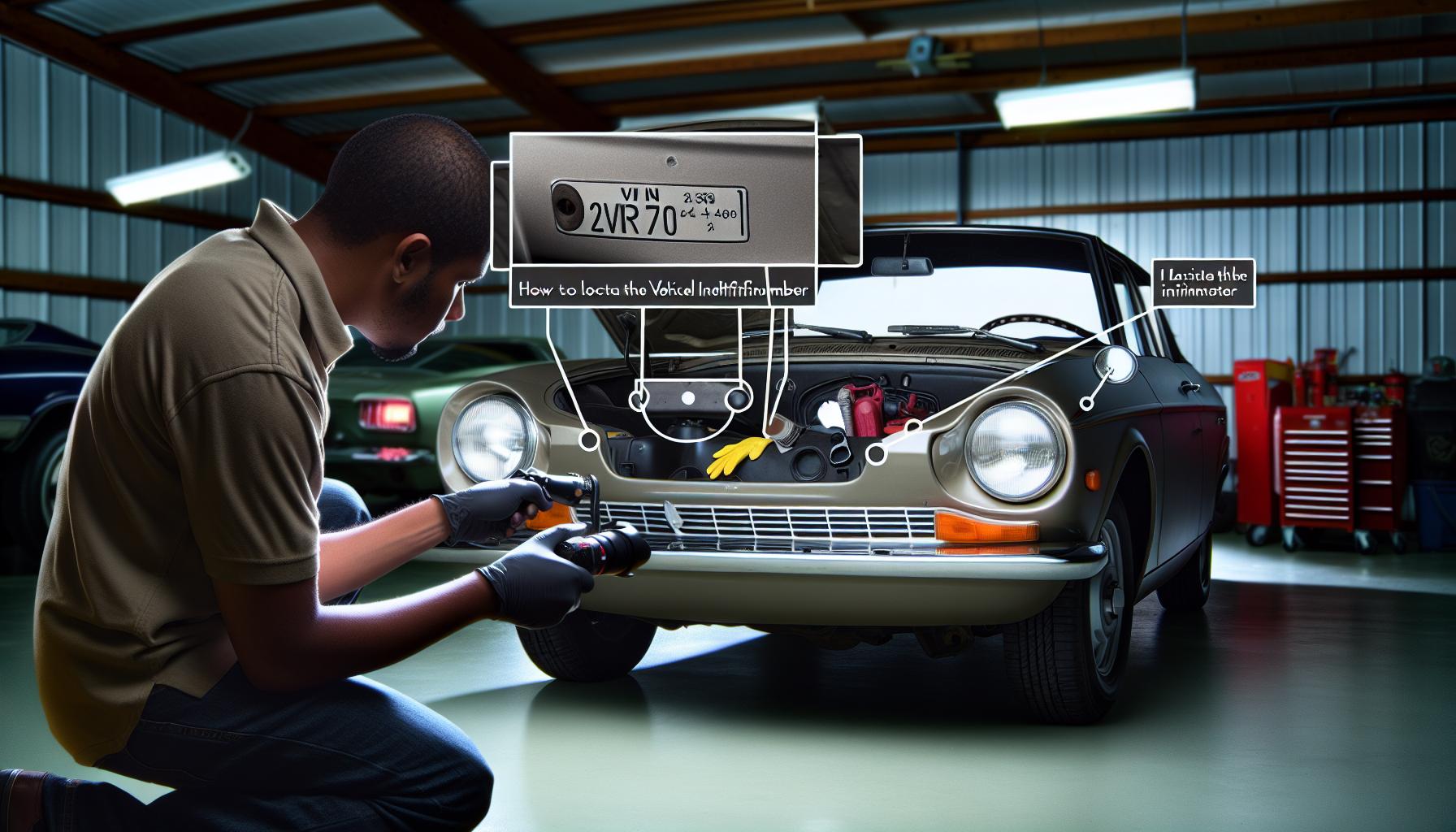
How to Find Your Classic Vehicle’s VIN
To successfully locate your classic vehicle’s VIN, it’s important to know that these unique identifiers can be found in several key places on your car. Every manufacturer had its own approach before the 1981 standardization, so understanding where to look is crucial. Typically, you’ll want to start with a few common locations:
- Dashboard: One of the most accessible spots for a VIN is on the driver’s side of the dashboard, visible through the windshield. This area often remains consistent across many makes and models.
- Door Jamb: Open the driver’s side door and inspect the door jamb. Many vehicles have the VIN etched onto a sticker or metal plate here, providing a quick reference.
- Engine Bay: Depending on the vehicle, the VIN may also be located somewhere in the engine compartment, usually near the top of the firewall or on one of the frame rails.
- Frame or Chassis: For some classic cars, the VIN might be stamped directly onto the frame or chassis, making it less visible but still retrievable.
When searching for your VIN, consider that older models may have worn markings or fading paint, so take your time to closely examine these areas, and be patient in your search. If you are unsure of what the VIN should look like in terms of format or length, remember that pre-1981 VINs can vary significantly, often comprising between 10 to 17 characters with a mix of letters and numbers.
Once you’ve located the VIN, the next step is decoding it. There are various resources available online, such as dedicated VIN decoder tools that can help you interpret the information embedded in those characters. Websites like Mopar and Driving-Tests.org offer free lookup services that can provide insights into your vehicle’s specifications, including make, model, year, and factory details. By effectively utilizing these tools, you can uncover the historical significance of your classic car, enhancing both your appreciation and understanding of its unique story.
Decoding Pre-1981 VINs: Step-by-Step Guide
Understanding how to decode pre-1981 VINs (Vehicle Identification Numbers) is essential for classic car enthusiasts and owners looking to dive into the rich history of their vehicles. Prior to the standardization of VINs in 1981, manufacturers created unique formats that varied greatly, making it crucial to decipher these codes accurately. The first step is to identify the length and structure of the VIN, which can range from 10 to 17 characters.
To begin decoding, locate the VIN using the previously discussed common areas such as the dashboard, door jamb, engine bay, or chassis. Once you have the VIN in hand, you can start breaking it down. Here’s a simplified guide to what each segment can represent:
Decoding Steps
- First Character: Typically indicates the country of origin. For instance, an “I” signifies a vehicle manufactured in India.
- Second Character: Represents the manufacturer. For example, “C” often corresponds to Chrysler, while “F” indicates Ford.
- Third Character: This can specify the vehicle type, such as passenger car, motorcycle, or truck.
- Characters Four to Eight: These denote the model, body style, engine type, and other features. This information can vary significantly by manufacturer.
- Tenth Character: Represents the model year; this is crucial as it helps determine the specific version of the vehicle.
- Last Six Characters: Form the unique serial number of the vehicle itself.
After you’ve broken down the components, utilize online VIN decoder tools specifically suited for classic vehicles. Websites like AutoZone or VinDecoderz provide free services that can help translate these characters into meaningful information regarding the vehicle’s specifications and history.
Finally, it’s important to cross-reference this decoded information with any existing documentation such as title records or service history to ensure accuracy. By understanding and utilizing the intricacies of pre-1981 VINs, you can gain valuable insights into your classic car’s heritage and specifications, ultimately enhancing your ownership and appreciation of your vintage vehicle.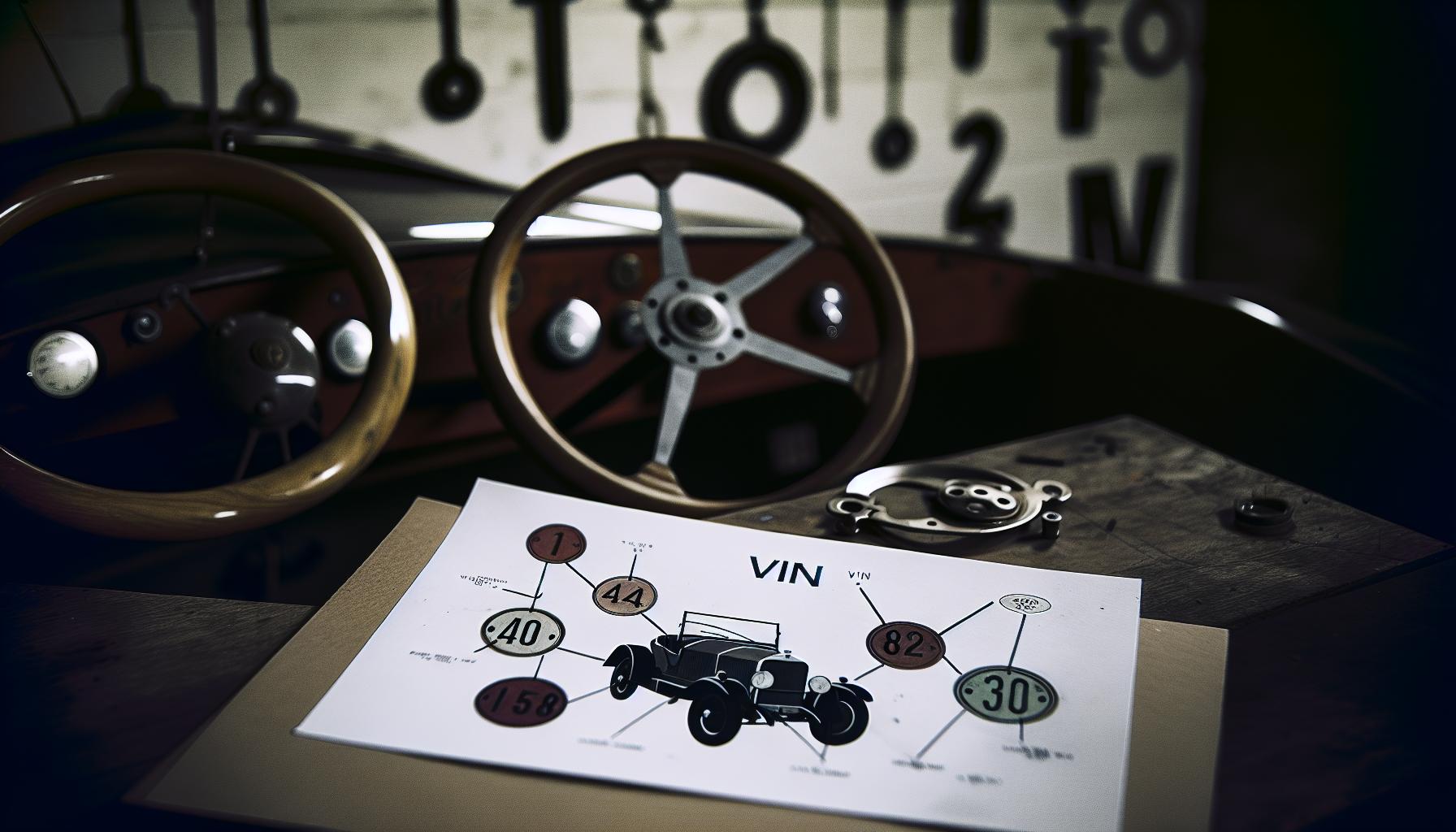
Common Symbols and Their Meanings in Vintage VINs
The Vehicle Identification Number (VIN) may seem like a jumble of letters and numbers to the untrained eye, but each character in a vintage VIN tells a story about the vehicle’s origins, features, and manufacturing details. Understanding the common symbols used in pre-1981 VINs is crucial for classic car enthusiasts who want to unlock the mysteries of their vehicles. Each symbol often corresponds to specific attributes that define the vehicle, including its make, model, year, and place of manufacture.
One of the most significant characters in the VIN is the first one, which reveals the country of origin. For example, an “1” indicates a vehicle made in the United States, whereas a “J” signifies a Japanese manufacturer. The second character often identifies the manufacturer; a “C” might represent Chrysler, while “F” stands for Ford. These two letters hold the key to understanding where a vehicle came from and who made it, forming the foundation for further decoding.
The remaining characters in the VIN can provide a wealth of information. For instance, characters four through eight often detail the vehicle’s model, body style, engine type, and other features, which can vary widely by manufacturer. Understanding these symbols is vital when looking for parts or evaluating the vehicle’s specifications. The tenth character is particularly important for identifying the model year; it allows vintage car owners to confirm whether their classic ride is indeed what it claims to be.
To illustrate, consider a 1970 Chevy Camaro. Its VIN might start with “1G1,” which points to it being a General Motors vehicle built in the USA. From these characters, an owner can gather insights into what types of parts may be compatible during restoration or repairs. When decoding the symbols in vintage VINs, it’s essential to utilize specific resources or decoder tools designed for classic cars, as the formats can vary greatly before the standardization in 1981. By learning to interpret these symbols, car enthusiasts can deepen their appreciation for automotive history and ensure their classic vehicle reflects its true identity.
Tools and Resources for Decoding Classic VINs
To delve into the world of classic vehicles, understanding how to decode their Vehicle Identification Numbers (VINs) is crucial. With pre-1981 VINs, the process can be a bit more complex due to the lack of standardization, but several tools and resources can assist you in this exciting exploration.
There are numerous online platforms that specialize in decoding classic vehicle VINs. Websites such as Hagerty offer robust VIN lookup tools designed specifically for vintage cars, providing valuable details about your vehicle’s history, specifications, and potential value. These tools cater to a variety of vehicles, ensuring that even the most obscure classic models can be analyzed. Additionally, forums like Bronco Sport Talk feature discussions and suggestions for decoding VINs, including links to useful resources and community-driven expertise that can enhance your understanding of classic vehicles.
For those who prefer mobile access, applications are also a suitable option. For example, the app available on Google Play supports the decoding of classic VINs, accommodating both five-digit and thirteen-digit formats. This app provides detailed reports, making it convenient for enthusiasts on the go who want to quickly assess their vehicle’s background and features while inspecting a potential purchase.
Step-by-Step VIN Decoding:
- Locate the VIN on your classic vehicle-common places include the dashboard near the windshield or on the driver’s side door frame.
- Use one of the recommended VIN decoder tools or apps, entering the VIN exactly as it appears.
- Review the decoded information, which typically includes the make, model, year of manufacture, and relevant specifications.
Engaging with these resources not only helps to unlock valuable information about a vehicle but also contributes to a greater appreciation of its history. This knowledge can empower buyers to make informed decisions and assist owners in preserving their classic cars’ authenticity and value. Whether you are a seasoned collector or a new enthusiast, these tools open the door to discovering the stories behind your vintage rides.
Identifying Vehicle Models and Specs from VINs
Identifying a vintage vehicle’s model and specifications through its VIN is a critical step for enthusiasts and collectors alike. Since pre-1981 VINs often lack the standardization seen in modern vehicles, decoding these identifiers can unveil valuable insights into your classic car’s heritage, originality, and even its rarity. A well-deconstructed VIN can reveal not just the make and model but also specific attributes such as engine type, trim level, and the production plant.
The first step in this process is to locate the VIN itself. Common locations include the driver’s side door jamb, the dashboard near the windshield, or even those tucked away under the hood. Once you’ve found it, using an efficient VIN decoder can help to interpret its components. For example, evaluating the first few characters can disclose information about the manufacturer, followed by the model and engine specifications. You’ll often see characters reflecting the year of manufacture encoded in the VIN, providing immediate context about the vehicle’s age and technological era.
To further facilitate understanding, consider leveraging online resources such as Hagerty and mobile apps like those listed on Google Play. These tools can provide an even clearer picture by translating the VIN into detailed reports. These reports typically include crucial information such as the original specifications and trim details, as well as potential maintenance and repair insights from the vehicle’s history.
In practical terms, let’s illustrate this with an example. Suppose you have a classic Ford Mustang from 1966. By decoding the VIN, you may find details that reveal its engine type (for instance, a 289 cubic inch V8) and factory color. Knowing this not only enhances your appreciation of the vehicle but can also significantly impact its market value. Understanding how to identify your classic vehicle’s model and specs through the VIN is a powerful tool that can aid in restoration, valuation, and preservation, ultimately ensuring that each vintage ride maintains its unique story and legacy.
How VIN Decoding Impacts Classic Car Value
Understanding the nuances of a classic car’s Vehicle Identification Number (VIN) can be a game changer, especially when it comes to determining the vehicle’s value in the marketplace. For enthusiasts and collectors, knowing how to decode a VIN reveals not only the origin of their vehicle but also its specific features, which can significantly impact its desirability and price. This is particularly true for classic cars produced prior to 1981, where VINs can vary widely in format and meaning.
The VIN serves as a unique fingerprint for each vehicle, and its components can inform you about the manufacturer’s specifications, trim level, engine type, and production year. For example, a classic Chevy Camaro from 1970 might fetch a higher price if its VIN indicates it was built with a rare performance package, indicating limited availability and greater demand. Such details, uncovered through VIN decoding, allow buyers and sellers to establish a more accurate value based on authenticity and rarity. A car verified as original, with matching numbers (meaning the VIN, engine, and parts all align as they did when first manufactured), typically commands a premium over those that have been modified or aren’t entirely original.
The Importance of Authenticity and Condition
Beyond basic details, the condition of a vehicle based on VIN history also plays a crucial role in valuation. For instance, if a VIN shows records of significant accidents or repairs, it could be a red flag for potential buyers, thus affecting the car’s price negatively. Conversely, if a VIN search also reveals a well-documented maintenance history or previous ownership by a notable figure, this could enhance the vehicle’s value. Buyers should always validate these historical insights through reliable resources, which can translate to tens of thousands of dollars in price differences.
Investing in tools for decoding classic vehicle VINs can pay off significantly. Consider using reputable VIN decoder websites or apps that compile comprehensive reports, such as VINwiz, which specializes in classic cars. By leveraging these resources, owners can present potential buyers with robust documentation that supports their vehicle’s value, ultimately leading to a more successful transaction.
In summary, decoding a classic car’s VIN is not merely an exercise in curiosity; it directly impacts valuation in the collector car market. Knowing how to interpret the information contained within a VIN empowers both buyers and sellers to make informed decisions, ensuring that the true worth of a classic vehicle is recognized and represented accurately.
Tips for Verifying Authenticity in Classic Vehicles
Determining the authenticity of a classic vehicle can mean the difference between a profitable investment and a costly mistake. Many collectors and potential buyers rely on the Vehicle Identification Number (VIN) to unveil the truth behind a car’s history and specifications. To ensure you’re not just purchasing a vehicle that looks the part, but one that is indeed genuine, follow these essential steps for verification.
Start by locating the VIN, which is typically found in several places on the vehicle. Common locations include:
- Dashboard near the windshield
- Driver’s side door jamb
- Engine block or near the front of the engine
- Underneath the spare tire
Once you’ve found it, compare the VIN against documentation such as the title, registration, and any repair history. Authentic classic vehicles usually feature VINs corresponding to their production date and model specifications. If you come across discrepancies, such as a VIN that seems altered or mismatched with the vehicle’s reported features, proceed with caution.
Confirm with Trusted Resources
Utilizing reputable VIN decoder tools can greatly assist in verifying authenticity. Websites like VINwiz provide detailed insights into classic models and their specifications. When you enter a VIN, look for information on the factory options, engine type, and model year, which should align with what the seller presents.
Additionally, consult classic car registries and clubs that specialize in the brand of the vehicle you’re interested in. These organizations often have knowledge of production numbers, unusual features, and even known discrepancies for specific models.
Check for Supporting Documentation
A well-documented history of ownership and maintenance can add credibility to a vehicle’s authenticity. Look for:
- Original sales receipts or dealer documentation
- Service records indicating consistent maintenance
- Previous ownership titles, especially if linked to car clubs or collectors
Also, don’t hesitate to reach out to previous owners if possible. Their insights can offer valuable context about the car’s history, modifications, and overall condition.
Be Aware of Red Flags
As you gather information, be vigilant about warning signs that may indicate a lack of authenticity. A vehicle that has undergone extensive restoration or modification might not be worth the asking price unless it’s well documented. Signs of physical misalignment or bad paint work may also indicate a car that has been substantially altered or improperly repaired.
By thoroughly investigating the VIN and supporting documentation, you gain a clearer picture of a classic vehicle’s authenticity, empowering you to make a well-informed decision in the collector car market.
Troubleshooting Common VIN Decoding Issues
Decoding a VIN, especially for classic vehicles manufactured before 1981, can sometimes feel like deciphering an ancient script. One common issue that enthusiasts face is encountering inconsistent or incomplete information. For example, pre-1981 VINs may not adhere to today’s standardized format, leading to confusion with decoding tools and databases. These older VINs often provide fewer details, especially in terms of model variations and production specifics, making it essential to rely on multiple resources to cross-check information.
Another frequent challenge is the presence of missing characters or altered VINs. Some vintage vehicles may have had their VINs modified due to damage or accidents, creating discrepancies between what’s on the vehicle and the records available. To tackle this, start by verifying the VIN against trusted databases or official manufacturer resources to confirm its legitimacy. If discrepancies arise, examine other identifiers within the car, such as the engine number, which can sometimes be used as corroborating evidence.
Compounding these issues, not all VIN decoders are created equal. Many online tools focus on modern vehicles, leaving classic car enthusiasts to fend for themselves when it comes to detailed historical data. It’s advisable to utilize dedicated classic car resources or forums, where seasoned collectors and restorers share insights about decoding older VINs. Reach out to car clubs that specialize in your vehicle’s make; they often have the knowledge and tools specifically tailored for decoding pre-1981 VINs accurately.
Remember, thoroughness is key. If you’re hitting dead ends with online searches, double-check the location of the VIN on the vehicle itself. It can typically be found in a few standard spots, such as the dashboard or door jamb, but variations exist, especially in older cars. Taking detailed notes and documenting your findings will go a long way in resolving potential decoding issues. With patience and the right approach, you can successfully navigate the intricacies of classic VIN decoding, ensuring a clearer understanding of your vintage vehicle’s identity.
The Future of VIN Decoding for Classic Cars
The landscape of VIN decoding, especially for classic cars, is on the cusp of transformation. As technology continues to advance, enthusiasts and collectors can expect significant improvements in how VINs are interpreted and utilized. With the rise of sophisticated decoding tools and databases that incorporate historical data, the decoding process for pre-1981 vehicles is becoming more accessible and accurate than ever before. This evolution not only streamlines the identification process but also enhances the knowledge available to buyers and restorers regarding the specifics of classic vehicles.
One exciting trend is the integration of blockchain technology into VIN tracking, offering an unprecedented level of transparency and security. By recording vehicle history, including ownership and modification records, on a decentralized ledger, enthusiasts can verify authenticity more reliably. This could empower collectors to confidently purchase classic cars, knowing they are getting the genuine article and not a modified or misrepresented vehicle. Furthermore, as more manufacturers digitize their records, the information retained about classic vehicles will become richer and more precise, providing invaluable insights into production traits and models.
Utilizing AI and machine learning is another avenue that promises to enhance VIN decoding for vintage cars. These technologies can analyze vast amounts of data to uncover patterns and anomalies in VIN structures, specifically pre-1981. By doing so, they can generate more tailored decoding tools, which could include characteristics unique to specific brands or eras. Moreover, various platforms and applications dedicated to classic cars are emerging, aiming to connect enthusiasts with shared knowledge and resources, thus fostering a community that thrives on the accurate preservation of automotive history.
To navigate this future effectively, classic car owners should stay proactive. Engaging with automotive communities online or participating in car shows can uncover new tools and tips that are constantly evolving in the field of VIN decoding. Keeping abreast of technological advancements will not only aid in accurate vehicle identification but also enhance the overall ownership experience, preserving the stories that classic vehicles carry.
Real-Life Examples: Successful VIN Decoding Stories
There’s nothing quite as thrilling as successfully decoding the VIN of a classic vehicle. Each number and letter in a VIN tells a story, revealing the vehicle’s origins and specifications. One notable example comes from a classic car enthusiast who purchased a 1968 Ford Mustang. Initially skeptical about the vehicle’s authenticity, he used a VIN decoder to confirm it was indeed a rare model with the original engine option. This verification not only validated his purchase but also enhanced his appreciation for the car’s historical significance.
Another compelling story involves a vintage Chevrolet Corvette owner who discovered that her car’s VIN led her to a treasure trove of information about its previous owners and its racing history. By accessing online databases and forums dedicated to classic cars, she connected with previous enthusiasts who had raced the vehicle in local events. This connection not only enriched her ownership experience but also added to the car’s value in the collector community.
Why Stories Matter
Real-life decoding successes highlight several important points for fellow classic vehicle enthusiasts:
- Authenticity Verification: VIN decoding can help ensure the vehicle has not been altered or misrepresented.
- Historical Significance: Many owners find that learning about their car’s previous life provides a deeper emotional connection and appreciation.
- Community Engagement: Interactions with the classic car community often stem from VIN-related discoveries, fostering connections among enthusiasts sharing similar interests.
Decoding a VIN can turn a simple transaction into a journey of discovery, unearthing stories of pride and passion that resonate deeply within the classic car culture. For anyone on the fence about exploring this aspect of vehicle ownership, consider diving into the world of VIN decoding. You may not only uncover compelling facts about your ride but also contribute to preserving the stories of automotive history.
Faq
Q: What is the purpose of a VIN for classic cars?
A: A VIN (Vehicle Identification Number) serves as a unique identifier for classic cars, providing essential details like the vehicle’s make, model, year, and place of manufacture. Understanding a VIN is crucial for verifying authenticity and history, especially when purchasing vintage vehicles.
Q: How can I decode a classic vehicle VIN from before 1981?
A: To decode a classic vehicle VIN from before 1981, locate the VIN, which may contain fewer than 17 characters. Use specialized tools, such as VINwiz or VIN Decoder services, which offer decoding for vintage vehicles, outlining the meaning of each character and identifying the vehicle’s specifications.
Q: What information can I find from a pre-1981 VIN?
A: A pre-1981 VIN can reveal the car’s make, model, year of manufacture, and particular features based on manufacturer codes. While less standardized than modern VINs, these insights help assess the vehicle’s history and value, which is critical for classic car enthusiasts.
Q: Are there specific tools for decoding vintage VINs?
A: Yes, there are dedicated tools for decoding vintage VINs, such as VINwiz and Classic Car VIN Decoder apps. These resources provide detailed information about classic vehicles and simplify the decoding process for users, making it easier to understand the history and specifications of their cars.
Q: Why is it important to verify a classic vehicle’s VIN?
A: Verifying a classic vehicle’s VIN is vital to ensure originality and prevent fraud. It helps confirm that a car’s identity matches its documentation, affecting its value and authenticity. A proper VIN check can save buyers from costly mistakes and ensure a sound investment.
Q: How can I locate the VIN on my classic vehicle?
A: The VIN on classic vehicles is typically located on the driver’s side dashboard, visible through the windshield, or on the driver’s side door pillar. Refer to your vehicle’s manual or online resources for specific guidance on different makes and models, as locations may vary.
Q: What should I do if my classic car has a damaged VIN?
A: If your classic car has a damaged VIN, contact your local Department of Motor Vehicles (DMV) for guidance. They can provide procedures for verifying the vehicle’s identity and possibly assisting in replacing or reissuing the VIN to ensure legal compliance and maintain the vehicle’s history.
Q: Can I use modern VIN decoding apps for pre-1981 vehicles?
A: Some modern VIN decoding apps are designed specifically for classic vehicles and can decode pre-1981 VINs, providing relevant information. Ensure the app supports vintage VINs to benefit fully from its features and gain insights into your classic car’s history and specifications.
In Retrospect
Unlock the full potential of your pre-1981 classic vehicle with our Old VIN Decoder. This essential tool not only reveals the unique specifications and history of your vintage car but also empowers you to make informed ownership decisions. Don’t miss out-use our decoder today to dive deep into your classic’s roots and find the perfect parts tailored just for it.
Ready to learn more? Explore our guides on classic car restoration or check out our latest articles on vintage vehicle maintenance. Staying informed means you’ll have the ultimate ownership experience. Join our community of classic car enthusiasts by signing up for our newsletter, where we share exclusive tips and updates weekly!
If you have any questions or want to share your own classic vehicle story, drop a comment below. We’re here to help you navigate the world of vintage vehicles, ensuring you never feel lost in the details again. Your classic car journey starts now-decoding begins with just a click!