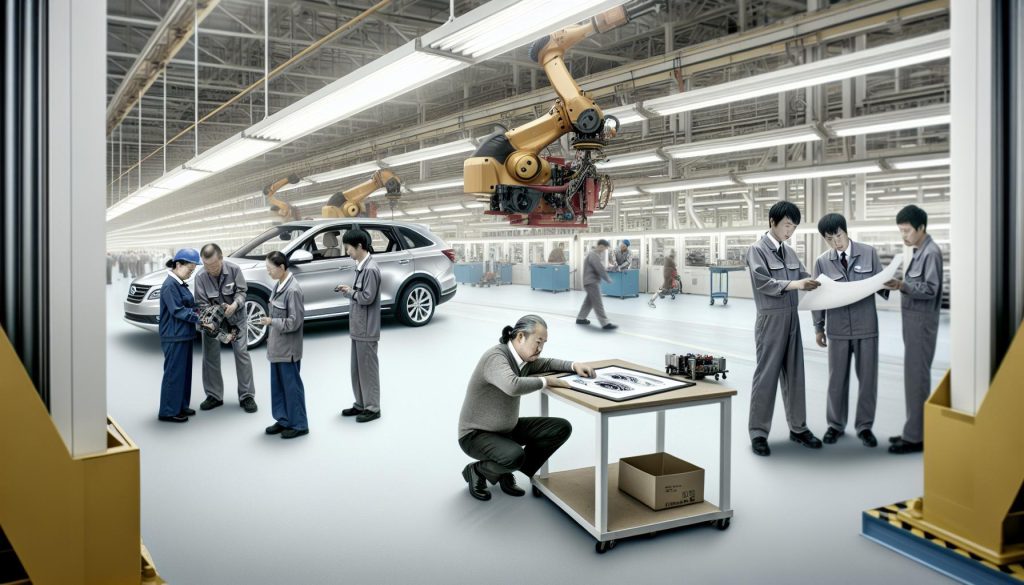
The evolution of the Chinese auto industry is a compelling story of growth and transformation, beginning with Mao Zedong’s vision in 1953. China has rapidly shifted from communist car production to becoming a global leader in automotive innovation and manufacturing. This history is not only rich with milestones but also relevant to consumers today, as understanding the origins and advancements within this industry can help inform buying decisions and foster appreciation for the vehicles on the road. From humble beginnings to modern electric vehicles, each phase of development reveals lessons about resilience, adaptation, and ambition. Dive into the fascinating journey of China’s car history, where you’ll discover how these changes impact the automotive landscape both locally and around the world.
The Origins of the Chinese Auto Industry: A Historical Overview
The seeds of the Chinese auto industry were sown in the early 20th century, with the establishment of the first vehicle manufacturing enterprise in 1953, the Shanghai Automobile Factory. This company marked China’s entry into automotive production, initially focused on assembling and manufacturing Soviet designs, particularly the iconic Shanghai SH760 sedan, which showcased Western-style engineering blended with local manufacturing capabilities. This period was characterized by limited technological innovation and was heavily reliant on foreign designs and adaptations due to the isolationist policies of the time.
The turning point for the industry came in the 1980s, coinciding with China’s Open Door Policy initiated by Deng Xiaoping. This shift facilitated foreign investment and collaboration, allowing international auto manufacturers to partner with local firms. Companies like Volkswagen and General Motors set up joint ventures, which not only brought in advanced technology but also provided a platform for local industries to develop their own capabilities. As a result, the Chinese automotive sector began to diversify, gradually transitioning from simple assembly to full-fledged manufacturing, paving the way for technological advancements and increased competition.
By the 1990s, the landscape of the Chinese auto industry shifted dramatically with the rise of domestic brands. Companies like Geely, SAIC Motor, and Changan started to make their mark, creating vehicles tailored to the needs and preferences of Chinese consumers. These manufacturers embraced the burgeoning market and began investing heavily in research and development, leading to innovations that reflected both global trends and local tastes.
With the turn of the millennium, China’s automotive market exploded, becoming the largest in the world by the end of the decade. This remarkable growth drew attention not only from domestic players but also from international competitors eager to tap into China’s vast consumer base. The evolution of the automotive landscape was profound; the industry had transformed from a nascent segment reliant on foreign technology to a robust sector characterized by indigenous innovation and significant global influence. Today, China stands at the forefront of the global automotive industry, driven by a mix of historical momentum and forward-looking strategies that continue to reshape not just the national economy, but also the very fabric of the global automotive market.
Key Milestones in China’s Automotive Development
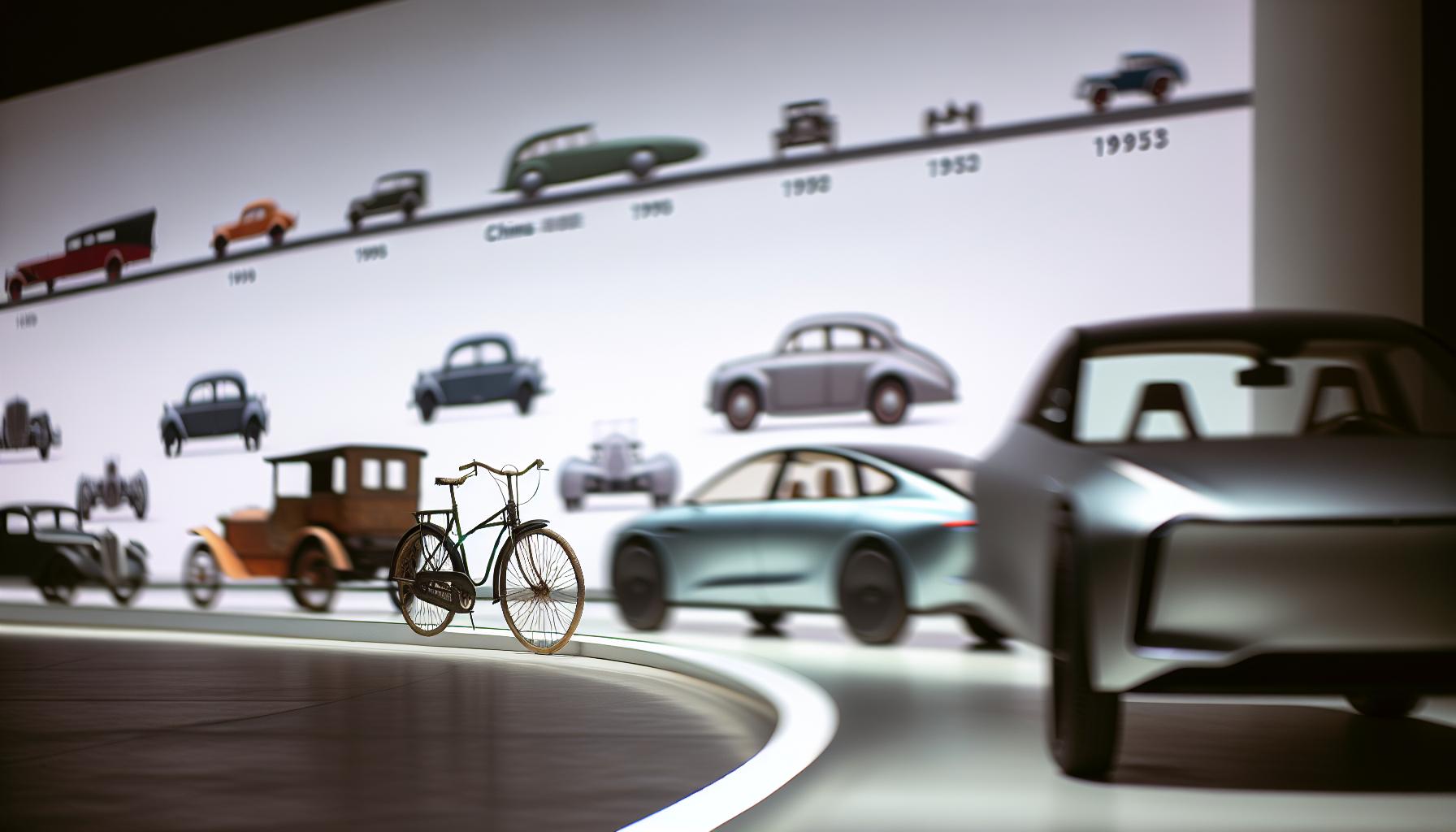
The journey of China’s automotive industry is punctuated by key milestones that reflect its rapid evolution from a nascent market to a global powerhouse. One of the pivotal moments came in the 1980s with the formulation of joint ventures initiated by China’s Open Door Policy. This era saw a significant influx of foreign expertise, as multinational companies like Volkswagen and General Motors partnered with local manufacturers. These alliances not only introduced advanced technologies but also facilitated the transfer of knowledge, enabling local firms to adapt and innovate.
As the 1990s approached, domestic manufacturers began to assert themselves in the marketplace, marking a significant shift in the industry landscape. Companies such as Geely, SAIC Motor, and Changan emerged, focusing on the production of vehicles that catered to the specific tastes and needs of Chinese consumers. By investing in research and development, these manufacturers started to carve out a niche for themselves, fostering a culture of indigenous innovation that would drive their competitiveness in both local and international markets.
The turn of the millennium brought explosive growth to China’s automotive sector, culminating in it becoming the largest automobile market in the world by the end of the decade. This unprecedented expansion was characterized by a skyrocketing demand for personal vehicles, driven in part by rising incomes and urbanization. The combination of homegrown innovation and increased consumer demand propelled the industry to the forefront, altering the balance of power in the global automotive arena.
In recent years, technological advancements, especially in the field of electric vehicles (EVs), have further cemented China’s position in the global market. With manufacturers like BYD leading the charge in EV production, the country’s focus on sustainability and green initiatives aligns seamlessly with global trends toward cleaner energy solutions. This ongoing transformation not only reshapes China’s automotive landscape but also poses significant challenges and opportunities for both domestic and international players alike.
Through these milestones, it is evident that China’s automotive industry has not only adapted to changes within its borders but has also developed a robust global strategy that influences automotive trends worldwide. The foundation laid by previous decades continues to propel the industry forward, suggesting an exciting future ripe with innovation and competition.
The Rise of Domestic Car Manufacturers in China
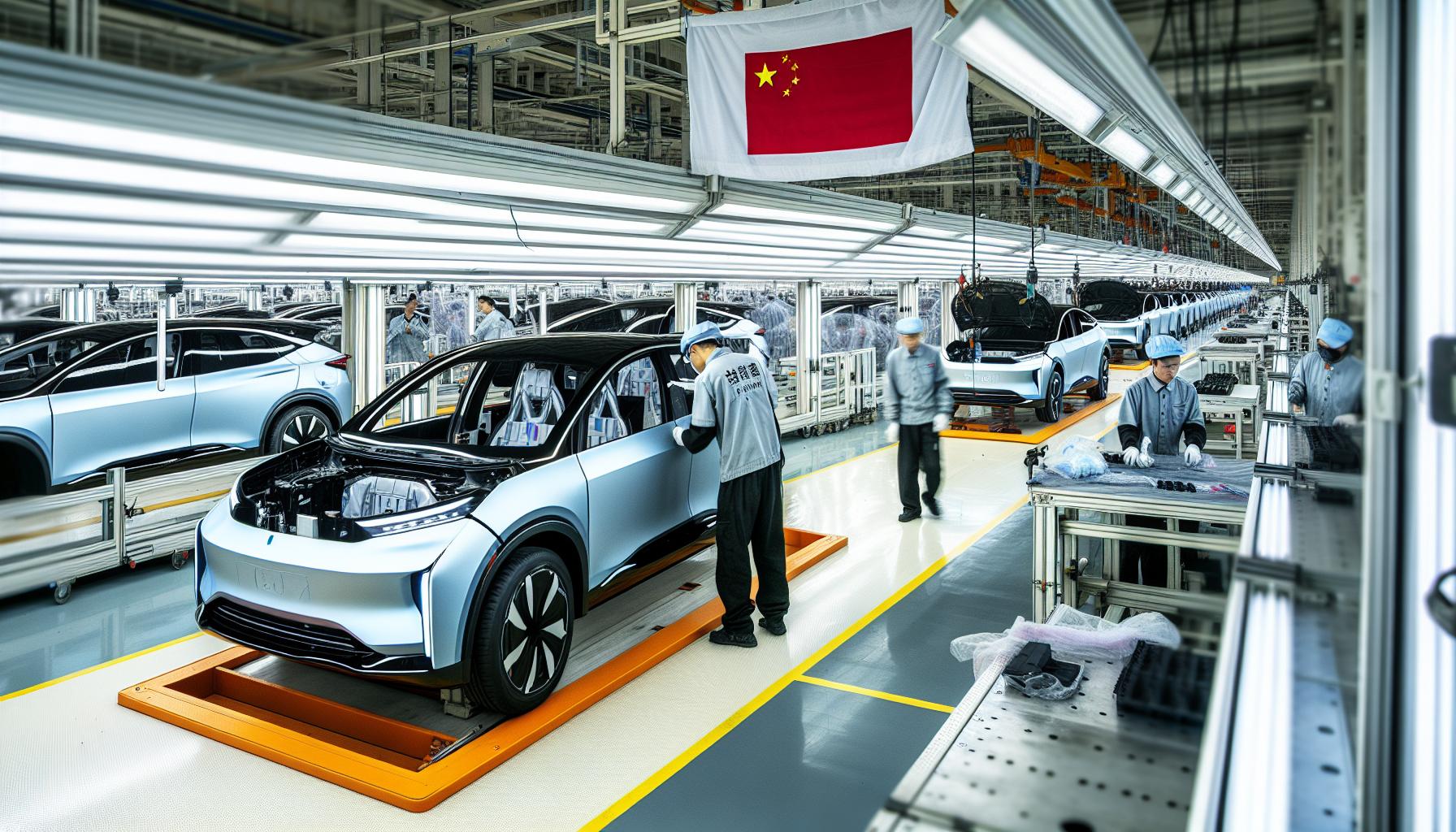
The emergence of domestic car manufacturers in China represents a remarkable transformation within the global automotive landscape. As recently as two decades ago, the automotive market in China was dominated by foreign brands, making up over two-thirds of new car sales. However, the tide has shifted dramatically; today, two out of three new cars sold are from local manufacturers, signifying that Chinese companies have not only entered the market but also thrived against significant competition [3].
Key players such as Geely, BYD, and Changan have spearheaded this revolution, catering to the diverse preferences of Chinese consumers through innovative designs and localized production strategies. In particular, BYD has risen to prominence as a leader in electric vehicles (EVs), embodying how domestic brands have rapidly adopted sustainable practices to align with global trends. The agility and adaptability of these manufacturers are notable; they can introduce new technologies and model designs at a pace that often exceeds their foreign competitors, providing a competitive edge in an increasingly fast-paced market [2].
Moreover, the rise of domestic manufacturers is closely linked to a series of supportive government policies. Initiatives aimed at promoting indigenous production and innovation have facilitated the growth of these companies. Financial incentives, such as subsidies for EV development and a focus on reducing emissions, have propelled local brands like Geely and BYD into the spotlight. These policies have not only bolstered local manufacturers but have also encouraged a cultural shift towards “Made in China” vehicles, enhancing their appeal both domestically and in international markets [1].
As domestic manufacturers cultivate their identities and expand their market share, they are poised to challenge established global players. Their unique approach, which amalgamates local consumer insights with cutting-edge technology, is shaping the future of mobility and presenting a viable alternative to traditional automotive powerhouses. This evolution underscores the significance of domestic innovation in driving both the national economy and global automotive trends.
Impact of Foreign Investment on Chinese Auto Industry
The influx of foreign investment has been a critical factor in shaping the contemporary landscape of China’s automotive industry. This investment has not only introduced capital but also significantly bolstered technological advancement, operational expertise, and market access. For instance, when foreign brands like Volkswagen and Toyota first entered the Chinese market, they established joint ventures with local manufacturers. This strategy allowed them to share risks while simultaneously transferring knowledge about manufacturing processes and quality control standards, which were relatively foreign to local firms at the time.
Through these partnerships, the indigenous automotive manufacturers gained invaluable insights into global best practices. Local companies learned how to optimize production efficiency and implement rigorous quality assurance processes, aspects that were crucial for competing on an international scale. Furthermore, foreign investment has fueled competition, prompting Chinese brands to innovate rapidly to meet both local and global market demands. For example, BYD has emerged as a leader in electric vehicles largely due to the competitive pressure exerted by foreign firms focused on EV technology, inspiring local manufacturers to accelerate their development timelines and expand their own electric models.
However, the relationship between foreign investment and the Chinese auto industry is not without its challenges. As domestic manufacturers continue to grow, concerns about intellectual property and technology transfer have arisen. Many local companies have become adept at reverse engineering and developing their own technologies, leading to fears among foreign investors about losing their competitive edge. This dynamic has prompted the Chinese government to reevaluate its policies concerning foreign direct investment, aiming to create a balance that fosters innovation while still benefiting from international collaboration.
In terms of market trends, the impact of foreign investment has paved the way for a diverse automotive market in China. With increased competition from both foreign and domestic brands, consumers are now presented with a wider assortment of vehicles, ranging from budget-friendly options to high-end luxury models. This expanded choice has not only satisfied local demand but has also began to position China as a significant player in the global automotive supply chain, influencing trends and innovations worldwide. The dual forces of foreign investment and domestic innovation together paint a vibrant picture of a rapidly evolving industry that is increasingly setting the pace for the future of global automotive development.
Technological Advancements Shaping Chinese Automobiles
The Chinese automotive landscape is a testament to rapid technological evolution, marked by significant strides in innovation and development over the last few decades. As China has transitioned from a manufacturing hub primarily dependent on foreign technology to a powerhouse of automotive engineering, domestic automakers have increasingly embraced advanced technologies to elevate their vehicles’ competitiveness. This transformation has not only benefited local consumers but has also reshaped global automotive dynamics.
To understand the depth of these advancements, consider how Chinese manufacturers have integrated cutting-edge technologies into their production processes. For example, companies like BYD and NIO are at the forefront of electric vehicle (EV) design, leveraging artificial intelligence and smart manufacturing techniques. These automakers are not only producing EVs but also experimenting with connected car technologies that enhance user experience through features like real-time traffic updates and autonomous driving capabilities. As a result, Chinese brands are increasingly appealing to tech-savvy consumers looking for modern, high-performance vehicles.
In addition to EV and connectivity advancements, the emphasis on sustainability has led to innovative practices across the industry. Many automakers are investing in research and development for alternative energy sources and eco-friendly materials. This drive is propelled by both consumer demand for greener vehicles and government policies aimed at reducing emissions. Furthermore, local firms are beginning to establish themselves as leaders in battery technology, which is pivotal for EVs and renewable energy solutions. The race for creating longer-lasting, faster-charging batteries is crucial to enhancing the appeal of electric vehicles globally.
China’s automotive industry is not just evolving technologically; it is also setting trends that resonate worldwide. The integration of smart technologies, emphasis on sustainability, and commitment to quality have positioned Chinese manufacturers as significant players on the global stage, capable of influencing both market trends and consumer expectations. As these advancements continue to unfold, the landscape of automotive technology is likely to see even more disruptive innovations emerging from China, solidifying its place as a leader in the automotive sector.
Government Policies Influencing the Auto Market
Government policies have played a pivotal role in shaping the Chinese auto market, often acting as a catalyst for growth and innovation. Since the late 20th century, the Chinese government has recognized the automotive sector as a strategic industry essential for economic development. By implementing a range of supportive measures, the government has facilitated the emergence of domestic manufacturers and incentivized technological advancements that cater to both local and international markets.
One of the most impactful policy initiatives has been the introduction of subsidies for electric vehicles (EVs). By providing financial incentives for manufacturers and consumers, the government dramatically increased the adoption of EVs across the country. Reports indicate that purchase subsidies have led to a significant rise in domestic EV registrations, enhancing market share for local brands like BYD and NIO while simultaneously leveling the playing field against imported models [2]. The government’s clear mission to promote sustainable transport has further driven innovations within the industry, compelling manufacturers to enhance battery technology and develop more efficient production methods.
Additionally, the government’s trade-in policies have proven successful in stimulating consumer demand for new vehicles. The renewal of the trade-in subsidy program allows consumers to receive substantial rebates when they replace older gasoline vehicles with newer, cleaner models. This not only encourages consumers to make environmentally friendly choices but also helps boost sales figures for domestic automakers, which have reported that EVs accounted for a remarkably high percentage of new vehicle sales over recent years [3].
Ultimately, the synergy between government policy and industry response has resulted in a rapidly evolving automotive landscape. As China continues to position itself as a leader in automotive technology, the commitment to policy-driven growth ensures that domestic manufacturers remain competitive on a global scale, embracing challenges and opportunities alike. With ongoing support, the future looks promising for China’s automotive industry as it adapts to market demands and technological advancements.
Emerging Trends: Electric Vehicles in China
China is emerging as a global powerhouse in the electric vehicle (EV) market, driven by a unique blend of government policy, consumer demand, and rapid technological advancements. In 2022, China was home to over half of the world’s electric vehicles, a testament to its aggressive push toward green transportation. This transformation reflects not just a trend but a significant evolution in the automotive sector, reinforcing China’s position as a leader in the global EV landscape.
A key factor in this electric revolution has been the Chinese government’s proactive stance on promoting EVs through extensive subsidies and incentives for both consumers and manufacturers. These policies have dramatically lowered the entry costs for EV buyers, facilitating widespread adoption across various demographics. For instance, brands like BYD and NIO have become household names, capitalizing on these incentives while also innovating continuously to produce more efficient and alluring vehicles. Additionally, the government’s commitment to reducing emissions has spurred advancements in battery technology, making EVs not only cleaner but also more practical for everyday consumers.
Consumer Adoption and Market Growth
The rise in electric vehicle registrations in China can largely be attributed to shifting consumer attitudes. Increasing awareness of environmental issues, alongside favorable policies, has led many to consider EVs as viable and attractive alternatives to traditional gasoline-powered vehicles. The enthusiasm for electric models is also evident in the flourishing charging infrastructure, which has made EV ownership more convenient. Cities across China are witnessing rapid installations of charging stations, addressing one of the primary concerns that potential EV buyers have: range anxiety.
Future Trends and Sustainability Initiatives
Looking ahead, China’s automotive sector is poised to continue its electrification trajectory. Emerging trends such as battery recycling, smart vehicle technology, and autonomous driving are set to redefine the landscape even further. Domestic manufacturers are increasingly focusing on sustainable practices as part of their operational strategies, ensuring that their production processes are as eco-friendly as possible. Moreover, as competition intensifies, innovation in vehicle technology is expected to accelerate, providing consumers with more options that blend performance, safety, and sustainability.
In summary, China’s electric vehicle movement represents a significant shift in automotive history. With strong governmental support, evolving consumer preferences, and relentless innovation, the future of electric vehicles in China appears bright, positioning the nation as a key player in the global transition towards sustainable transportation.
The Role of Sustainable Practices in the Auto Industry
The rapid evolution of the auto industry in China has not only transformed its market dynamics but has also prompted a strong commitment to sustainability practices among domestic manufacturers. As global awareness of environmental issues rises, Chinese automakers are increasingly adopting sustainable operations to enhance their competitiveness while addressing ecological concerns. This shift towards sustainability is not just a response to international pressure but a strategic move aligning with both consumer expectations and governmental policies.
Chinese automotive companies are integrating eco-friendly practices at various stages of their production processes. For example, many manufacturers are now employing green manufacturing techniques that minimize waste and utilize renewable materials. This can include the use of recycled components in vehicle production and adopting cleaner energy sources in manufacturing plants. Companies like BYD and NIO are at the forefront of this movement, championing not only electric vehicles (EVs) but also committing to sustainable production practices that reduce their carbon footprints.
Government Support and Regulations
The Chinese government plays a crucial role in promoting sustainable practices within the auto industry. Through a combination of regulations and incentives, the government encourages manufacturers to invest in green technologies. These initiatives include subsidies for electric vehicle production and mandates for reduced emissions. Additionally, local government programs often support renewable energy projects such as solar power installations in manufacturing facilities, further integrating sustainable practices into the industry.
Challenges and Future Directions
Despite these advancements, challenges remain. The industry faces hurdles such as the need for better recycling systems and infrastructure for battery disposal as the prevalence of EVs grows. Innovators are exploring circular economy models, where the entire lifecycle of a vehicle-including its end-of-life-promotes resource recovery and minimizes waste. As these systems develop, manufacturers must remain agile and focused on sustainability not only to comply with regulations but also to meet the evolving demands of eco-conscious consumers.
In conclusion, sustainable practices are becoming integral to the evolution of the Chinese auto industry. By prioritizing eco-friendly operations and innovative technologies, China is positioning itself not only as a leader in automotive production but also as a key player in the global shift towards a more sustainable automotive future. The path forward will require ongoing commitment and adaptation, ensuring that economic growth does not come at the expense of environmental health.
China’s Global Influence in the Automotive Arena
China’s emergence as a dominant force in the global automotive market is nothing short of remarkable. In less than three decades, the country has transitioned from being a minor player to becoming the largest automotive market in the world, surpassing even the United States in terms of vehicle sales and production. This rapid growth is fueled by a combination of strategic government policies, significant foreign investment, and an increasing emphasis on innovation and sustainability.
One of the key factors contributing to China’s global influence is its strong domestic car manufacturers. Companies such as BYD, Geely, and NIO have surged to prominence, leveraging agility in their development processes. They are capable of integrating advanced technologies, especially in the burgeoning electric vehicle (EV) segment, at a pace that often outstrips their foreign counterparts. This adaptability has enabled them to meet the rapidly changing consumer preferences and regulatory expectations regarding emissions and energy efficiency, allowing for a swift rise in market share. As Bill Russo, a noted automotive strategist, articulates, “In China, policy, capital, and companies move in lockstep,” solidifying the position of domestic players in both local and international markets.
Additionally, the influence of foreign investments cannot be overlooked. Foreign automakers have established joint ventures with Chinese companies, which has been a fundamental aspect of the market’s development. This synergetic relationship not only aids in technology transfer but also allows for the localization of foreign brands, which has proven beneficial in capturing the growing consumer base in China. As domestic brands amplify their global outreach, they often leverage these partnerships to expand their capabilities and to access international markets, enhancing China’s overall automotive footprint on the world stage.
In terms of sustainability, China is at the forefront of the automotive industry’s shift towards greener technologies. The government has implemented extensive support measures for EVs, including subsidies, infrastructural developments such as charging stations, and stringent emissions regulations. This push aligns with increasing global environmental awareness and positions Chinese manufacturers as leaders in sustainable automotive practices – a narrative that is critical in today’s market where global consumers are increasingly eco-conscious. By focusing on greener technologies, Chinese automakers are not only aiming for domestic growth but are also exporting their advancements and practices globally, influencing automotive trends worldwide.
Through these dynamics, China is solidifying its role as a mainstay in the global automotive arena, shaping not just local landscapes but also impacting international automotive strategies and innovations. As the industry continues to evolve, China’s ability to navigate challenges while maintaining its commitment to technological advancement and sustainability will be crucial to its ongoing global influence.
Challenges Facing the Chinese Auto Industry Today
The Chinese auto industry, while rapidly advancing and asserting itself on the global stage, faces several formidable challenges that could hinder its continued growth. One significant issue is the intense competition both domestically and internationally. As domestic automakers like BYD and Geely dominate the Chinese market, they are also expanding their reach globally. This influx of competition puts pressure on established foreign companies like Volkswagen and Toyota, which have seen declining sales in China. In light of this, maintaining market share and adapting to consumer preferences has never been more crucial for all players involved in the automotive landscape.
Another major hurdle is the transition towards sustainable practices amid increasing regulatory scrutiny. While the Chinese government promotes electric vehicles (EVs) through subsidies and infrastructure investments, manufacturers must grapple with the complexities of transitioning their production methods and supply chains to prioritize sustainability. This involves not only meeting stringent emissions standards but also navigating the financial implications of investing in cleaner technologies while maintaining affordability for consumers. Policies aimed at encouraging greener practices must also align with market demands, which can be unpredictable.
Furthermore, the global supply chain disruptions have exposed vulnerabilities within the industry. The COVID-19 pandemic and geopolitical tensions have caused significant delays in the production and distribution of vehicles, making it necessary for automakers to rethink their supply chain strategies. Companies need to find ways to localize their supply chains, diversify their sourcing of critical materials, and mitigate risks associated with international logistics. This restructuring is essential not only to stabilize operations but also to enhance resilience against future disruptions.
Lastly, the rapid pace of technological change presents both opportunities and challenges. With the shift towards EVs and autonomous driving, automakers must invest heavily in research and development. However, this can be a double-edged sword; significant investment in new technologies can strain resources, particularly for smaller manufacturers that might not have the capital to innovate at scale. As a result, the industry must balance the need for forward-thinking advancements with the realities of operational capacity and financial sustainability.
In summary, as the Chinese auto industry continues its evolution, it must strategically address competition, sustainability, supply chain vulnerabilities, and technological advancements, ensuring that it not only remains a leader domestically but also strengthens its position on the global stage.
The Future of the Chinese Auto Industry: Predictions and Trends
The trajectory of the Chinese auto industry is set to reshape the global automotive landscape significantly in the coming years. As the world’s largest automotive market, China’s domestic manufacturers are forecasted to not only solidify their dominance locally but also expand their influence globally. Analysts predict that companies such as BYD and Geely will continue to lead the charge, capitalizing on their technological agility and robust production capabilities. This growth is particularly pronounced in the electric vehicle (EV) segment, where domestic brands are outpacing traditional powerhouses like Tesla and Volkswagen.
One of the most critical trends shaping the future of the Chinese auto industry is the dramatic shift towards electric mobility. The Chinese government has been proactive in its support of EVs, providing substantial subsidies and developing extensive charging infrastructure. With predictions indicating that EVs will constitute a significant percentage of total vehicle sales by the end of this decade, manufacturers will focus on innovation in battery technology, autonomous driving features, and integrated smart technologies. Expect to see a surge in partnerships between automakers and tech firms as they seek to enhance the functionality and appeal of their vehicles.
In addition to technological advancements, sustainability will be at the forefront of the industry’s evolution. Increasing consumer awareness and regulatory pressure will push manufacturers to adopt greener practices. This shift will involve rethinking supply chains to minimize environmental impact, investing in renewable energy sources for production, and adopting circular economy principles to enhance resource efficiency. As companies navigate these changes, those who can blend sustainability with profitability will likely emerge as leaders in the future marketplace.
Moreover, as competition intensifies, especially with the global spread of Chinese automakers and their products, the industry will face pressures to innovate rapidly while reducing costs. This balancing act could lead to consolidation within the sector, where weaker players may be absorbed by larger firms with more resources to survive and thrive. In this evolving environment, adaptability will be vital-companies that can respond to shifting consumer preferences and market dynamics will be best positioned to succeed in this competitive arena. With these elements at play, the future of the Chinese auto industry promises to be dynamic, challenging, and filled with opportunity.
FAQ
Q: What are the key factors that led to the rapid rise of the Chinese auto industry?
A: The rise of the Chinese auto industry can be attributed to several key factors including government policies favoring foreign investments, joint ventures with global automakers, and the massive domestic demand for vehicles. These elements combined fostered innovation and growth, propelling China to become the world’s largest car market.
Q: How did government policies shape the development of the Chinese automotive sector?
A: Government policies have played a crucial role in shaping the Chinese auto industry by promoting joint ventures and establishing industry standards. Laws such as the 1994 Automobile Industry Policy forced foreign automakers to partner with Chinese companies, enhancing local expertise and technology transfer.
Q: What challenges does the Chinese auto industry currently face?
A: The Chinese auto industry faces several challenges, including intense competition, overcapacity in production, and environmental concerns. Furthermore, as the market shifts toward electric vehicles, companies must rapidly adapt to new technologies and consumer preferences to maintain their competitive edge.
Q: When did China become the largest car market in the world?
A: China became the world’s largest car market in 2009, driven by a substantial increase in vehicle sales. This milestone was influenced by rising incomes, urbanization, and government incentives, significantly boosting domestic demand for automobiles.
Q: What impact has foreign investment had on China’s automotive industry?
A: Foreign investment has had a significant impact on China’s automotive industry by introducing advanced technologies, improving manufacturing processes, and fostering competition. Collaborations with global automakers have enabled Chinese companies to enhance product quality and expand their market reach.
Q: What are the emerging trends in the Chinese automobile market?
A: Emerging trends in the Chinese automobile market include the rapid growth of electric vehicles (EVs), a shift toward autonomous driving technologies, and a focus on sustainability. The government is also pushing for stricter emissions regulations, leading to innovations in green technology.
Q: How is China influencing the global automotive industry?
A: China is influencing the global automotive industry by becoming a major producer of electric vehicles and setting global standards. Chinese companies are increasingly investing overseas and expanding their presence in markets worldwide, challenging established automakers.
Q: Why is the evolution of the Chinese car history significant for the automotive industry?
A: The evolution of Chinese car history is significant as it showcases a unique transformation from state-run enterprises to a competitive market driven by innovation. This evolution serves as a blueprint for other emerging markets, illustrating the potential for rapid industrial growth in the automotive sector.
In Summary
As we conclude our exploration of the China Car History and the evolution of its auto industry, remember that understanding this dynamic landscape not only enriches your automotive knowledge but also prepares you for future opportunities in a rapidly changing market. Whether you’re a car enthusiast, a potential buyer, or simply curious about the growth of one of the world’s largest automotive industries, there’s always more to discover. Don’t miss out on our resources about electric vehicle trends in China and tips for navigating the global car market links above.
Join the conversation in the comments below-what insights surprised you the most? If you found this content valuable, sign up for our newsletter for more insights delivered directly to your inbox and explore our detailed guides on Chinese auto brands and their innovations. Keep your automotive journey thriving-your next favorite read is just a click away!
Erhalten Sie unsere neuesten Ratgeber, News und Analysen hervorgehoben in der Google-Suche und in AI Overviews.