Italian Vehicle Registry: Expert Guide to Checking VIN Number Italy
When purchasing an Italian pre-owned motor vehicle, executing a methodical checking vin number italy procedure provides essential protection against fraudulent odometer rollbacks, hidden insurance write-offs, and administrative tax liens. Italy operates two primary state registers: the PRA (Pubblico Registro Automobilistico, operated by ACI) and the DTT (Dipartimento per i Trasporti Terrestri, under the Ministry of Infrastructure and Transport).
| Italian Register / Document | Administrative Authority | Search Credentials Required | Critical Fraud & Risk Checks |
|---|---|---|---|
| Visura PRA (ACI Online) | Automobile Club d’Italia (ACI) | Italian Plate (Targa) or VIN (Telaio) | Exposes active administrative liens (fermo amministrativo), unpaid municipal taxes, outstanding mortgages, and registered legal owners. |
| Il Portale dell’Automobilista | Ministero delle Infrastrutture e dei Trasporti | Italian License Plate (Targa) | Verifies official periodic revision (Revisione) history and recorded technical inspection mileage at zero cost. |
| Documento Unico (DU) | Unified Transport Ministry / ACI | Physical Inspection of Certificate | Replaced the old Carta di Circolazione and Certificato di Proprietà; contains full technical specs and vehicle ownership deed. |
Three Crucial Traps When Checking VIN Number Italy
- The “Fermo Amministrativo” Trap: If an Italian vehicle owner fails to pay traffic fines or income taxes, the revenue agency (Agenzia delle Entrate – Riscossione) places a fermo amministrativo (administrative seizure) on the vehicle. If you buy an automobile encumbered by a fermo, the car cannot legally circulate or be exported until all debts are cleared. Always request a fresh Visura PRA before paying.
- Verifying Revisione Inspection Mileage: Every Italian vehicle must undergo periodic revision every 2 years. The Italian government’s free portal (Il Portale dell’Automobilista) logs the exact recorded kilometers during each revision. Cross-reference this public inspection record against the dashboard odometer display.
- Export Deregistration (Radiazione per Esportazione): For an Italian car to be exported across borders into Germany, Austria, or elsewhere, it must be officially deregistered at the PRA (radiazione per esportazione definitiva). Ensure the seller provides the cancelled Documento Unico stamped with the export authorization.
When navigating the Italian automotive market, understanding the Vehicle Identification Number (VIN) is crucial for informed decision-making. This unique 17-character code reveals vital information about a vehicle’s history, including registration details, accident reports, and ownership changes. Did you know that checking a VIN can help you avoid costly mistakes, like purchasing a stolen car or one with hidden damage?
Whether you’re buying a used vehicle or simply want to verify your own, knowing how to interpret VIN data empowers you as a car buyer and owner. This guide will walk you through the intricacies of VINs in Italy, how to check them effectively, and why this knowledge is essential for ensuring your investment is safe and sound. Join us as we demystify the VIN process, helping you make confident choices every time you hit the road.
Understanding the Importance of Your VIN
Understanding your vehicle’s VIN (Vehicle Identification Number) is crucial for every Italian car owner or prospective buyer. This 17-digit alphanumeric code serves as a unique identifier for your vehicle, containing essential information about its manufacturer, model, year of production, and various features. A VIN is like a fingerprint for your car-no two vehicles can share the same VIN. This uniqueness plays a vital role in vehicle registration, tracking, and history checks, ensuring that you can trace your car’s past with accuracy.
When considering a vehicle purchase, the significance of a VIN cannot be overstated. It allows potential buyers to uncover critical details that can influence their buying decision. For example, by decoding the VIN, you can determine whether a vehicle has been in any past accidents, has a clean title, or even if it has outstanding recalls. This information empowers buyers to make informed choices, avoiding potential pitfalls such as buying a vehicle with a troubled past or hidden issues.
Using a VIN is straightforward. You can find it in several locations on your vehicle, such as on the dashboard near the windshield, on the driver’s side door jamb, or even in the vehicle’s registration documents. Once located, there are various online tools and databases where you can enter your VIN to access your vehicle’s history report. This process not only confirms the legitimacy of the car but also provides peace of mind in your investment. Being proactive in checking your VIN can save you from future headaches related to maintenance, legality, and insurance claims.
By recognizing the importance of your vehicle’s VIN, you engage with your automobile on a deeper level, arming yourself with knowledge that enhances your ownership experience and ensures that you make well-informed decisions.
How to Find Your Italian Vehicle VIN
Finding your vehicle’s VIN, or Vehicle Identification Number, is an essential step for any car owner or potential buyer in Italy. This unique 17-character code not only identifies your vehicle but also contains crucial details about its history, specifications, and manufacturer. Knowing how to locate your VIN can help you unlock valuable information about your car that can aid in maintenance decisions, resale value, and legal compliance.
To locate your Italian vehicle’s VIN, start by checking the following common areas:
- Dashboard: Look at the lower corner of the driver’s side of the dashboard, near the windshield. This area is usually a visible spot where the VIN is displayed.
- Driver’s Side Door Jamb: Open the driver’s side door and check the door frame. The VIN is often printed on a sticker or metal plate located there.
- Vehicle Registration Documents: The VIN is also listed on official registration papers, such as the libretto or carta di circolazione, which you receive upon purchasing or registering the vehicle.
In some cases, especially for older vehicles, the VIN may also be found on the chassis or near the engine block. If you are having trouble locating it, a quick reference to your owner’s manual can provide guidance specific to your vehicle model.
Once you have the VIN, it’s advisable to ensure its accuracy by comparing it across various documents and locations where it appears. This simple verification step can prevent future issues associated with vehicle registration or history checks, particularly if you plan to buy or sell the vehicle. Knowing where to find your VIN not only enhances your understanding of your vehicle but also empowers you to dive deeper into its history, keeping you informed and prepared for any automotive decisions.
Step-by-Step Guide: Checking Vehicle Registration
To avoid future legal troubles and ensure the roadworthiness of your vehicle, verifying your vehicle registration is essential-a task made simple by your VIN (Vehicle Identification Number). This unique code not only helps identify your car but also holds vital information about its legal standing and history. Understanding how to check your vehicle registration efficiently can help you make informed decisions, whether you’re buying a car for the first time or ensuring your current vehicle is compliant.
The first step in checking your vehicle’s registration is to find your VIN. As previously mentioned, the VIN can be located on your dashboard, driver’s side door jamb, or vehicle registration documents. Once you have the number, you can move on to checking your registration status. In Italy, this can typically be done through the official government website of the Ministry of Infrastructure and Transport. Here’s how:
Step-by-Step Guide to Check Vehicle Registration
- Visit the Official Website: Navigate to the Italian Ministry of Infrastructure and Transport’s web portal that offers vehicle registration services.
- Locate the Vehicle Registration Section: Look for a section regarding ‘Veicoli’ or ‘Motor Vehicles.’ This area should provide options for checking registration status.
- Enter Your VIN: Input your VIN into the designated field. Ensure that every character is entered correctly-accuracy here is crucial to retrieve the right information.
- Submit Your Request: After entering your VIN, submit the request. The system will process the information and return relevant details about the vehicle’s registration status.
- Review Your Results: The site will provide information including registration validity, potential fines, and any outstanding obligations related to the vehicle.
Checking your vehicle registration online is often quick and straightforward, reducing the need for visits to local offices. However, if you prefer or require more detailed information-such as the vehicle’s history of ownership or any reported accidents-you might consider reaching out to your local DMV office or utilizing reputable VIN check services that aggregate data from various sources. This broader history check can reveal significant details that affect the vehicle’s value and your safety on the road, helping you proceed with confidence in your ownership or purchasing decisions.
By understanding how to navigate the registration checking process, you not only protect yourself from legal issues but also ensure that your investment in a vehicle is sound. A thorough registration check is a powerful tool at your disposal-empowering you to address any irregularities before they escalate into more significant problems.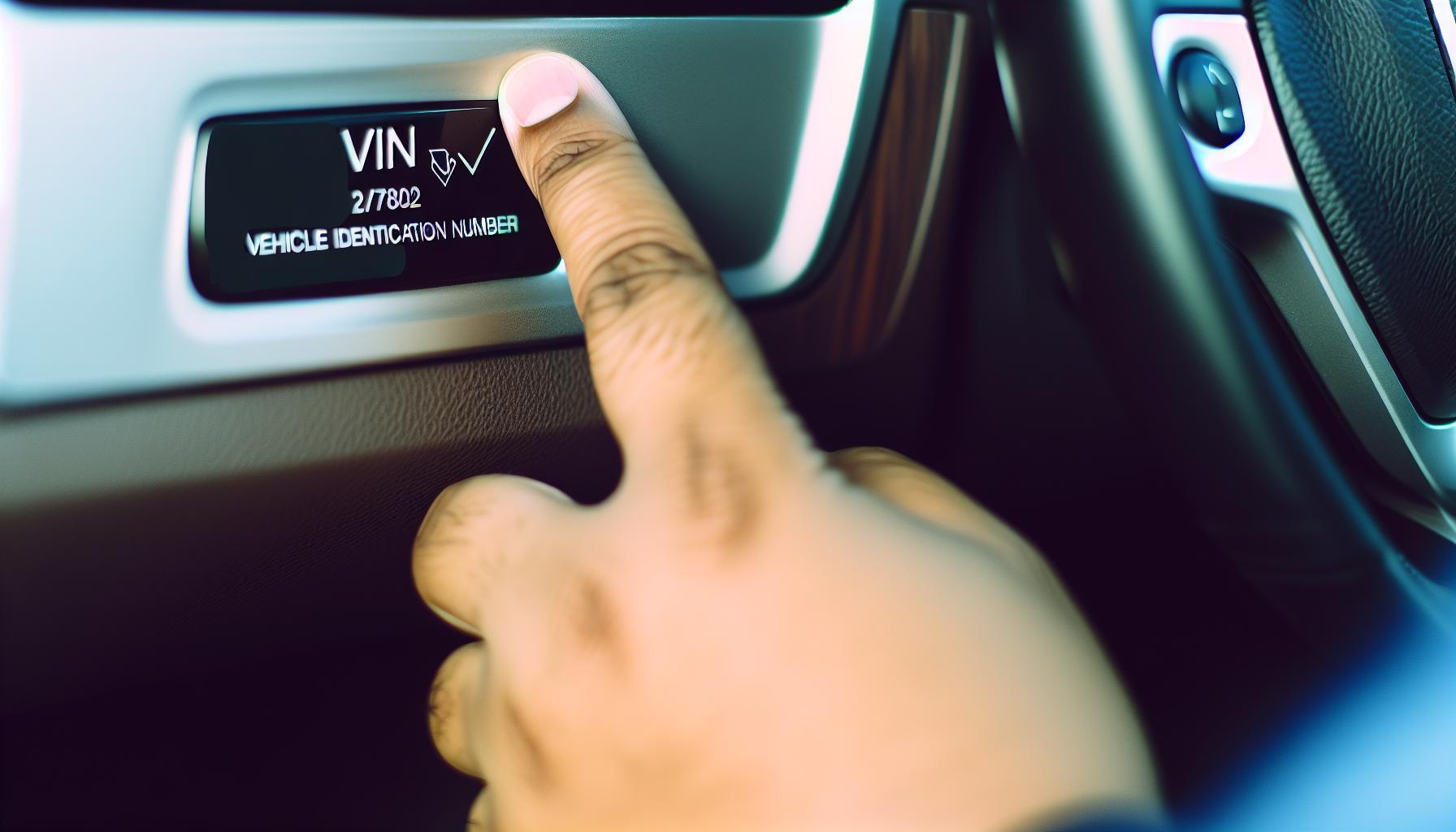
Decoding VIN: What Each Section Means
Every vehicle comes equipped with a unique identifier known as the Vehicle Identification Number (VIN), a critical tool for both vehicle owners and buyers. Understanding the structure of the VIN can unlock a wealth of information about your vehicle, including its origin, specifications, and history. This 17-character alphanumeric code is not merely a series of random characters; each segment has specific meanings that can provide insights into various aspects of the vehicle, from manufacturer details to features.
The VIN is divided into three primary sections:
The World Manufacturer Identifier (WMI)
The first three characters of the VIN form the WMI, which tells you the vehicle’s manufacturer and its country of origin. For example, a VIN starting with “WBA” indicates the vehicle is made by BMW in Germany. Knowing the WMI is useful for identifying manufacturer recalls or verification of authenticity.
The Vehicle Descriptor Section (VDS)
Characters four through nine make up the VDS, which provide information about the vehicle’s model, body style, engine type, and safety features. This segment is crucial for those looking to understand the vehicle’s capabilities and design specifications. For instance, if you see a code that denotes a turbocharged engine, this can be a significant factor for enthusiasts seeking performance vehicles.
The Vehicle Identifier Section (VIS)
The last eight characters in the VIN are the VIS, with the first six digits indicating the vehicle’s production number. The final two digits reveal the model year and production sequence. For example, if the last two digits are “20,” it signifies that the vehicle is from the 2020 model year. This section helps verify the vehicle’s age, critical for assessing value and whether the vehicle is still under warranty.
By familiarizing yourself with these sections, you can more confidently assess a vehicle’s status and history. Using online VIN decoders can further assist in breaking down these details. The ability to decode your VIN gives you a deeper understanding, helping you make informed decisions whether you’re buying a new car or researching your current vehicle’s specifications and history.

Uncovering Vehicle History: Maintenance and Accidents
When considering the purchase of a vehicle, understanding its history is crucial-especially when it comes to maintenance records and any past accidents. A thorough vehicle history can reveal potential red flags that could affect its reliability and overall value. Each VIN holds critical information that connects to comprehensive databases tracking everything from routine service to significant repairs. This means that with the right tools, prospective buyers can access a vehicle’s past performance and problems, which can significantly influence purchasing decisions.
Uncovering your vehicle’s maintenance history can provide insight into how well the car has been cared for. Regular maintenance is key to longevity, and knowing whether the vehicle has had timely oil changes, brake replacements, and other necessary services speaks volumes about previous ownership. For example, a vehicle that has consistently received maintenance at a reputable service center is generally a safer bet compared to one with sporadic records or no maintenance history at all. Many online services, such as autoDNA and VIN Mentor, provide detailed reports based on the VIN, making it easier to track this crucial information and help assess the vehicle’s current state and future reliability [[2]](https://www.autodna.com/) [[3]](https://vinmentor.com/country/europe/italy/).
Accident history is another pivotal aspect of a vehicle’s background. Understanding whether a car has been involved in serious accidents can affect its safety and resale value. Many vehicles are repaired after accidents, but the quality of repairs can vary widely. Online tools allow you to uncover whether repairs were reported, the severity of any previous incidents, and whether the car was deemed a total loss. Ensuring that you have this information before purchasing can save you from unexpected repairs and disappointments after your purchase.
In the context of Italy, utilizing the local databases and online VIN check services can facilitate easy access to this information. Such platforms can often provide a detailed breakdown of the vehicle’s entire history, including its maintenance and accident records, ensuring that you are well-informed before making a significant investment in your vehicle. Taking these steps can empower you to make informed decisions, paving the way for a more secure car ownership experience.
The Role of Government Databases in Vehicle History
Accessing vehicle history is essential in today’s automotive landscape, and government databases play a pivotal role in this process. In Italy, the official vehicle registration authority, known as the Ministero delle Infrastrutture e dei Trasporti (Ministry of Infrastructure and Transport), maintains comprehensive databases that track vital vehicle information. These records encompass a vehicle’s registration status, ownership history, and any reported incidents, allowing prospective buyers to make well-informed decisions. Utilizing these resources can illuminate a vehicle’s past and provide a clearer understanding of its current value and reliability.
One of the most useful tools for checking a vehicle’s history in Italy is the Pubblico Registro Automobilistico (PRA), which is essentially the public vehicle registry. This database enables users to verify the vehicle registration details, including whether the vehicle has been involved in any legal disputes, such as outstanding loans or fines. By entering the vehicle’s VIN, you can retrieve a wealth of information that outlines its legal standing, which is critical to avoid any potential liabilities associated with the vehicle. Accessing the PRA is typically available both online and in person, providing flexibility to users seeking this information.
Moreover, the Italian government has partnered with various online platforms to enhance accessibility to vehicle data. These partnerships not only streamline the process of retrieving historical data but also improve transparency. Before finalizing a purchase, you should check multiple databases, such as the Automobile Club d’Italia (ACI), to gather comprehensive information. These checks can reveal important aspects like previous accidents, odometer rollback, or even if the vehicle has been declared as a total loss. Given the complexities and potential pitfalls in the used car market, leveraging these government resources equips buyers with valuable insights that foster safer car ownership.
In summary, tapping into government databases for vehicle history checks is not only straightforward but crucial to ensure that you avoid unknowingly investing in problematic vehicles. These resources provide peace of mind, allowing you to focus on the joy of car ownership without the shadow of hidden issues. Whether you’re a first-time buyer or an experienced car enthusiast, understanding the importance of these records empowers you to make better choices on your automotive journey.
Interpreting Results: What to Look For
Understanding the details revealed by a vehicle’s VIN is critical, especially when buying a used car in Italy. Each section of a VIN can provide insights into the vehicle’s history, making it a powerful tool for informed decision-making. The first step is to access reputable databases such as the Pubblico Registro Automobilistico (PRA) and the Automobile Club d’Italia (ACI), where you can input the VIN to reveal important information.
When you check these databases, look out for the following key aspects:
Registration Status
- Current Ownership: Verify the registered owner against the seller’s information to ensure they are the legitimate owner.
- Legal Disputes: Check for any outstanding loans, fines, or legal claims associated with the vehicle that could pose future liabilities.
Accident and Damage History
- Previous Incidents: Review records for any accidents or damage claims. This can indicate the vehicle’s true condition and whether it has undergone repairs that might affect its safety and reliability.
- Service Records: Access maintenance history, which can reveal how well the vehicle has been cared for and if there are recurring issues.
It’s also crucial to assess odometer readings to guard against potential fraud, such as odometer rollback. Noticing discrepancies between reported mileage and service history can be a warning sign. Moreover, any vehicle listed as a total loss or declared salvage should be treated with caution, as it may involve safety risks or hidden damage.
Lastly, while interpreting the results, remember to consider external indicators such as prior ownership duration and usage type (personal vs. commercial). This information can provide further context to the data and help you determine whether the vehicle is a worthwhile investment. By meticulously analyzing these components, you ensure that your vehicle purchase is based on transparency and trust.
How to Spot a Fraudulent VIN
When considering the purchase of a used vehicle, the importance of a valid VIN cannot be overstated. Yet, many potential buyers overlook the fact that a vehicle identification number can be manipulated or even forged. These fraudulent VINs are often linked to stolen vehicles or automobiles that have been involved in serious accidents but are being misrepresented to unsuspecting buyers. Recognizing these red flags is critical in making an informed and secure purchase.
One of the first steps in identifying a fraudulent VIN is to inspect its physical location on the vehicle. Typically, the VIN is located on the dashboard near the windshield, on the driver’s side door frame, or on the engine block. If the number appears inconsistent, such as being poorly stamped or missing entirely, this could indicate tampering. It’s wise to compare the VIN found on the vehicle with the documents you receive, including the vehicle registration and insurance papers. Any discrepancies here should raise a red flag.
Additionally, take advantage of online VIN check services that offer free and premium options. These platforms can reveal the vehicle’s history, including information about past ownership, flood or accident history, and whether the vehicle has been reported stolen. If a vehicle shows a history inconsistent with its current condition, such as odometer readings that seem too low compared to the vehicle’s age or condition, this may suggest fraud. Furthermore, watch for vehicles advertised at a price that seems too good to be true, as this is often a tactic used to lure unsuspecting buyers.
Common Signs of a Fraudulent VIN
- Inconsistent or Missing VIN: Always ensure the VIN is present in multiple locations on the vehicle and matches across all documentation.
- Mismatched Documentation: Always verify that paperwork, such as the registration and title, aligns with the VIN you find on the vehicle.
- Odometer Discrepancies: Be cautious of unusually low mileage for a vehicle’s age; this could point to odometer rollback.
- Too Good to Be True Pricing: If the deal seems too cheap, it likely comes with hidden scandals behind the scenes.
By staying vigilant and using these tips, you’ll be better equipped to spot a fraudulent VIN and safeguard your investment. Always remember, it’s better to take the time to verify information than to risk purchasing a vehicle with a troubled past.
VIN Check Services: Free vs. Premium Options
When it comes to checking the history of a vehicle in Italy, understanding the differences between free and premium VIN check services can significantly impact your purchasing decisions. Using these tools effectively can reveal essential insights such as accident history, previous ownership, service records, and any potential title issues that may affect the vehicle’s value or your safety on the road.
Free VIN check services often provide basic information, allowing you to confirm the vehicle’s make and model, as well as some preliminary registration details. These tools are excellent for quick checks, filling initial investigative needs without any cost. However, they may lack depth; while they can indicate a vehicle has been reported stolen or has outstanding liens, they generally do not offer comprehensive results regarding accident reports or detailed service history.
In contrast, premium VIN check services, like those offered by CARFAX or AutoCheck, delve much deeper, providing detailed reports that include accident history, repair records, previous registration states, and more. Although these services come at a cost, the investment can prove invaluable, especially when contemplating a significant purchase like a used vehicle. With a premium report, potential buyers can also gain insights into market value based on the vehicle’s documented history, helping ensure that the price is fair and reflective of any issues that may have occurred.
Ultimately, the choice between free and premium services will depend on your specific needs. If you are in the early stages of considering a vehicle, starting with a free check can help you quickly weed out options. However, before making a final decision or transaction, investing in a premium report can offer peace of mind and ensure that you’re making an informed purchase based on a complete understanding of the vehicle’s past.
Motor Vehicle Certification in Italy
In Italy, the importance of motor vehicle certification extends far beyond merely registering a car. This certification ensures that vehicles meet safety and emissions standards, providing peace of mind to owners and buyers alike. One crucial tool in this certification process is the Vehicle Identification Number (VIN), which serves as a unique fingerprint for every vehicle on the road. Having a full understanding of a vehicle’s certification and history, confirmed through its VIN, is essential for making informed buying and owning decisions.
When purchasing a vehicle, whether new or used, buyers should thoroughly check the motor vehicle certification, which in Italy is managed by the Ministry of Infrastructure and Transport. This certification process includes verifying that the vehicle complies with mandatory inspections, emission tests, and recalls. The VIN plays a pivotal role in this process, as it allows potential owners to access the vehicle’s registration history, confirm its legal status, and check if it has passed the necessary inspections. You can obtain certification details from the Italian vehicle registration authority, known as the “Motorizzazione Civile.”
Moreover, for foreign buyers looking to import a vehicle to Italy, understanding the certification process is equally important. The imported vehicle must undergo roadworthiness testing and may require modifications to comply with Italian regulations. The VIN allows authorities to track the vehicle’s history, ensuring it meets safety and environmental standards before being registered. Ensuring that the vehicle has a valid and verifiable certification is vital; otherwise, you may face fines or even difficulties in registering the vehicle in Italy.
In summary, is a multifaceted process influenced heavily by the VIN. By utilizing this unique identifier, buyers can confirm a vehicle’s compliance with safety and emissions regulations, uncover its maintenance history, and ensure that it is a legitimate and safe investment. Whether you are purchasing locally or importing a vehicle, thorough checks using the VIN are an indispensable part of responsible vehicle ownership in Italy.
Frequently Overlooked Insights from Your VIN
Understanding your Vehicle Identification Number (VIN) can open a treasure trove of insights about your vehicle-much more than just its make and model. Beyond the surface, the VIN reveals critical information that is often overlooked, which can significantly influence your vehicle ownership experience. For instance, did you know that the VIN can indicate whether a car has been involved in a significant accident, or even if there are outstanding recalls? These details are essential for any car owner or prospective buyer and can ultimately save you from potentially costly mistakes.
One of the most vital yet frequently missed aspects of a VIN is its role in uncovering a vehicle’s history, including any previous registration states and odometer discrepancies. Each vehicle’s VIN is registered in various databases-both government and commercial-that track everything from accidents and repairs to theft reports. When purchasing a used vehicle, it’s imperative to check these records to ensure you are making a sound investment. Services like the Italian vehicle registration authority can provide details on both historical and current certification status, confirming if the vehicle meets Italian safety and emissions standards.
Another often overlooked insight pertains to the potential for identifying fraudulent activities. A VIN can be altered or cloned, but knowing what to look for can empower you as a buyer. Simple checks, like verifying the VIN on the vehicle against documentation and ensuring that all VIN-related areas on the vehicle match, can help you spot inconsistencies. For example, if the VIN on the dashboard does not match the one on the registration documents, this could indicate foul play. Utilizing free VIN check services as a starting point can help you cross-reference key information before committing to a purchase.
Lastly, remember to consider the specific nuances of your vehicle’s brand when interpreting your VIN. Different manufacturers may have unique coding systems embedded within the VIN. Familiarize yourself with how your brand represents specific attributes; for instance, a Toyota’s 10th character indicates the model year, while Ford has specific codes indicating the plant of manufacture. This knowledge can enhance your understanding of your vehicle’s origins, empowering you to make informed decisions regarding maintenance, modifications, or resale. By being proactive and digging deeper into your VIN, you can better navigate the complexities of vehicle ownership and ensure that you are fully informed about your asset.
Tips for Using VIN Data in Car Buying Decisions
Using the Vehicle Identification Number (VIN) effectively can dramatically influence your car buying decisions. This unique string of letters and numbers serves as a window into the history and background of the vehicle you’re considering. By analyzing the VIN, you can uncover vital information that can help you avoid costly mistakes and empower you to negotiate better terms.
Start by performing a VIN check through reputable services that provide detailed history reports. These reports not only highlight accidents, previous ownerships, and any title issues, but they also can indicate whether the car has been involved in any recalls or has outstanding liens. Sites like the Italian Ministry of Infrastructure and Transport can verify vehicle registration status in Italy, ensuring that all records match what the seller claims. Familiarize yourself with the process of decoding VINs, as different manufacturers embed unique identifiers into their codes-understanding these nuances can give you deeper insights into a vehicle’s specifications and history.
When viewing a used vehicle, always cross-reference the VIN found on the dashboard and the windows with the documents provided by the seller. It’s critical that all instances of the VIN match; any discrepancies could suggest that the vehicle has been stolen or altered. Additionally, consult various databases to check for maintenance records. A well-documented service history indicates responsible ownership and can often mean the vehicle has been cared for properly.
Lastly, approach the negotiation with confidence knowing what the VIN reveals about the vehicle’s past. If the report suggests major issues, use these findings to negotiate a fair price. For example, if the car has been involved in a significant crash, that can justify a lower offer. Remember, knowledge is power; being well-informed about what the VIN indicates can influence your purchasing decision, ensuring you get a good deal while avoiding potential pitfalls.
Faq
Q: What is the process for checking a vehicle’s history using its VIN in Italy?
A: To check a vehicle’s history in Italy using its VIN, visit an online VIN decoder or vehicle history service. Enter the VIN, and you will receive a detailed report including previous owners, accident history, and maintenance records. This information is crucial before purchasing a used vehicle.
Q: Where can I find my VIN in an Italian vehicle?
A: The VIN of an Italian vehicle can typically be found on the dashboard, near the windshield, or on the driver’s side door frame. It is also present in the vehicle registration documents. Check these locations to locate your VIN easily.
Q: Why is it important to check a VIN before buying a used car in Italy?
A: Checking a VIN before purchasing a used car in Italy is essential as it reveals crucial information like accident history, mileage discrepancies, and previous ownership. This helps prevent buying a vehicle with hidden issues, ensuring a safer purchase.
Q: What should I do if the VIN does not match the vehicle’s documents?
A: If the VIN does not match the vehicle’s documents, do not proceed with the purchase. This mismatch may indicate fraud or theft. Contact local authorities to investigate the discrepancy before making any decisions.
Q: Are there any free services to check a vehicle’s history in Italy by VIN?
A: Yes, several online platforms offer free VIN checks, providing limited information such as basic vehicle details and ownership history. However, for comprehensive reports, consider premium services that may charge a fee for detailed insights.
Q: How can I decode a VIN to understand its details?
A: To decode a VIN, use an online VIN decoder tool. These tools break down the VIN into information about the make, model, year, engine type, and more. Understanding these details can help you verify the vehicle’s specifications before purchase.
Q: Can I use a VIN from a foreign vehicle to check its history in Italy?
A: Yes, you can use a VIN from a foreign vehicle to check its history in Italy, provided the VIN conforms to standard formats. Use a reliable VIN decoder or vehicle history service to obtain the necessary information.
Q: What are the legal implications of a fraudulent VIN in Italy?
A: The use of a fraudulent VIN in Italy can lead to severe legal consequences, including fines and potential criminal charges. If you suspect a VIN is fraudulent, report it to the local authorities immediately to avoid legal issues.
The Way Forward
Unlock the full potential of your Italian vehicle ownership with VIN Italy. By checking the vehicle registration and history through our easy-to-use platform, you gain critical insights that empower your buying and ownership decisions. Don’t wait-take advantage of our comprehensive VIN check today and ensure that you make informed choices based on accurate data.
Explore related resources like our guide on how to decode VINs, or discover tips for navigating vehicle history reports. If you have any questions or need assistance, don’t hesitate to reach out or leave a comment below; we’re here to help! Remember, staying informed about your vehicle is essential-join our newsletter for expert tips and industry insights, and keep your automotive knowledge sharp.
Your journey into the world of vehicles starts here. Make the most of your investment and drive with confidence!
Erhalten Sie unsere neuesten Ratgeber, News und Analysen hervorgehoben in der Google-Suche und in AI Overviews.