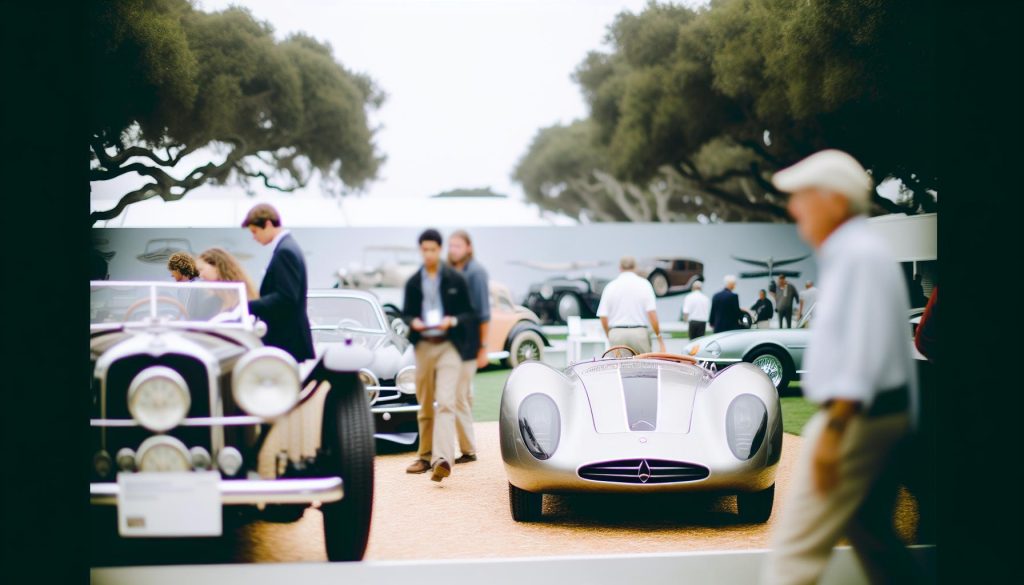
The automotive world is filled with remarkable vehicles that have shaped history, yet few have left a mark as profound as the best cars ever made. In our journey through the “Top 10 Legends Ranked,” we celebrate iconic models that defined eras, sparked passions, and redefined transportation. From the beloved Ford Model T to the powerful Ferrari 458, each car tells a story of innovation and design that resonates with enthusiasts and everyday drivers alike.
Knowing the legends behind these vehicles not only satisfies our curiosity but also deepens our appreciation for the engineering and creativity within the automotive industry. As you explore this list, consider how these legends reflect on your own experiences and aspirations with cars. Whether you’re a seasoned car lover or just beginning to explore the automotive landscape, discovering the best of the best promises insights and inspiration for all. Join us as we dive into the thrilling world of automotive excellence and unveil which cars made the cut as the greatest in history!
The Iconic Cars That Changed Automotive History
The automotive landscape has been profoundly shaped by a select few vehicles that not only excel in engineering or aesthetics but also redefine what driving means. Iconic cars like the Ford Model T, Volkswagen Beetle, and Ferrari 250 GTO have made indelible marks on both the industry and culture, making them legendary in their own rights. Each of these vehicles brought about significant shifts, from accessibility and mass production to design innovations and performance breakthroughs, elevating their status beyond mere transportation to symbols of change.
The Ford Model T revolutionized the automotive landscape by introducing mass production techniques through the assembly line, making personal vehicles affordable for the average American. This shift not only transformed the economy but also influenced suburban expansion and the very fabric of American society, as cars became essential for mobility. Similarly, the Volkswagen Beetle became an icon of the 1960s, symbolizing countercultural movements and social change, while appealing to a global audience with its unique design and reliability.
In terms of performance, the Ferrari 250 GTO stands out as a pinnacle of automotive engineering. Its combination of speed, power, and limited availability resulted in it becoming one of the most revered cars in history, with prices at auctions reaching astronomical figures. The GTO’s influence extends beyond its racing pedigree; it represents the height of Italian design and artisanal craftsmanship which continues to inspire car enthusiasts and collectors to this day.
Throughout history, iconic cars have not only pushed the boundaries of innovation in their respective eras, but they have also resonated deeply with the public imagination. This enduring legacy is why certain models are more than just cars; they are timeless symbols of an age, each telling its story through every curve and horsepower. Whether through technological advancements or cultural relevance, the cars that changed automotive history offer lessons and inspiration for future generations of designers and drivers alike.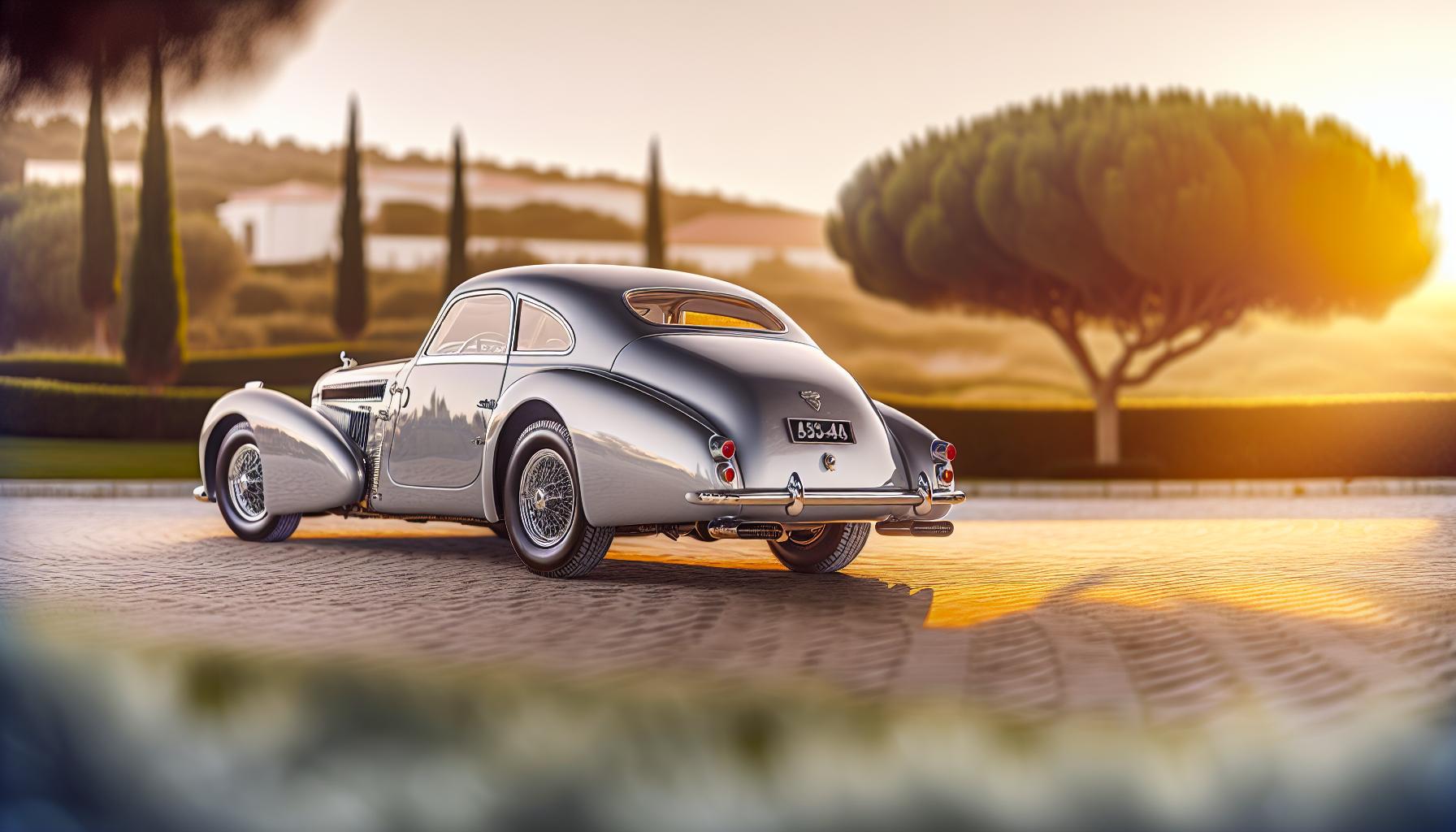
What Makes a Car a Legend?
A car becomes legendary not just by its design or performance but through its impact on culture, technology, and society at large. For instance, the Ford Model T didn’t just revolutionize the automotive world; it transformed personal transportation for the masses, fundamentally changing lifestyles and influencing economic structures. A vehicle’s ability to resonate with the public, evoke emotions, and embody an era defines its legendary status. The stories and experiences associated with these cars become intertwined with personal memories and broader social movements, rendering them timeless symbols that reflect the values and aspirations of their times.
When assessing what makes a car legendary, several key factors emerge:
Performance and Innovation
The prowess of a car is often evident in its engineering and performance attributes. Legendary vehicles frequently push technological boundaries, introducing innovations that set new standards for the industry. For example, the Ferrari 250 GTO not only achieved remarkable speed and handling but also showcased cutting-edge design and manufacturing techniques, establishing it as a benchmark in performance cars.
Cultural Significance
Cultural impact plays a crucial role in a car’s legacy. The Volkswagen Beetle, with its unmistakable shape and reliable performance, became an emblem of the counterculture movement in the 1960s, promoting ideals of freedom and individuality. Its cultural relevance transcends mere function, carrying with it stories of rebellion and hopes for change that resonate even today.
Design and Aesthetics
A car’s design can capture the public’s imagination and often contributes to its legendary status. Vehicles that embody aesthetic excellence or innovative design principles tend to stand out. The Lamborghini Countach, for instance, is celebrated not only for its performance but also for its bold, futuristic looks that continue to inspire automotive design.
Collectability and Investment
Finally, the rarity and collectability of a vehicle can elevate its status from popular to legendary. Collectors often seek out cars that are limited in production, possess historical significance, or showcase remarkable engineering. This rarity creates a nostalgia and desirability that cement these cars in the annals of automotive history.
In summary, a legendary car, much like a legendary figure, is defined by its transformative impact-be it through innovation, cultural significance, stunning design, or collectability. These vehicles become more than mere machines; they symbolize ideals, evoke memories, and inspire future generations, securing their place in automotive history.
Top 10 Criteria for Ranking Legendary Cars
When evaluating what qualifies a car to be among the legends of automotive history, several essential criteria come into play. These factors not only highlight the vehicle’s capabilities but also assess its impact on the automotive landscape and culture at large. Here are the top ten criteria for ranking legendary cars:
- Performance and Innovation: Exceptional performance, whether in speed, handling, or overall driving experience, is crucial. Legendary cars often introduce groundbreaking technologies, like the turbocharged engines of the Porsche 911 or the aerodynamic designs of the Mercedes-Benz 300SL.
- Cultural Impact: Vehicles that resonate with social movements or popular culture gain legendary status. The Volkswagen Beetle, embraced by countercultural movements of the 1960s, is a prime example of how a car can symbolize freedom and independence.
- Design and Aesthetics: A striking design can make a car iconic. The sleek contours and bold presence of the Lamborghini Countach have cemented its place in automotive lore, influencing designers for decades.
- Historical Significance: Cars that have played pivotal roles in automotive history or have been involved in significant events often gain legendary status. The Ford Model T revolutionized personal transportation, forever changing the landscape of American society.
- Technological Advancements: Innovations in engineering and technology set legendary cars apart. The introduction of fuel injection or hybrid technology can elevate a car’s status, marking it as a pioneer in its category.
- Collectability: Rarity can significantly impact a vehicle’s legendary status. Limited production models, like the Ferrari 250 GTO, have become priceless collectibles, sought after by enthusiasts and investors alike.
- Legacy and Continuity: Some cars maintain their legacy through continued production or success in motorsports. The Corvette, for instance, has evolved while retaining its performance DNA, captivating multiple generations of enthusiasts.
- Fan and Enthusiast Support: Passionate communities and a loyal fanbase contribute to a car’s legendary status. Events like car shows or online forums dedicated to specific models underscore their significance in automotive culture.
- Driving Experience: The emotional connection drivers feel when behind the wheel can elevate a car to legendary status. Iconic cars often evoke a sense of thrill and nostalgia, as observed with cars like the Chevrolet Camaro and its muscle car heritage.
- Media Representation: Appearances in films, television, and media can boost a car’s profile. The Aston Martin DB5 is synonymous with James Bond, forever linking it to adventure and sophistication, enhancing its legendary status.
By considering these criteria, automotive enthusiasts, collectors, and casual observers can gain a deeper understanding of what makes certain vehicles truly legendary in the vast tapestry of automotive history. Each of these elements plays a vital role in transcending a vehicle from being just a mode of transport to becoming a cherished icon that resonates with people across generations.
In-Depth Profiles of Each Legendary Car
The allure of legendary cars goes beyond mere specifications. Each vehicle tells a story steeped in history, design, and cultural significance, capturing the imagination of enthusiasts and collectors alike. A closer examination of these automotive icons reveals why they are revered as the best ever made. Here, we host in-depth profiles of ten such legendary cars, highlighting their unique attributes and impact on automotive history.
1. Ford Model T
Introduced in 1908, the Ford Model T didn’t just change how Americans traveled; it revolutionized transportation on a global scale. Its assembly line production method made car ownership accessible to the masses, setting the standard for industrial manufacturing. With a simple design and powerful 20-horsepower engine, the Model T’s affordability sparked a transformation of society into one based on mobility. It’s often hailed as the car that “put America on wheels.”
2. Porsche 911
The Porsche 911 debuted in 1964, quickly establishing itself with a distinctive silhouette and innovative rear-engine layout. Renowned for its handling and performance, the 911 embodies the spirit of automotive excellence and offers drivers an exhilarating experience. Its year-on-year evolution has allowed it to remain relevant, making it a perennial favorite among car enthusiasts and a symbol of sporty elegance.
3. Volkswagen Beetle
A true symbol of the counterculture movement of the 1960s, the Volkswagen Beetle’s quirky design and straightforward mechanics endeared it to millions worldwide. Its production began in the 1930s, but it truly gained fame post-war. Its cultural significance and storied legacy have made it one of the most recognizable cars in automotive history. The Beetle’s charm reflects a sense of freedom and individuality that continues to resonate today.
4. Chevrolet Corvette
Since its launch in 1953, the Chevrolet Corvette has become synonymous with American muscle and performance. The sleek, aerodynamic design combined with powerful V8 engines has made the Corvette a staple in performance car circles. Continually evolving while retaining its signature identity, the Corvette symbolizes American ingenuity and excitement on the open road.
5. Lamborghini Miura
Introduced in the 1960s, the Lamborghini Miura is often credited with establishing the layout of modern supercars-a mid-engine design that emphasized speed and agility. Its stunning looks and thrilling performance made it a coveted status symbol among the elite. The Miura represents the fusion of art and engineering, and its legacy is felt in every exotic car that followed.
6. Ferrari 250 GTO
With only 39 units produced between 1962 and 1964, the Ferrari 250 GTO is not just a car but a piece of history. Its racing pedigree, combined with its striking design, has led it to become one of the most expensive cars ever sold. The 250 GTO’s legacy in both motorsports and automotive design secures its legendary status among collectors and enthusiasts alike.
7. Aston Martin DB5
Made famous by its association with James Bond, the Aston Martin DB5 epitomizes luxury and sophistication. Featuring a 4.0-liter straight-six engine, the DB5 combines elegance with impressive performance. Its role in film history, along with timeless design, has cemented its status as an icon of British motoring excellence.
8. Mercedes-Benz 300SL Gullwing
The 300SL Gullwing, introduced in 1952, was groundbreaking not just for its unique doors but also for its technological innovations, including fuel injection. A masterpiece of design and engineering, it was the fastest production car of its time. The 300SL continues to inspire admiration for its aesthetics and performance, making it a true automotive legend.
9. Toyota Land Cruiser
As one of the longest-running series of vehicles, the Toyota Land Cruiser has built a reputation for durability and versatility. Since its introduction in the 1950s, it has gained a loyal following among adventurers and outdoor enthusiasts, symbolizing reliability in harsh conditions. Its blend of off-road capability and everyday usability makes it a beloved vehicle globally.
10. Tesla Model S
A modern contender for legendary status, the Tesla Model S has redefined expectations for electric vehicles with its impressive performance, range, and innovative technology. Its sleek design and robust features have popularized electric cars, paving the way for the future of automotive travel. As a leader in sustainable driving, the Model S represents a seismic shift in the industry, potentially shaping the next chapter of automotive history.
Each of these vehicles has left an indelible mark on the automotive world, celebrated not only for their engineering and performance but also for their roles in shaping culture, industry standards, and our emotional connections with cars. They exemplify what it means to be legendary and have influenced countless models and drivers through the decades.
Performance: Speed, Power, and Innovation
The world of automotive performance is a thrilling realm where speed, power, and innovation collide, creating a symphony of engineering excellence that defines legendary cars. Each of the iconic vehicles we recognize today brought something unique to the table, transforming how we perceive driving and automotive capability. The Ford Model T initiated a revolution with its affordable production methods, while the Tesla Model S continues to redefine performance parameters for electric vehicles, pushing boundaries that were once thought insurmountable.
Performance in legendary cars often embodies a combination of raw power and advanced technology. For instance, the Chevrolet Corvette has long stood as a paragon of American muscle. Its powerful V8 engines and lightweight construction enable it to achieve breathtaking speeds and agile handling, making it a favorite on both the streets and racetracks. Similarly, the Lamborghini Miura’s mid-engine layout was revolutionary, allowing it to maintain a perfect weight distribution that enhances speed and agility. Such innovations lay the foundation for what enthusiasts expect from high-performance vehicles today.
Another critical aspect of performance is the technological advancements that fuel it. The Mercedes-Benz 300SL Gullwing was not only the fastest production car of its time but also introduced innovative features like direct fuel injection, which significantly enhanced engine efficiency and power output. These innovations have a lasting impact, inspiring future designs across the automotive landscape. Cars like the Porsche 911 leverage decades of engineering refinement, marrying robust performance with everyday usability, thus embodying the evolution of sports cars into a multifaceted entity that caters to both enthusiasts and casual drivers alike.
Ultimately, the legends of automotive history are defined not just by their speed or power but by their ability to innovate and resonate with drivers. These vehicles prove that true performance is an amalgamation of engineering prowess, cutting-edge technology, and an emotional connection to driving. As future classics emerge, they will undoubtedly continue the legacy of blending speed, power, and innovation, pushing the limits of what cars can achieve on both the road and the racetrack.
Design and Aesthetics: Beauty of the Beast
The aesthetic appeal of legendary cars transcends mere functionality; it speaks to the soul of automotive design. Each contour and curve tells a story, capturing the essence of innovation, passion, and artistry. From the swooping lines of a classic Jaguar E-Type to the bold stance of a modern Lamborghini, these vehicles are not just machines but cultural icons. The design of these cars often reflects the era from which they emerged, showcasing the prevailing trends and technological advancements of the time while also pushing boundaries to create something timeless and unforgettable.
Design Philosophy and Innovation
At the heart of automotive legends is a design philosophy that prioritizes both form and function. Take, for instance, the Mercedes-Benz 300SL Gullwing, renowned for its iconic doors and streamlined silhouette. This car didn’t just look good; it was engineered to perform, with a focus on aerodynamics that was revolutionary for its time. Similarly, the Porsche 911 stands out with its distinctive round headlights and curved body, an enduring design that has adapted over the decades without losing its core identity. Such designs are a testament to how aesthetics can enhance performance; an aerodynamic profile can reduce drag, improving speed and fuel efficiency-an essential consideration for any legend.
The Art of Materials and Craftsmanship
Materials play a crucial role in elevating automotive aesthetics. Legendary cars often utilize high-quality materials that enhance both look and feel, such as leather interiors, exotic woods, and meticulously crafted metal trims. For example, the Ferrari F40 embodies a raw, aggressive beauty with its carbon fiber and lightweight construction that not only contributes to performance but also presents a striking visual appeal. The craftsmanship involved in these vehicles is often unparalleled, where every detail is meticulously considered to create a harmonious blend of luxury and sportiness. This commitment to quality ensures that each vehicle is not just a car but a piece of art.
Embracing the heritage of legendary automobiles involves appreciating the balance they strike between bold design and practical engineering. This unique interplay is what draws car enthusiasts and collectors alike. Cars that resonate on an emotional level, whether through nostalgia or sheer admiration for their beauty and innovation, create a lasting impact in the automotive world. As new models emerge, the challenge remains: how to combine past influences with future designs to keep the spirit of legendary vehicles alive. The pursuit of beauty in automotive design is ongoing, ensuring that enthusiasts will always have something to appreciate in every gleaming sheet of metal and every elegantly sculpted line.
Cultural Impact and Popularity Over Time
The legacy of iconic cars transcends mere technical specifications or production numbers; these vehicles embody cultural significance that resonates with enthusiasts and the general public alike. From the Ford Model T’s role in popularizing automobile ownership to the Volkswagen Beetle’s status as a symbol of the counterculture movement, legendary vehicles are deeply interwoven with the social fabric of their times. Cultural moments are often shaped by these cars, sparking movements, shaping identities, and even influencing art and media. When we think about what makes a car legendary, it’s essential to recognize how these vehicles have become symbols of innovation and freedom, capturing the spirit of their era.
For instance, the Chevrolet Corvette, introduced in 1953, quickly became synonymous with American muscle and performance. Its sleek lines and powerful engines appealed not only to the speed-loving consumer but also to the burgeoning car culture of the post-war era, making it an enduring icon in both automotive and pop culture. Similarly, the Mini Cooper, known for its compact design and cheeky personality, has retained a loyal fanbase for decades. Its appearance in films such as “The Italian Job” solidified its status in popular culture, making it not just a mode of transportation but a character in its own right.
The popularity of certain models can also be traced back to their technological advancements and design innovations that set trends and implied a lifestyle. The Datsun 240Z, for example, captivated sports car enthusiasts in the 1970s with its blend of performance, style, and affordability, reshaping the American perception of Japanese cars. Cars like the Tesla Model S are modern examples, revolutionizing the automotive industry with electric power and advanced technology while influencing environmental consciousness among consumers.
Legends are often born from their ability to resonate with diverse demographics, from teenagers lusting after their first car to collectors seeking rare investments. The emotional connection people have with these vehicles can be profound, influencing how they perceive and engage with automotive culture. This connection often leads to a strong community formed around these iconic models, where stories, experiences, and aspirations are shared, ensuring that their allure remains vibrant over time. Thus, the cultural impact of legendary cars not only highlights their historical significance but also emphasizes their ongoing relevance in contemporary society, carving a permanent place in the hearts and minds of generations.
Technological Advancements in These Classics
Many legendary cars are remembered not just for their design or cultural impact, but also for the technological advancements they brought to the automotive world. Take the Ford Model T, for instance. Introduced in 1908, it revolutionized mass production with its assembly line manufacturing techniques, making the automobile affordable for the average American. This was a game-changer not only for the automotive industry but for society at large, facilitating mobility and freedom like never before.
Next, consider the introduction of fuel injection in sports cars, with models like the Mercedes-Benz 300SL Gullwing showcasing the technology in the 1950s. This advanced system improved performance and efficiency by optimizing the air-fuel mixture in the combustion chamber. Similarly, the use of independent suspension systems in classic models such as the Corvette allowed for better handling and a smoother ride, enhancing the overall driving experience. These engineering breakthroughs set standards that would influence countless vehicles to follow.
As the automotive landscape evolved, so did the innovations. The Datsun 240Z was one of the first Japanese cars to make a significant impact in the American market, marrying affordability with performance characteristics that were previously dominated by European sports cars. It featured a lightweight design and a powerful inline-six engine, proving that great performance didn’t have to come with an exorbitant price tag.
Today, cars like the Tesla Model S represent a quantum leap in technological advancement, integrating electric propulsion with cutting-edge software that enhances safety and driving dynamics. The Model S redefined expectations for electric vehicles (EVs) not only in terms of range and performance but also by introducing features like Autopilot, which paved the way for future developments in autonomous driving technologies. Each of these iconic vehicles contributed to a certain ethos, rapidly advancing automotive technology while reshaping consumer expectations in thrilling ways.
In conclusion, the legacy of these legendary cars is deeply connected to their technological innovations. From the assembly line to electric driving, they have pushed the boundaries of what is possible, continuing to inspire engineers and enthusiasts alike. As we look toward the future, it’s clear that every groundbreaking feature or system introduced in these classics has laid the groundwork for the next generation of automotive legends.
Collectability and Investment Potential
Investing in classic cars can be a thrilling endeavor, combining passion with potential profitability. Legendary vehicles, particularly those that have made historical significance, often yield significant returns. The classic car market is driven by rarity, condition, provenance, and brand reputation, making it crucial for potential buyers and collectors to understand what makes a car genuinely collectible.
When contemplating collectability, the first factor to consider is rarity. Limited production numbers can significantly increase a car’s desirability. For instance, the 1937 Talbot-Lago T150-C-SS, known for its stunning design and exclusivity, fetches millions at auctions due to its scarce production. Ownership history, or provenance, also plays a pivotal role; a vehicle with a celebrity owner or one that played a part in an iconic film can skyrocket in value.
Many collectors also look at the condition of the vehicle. A car that is well-preserved or restored using original parts will generally be more valuable than one that has been poorly maintained or modified. Potential buyers should also consider the impact of market trends. Certain models may gain popularity during specific eras due to shifts in pop culture or collector interests, making it essential to keep an eye on what’s trending in the classic car community.
In addition to these factors, another aspect to consider is the investment potential associated with classic cars. Some models, such as the Ferrari 250 GTO, have seen their values rise exponentially over the years, often yielding returns that outpace traditional investments like stocks or real estate. To maximize investment potential, it’s advisable to stay informed about auction results, attend classic car shows, and join collector clubs that can provide insights into the market.
In summary, building a classic car collection isn’t just about passion; it’s also a strategic investment. Understanding the elements of rarity, condition, provenance, market trends, and investment potential can empower collectors to make informed decisions. Whether it’s a vintage Porsche or a classic American muscle car, the right choice can lead to both personal enjoyment and financial gain.
Fan Favorites: Cars That Resonate with Enthusiasts
There’s something inherently captivating about classic cars that transcends time and trends. For automotive enthusiasts, certain vehicles hold a near-mythical status, not just for their engineering excellence but also for the emotional connections they foster. These fan favorites, often revered as the best cars ever made, are laden with stories that resonate deeply within the car community, elevating them from mere machines to cultural icons.
One notable example is the Ford Mustang, which debuted in 1964 and revolutionized the American automotive landscape. Its irresistible blend of style, speed, and affordability captured the hearts of young drivers and enthusiasts alike, spawning a legion of fans that endures to this day. The Mustang’s cultural significance is underscored by its appearances in countless films and music videos, making it a symbol of freedom and rebellion. Its different iterations have allowed it to adapt to changing tastes while maintaining its core appeal, solidifying its status as a perennial favorite among collectors.
Another icon is the Porsche 911, known for its distinctive design and thrilling performance. First introduced in 1964, the 911 has continuously evolved, offering cutting-edge technology while retaining its classic charm. Enthusiasts admire not just its aesthetics but also its engineering-its rear-engine layout and precise handling provide a driving experience that excites both on the track and on winding roads. The Porsche 911’s loyal following is a testament to its ability to resonate with those seeking a true sports car experience, making it a staple in collections worldwide.
Why These Cars Resonate
Both vehicles exemplify qualities that resonate with car lovers: heritage, performance, and cultural impact. Fans appreciate the craftsmanship, the exhilarating drive, and the stories behind the brands. Additionally, the community surrounding these cars-from forums to car shows-nurtures a shared passion that brings enthusiasts together, making these classics not only vehicles but also vehicles of connection.
As you explore the automotive world, consider the legends that speak to you personally. Whether it’s the roar of a classic V8 engine or the sleek lines of a coupe, investing in a fan favorite can lead to more than just ownership-it can perfect your journey as an enthusiast, filled with community and stories as rich as the cars themselves.
Behind the Wheel: Driving Experiences of Legends
Experiencing the drive of a legendary car is more than just getting from point A to point B; it’s about feeling the legacy of automotive innovation beneath your fingertips. Legends like the Ford Mustang and Porsche 911 offer not just exhilarating speed and performance, but also a rich tapestry of history that enhances the driving experience. Sitting behind the wheel of these classics deeply connects you to a past where engineering feats transformed transportation into a form of art.
The Ford Mustang, for instance, is celebrated not only for its formidable V8 engine but also for the visceral thrill when you press the accelerator. With a low center of gravity and a rear-wheel-drive setup, its handling characteristics provide that essential connection to the road. Drivers often describe the experience as a symphony of horsepowers, engine roar, and the wind rushing by. For many, it’s the embodiment of freedom-an open road, the rumble of the engine, and the iconic Mustang grille offering a sense of rebellion and nostalgia.
Similarly, the Porsche 911 commands attention with its unique layout and precision engineering. Its rear-engine design allows it to hug the road tightly, and when you corner at speed, the feeling of control is both empowering and exhilarating. Enthusiasts often remark on how the steering feedback and balance make every turn feel like an intimate dance between the driver and the car. The sound of the flat-six engine is an orchestra of engineering brilliance, thrilling enthusiasts as much now as it did decades ago.
With these cars, the experience is further heightened when you consider the details that seasoned collectors and drivers appreciate. Whether it’s the tactile pleasure of the gear shift in a manual 911 or the roar of the Mustang’s exhaust, these elements work together to make each drive unforgettable. Iconic cars are not merely about how fast they go; they encapsulate memories, powerful emotions, and connections to a larger community of automotive lovers. These vehicles allow their drivers to become part of an ongoing narrative, where each journey is an opportunity to honor automotive history even as they carve their own unique path through the world.
Future Legends: What’s Next in Automotive History
Imagine a world where electric cars compete with the thrill of traditional muscle and sports cars. The future of automotive history is not just defined by what has come before but also by the innovations and revolutions happening today. As we witness advancements in electric and hybrid technologies, vehicles like the Tesla Model S and Rimac Nevera are paving the way for what will be considered legendary in years to come. These cars are not just about zero to sixty times; they embody a technological shift that promises high performance while being environmentally conscious.
Automakers are investing heavily in autonomous driving capabilities, and this could redefine what makes a car legendary. The Waymo One, now active in select areas, showcases the potential of self-driving technology, allowing passengers to experience travel in a way that removes the need for traditional control. The drive becomes a time to relax, work, or enjoy the scenery-a significant departure from the current driving experience. As automation advances, the relationship between driver and vehicle will evolve, possibly leading to a new category of automotive legends celebrated for their innovation in user experience.
Moreover, the design and aesthetic of future vehicles promise to challenge conventions. Companies like Lucid Motors and BMW are experimenting with sustainable materials, looking to create vehicles that not only perform well but also leave a minimal environmental footprint. The BMW iX, for example, offers a glimpse into a future where luxury and sustainability go hand in hand. As these innovations hit the market, they could become highly sought after collectibles, captivating future enthusiasts.
In this exciting landscape, it’s important to watch emerging brands and concepts that come from outside the traditional automaker hierarchy. Brands like Polestar and NIO are crafting unique identities that blend performance with sustainability, appealing to a new generation of drivers. As they gain traction, their models may rise through the ranks to become the legends of tomorrow, reflecting a shift in societal values toward sustainability and connectivity. The narrative of automotive history will continue to evolve, and those who stay informed will be better equipped to appreciate and perhaps invest in the next generation of legendary cars.
Q&A
Q: What is considered the best car ever made in history?
A: The best car ever made is subjective and varies by criteria. However, many enthusiasts cite models like the Ferrari F40, Porsche 911, and Ford Model T due to their exceptional performance and cultural impact. Exploring these cars can lead to understanding what qualifies them as legends in automotive history.
Q: How do car legends impact automotive culture?
A: Car legends significantly influence automotive culture by shaping trends, inspiring designs, and creating communities. They serve as icons, representing engineering excellence and driving passion. Understanding their stories can enhance your appreciation for automotive history, as detailed in sections like “Cultural Impact and Popularity Over Time.”
Q: What criteria are used to rank legendary cars?
A: Ranking legendary cars typically involves criteria such as performance, design, innovation, and cultural relevance. These factors help evaluate a vehicle’s importance in the context of automotive history, as discussed in “Top 10 Criteria for Ranking Legendary Cars.”
Q: How have technological advancements influenced legendary cars?
A: Technological advancements have played a pivotal role in making some cars legendary, enhancing performance and safety. Innovations like turbocharging and lightweight materials have transformed models like the Porsche 911, making them benchmarks in the industry. This is elaborated in the article’s section on “Technological Advancements in These Classics.”
Q: What are some common features of legendary cars?
A: Legendary cars often share features like iconic design, groundbreaking technology, and exceptional performance. For instance, they might include unique body styles, innovative engines, and legendary driving experiences, enticing car lovers to explore more about them.
Q: When were the first iconic cars introduced?
A: The first iconic cars emerged in the early 20th century, with the Ford Model T being one of the most significant, introduced in 1908. Its affordability revolutionized car ownership, marking a pivotal moment in automotive history discussed in “The Iconic Cars That Changed Automotive History.”
Q: Why are collector cars considered investments?
A: Collector cars are seen as investments due to their potential to appreciate in value over time. Factors such as rarity, condition, and historical significance contribute to their desirability. Recent trends show a growing market for classic cars, discussed in “Collectability and Investment Potential.”
Q: What driving experiences make legendary cars memorable?
A: Legendary cars often provide thrilling driving experiences, characterized by responsive handling, powerful acceleration, and unique driving dynamics. These elements make them not just vehicles but exhilarating experiences, as explored in “Behind the Wheel: Driving Experiences of Legends.”
Final Thoughts
Thank you for exploring our ranking of the “Best Cars Ever Made in History: Top 10 Legends.” Each vehicle on this list represents a blend of innovation, performance, and cultural significance, affirming why they’ve earned their legendary status. Before you head off, don’t miss out on our in-depth article about the “Future of Automotive Technology” to see what innovations could shape the next generation of cars, or check out our guide on “Classic Cars: A Buyer’s Guide” if you’re considering investing in a piece of history.
If you found this list insightful, consider subscribing to our newsletter for more updates on automotive trends, reviews, and exclusive content. Have a question or a favorite that didn’t make our list? We encourage you to leave a comment below-your thoughts could be featured in our next discussion!
Remember, the world of cars is constantly evolving, and staying informed is key. Explore our site further to discover more engaging content about car ownership, maintenance tips, and expert advice to enhance your automotive journey. Safe travels and happy driving!