
Did you know that every car on the road has a unique identifier known as the Vehicle Identification Number (VIN)? This 17-character code is essential for vehicle registration, insurance, and history checks. Understanding your VIN can empower you as a vehicle owner, enabling you to confirm important details about your car’s make, model, and history, and helping you avoid costly mistakes when buying or selling. In this complete beginner’s guide, we’ll break down everything you need to know about VINs, from where to find it on your vehicle to how to decode what it means. Whether you’re a first-time car buyer, a seasoned owner, or simply curious about automotive details, this guide will equip you with the knowledge to make informed decisions regarding your vehicle. Keep reading to unlock the full potential of your Vehicle Identification Number.
Understanding the Importance of a VIN
Understanding the significance of a Vehicle Identification Number (VIN) is crucial for anyone owning or considering the purchase of a vehicle. A VIN acts as a unique fingerprint for your car, composed of 17 characters that provide vital information about the vehicle’s make, model, year of manufacture, and even where it was assembled. This seemingly inconspicuous string of alphanumeric characters is more than just a regulatory requirement; it is a powerful tool for ensuring the vehicle’s identity and history are accurately recorded.
When you buy a used car, the VIN is your first line of defense against fraud and misrepresentation. By checking the VIN against resources like vehicle history reports, you can discover critical details such as accident history, title status, and any outstanding recalls. Ensuring the VIN matches across all documents-including the vehicle registration, insurance policies, and the physical chassis of the car-is essential for confirming you are buying a legitimate vehicle and not a stolen or salvaged one. For instance, discrepancies in the VIN could indicate that the car has been tampered with, raising red flags for potential buyers.
Additionally, the VIN plays a vital role in post-purchase scenarios such as insurance claims and theft recovery. Insurance companies often require the VIN to assess risk and determine coverage options. In the unfortunate event of a vehicle theft, the VIN is critical for law enforcement agencies to track and recover your vehicle. By entering the VIN into national databases, they can ascertain the vehicle’s legal status and ownership history-essential for bringing stolen vehicles back to their rightful owners.
In a world where vehicle data continues to grow in importance, understanding your VIN empowers you to make informed decisions. Whether you’re a first-time buyer or a seasoned car enthusiast, familiarizing yourself with your vehicle’s VIN is an indispensable step in ensuring transparency and security in your automotive journey. Remember, the more you know about your VIN, the more equipped you are to protect your investment and navigate the complexities of vehicle ownership.
What Information Does a VIN Reveal?
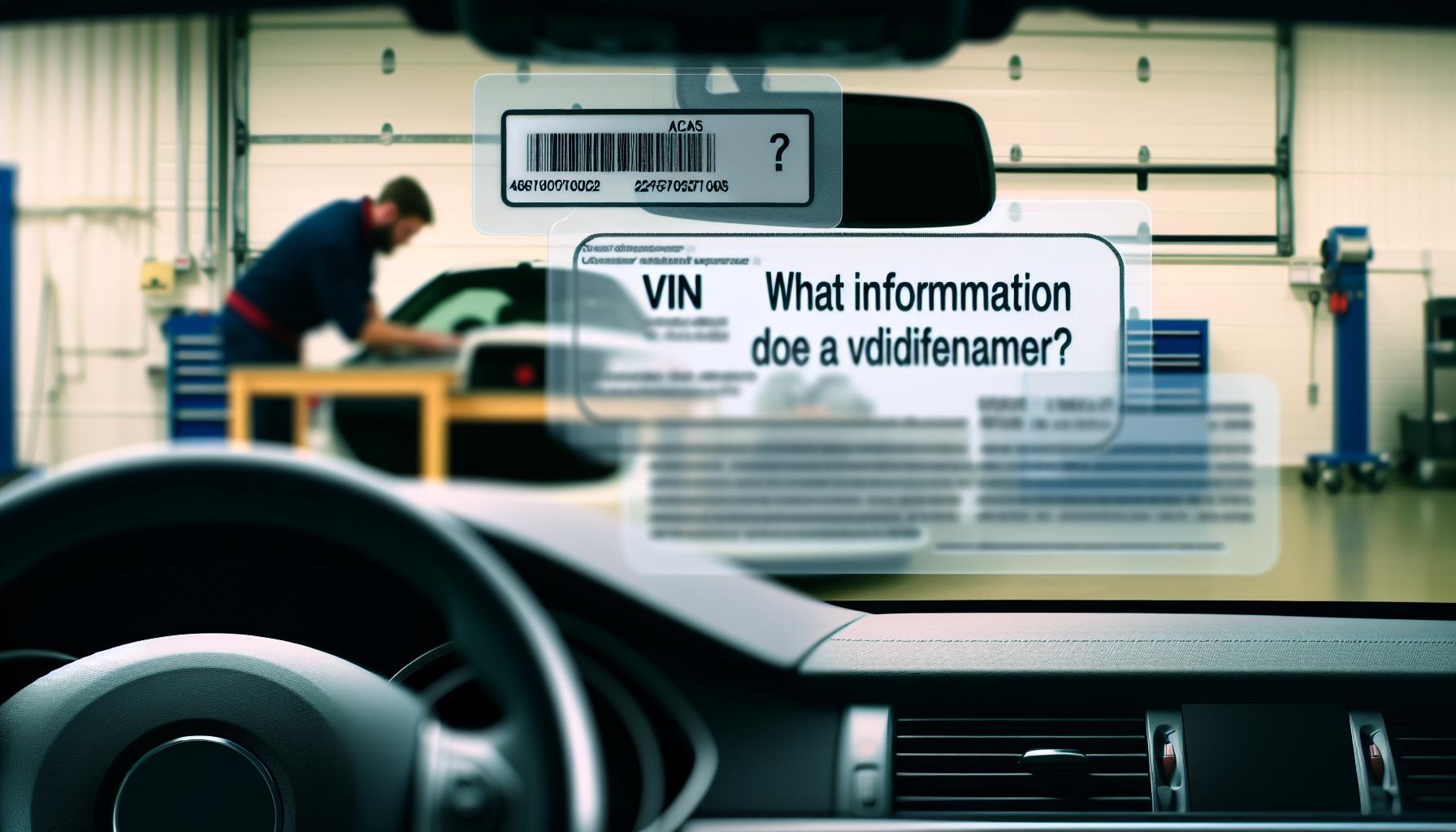
A Vehicle Identification Number (VIN) is often described as a car’s unique fingerprint, encapsulating a wealth of crucial information. This 17-character alphanumeric code reveals details that can significantly impact ownership, maintenance, and resale value. Understanding exactly what your VIN can tell you is essential for both car buyers and current owners, as it empowers informed decisions regarding vehicle history and condition.
One of the primary pieces of information a VIN reveals is the make, model, and year of manufacture of the vehicle. The first three characters of the VIN, known as the World Manufacturer Identifier (WMI), indicate the manufacturer and country of origin. For example, a WMI starting with “1G” indicates a General Motors vehicle manufactured in the United States. The following characters provide specifics about the vehicle’s model and body type, such as whether it’s a sedan, coupe, or SUV. Additionally, the check digit (the ninth character) helps verify the legitimacy of the VIN, ensuring it hasn’t been altered or incorrectly reported.
Other important information includes data about recalls, accident history, and the vehicle’s registration. By using online VIN decoder tools or services such as CARFAX or AutoCheck, you can uncover whether your vehicle has been involved in any accidents, has outstanding recalls, or has had multiple owners. This insight is critical, especially when considering a used vehicle, as it highlights potential issues that could affect both safety and value.
Finally, a vehicle’s VIN is indispensable for tracking its service history and warranty claims, allowing owners to obtain detailed records regarding maintenance or repairs performed over time. This information can be vital when selling the vehicle, as it demonstrates proper care and could potentially enhance the resale value. By leveraging the insights provided by a VIN, vehicle owners can ensure they are making decisions based on accurate, comprehensive data.
How to Locate Your Vehicle’s VIN
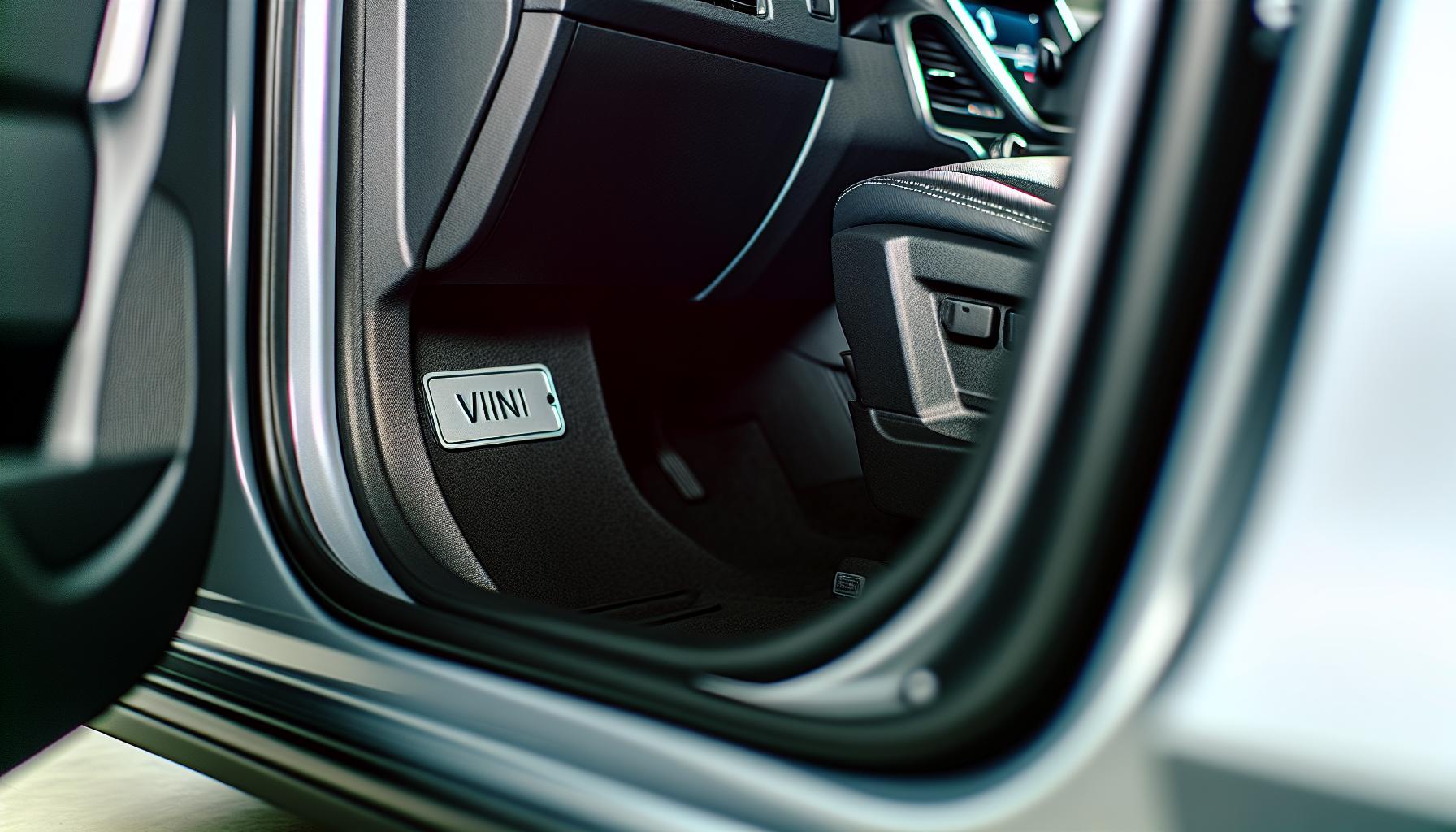
Finding your Vehicle Identification Number (VIN) can be straightforward if you know where to look. This 17-character code is essential for identifying your vehicle, but its location can vary depending on the manufacturer. Let’s simplify the search process so you can easily locate this vital piece of information.
The most common location for your VIN is on the dashboard on the driver’s side of the vehicle, where the dashboard meets the windshield. Standing outside the car, look through the lower corner of the windshield, and you should see a metal plate or sticker that displays the VIN clearly. If you’re unable to see it there due to glare or obstructions, try looking at the driver’s side doorjamb. Open the door and inspect the area where the door latches; often, there’s a label or sticker detailing not just the VIN, but also important safety and maintenance information.
Here are a few other places to check if you’re still having trouble:
- Engine Block: The VIN may also be stamped directly onto the engine block itself, providing a direct link between the engine and the vehicle.
- Underneath the Spare Tire: Some manufacturers place the VIN label in the trunk, especially under the spare tire or carpet.
- Vehicle Title and Registration: If you have access to the vehicle’s title or registration documents, you’ll find the VIN printed prominently there as well.
Knowing how to find your VIN is vital not just for identification, but also for accessing vehicle history reports, insurance documentation, and parts ordering. With this information in hand, you’ll be better equipped to make informed decisions about your vehicle, whether you’re buying, selling, or maintaining it.
Step-by-Step Guide to Decoding VINs

Understanding your vehicle’s VIN (Vehicle Identification Number) is not just a technical necessity; it’s a gateway to a wealth of information about your car. Each VIN is unique to a specific vehicle and contains encoded data about its manufacturer, model, year of production, and more. Decoding a VIN allows you to gain insights that can greatly influence your experience as a vehicle owner, from maintenance history to determining compatibility with replacement parts.
To decode a VIN, begin by locating your vehicle’s 17-character code, which can usually be found on the dashboard near the windshield, the driver’s side door frame, or the vehicle’s registration documents. Once you have your VIN, you can break it down into three key sections:
1. World Manufacturer Identifier (WMI)
The first three characters of your VIN are known as the WMI. This segment identifies the manufacturer and the country of origin. For example, a VIN that starts with “1” indicates that the vehicle was manufactured in the United States.
2. Vehicle Descriptor Section (VDS)
The next six characters constitute the Vehicle Descriptor Section. This part reveals specific details about the vehicle’s model, body style, engine type, and even the features it may have. Manufacturers use a combination of numbers and letters to provide accurate information. A well-known example is the sixth character, which often indicates the vehicle’s engine type.
3. Vehicle Identifier Section (VIS)
The last eight characters make up the Vehicle Identifier Section. This includes the vehicle’s unique serial number and can also provide clues about the year of production. For instance, the tenth character directly represents the model year, with letters corresponding to different years (e.g., “A” for 1980, “B” for 1981, “C” for 1982, and so forth).
To decode your VIN effectively, you can also utilize various online VIN decoder tools available for free. Websites like Driving-Tests.org and AutoZone offer instant decoding services that provide detailed information based on your VIN input. Simply enter your VIN into the provided field, and within seconds, you can access a breakdown of your vehicle’s specifications and history.
By decoding your VIN, you can unlock vital details about your vehicle, making it easier to engage in informed conversations with mechanics or dealers, while also enhancing your knowledge of your vehicle’s history and specifications. This understanding not only empowers you as a consumer but can also save you time and money when it comes to repairs or replacement parts.
Common VIN Formats and Regulations
Understanding the format and regulations surrounding Vehicle Identification Numbers (VINs) is essential for anyone looking to purchase or own a vehicle. VINs are crafted to ensure each vehicle is uniquely identifiable, acting much like a fingerprint. Generally, all VINs consist of 17 characters, encompassing both numbers and capital letters. This standardized format was established in 1981 and is observed globally, which means that regardless of where a vehicle is manufactured, its VIN will follow a consistent structure.
Key Components of VIN Format
A valid VIN is divided into key sections, each serving a distinct purpose:
- World Manufacturer Identifier (WMI): The first three characters denote the vehicle’s manufacturer and country of origin. For example, cars starting with “1,” “4,” or “5” are made in the United States.
- Vehicle Descriptor Section (VDS): The next six characters detail the vehicle’s model, body style, engine type, and features. This section allows for specific identification beyond just the brand.
- Vehicle Identifier Section (VIS): The final eight characters include the serial number and production year, helping differentiate vehicles produced in the same year and plant.
Ensuring compliance with standards set by regulatory bodies is crucial for manufacturers. The National Highway Traffic Safety Administration (NHTSA) in the U.S. mandates adherence to specific VIN formats and requires all vehicles sold in the United States to display their VIN in designated locations, typically on the driver’s side dashboard or door frame. This regulation not only aids in tracking vehicle recalls and registrations but also enhances safety by simplifying theft recovery processes.
International Variations and Compliance
While the basic structure of VINs is uniform, different countries may impose additional regulations or standards. For instance, the European Union has its own guidelines, which can include the use of specific security features in VINs to prevent fraud. It’s vital for owners and potential buyers to be aware of these regional differences, especially when importing vehicles or buying used cars from overseas.
In the evolving landscape of automotive technology, familiarity with VIN regulations equips vehicle owners with knowledge that can aid in making informed decisions regarding vehicle history checks, insurance claims, and even selling vehicles later on. By understanding the complexities of VIN formats, you empower yourself to fully engage in all aspects of vehicle ownership.
Exploring the History Behind Your VIN
Understanding the history behind your Vehicle Identification Number (VIN) can add significant value to your ownership experience. The VIN doesn’t just serve as a unique identifier for your vehicle; it carries a wealth of information related to its origins, specifications, and journey through time. Each character in the 17-character code is meticulously crafted to convey specific details about the vehicle, providing insights that can be crucial when evaluating its safety, performance, and resale potential.
One of the most fascinating aspects of your VIN is its role in tracing a vehicle’s identity from the moment it is manufactured. The first section of the VIN, known as the World Manufacturer Identifier (WMI), reveals the manufacturer and country of origin. For example, a VIN starting with “1,” “4,” or “5” indicates that the vehicle was produced in the United States. This identification helps buyers understand the vehicle’s manufacturing quality and compliance with safety regulations.
As a vehicle changes hands over the years, its VIN remains a constant source of information. By conducting a VIN check through services like AutoCheck or Kelley Blue Book, you can unveil vital history elements such as previous ownership, accident reports, and any title issues. These reports are beneficial not only for potential buyers wanting to ensure they are making a sound investment but also for current owners who may need vehicle verification for insurance claims or recalls. Since safety recalls and registrations are directly tied to the VIN, maintaining awareness of its history can prevent costly complications down the line.
Understanding your VIN’s history can empower you in several ways. For instance, if you are considering buying a used vehicle, knowing its past can alert you to potential issues that might not be apparent from a casual inspection. Additionally, documenting the history of modifications or repairs associated with the VIN can come in handy during resale, as it reflects transparency and can enhance buyer confidence. Ultimately, this deeper insight into your VIN not only enriches your appreciation of your vehicle but also serves as a foundation for responsible vehicle ownership.
Using VINs for Vehicle History Reports
When it comes to understanding a vehicle’s past, nothing is more powerful than the Vehicle Identification Number (VIN). This unique 17-character code not only identifies your vehicle but also opens the door to a wealth of information through vehicle history reports. Utilizing the VIN to access these reports provides critical insights that can significantly influence your buying decisions and ownership experience.
Vehicle history reports, available from service providers like J.D. Power, EpicVIN, and Kelley Blue Book, can illuminate numerous important details about a vehicle’s life. By simply entering the VIN, you can obtain a comprehensive report detailing previous ownership, accident history, service records, and even whether the vehicle has been reported stolen. This transparency is vital for potential buyers looking to avoid costly surprises later on.
The value of these reports extends beyond mere accident history. For example, obtaining a report can reveal title discrepancies, suggesting possible fraud or serious damage. Additionally, understanding whether the vehicle has been subject to safety recalls, and whether those recalls have been addressed, is crucial for ensuring your safety and compliance. Armed with this information, you can negotiate better purchase terms or even walk away if the vehicle’s past raises too many red flags.
To leverage the power of VINs effectively, consider setting aside time to run a report before finalizing a purchase. The process is straightforward: locate the VIN on the vehicle (often found on the dashboard near the windshield or the driver’s side door frame), and input it into one of the VIN check services. Weighing the details provided in the report against the seller’s claims can be invaluable. Remember that a well-documented vehicle history not only supports a fair price but also gives you peace of mind in your automotive investment.
How VINs Help in Theft Recovery
A Vehicle Identification Number (VIN) serves as a powerful tool in the fight against auto theft, acting as a unique fingerprint for each vehicle. When a car is reported stolen, law enforcement agencies use the VIN to quickly identify the vehicle in question. This 17-character code is not just a string of digits; it reveals crucial data about the vehicle, making it essential for effective theft recovery.
One of the primary ways VINs aid in theft recovery is through their inclusion in various databases maintained by law enforcement and insurance companies. When a stolen vehicle is spotted-whether at a traffic stop, a law enforcement checkpoint, or during routine inspections-officers can run the VIN to check its status. If the vehicle is reported stolen, it can be promptly recovered, significantly increasing the chances of returning it to its rightful owner. Additionally, advanced vehicle tracking technologies integrated into many modern cars also use the VIN to relay location data, helping to recover stolen vehicles more efficiently.
Moreover, VINs play a vital role in preventing vehicle resale in the black market. Unscrupulous individuals may attempt to sell stolen vehicles under false pretenses. However, legitimate vehicle dealers and buyers can easily check the VIN against online databases such as the National Insurance Crime Bureau (NICB) or commercial services providing vehicle history reports. These services disclose whether a vehicle has been reported stolen, allowing buyers to steer clear of illicit transactions.
Understanding how to leverage the VIN effectively not only helps in recovery efforts but also empowers vehicle owners to protect their investments. Always keep your vehicle’s VIN handy and consider using it proactively to monitor its status through vehicle history databases. This practice not only fosters peace of mind but can also aid in quickly resolving issues if your vehicle ever goes missing.
Understanding VINs in Different Countries
Globally, the Vehicle Identification Number (VIN) acts as a vital tool for vehicle identification, but its structure and significance can vary from country to country. In many places, the VIN is standardized to a unique 17-character format, but not all countries adhere to this guideline. Familiarizing yourself with how VINs operate internationally can aid in purchasing, registering, and verifying vehicles, no matter where they originate.
In the United States, the 17-character VIN consists of both letters and numbers and is used to convey a wealth of information, including the manufacturer, vehicle type, and year of production. This standardization is enforced by the National Highway Traffic Safety Administration (NHTSA). Similarly, many European countries follow the ISO 3779 standard, which aligns closely with the U.S. VIN format but may include variable character positioning based on regional regulations.
In contrast, countries such as Japan maintain their own specific systems. The Japanese VIN format, known as the Chassis Number, typically features a different structure, often comprising 10-17 characters, which can include additional letters indicating the manufacturing year and plant of origin. In China, while there’s a push towards using the international format, historical practices prevail, and vehicles may still display alternative identification formats.
For those buying or owning a vehicle in different regions, understanding the local VIN norms is essential. It empowers buyers to verify vehicle authenticity and history, which is crucial for preventing fraud. When purchasing a car internationally, it’s wise to consult databases specific to the country or utilize cross-border vehicle history services to ensure that the VIN checks out.
- Check local regulations: Each country may have different requirements for VIN formats and registration. Understanding these will help ensure compliance.
- Use global VIN check services: Many services allow you to check a VIN’s history across various countries, making it easier to track a car’s past.
- Consult local experts: When in doubt, talk to local dealerships or automotive professionals who understand the intricacies of their market.
By grasping the nuances of VIN usage around the world, vehicle owners can gain crucial insights, ensuring a safer and more informed ownership experience.
The Role of VINs in Insurance Claims
When filing an insurance claim, the Vehicle Identification Number (VIN) plays a crucial role in establishing the vehicle’s identity and history. This unique 17-character code acts as the official fingerprint of a vehicle, enabling insurers to quickly verify important information. For example, the VIN reveals specific details about the make, model, year of manufacture, and sometimes even the engine type, which informs insurance coverage and premiums. Understanding the significance of the VIN can empower you, as a vehicle owner, to navigate the claims process more effectively.
Insurers rely heavily on VINs to ensure they are dealing with the correct vehicle, particularly in cases of theft recovery or in determining the legitimacy of a claim. When a claim is filed, the VIN is used to access the vehicle’s history through databases that record previous accidents, service records, and any existing damages. This historical insight helps assess the validity of the claim. For instance, if you file a claim for damage after an accident, the insurer can check if pre-existing damage exists. This objective assessment helps resolve disputes efficiently, facilitating a smoother claims process for both the insurer and the policyholder [[1](https://www.smdailyjournal.com/sponsored/insurance-claims-and-disputes-how-vin-lookup-can-provide-clarity-for-trailer-owners/article_dc05b4a2-1d31-11ef-be96-9f1a6d77a792.html)].
To ensure you’re making the most of your VIN during an insurance claim, here are some practical tips:
- Keep Your VIN Accessible: Always have your vehicle’s VIN documented in multiple places-on your insurance policy, in a secure location at home, or on your smartphone. This can speed up the claims process.
- Verify Vehicle History: Before finalizing your insurance policy, check your vehicle’s history using its VIN. This gives you valuable insights into past incidents and ensures there are no surprises later.
- Stay Informed: If you ever buy a used vehicle, remember to do a thorough VIN check. This not only helps in obtaining accurate insurance quotes but can also save you from future headaches in claims.
Understanding and utilizing your VIN not only expedites the insurance claims process but also provides peace of mind, knowing that your vehicle’s history is transparent and verifiable. By familiarizing yourself with these details, you position yourself as an informed vehicle owner, ready to tackle the complexities of insurance claims with confidence.
Tips for Buying a Used Car Using VIN
Buying a used car can be a daunting task, but understanding how to effectively use the Vehicle Identification Number (VIN) can streamline the process and safeguard your investment. The VIN is a unique 17-character identifier that reveals crucial information about the vehicle’s history, specifications, and any potential issues. By leveraging this code, you can uncover a wealth of insights, making it a powerful tool when evaluating used cars.
First, always start by locating the VIN, which is typically found on the driver’s side dashboard, doorjamb, or within the vehicle’s registration documents. Once you have the VIN, you can use various online tools and databases to conduct a comprehensive vehicle history report. This report will provide details on prior accidents, ownership changes, service records, and whether the vehicle has been flagged as stolen or has undergone significant repairs. Sites like Carfax or AutoCheck can be invaluable, allowing you to validate the information provided by the seller and spot any red flags before making a purchase.
Another important aspect to consider is how the VIN can help you assess the vehicle’s market value. By comparing the vehicle’s unique characteristics revealed through the VIN-such as the make, model, and year-to current market listings, you can ensure you’re paying a fair price. Additionally, verifying the VIN against the seller’s claims can help mitigate the risk of purchasing a vehicle that may have had undisclosed issues or been misrepresented. If you’re looking at a specific make, consult brand-specific VIN decoding guides, as each manufacturer may encode different features that impact performance and value.
In summary, using the VIN not only helps ensure transparency about the used car you’re considering but also empowers you with the knowledge needed to negotiate confidently. Always perform a thorough VIN check and ensure you have all the necessary data before finalizing your purchase. As a potential buyer, this approach will protect you from unexpected complications and enhance the likelihood of finding a vehicle that meets your needs without hidden surprises.
Future Trends: How Technology is Changing VIN Use
As technology evolves, the role of the Vehicle Identification Number (VIN) is also transforming, making it even more integral to vehicle ownership, sales, and security. Today, advancements in digital tools and data analytics are reshaping how VINs are utilized, leading to increased transparency and insight for car buyers and owners alike. For example, platforms leveraging artificial intelligence (AI) can analyze VIN data to predict vehicle performance issues or market trends, helping buyers make informed decisions before purchasing.
Data Accessibility and Vehicle History Reports
The modern landscape of vehicle history reporting has been dramatically enhanced by technology. Consumers can now access detailed reports that disclose not only past ownership and accident history but also recall information tied directly to the VIN. Services like Carfax and AutoCheck utilize advanced VIN decoding APIs to pull and present this data quickly. These tools are vital for buyers seeking assurances about their prospective vehicle’s reliability and safety. As more data becomes available through integrated systems, owners can expect to receive real-time updates regarding their vehicle’s performance and maintenance needs based on its unique VIN.
Security Enhancements
Another significant trend is the application of VINs in improving vehicle security through advanced tracking systems. Technologies such as GPS and telematics integrate with VIN data to alert owners and authorities in case of theft. When a vehicle is reported stolen, its VIN can be used to instantly track its location if embedded with the right technologies. This rapid response not only aids in recovery but also serves as a deterrent to potential car thieves.
Future Innovations
Looking forward, the potential for utilizing VINs extends to innovative applications in automated and electric vehicles. For instance, as electric vehicle (EV) technology continues to grow, the VIN could play a critical role in managing battery health and performance analytics. Manufacturers are exploring how VINs can connect drivers to real-time data about their car’s efficiency and necessary maintenance for optimal electric performance. Additionally, features like remote diagnostics linked to VINs are likely to become commonplace, allowing owners to receive alerts and reminders directly via their smartphones about essential service needs.
The integration of smart technology into VIN utilization not only enhances the ownership experience but also ensures a greater level of accountability and transparency in the automotive market. As the landscape evolves, staying informed about VIN innovations will empower consumers and ensure they make smarter choices in their automotive journeys.
Q&A
Q: What is a VIN and why is it important?
A: A Vehicle Identification Number (VIN) is a unique 17-character code that identifies individual vehicles. It is important because it provides essential information about a vehicle’s history, including ownership, accidents, and recalls. This helps buyers make informed decisions when purchasing a vehicle.
Q: How can I check my vehicle’s VIN for accuracy?
A: To check your vehicle’s VIN for accuracy, compare it to the documentation provided with the vehicle, such as the title, registration, or insurance policy. You can also use online VIN decoders to verify the information associated with your VIN, such as make, model, and year.
Q: Where can I find my VIN on the vehicle?
A: You can typically find your VIN on the driver’s side dashboard, visible through the windshield, or inside the driver’s side door frame. It’s also listed in your vehicle’s owner’s manual and registration documents. Check these locations when searching for your vehicle’s VIN.
Q: Can I use my VIN to track vehicle recalls?
A: Yes, you can use your VIN to track vehicle recalls. By entering your VIN on the official National Highway Traffic Safety Administration (NHTSA) website, you can view any active recalls affecting your vehicle and receive information on how to address them.
Q: How do I decode my VIN?
A: To decode your VIN, you can use a VIN decoder tool available online. These tools break down the VIN into its components, revealing details such as the manufacturer, vehicle type, model year, and place of manufacture. This helps you understand the specifications of your vehicle.
Q: What should I do if my VIN is damaged or unreadable?
A: If your VIN is damaged or unreadable, first try to locate it in other areas of the vehicle, such as on insurance documents or the engine block. If you still can’t find it, contact your vehicle manufacturer or local DMV for assistance in verifying or restoring your VIN.
Q: Why is the 10th digit of the VIN significant?
A: The 10th digit of the VIN indicates the vehicle’s model year. This information is important for understanding the age and potential features of the vehicle. Knowing the model year helps with valuation and determining compatibility for parts and service.
Q: How can I use my VIN when buying a used car?
A: When buying a used car, use the VIN to obtain a vehicle history report, which reveals previous accidents, ownership changes, and title status. This due diligence helps identify any potential red flags before finalizing the purchase.
Future Outlook
Now that you’ve unlocked the basics of the Vehicle Identification Number (VIN) and its vital role in vehicle ownership, you’re equipped to make informed decisions about your car. Keep exploring how to find and interpret your VIN to ensure you know your vehicle’s history, value, and specifications. If you’re ready to dive deeper, check out our guides on “Understanding Vehicle History Reports” and “Common VIN Decoding Mistakes.”
Don’t hesitate to join our newsletter for the latest tips, tools, and automotive insights, or explore our resources on car buying and maintenance to enhance your automotive knowledge. Whether you’re a seasoned enthusiast or a new car owner, mastering your VIN is your first step toward smart vehicle management. Share your experiences and questions in the comments below – your insights could help fellow readers! Remember, your vehicle’s story starts with its VIN, so take the next step today!