
When purchasing or maintaining a vehicle, understanding the chassis number is crucial. While many are familiar with the Vehicle Identification Number (VIN), the chassis number holds its own significance-it identifies the vehicle’s frame and can provide insights about its origin and specifications. This guide will clarify the differences between these two important identifiers, helping you locate them on your vehicle and understand why they matter. Knowing your chassis number can save you from potential legal issues, ensure accurate repairs, and enhance the transparency of your vehicle’s history. Whether you’re buying a car, registering it, or seeking parts, mastering this aspect of automotive knowledge empowers you as a car owner. Continue reading to uncover how to find your chassis number and ensure you’re equipped with all the essential information about your vehicle.
Understanding the Chassis Number: What It Is
The chassis number, often seen as a vehicle’s DNA, is a unique identifier assigned to each automobile at the manufacturing stage. This alphanumeric code serves multiple purposes, including tracking ownership history, verifying model details, and identifying the vehicle for registration and insurance. Unlike the more commonly known Vehicle Identification Number (VIN), which encompasses more detailed information regarding the vehicle’s specifications and history, the chassis number is specifically tied to the frame of the vehicle. Understanding and locating this number is vital for any vehicle owner, whether for legal documentation or resale purposes.
Most manufacturers position the chassis number in easily accessible areas of the vehicle, ensuring that it can be viewed without the need for special tools. Common locations include the engine bay, on a plate attached to the dashboard, or on the body frame beneath the driver’s side door. Familiarizing yourself with these locations not only empowers you as a car owner but also aids in maintaining your vehicle’s provenance. When conducting checks or assessments, knowing exactly where to find the chassis number can save time and mitigate potential disputes.
In addition to serving as proof of identity, the chassis number plays a crucial role in vehicle history checks. When buying a used vehicle, ensuring that the chassis number matches the documentation can help reveal if the vehicle has been in accidents, has liens against it, or is reported stolen. This step is not just a matter of diligence but a safeguard against future complications. By treating the chassis number as an essential piece of your vehicle’s identity, you contribute to a transparent and trustworthy automotive marketplace.
Chassis Number vs. VIN: Key Differences Explained
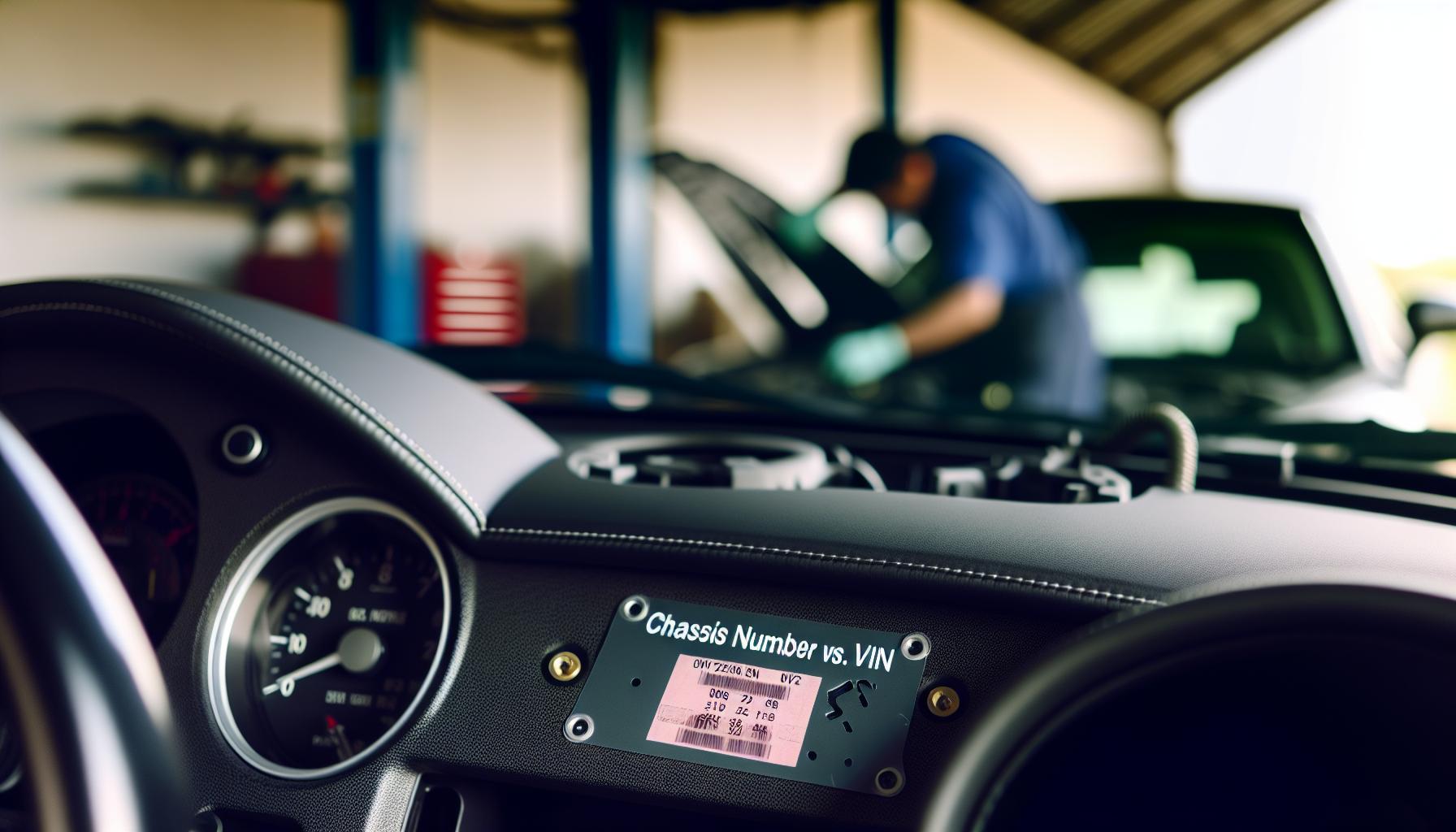
Understanding the distinctions between the chassis number and the Vehicle Identification Number (VIN) is essential for any vehicle owner. While both serve as unique identifiers for automobiles, they have different roles in the vehicle’s identity and history. The chassis number is primarily linked to the vehicle’s frame and is often used for identification in repairs and legal matters. In contrast, the VIN encompasses a broader range of information about the vehicle, including its make, model, year of manufacture, and other unique features.
One of the primary differences lies in their formatting and the information they convey. The chassis number is usually a shorter alphanumeric code that includes the manufacturer’s identifier and the vehicle’s serial number. This code is specific to the vehicle’s frame and doesn’t provide detailed information about the vehicle’s specifications. On the other hand, the VIN is a standardized 17-character code that contains critical information such as the vehicle’s engine type, place of manufacture, and production sequential numbers. This comprehensive identifier is essential for tasks like registering the vehicle and checking its history, making it a more versatile tool for buyers and sellers.
To locate the chassis number and VIN, you can check several typical spots on your vehicle. The VIN is often found on the driver’s side of the dashboard, viewable through the windshield, or on the driver’s side door jamb. Conversely, the chassis number can frequently be found in the engine compartment or stamped on the vehicle frame itself. Knowing the locations of these identifiers not only aids in ensuring accurate vehicle registration but also contributes to securing your vehicle’s history, particularly important when considering a used car purchase or selling your own vehicle.
Understanding the differences between these two identifiers empowers you as a vehicle owner, helping you to navigate the complexities of vehicle registration, insurance, and resale with confidence. Always ensure that the information matches across all documents to avoid any potential disputes or issues in the future.
How to Locate Your Vehicle’s Chassis Number

Every vehicle has a unique chassis number, which is often the key to understanding its identity and history. This crucial identifier can usually be found in a few specific places, and knowing where to look can save you time and effort. Start by checking the vehicle’s frame; for many models, the chassis number is stamped directly onto the metal of the frame. Look near the front of the vehicle, often in the engine compartment, around the suspension area, or on the driver’s side.
Common Locations to Find Your Chassis Number
Here are some typical spots where you can locate your vehicle’s chassis number:
- Engine Compartment: Check the front section of the engine bay. The number is sometimes found stamped on a plate attached to the body or the engine block itself.
- Under the Vehicle: Lie down and examine the frame, especially around the rear axle or on the main beams where the chassis number may be stamped.
- Driver’s Side Door Jamb: Some manufacturers place the chassis number on a label or sticker inside the driver’s side door frame. Open the door and look along the vertical part of the door’s structure.
- Near the Windshield: In many vehicles, the chassis number is visible through the windshield, typically on the driver’s side near the lower corner.
- Service Manuals or Manufacturer’s Documentation: If you’re having trouble locating the number, consult the owner’s manual or look online for specifics related to your vehicle’s make and model.
If your vehicle has been involved in repairs or modifications, the chassis number might have been damaged. In such cases, it’s advisable to consult a professional or the manufacturer for guidance. Knowing how to locate and verify your chassis number not only helps in maintaining proper vehicle registration, but is also beneficial when purchasing a used vehicle. Properly identifying this number can provide peace of mind, ensuring the vehicle you’re considering has a clear history without any legal complications.
Why Your Chassis Number Matters for Vehicle Identity
Your chassis number is a vital part of your vehicle’s identity, serving as a unique identifier that plays a significant role in various aspects of automotive ownership. Much like a fingerprint, each chassis number is distinct to a specific vehicle and provides crucial information throughout its lifespan. Understanding the significance of this number can enhance your ownership experience, ensuring you’re fully informed about your vehicle’s history, maintenance, and more.
A chassis number can assist in verifying the authenticity of a vehicle, especially when buying used. It’s essential for confirming that the car you’re considering is not stolen or has any hidden issues. When you run a vehicle history report, the chassis number helps track accidents, past ownership, and service records. This transparency is vital, as it ensures that you’re making a sound investment and not unknowingly purchasing a vehicle with a problematic background.
In addition to identity verification, the chassis number plays a major role in regulatory compliance. It is required during vehicle registration, and it is often referenced in insurance documentation. Correctly registering your vehicle with its chassis number can prevent legal issues down the road, such as disputes over ownership or challenges with title transfers. Furthermore, if your vehicle is involved in an accident or theft, having the chassis number readily available makes filing claims and recovering your vehicle much more straightforward.
Protecting your chassis number is equally important. Keeping it secure from tampering and ensuring its visibility helps preserve your vehicle’s integrity. Consider documenting your chassis number in a safe place and regularly checking the areas where it is located to ensure it hasn’t been damaged or altered. This proactive approach helps maintain your vehicle’s identity, safeguarding against potential fraud or complications when you decide to sell or insure your car.
In essence, a chassis number is more than just a technical detail-it’s a crucial element that ensures clarity and security in vehicle ownership. Whether you’re a buyer, seller, or simply a curious enthusiast, understanding and utilizing this information effectively can enhance your automotive experience significantly.
Common Misconceptions About Chassis Numbers
Many vehicle owners have misconceptions about the chassis number, often confusing it with the Vehicle Identification Number (VIN) or believing it holds limited importance. Understanding these misconceptions is crucial in demystifying the role of the chassis number in vehicle ownership.
One common belief is that the chassis number and VIN are interchangeable. While they serve related purposes as unique identifiers for vehicles, they are not the same. The VIN is a 17-character code that includes the chassis number as part of its structure, alongside details like the manufacturer, model, and year of production. Thus, every VIN contains the chassis number, but not all chassis identification is included in the VIN. This distinction is essential for understanding how to utilize both numbers effectively when checking vehicle history or legal documentation.
Another misunderstanding is that chassis numbers are irrelevant after purchase. Many might think once a vehicle is bought, the chassis number becomes a simple technical detail that isn’t worth remembering. In reality, the chassis number plays a vital role throughout the vehicle’s life, serving as a crucial reference in registration, insurance, and even resale processes. It allows buyers to check the authenticity of a vehicle and its repair history, providing confidence against fraud.
Additionally, there’s a myth surrounding the idea that chassis numbers can be easily changed or obscured without consequence. Tampering with a chassis number is illegal and can lead to severe repercussions, including legal penalties and the potential loss of the vehicle. Maintaining accurate and accessible records of this number not only protects vehicle owners from liability but also ensures clear identity and ownership verification throughout the vehicle’s lifespan.
Understanding these misconceptions allows vehicle owners to navigate the complexities of vehicle identification with greater confidence, emphasizing the important role the chassis number plays from purchase to daily use and eventual resale. By dispelling these myths, owners can better safeguard their investments and enhance their overall automotive experience.
Using Chassis Numbers in Vehicle History Checks
When it comes to acquiring a vehicle, accessing its history is akin to peering into a crystal ball that reveals its past. The chassis number acts as a crucial tool in this process, serving as a unique identifier that allows prospective buyers and current owners to thoroughly investigate a vehicle’s history. By using the chassis number in vehicle history checks, you can unveil important details regarding previous owners, accident history, service records, and much more.
The first step in utilizing your chassis number is knowing where to look for the vehicle’s history report. Websites like Carfax or AutoCheck allow you to input the chassis number, which is often referred to as the Vehicle Identification Number (VIN) when it includes more than just the chassis details. This report can provide insights into the vehicle’s insurance claims, major repairs, and whether it has been reported as stolen. Remember, while the chassis number reveals core information, the VIN can give you a more comprehensive picture due to its broader registry of manufacturer details and regulatory checks.
Why Vehicle History Checks Matter
Understanding a vehicle’s history is more than just an informative exercise; it’s essential for making smart purchasing decisions. Armed with precise information from history checks, you can negotiate better with sellers based on the condition and past issues revealed in the report. Additionally, if a vehicle has a record of frequent accidents or repairs, it may signal underlying problems that could be costly in the long run. Always ensure you get a history check before finalizing a purchase, as these details can significantly affect your investment’s value and your peace of mind.
In essence, utilizing the chassis number for vehicle history checks is a straightforward yet powerful way to make informed decisions whether you’re buying, selling, or simply maintaining your vehicle. By demystifying the past of a vehicle and validating its authenticity, you empower yourself as a consumer, minimizing potential risks associated with vehicle purchases. This proactive approach not only aids in transparency but ensures that you are fully equipped with the knowledge to safeguard your investment.
How to Decode and Interpret Your Chassis Number
Understanding how to decode your chassis number can feel like entering a secret world of vehicle identification. This unique code is more than just a set of letters and numbers; it reveals essential information about your vehicle’s history, model, and even its country of manufacture. Learning to interpret this number not only aids in understanding your car better but also empowers you during buying, selling, or restoring processes.
To decode your chassis number, it’s helpful to know what each segment typically represents. Most chassis numbers follow a specific format that can vary by manufacturer, but common elements include:
- World Manufacturer Identifier (WMI): The first three characters that indicate the vehicle’s manufacturer and, often, the country of origin.
- Vehicle Descriptor Section (VDS): The next six characters provide information about the vehicle features, such as model, body type, and engine type.
- Vehicle Identifier Section (VIS): The last eight characters are unique to your vehicle and usually include production year, assembly plant code, and the unique sequence number.
For example, if your chassis number begins with “1HG,” this typically indicates that your vehicle was manufactured by Honda in the U.S. Similarly, knowing the specifics of your VDS can help in identifying the precise model and year your vehicle was made, which is crucial for parts replacements and repairs.
If you’re ever unsure about how to interpret your chassis number, numerous online VIN decoder tools can assist you, providing detailed reports based on the chassis number you enter. Websites like VINCheck.info or DecodeThis.com allow you to input your number and retrieve clear, readable information. These tools simplify the decoding process, transforming a string of letters and numbers into comprehensive vehicle details. By becoming familiar with your chassis number’s structure and utilizing available resources, you can traverse the complexities of vehicle identification with confidence and clarity.
The Role of Chassis Numbers in Vehicle Registration
When it comes to vehicle registration, the chassis number plays a pivotal role akin to the social security number of your car. This unique identifier is crucial for establishing the authenticity and lineage of the vehicle, serving as a primary tool for law enforcement and regulatory bodies to track ownership and registration history. Unlike the VIN, which is standard across all vehicles, the chassis number can vary significantly by manufacturer, making it essential for specific identification during the registration process.
Typically, the chassis number must be provided when registering a vehicle with your local department of motor vehicles (DMV) or relevant authority. This number is recorded alongside the owner’s information and other vehicle details. This process not only aids in verifying that the vehicle is not stolen but also ensures that the correct details are associated with the vehicle’s registration. Any discrepancies can lead to complications, including fines or difficulties in selling the car in the future. For instance, if a chassis number is incorrect, it may flag issues during inspections or emissions testing, leading to burdensome remediation steps for the owner.
To ensure smooth registration, it is advisable to confirm your chassis number against the manufacturer’s specifications. This means double-checking the number located in the engine bay, on the driver’s side dashboard, or in the owner’s manual. If you’re purchasing a used vehicle, always verify the chassis number aligns with the documentation provided by the seller, such as the title and registration papers. Maintaining accurate records not only helps with registration but also plays a significant role in claims of warranty and service history.
Ultimately, understanding the importance of your vehicle’s chassis number in the registration process equips you with the knowledge to navigate vehicle ownership smoothly. By keeping this number secure and verifying it regularly, you can avoid many potential pitfalls associated with vehicle registration and ownership, making your driving experience more enjoyable and hassle-free.
Chassis Number and Insurance: What You Need to Know
Understanding your chassis number isn’t just important for registration; it plays a crucial role in securing your vehicle insurance. Insurance companies require this unique identifier not only to validate the specifics of your vehicle but also to assess risk factors that impact your premium. The chassis number offers detailed information about the car, such as the manufacturer, model, and production year, which helps insurers determine coverage options and price accordingly.
When you apply for insurance, the chassis number is often used alongside the Vehicle Identification Number (VIN) to pull up comprehensive data about your vehicle’s history. This includes any previous accidents, theft records, or claims made, which can influence your insurance rate. For example, a vehicle with a clean record and well-documented maintenance history may qualify for lower premiums. On the flip side, if your chassis number indicates a history of accidents or extensive repairs, this could lead to higher insurance costs.
To ensure your insurance process goes smoothly, it’s important to have your chassis number readily available and accurately documented. This is particularly vital if you’re buying a used car; verifying that the chassis number on the vehicle matches the one provided in the paperwork can prevent potential issues with your insurance provider. Always keep records of the chassis number in a secure place and inform your insurer of any changes, such as modifications to the vehicle. Being proactive about this information not only safeguards your policy but also streamlines future claims processes, should you need to file one.
In summary, the chassis number is more than just a number; it’s a key piece of the puzzle in both registration and insurance processes. Understanding its importance empowers you as a vehicle owner, ensuring you’re making informed choices that can positively affect your insurance coverage and overall ownership experience.
Impact of Chassis Number on Vehicle Resale Value
When it comes to selling your vehicle, the chassis number can significantly influence its resale value. This unique identifier is not just a technicality; it provides potential buyers with critical insights into the history and authenticity of the vehicle. A well-documented chassis number can enhance buyer confidence, demonstrating that the vehicle has been properly maintained and has a clear history, free from accidents or significant repairs. Conversely, if the chassis number reveals red flags-such as a record of previous accidents or dubious modifications-it could lead to lower offers or even deter buyers entirely.
One key factor to consider is how the chassis number plays into the vehicle’s overall provenance. Buyers are increasingly savvy and often conduct thorough checks on a car’s history using the chassis number in combination with the Vehicle Identification Number (VIN). This check can include past ownership records, insurance claims, and service maintenance logs. A transparent and documented history bolstered by a reliable chassis number can position your vehicle favorably in the market. For example, if the chassis number indicates a well-maintained classic car with limited ownership, it could fetch a premium compared to a similar model with a history of incidents.
Moreover, the chassis number is crucial when it comes to establishing the authenticity and value of classic cars and collectibles. Enthusiasts and collectors particularly scrutinize these identifiers to ensure that what they’re buying is not a replica or a car with altered identity. Original chassis numbers are a hallmark of authenticity; they support the claim that a vehicle is indeed a genuine model, thereby retaining and enhancing its collectible value. For sellers in this niche market, showcasing the chassis number and providing any supporting documentation can significantly enhance a vehicle’s appeal and market price.
In summary, understanding how the chassis number influences resale value is vital for vehicle owners looking to sell. By maintaining a clean history associated with the chassis number and being transparent about any issues, you can attract buyers who are willing to pay a fair price for your vehicle. Always keep this information accessible and well-documented; doing so not only simplifies the selling process but can also maximize your vehicle’s resale potential.
Chassis Number: Its Importance for Classic Car Enthusiasts
Classic car enthusiasts often find that the chassis number is one of the most critical pieces of information regarding a vehicle’s identity and history. This unique identifier not only helps ascertain the authenticity of a classic car but also plays a pivotal role in its overall valuation. Unlike the Vehicle Identification Number (VIN), which encompasses a broader array of data, the chassis number serves as a direct link to the vehicle’s original manufacturing details. It can reveal essential aspects such as the model, production year, and even significant options that might enhance its desirability among collectors.
When buying or selling classic cars, the chassis number is a primary focus for serious buyers and collectors. It is essential to verify that the chassis number matches the documentation provided with the vehicle to ensure that it hasn’t been altered or tampered with. This confirmation process is crucial, as discrepancies can indicate potential issues such as theft or significant modifications that could detract from the car’s value. In most cases, authentic classic cars with original chassis numbers are viewed as more desirable, often commanding a higher resale price due to their verified history and condition.
Additionally, understanding how to decode a chassis number can provide insights into a vehicle’s past. Each manufacturer typically has a specific format for their chassis numbers, which can include codes for the model and engine type. Enthusiasts often consult specialized resources or clubs that focus on particular brands to interpret these numbers accurately. This knowledge can empower buyers and sellers alike, enabling them to make informed decisions regarding pricing and authenticity.
In summary, for classic car enthusiasts, the chassis number is much more than just a series of digits; it represents a car’s heritage and authenticity. Ensuring that these details are accurate and well-documented can significantly impact not only how a vehicle is perceived in the market but also its eventual sale price. Keeping a record of the chassis number and any pertinent history associated with it can reinforce a vehicle’s value and appeal, making it an indispensable part of classic car ownership.
Tips for Keeping Your Chassis Number Secure and Accessible
Keeping your chassis number secure and easily accessible is essential for both vehicle identity verification and protecting against potential fraud. This unique identifier not only links your vehicle to its specifications and history but is also critical when buying, selling, or insuring your car. Here are some practical tips to ensure you manage your chassis number effectively.
Start by storing your chassis number in a safe place. Consider creating a dedicated digital or physical file with all critical vehicle documents, including the chassis number, VIN, registration, and insurance papers. For digital storage, use a secure cloud service with two-factor authentication to prevent unauthorized access. It’s also smart to keep a printed copy in your glove compartment-just make sure it’s not visible from outside the vehicle to deter opportunistic theft.
Another important practice is to regularly check and verify the visibility of your chassis number. It is typically stamped onto the vehicle’s chassis in a location that should be easily accessible yet discreet. Regularly inspect this area for any signs of tampering, which might indicate that the number has been altered or concealed-this could affect your vehicle’s resale value and your insurance claims. Additionally, consider using specialized apps or websites to track and document your vehicle’s history linked to the chassis number, allowing you to have a comprehensive overview readily available when needed.
Lastly, educate yourself about the differences between the chassis number and the VIN. While both serve important functions, knowing the specifics can help in various situations, such as when discussing vehicle history with potential buyers. To further safeguard your vehicle’s identity, always verify the chassis number against your sale documentation and the manufacturer’s records if you’re buying a used vehicle. This diligence can help you avoid scams and ensure you understand the vehicle’s past, which is invaluable whether you’re a collector or an everyday driver.
FAQ
Q: What is a chassis number and why is it important?
A: A chassis number is a unique identifier for a vehicle’s chassis. It is crucial for verifying vehicle identity, tracking ownership, and preventing theft. This number often aids in vehicle history checks and is used during the registration process.
Q: How does the chassis number differ from the VIN?
A: While both the chassis number and VIN (Vehicle Identification Number) uniquely identify a vehicle, the VIN is a broader identifier that includes several aspects like manufacturer details. The chassis number specifically relates to the vehicle’s frame and is often found on older models or specific vehicle types.
Q: Where can I typically find the chassis number on my vehicle?
A: The chassis number can usually be found on the vehicle’s frame, near the front, and sometimes under the steering column or in the engine bay. It may also be located on the driver’s side door frame. Refer to your vehicle manual for specific locations.
Q: Why should I check my chassis number before buying a used car?
A: Checking the chassis number before purchasing a used car is essential to ensure the vehicle isn’t stolen or has hidden issues. It allows you to verify the vehicle history and confirm that the car matches its registration documents.
Q: Can the chassis number be used for insurance purposes?
A: Yes, the chassis number is often required when obtaining vehicle insurance. It helps insurers verify the car’s identity and assess risk, influencing premiums and coverage options.
Q: What should I do if my chassis number is altered or unreadable?
A: If your chassis number is altered or unreadable, contact your local vehicle registration authority immediately. They may guide you on the steps to restore or verify your vehicle’s identity and could require a thorough inspection.
Q: Are there specific laws surrounding chassis numbers?
A: Yes, varying laws exist regarding chassis numbers to prevent fraud and theft. These laws typically dictate how chassis numbers are recorded and reported during transactions and may also enforce penalties for tampering with or falsifying a chassis number.
Q: How do I decode my chassis number?
A: To decode your chassis number, refer to your vehicle’s manual or use online decoding tools. These resources can help you interpret the character sequence, revealing vital information such as the manufacturing details and model year.
Key Takeaways
Understanding your chassis number and how it differs from your VIN is crucial for effective vehicle identification and history tracking. By knowing where to locate these numbers, you gain insight into your vehicle’s specifications and authenticity. Don’t wait-check your vehicle today! For more details on navigating your car’s identification, visit our guides on how to decode a VIN and common vehicle registration mistakes.
If you found this information helpful, consider subscribing to our newsletter for more automotive tips and resources. Join hundreds of satisfied readers who rely on us for trusted advice! Plus, drop a comment or share your experience with chassis numbers-your insights could help fellow car enthusiasts. Keep exploring our site for more valuable content, and empower yourself with the knowledge to make informed decisions about your vehicle!