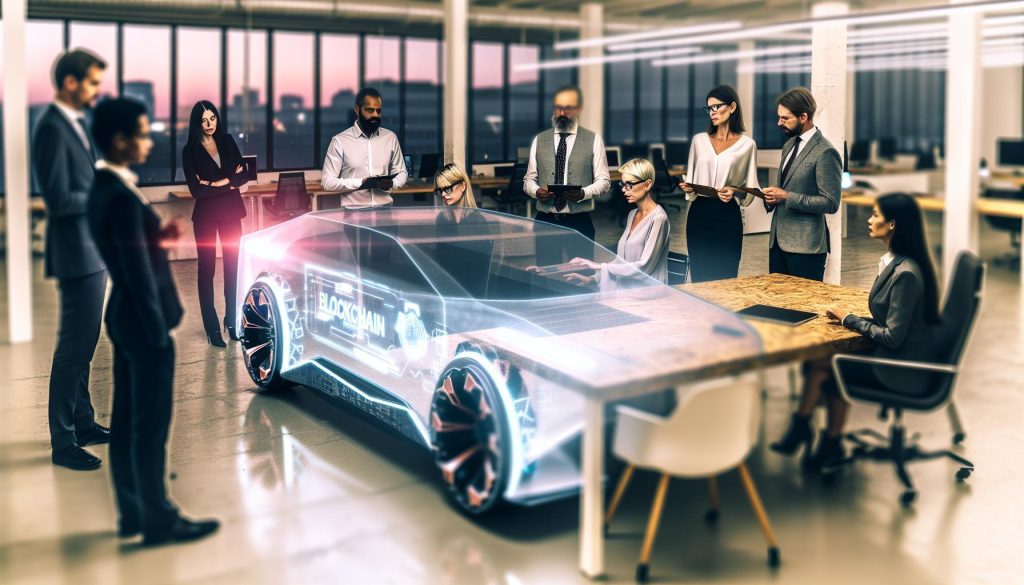
In an age where vehicle fraud and uncertainty can undermine trust in buying and selling cars, understanding the Vehicle Identification Number (VIN) is crucial. The VIN, a 17-character code unique to every vehicle, serves as its fingerprint, offering insights into its history, specifications, and even recall information. As vehicles increasingly join the blockchain revolution, incorporating VINs into this secure, transparent framework can revolutionize vehicle verification, making it easier for buyers to confirm authenticity and ownership. This guide will demystify how VIN Token-a blockchain-based solution-can enhance vehicle transparency and security, empowering you to navigate the automotive world with confidence. Join us as we explore this innovative approach and its importance for every car owner, enthusiast, and potential buyer.
Understanding the VIN: What It Reveals About Your Vehicle
Every vehicle on the road has a unique 17-character identifier known as the Vehicle Identification Number (VIN). This alphanumeric code is not just a random assortment of letters and numbers; it carries critical information about the vehicle’s specifications, history, and even safety features. For prospective buyers and current owners alike, understanding the VIN is essential for making informed decisions regarding the purchase or maintenance of a vehicle.
The VIN is broken down into several important segments. The first three characters represent the World Manufacturer Identifier (WMI), signifying the manufacturer and the country where the vehicle was produced. The next five characters make up the Vehicle Descriptor Section (VDS), detailing the vehicle’s model, body style, engine type, and other attributes significant to its overall design. The ninth character serves as a check digit to confirm the authenticity of the VIN, while the last eight characters denote the Vehicle Identifier Section (VIS), which provides unique details specific to a given vehicle.
Decoding a VIN is straightforward with the help of online tools. Resources such as VINCheck, NHTSA’s VIN Decoder, and AutoZone’s Decoder can provide quick insights into the vehicle’s specifications, history, and any safety recalls it may have faced. Simply enter the VIN, and you’ll be able to access a wealth of knowledge, from the car’s original features to its past ownership and service records. This information can be a game-changer when it comes to vehicle transparency, offering peace of mind to buyers and assisting owners in maintaining their vehicles effectively.
In summary, the VIN acts as a vehicle’s fingerprint, offering a wealth of information about its history and specifications. By taking advantage of VIN decoders, you can empower yourself with the knowledge needed to navigate the complexities of automotive ownership confidently. Whether you are buying used or ensuring your vehicle is maintained correctly, knowing how to read and interpret the VIN is a crucial step in responsible vehicle ownership.
The Importance of Blockchain in Vehicle Verification
The rise of blockchain technology is transforming the way we think about vehicle verification and ownership by providing a secure, transparent framework that can verify critical vehicle data impartially and reliably. Traditional methods of verifying a vehicle’s history, such as checking its VIN through decoders and databases, while useful, can be vulnerable to fraud. Each year, millions of people fall victim to odometer tampering, title washing, and other forms of vehicle identity deception. This is where blockchain can play a pivotal role in ensuring data integrity in vehicle ownership.
Blockchain technology offers a decentralized ledger where every transaction is recorded securely and openly. This means that once a vehicle’s information-such as its VIN, service records, and ownership history-is added to the blockchain, it becomes nearly impossible to alter without consensus from multiple parties involved in the network. The immutability of data stored on a blockchain protects against tampering and fraud, offering confidence to buyers and sellers alike. This aspect not only enhances transparency but also builds trust, an essential element in any transaction, especially in the automotive sector.
As more automotive manufacturers and service providers adopt blockchain technology, vehicles can be equipped with VIN tokens that serve as digital representations of their identification numbers. These tokens can be linked to comprehensive data about the vehicle, including maintenance history, repair records, and accident reports, all stored on the blockchain. This integrated approach allows for easy access and verification of the vehicle’s history at the point of sale, facilitating a smoother transaction process. Imagine buying a used car that comes with a verified blockchain record-this could revolutionize the way consumers approach second-hand purchases, ensuring they receive accurate and trustworthy information.
Moreover, both lawmakers and industry leaders are increasingly recognizing the potential of blockchain for improving automotive security and accountability. Implementing regulations that encourage or require blockchain verification could pave the way for standardized practices across the industry. This would not only foster consistency but also raise industry-wide standards for vehicle authentication and ownership transfer. As we move forward, it’s clear that blockchain’s potential to enhance VIN verification is significant, leading to greater confidence in vehicle ownership and possibly even a new era of automotive transactions.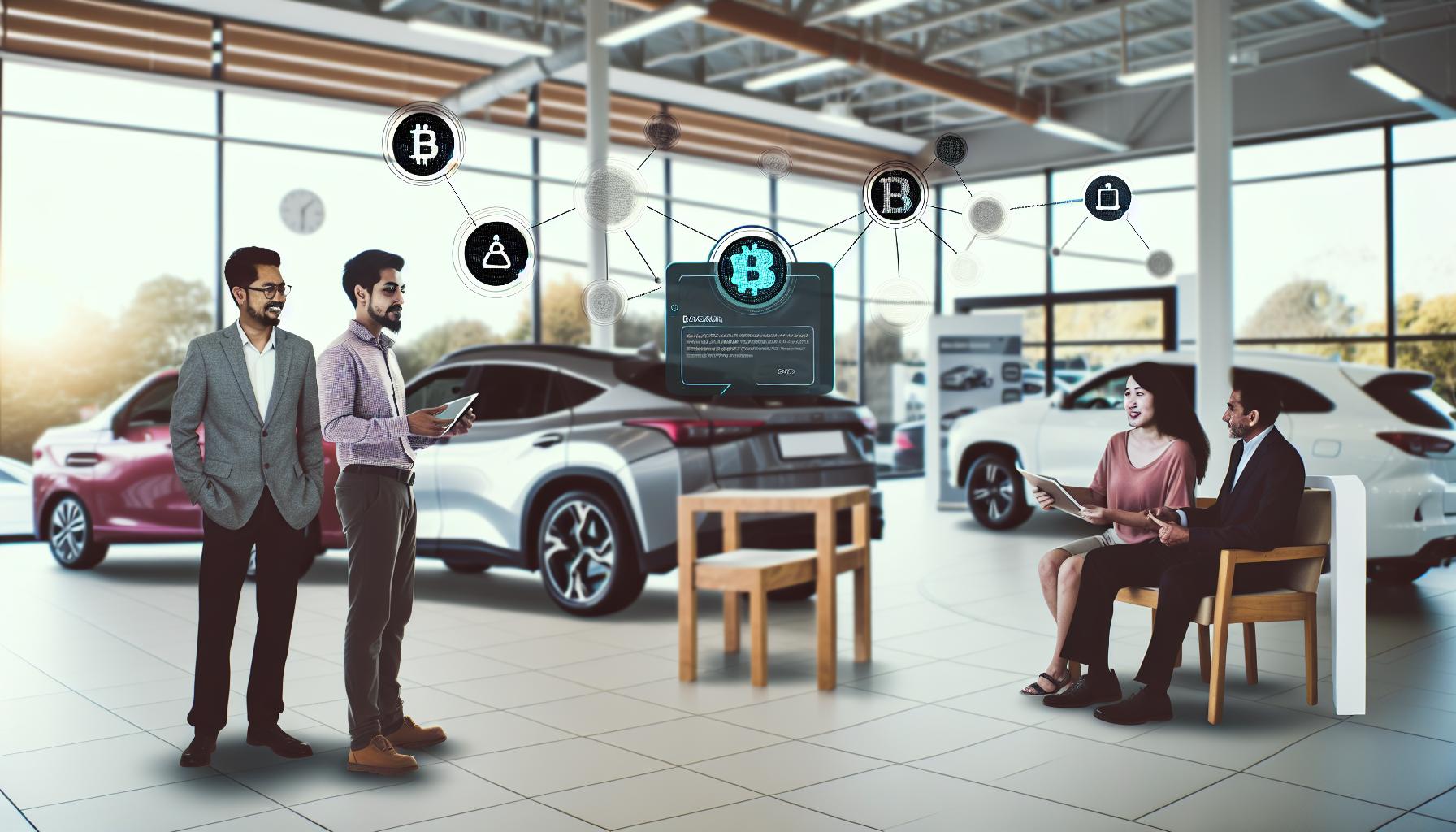
How Blockchain Technology Enhances VIN Security
Blockchain technology is revolutionizing how we secure and verify Vehicle Identification Numbers (VINs), addressing one of the automotive industry’s most persistent challenges: fraud. Approximately 1 in 10 used vehicles is estimated to have discrepancies in its history, such as odometer rollbacks or title washing. By leveraging the inherent characteristics of blockchain-decentralization and immutability-we can radically enhance the security of VINs, ensuring that every piece of critical vehicle information is not only accurate but also tamper-proof.
At its core, blockchain serves as a distributed ledger that records transactions across multiple computers, thereby eliminating the need for a single point of control or failure. When a VIN and its associated data, such as ownership history and maintenance records, are entered into the blockchain, they are cryptographically secured and become part of a permanent record. This data cannot be altered retroactively without the consensus of multiple parties, drastically reducing the likelihood of misinformation. With each transaction logged, prospective buyers can trace a vehicle’s entire history, gaining confidence in the authenticity of what they’re purchasing.
One real-world application of this technology is seen in the use of VIN tokens-digital representations of a vehicle’s VIN stored on the blockchain. Each token can encapsulate a comprehensive history of the vehicle, including services, repairs, and ownership changes. This facilitates easier verification during sales, significantly streamlining the buying process. Imagine a prospective buyer who simply scans a VIN token at a dealership, instantly receiving an unalterable record of the car’s past-this drastically enhances consumer trust and reduces the chances of fraud.
In addition to these benefits at the consumer level, blockchain can also serve regulatory bodies and insurers by providing an indisputable record of vehicle histories. With verified data at their disposal, they can make informed decisions regarding insurance claims and fraud investigations. This creates a safer marketplace for both buyers and sellers in the automotive sector while enhancing overall industry accountability. As blockchain adoption grows, we may not only see a reduction in vehicle fraud but also the establishment of best practices for vehicle verification globally, paving the way for a more secure automotive future.
Steps to Verify Your Vehicle’s VIN on Blockchain
Verifying your vehicle’s VIN through blockchain technology offers a transparent, reliable way to safeguard your investment. With the rise of VIN tokens, which encapsulate your vehicle’s historical data on an immutable ledger, the verification process has become accessible to anyone interested in understanding their vehicle’s pedigree. The steps below will guide you through the verification process using blockchain, providing you with the peace of mind that comes with verified data.
How to Verify Your VIN on Blockchain
Begin by locating your Vehicle Identification Number (VIN). This unique 17-character identifier can typically be found in several places on your vehicle:
- On the driver’s side dashboard, visible through the windshield
- On the driver’s side door jamb or frame
- In your vehicle registration documents or insurance policy
Once you have your VIN, the next step is to access a blockchain VIN verification platform. There are several solutions available that have integrated blockchain capabilities, each designed to decode and provide insights into your VIN. Some prominent platforms include:
- VINCheck.info – A free service that decodes VINs and can track blockchain records.
- Trusted automotive marketplaces that utilize blockchain for transactions.
After navigating to one of these platforms, input your VIN into the provided search tool. The tool will query the blockchain for any records associated with your VIN, revealing key historical data such as:
- Ownership history
- Accident reports
- Service records
- Title statuses
This process typically takes only a few moments and will return comprehensive results. If your VIN token is recognized, you will receive a verified report that confirms the authenticity of the vehicle’s history, showcasing the efficiency and reliability of blockchain technology.
In conclusion, utilizing blockchain for VIN verification empowers you with critical insights into your vehicle. It not only streamlines the buying process but also fosters trust in the information presented. With each step seamlessly integrated into this innovative technology, you can feel confident navigating the automotive market, knowing that the critical details of your vehicle’s history are only a few clicks away.
Common Misconceptions About VIN and Blockchain
Many vehicle owners assume that the Vehicle Identification Number (VIN) operates independently and lacks a connection to modern technologies like blockchain. This misconception underestimates the power of integrating VINs with blockchain, a technology that enhances the verification process. In reality, blockchain serves as a robust infrastructure that complements the VIN by securely documenting a vehicle’s history, including ownership transfers, accident reports, and other critical data. This combination not only improves transparency but also protects against fraud, which has been a longstanding issue in the automotive market.
Another common misunderstanding is that VINs alone provide all necessary vehicle information. While the VIN is essential for identifying specific vehicles, its potential is amplified when combined with the detailed, time-stamped records that blockchain technology can offer. For example, while a VIN might identify that a vehicle has been in an accident, blockchain can provide verifiable proof of when the accident occurred, the extent of the damage, and the repairs made afterward. This level of detail is crucial for potential buyers who want to make informed decisions about their purchases.
Additionally, many people believe that accessing blockchain-verified VIN data requires advanced technical skills or expensive tools. In truth, there are numerous user-friendly platforms available today that allow anyone to verify a VIN’s history through blockchain with just a few clicks. Platforms like VINCheck.info or those integrated within automotive marketplaces simplify the process, making it accessible even to those unfamiliar with technology. Users merely need to enter their VIN to gain insights into the vehicle’s background, driving home the point that ownership verification doesn’t have to be complicated or costly.
It’s also essential to clarify that blockchain does not replace the VIN; rather, it adds a valuable layer of security and trust. By ensuring that the data linked to a VIN is immutable and traceable, blockchain technology provides a safeguard against the manipulation of vehicle histories. As the automotive industry continues to evolve, understanding how these two elements interplay will empower consumers to validate their purchasing decisions confidently and foster a more reliable used car market.
Real-World Applications of VIN Tokens in the Automotive Industry
The automotive industry is increasingly leveraging the power of blockchain technology to enhance vehicle verification through VIN tokens, creating a more transparent and efficient marketplace. These tokens serve as digital assets representing the vehicle’s unique history, encapsulated in its Vehicle Identification Number (VIN). By encoding critical information about a car’s past-such as ownership changes, accident records, and service history-VIN tokens provide potential buyers and sellers with a comprehensive view of a vehicle’s condition and reliability.
One of the most significant applications of VIN tokens is in reducing the prevalence of fraud in used car sales. Traditionally, purchasing a used car involves a degree of risk; buyers often lack access to verified historical data, which can lead to costly mistakes. With blockchain technology, VINs can be securely recorded and stored, making it nearly impossible to alter a vehicle’s history without detection. For example, platforms like CarVertical utilize blockchain to offer DNA-like reports of vehicles, ensuring that buyers can see a verified timeline of ownership and repairs that have been made.
Additionally, VIN tokens can enhance the vehicle leasing industry by tracking the condition and service records of cars over time. Leasing companies can benefit from real-time updates on the status of vehicles, enabling them to optimize their fleets based on actual usage data. This transparency fosters trust between leasing companies and customers, prompting responsible behavior from lessees who understand that their vehicle’s status is being monitored. As a result, the system encourages better maintenance, ensuring vehicles are returned in good condition.
In practical terms, adopting VIN token systems is becoming easier for both consumers and automotive professionals alike. Various digital wallets and mobile applications are now available that allow users to create and manage VIN tokens securely. These innovations simplify the process of verifying a car’s history and ownership, empowering buyers with information at their fingertips. Just as one would check a credit score before making a significant financial decision, buyers can now evaluate a vehicle’s VIN token to ensure they’re making a smart purchase. This shift not only bolsters consumer confidence but also supports a more equitable automotive market.
Navigating Different Vin Decoders and Tools
Every vehicle on the road carries a unique identity encapsulated in its Vehicle Identification Number, or VIN. This 17-character alphanumeric code not only identifies the vehicle but also conveys a wealth of vital information about its history, including the manufacturer, model year, and place of production. As potential buyers or current owners, understanding how to navigate various VIN decoders and tools can empower you with essential insights that make vehicle verification a straightforward process.
To start decoding a VIN, consider utilizing both online and mobile tools that specialize in VIN lookups. Platforms like the Official VIN Registry and Vindecoderz allow users to enter a VIN and receive instant reports containing essential details such as ownership records, recalls, and vehicle specifications. These tools can also flag any discrepancies that might indicate tampering or fraud, giving you peace of mind when searching for a used vehicle. Additionally, many automotive manufacturers and independent sites offer dedicated VIN lookup tools tailored to their specific makes, ensuring you receive the most accurate information possible.
When utilizing these resources, here are some practical steps to maximize your VIN lookup experience:
- Locate Your VIN: Your vehicle’s VIN can usually be found on the dashboard near the windshield, on the driver’s side door jamb, or in the vehicle’s registration documents.
- Choose a Reliable Decoder: Use reputable websites like Official VIN Registry or Vindecoderz to ensure accurate data.
- Input the VIN: Carefully enter the VIN without any extra spaces to avoid errors.
- Review the Report: Analyze the report for critical insights such as past ownerships, accident history, and any title issues.
Moreover, integrating blockchain technology into VIN verification provides added layers of security and trust. Blockchain’s immutable nature ensures that once data is recorded, it cannot be altered without consensus. This means that the vehicle’s history tracked on a blockchain platform is robustly protected against fraud. Platforms leveraging VIN tokens not only enhance transparency but also facilitate smoother transactions by providing a verified digital history accessible to both buyers and sellers.
By understanding various VIN decoders and the integration of blockchain, vehicle owners and prospective buyers can confidently navigate the complexities of car ownership and purchasing. This approach not only demystifies the vehicle history check process but also fosters a more informed and trustworthy automotive marketplace.
Comparing Traditional VIN Checks and Blockchain Solutions
Understanding the differences between traditional VIN checks and emerging blockchain solutions is essential for anyone involved in vehicle ownership or purchase. Traditional VIN checks offer a foundational level of vehicle history by providing data such as past ownership, accident reports, and recall notifications. Typically executed through various online platforms, these checks often rely on databases that may not always be comprehensive. While numerous websites and applications, such as the Official VIN Registry and NHTSA’s VIN decoder, provide valuable insights, they can be limited by the accuracy and currency of the underlying data.
In contrast, blockchain technology revolutionizes vehicle verification by creating a decentralized, immutable ledger that records each vehicle’s history. This means that every transaction related to a vehicle-be it ownership transfers, insurance claims, or service records-can be traced back to its inception without risk of manipulation. The transparency afforded by blockchain can eliminate concerns over fraud, as the data stored cannot be altered once it’s recorded. This additional layer of security and trust makes blockchain solutions particularly appealing to buyers and sellers seeking assurance regarding a vehicle’s pedigree.
When comparing the two, it’s important to consider how user experience and accessibility differ. Traditional VIN checks typically require users to navigate through multiple third-party sites, which can vary in reliability and cost. In contrast, blockchain-based approaches streamline this process by offering a single source of truth accessible to all parties involved in a transaction. Participants can quickly verify a vehicle’s history using a unique VIN token linked to its blockchain record. This not only fosters trust between buyers and sellers but also expedites the transaction process by reducing unnecessary research and potential disputes.
Adopting blockchain for VIN verification represents a significant advancement in automotive history tracking, enabling a more secure and efficient market. As consumers become increasingly aware of the potential pitfalls in traditional VIN checks, the adoption of VIN tokens and blockchain solutions could transform how we buy and sell vehicles, reducing fraud while enhancing the overall consumer experience.
The Future of Automotive Ownership: VIN Tokens Explained
By harnessing the power of blockchain technology, VIN tokens are poised to reshape automotive ownership profoundly. This innovative approach grants vehicle history verification a level of security and transparency that traditional methods simply cannot match. With each vehicle’s history stamped onto an unchangeable ledger, buyers and sellers alike can access vital information, reducing the shadows of uncertainty that often cloud vehicle transactions. Imagine knowing the full history of a vehicle-its ownership, maintenance records, and even accident history-at the click of a button, all verifiable through blockchain.
Why VIN Tokens Matter
VIN tokens represent a digital key to a vehicle’s comprehensive history, ensuring that the information is not only accurate but also readily available and tamper-proof. This shift addresses one of the most significant challenges in auto sales: trust. Traditional systems can be manipulated or are based on incomplete datasets. In contrast, with blockchain, the data is recorded in real-time, making it nearly impossible for anyone to alter past records without detection. This directly combats issues like odometer fraud and undisclosed accidents, fostering a healthier marketplace.
The Mechanism Behind VIN Tokens
So, how do VIN tokens work in practice? Each vehicle is assigned a unique token on the blockchain, linking it to a multitude of important data points. When a vehicle is bought or sold, its token is updated in the blockchain, creating a transparent history of ownership changes. For prospective buyers, this means that viewing a vehicle’s token can unveil key facts:
- Previous ownership: Every change of ownership is accessible, revealing how many hands a vehicle has passed through.
- Service records: Maintenance and service history can be attached to the token, offering insights into the vehicle’s upkeep.
- Accident history: Any registered incidents can be flagged, providing peace of mind regarding the vehicle’s condition.
Adopting VIN tokens not only enhances the purchasing experience for consumers but also empowers sellers to demonstrate the reliability of their vehicles. This technology promotes a more informed transaction process, setting a new standard for automotive ownership in the digital age. As we move forward, understanding and utilizing these tokens will become essential for anyone involved in the buying or selling of vehicles.
Regulatory Considerations for Vehicle Blockchain Applications
As the automotive industry increasingly embraces blockchain technology for vehicle verification, understanding the regulatory landscape becomes crucial for stakeholders. This framework is essential to ensure that VIN tokens and related blockchain applications operate within legal bounds, protect consumers, and facilitate a trustworthy marketplace.
Navigating regulations involves a multi-faceted approach, beginning with data privacy laws. In many jurisdictions, personal information linked to vehicle ownership or history must comply with regulations such as the General Data Protection Regulation (GDPR) in Europe or the California Consumer Privacy Act (CCPA) in the United States. Consequently, companies developing blockchain solutions must ensure that any data shared on the blockchain does not infringe on individual privacy rights. Implementing measures like data pseudonymization can help protect user identities while still leveraging valuable vehicle data.
In addition to privacy, regulatory bodies may require that the technology used in VIN tokenization meets specific standards for security and reliability. This includes ensuring that blockchain systems can resist tampering and fraud, more commonly associated with traditional vehicle history reports. Collaboration with regulatory agencies is key, as it fosters a proactive dialogue about best practices and compliance measures, ultimately boosting user confidence in blockchain solutions. Moreover, developing industry standards can facilitate interoperability between different blockchain systems, allowing smoother vehicle transactions across various platforms.
Another significant aspect to consider is the legal recognition of blockchain records. As blockchain gains traction, jurisdictions will need to establish clear guidelines regarding the admissibility of blockchain-sourced data in legal contexts. This includes defining whether ownership changes recorded on the blockchain are legally binding. To prepare for these eventual updates in legislation, businesses should engage with policymakers, advocating for frameworks that recognize the validity of blockchain records while adhering to consumer protection principles.
In summary, navigating the regulatory landscape for vehicle blockchain applications, particularly VIN tokenization, requires a careful balance of compliance with data privacy, security standards, and legal recognition. By staying informed and involved in the regulatory discussions, stakeholders can ensure that they not only meet current requirements but also pave the way for innovative and trustworthy automotive solutions.
Case Studies: Successful VIN Token Implementations
In recent years, several pioneering companies have successfully implemented VIN tokenization using blockchain, revolutionizing the way vehicle ownership and history are verified. For instance, an automotive startup launched a blockchain-based platform that records every transaction associated with a vehicle, from manufacturing to sale. This method provides buyers with a comprehensive history of the vehicle, ensuring transparency and trust. By linking the vehicle identification number (VIN) to a unique digital token on the blockchain, owners can verify authenticity and claim ownership securely.
Notable Implementations in the Industry
One particularly compelling case is a collaboration between a major automotive manufacturer and a blockchain technology firm. They developed a decentralized application (dApp) enabling users to access and verify vehicle history through VIN tokens. This platform allows consumers to see any accidents, service records, and ownership changes associated with the VIN, thereby reducing fraud and enhancing the reliability of used car sales. Users simply input the VIN into the system, which displays a detailed and tamperproof history of the vehicle, empowering potential buyers to make informed decisions.
Another example involves a fleet management company that adopted VIN tokens to streamline operations and enhance security. By utilizing blockchain technology, the company can efficiently track vehicle performance and ownership on a grand scale. Each vehicle’s VIN is tokenized to provide real-time data on its usage across various locations, which significantly reduces the risk of theft and ensures compliance with regulations. This innovative tracking method not only secures assets but also maximizes efficiency through data accessibility.
Lessons Learned and Future Directions
These successful implementations highlight the potential of VIN tokenization to transform the automotive landscape. Stakeholders are realizing the importance of interoperability between different blockchain systems to facilitate smoother transactions across platforms. Additionally, these initiatives demonstrate how consumers can benefit from increased transparency and reduced fraud, fostering greater confidence in purchasing decisions. As the industry moves forward, further research and development will likely focus on optimizing these systems and addressing regulatory challenges to make VIN tokenization a standard practice across the automotive sector.
Overall, these case studies not only underline the practicality of integrating blockchain with traditional vehicle verification methods but also set a precedent for future innovations in automotive ownership and management.
How to Get Started with VIN Token Adoption
To begin embracing VIN token adoption, it’s essential to understand both the technology and the practical steps necessary for implementation. VIN tokenization links a vehicle’s unique VIN to a digital token on a blockchain, providing a transparent and immutable record of a vehicle’s history. This transparency not only reassures buyers about the vehicle’s background but also enhances the efficiency of transactions in the automotive market. As fraud continues to plague the industry, VIN tokens can significantly mitigate risks by ensuring that all ownership records and histories are verifiable and secure.
Start by educating yourself about the underlying blockchain technology and how it interacts with VINs. Consider attending workshops or webinars focused on blockchain and automotive applications. Engaging with communities both online and offline can also provide valuable insights. For example, platforms like Meetup or LinkedIn frequently host discussions and networking opportunities concerning blockchain in various industries, including automotive.
Steps to Adopt VIN Tokenization
- Identify Stakeholders: Gather a team that includes IT specialists, legal advisors, and representatives from your sales and customer service departments. Their diverse perspectives will help ensure a well-rounded approach.
- Choose a Blockchain Platform: Research different blockchain solutions that are tailored for automotive applications. Platforms like Ethereum or Hyperledger have extensive ecosystems that can support VIN tokenization.
- Develop a Prototype: Begin with a small-scale project that tokenizes a limited number of VINs. This allows you to test the system and gather feedback before wider implementation.
- Integrate with Existing Systems: Ensure that the tokenization process can easily integrate with your existing databases and sales systems to provide a seamless user experience.
- Educate Users: Once the system is operational, provide extensive training for your staff and informative materials for consumers. This will help build trust and understanding around how to read and use VIN tokens effectively.
Implementation can seem daunting, but many automotive companies are already seeing success with early adoption. For instance, a notable automobile manufacturer partnered with a blockchain provider to ensure that all transactions and vehicle histories were recorded immutably. By actively promoting the benefits and security of VIN tokens, they successfully enhanced customer confidence in their used vehicle marketplace, demonstrating how transparency leads to better buying decisions and reduced fraud.
By integrating VIN tokenization into your operations, you not only improve the accuracy of vehicle data but also position your business at the forefront of automotive innovation. As regulations evolve and consumer expectations shift towards greater accountability, adopting VIN tokens could become a critical differentiator for your brand in an increasingly digital automotive landscape.
FAQ
Q: What is a VIN Token and how does it relate to blockchain technology?
A: A VIN Token is a unique digital identifier that uses blockchain technology to securely verify vehicle history and ownership. It enhances transparency by storing immutable records of a vehicle’s life cycle, ensuring accurate data for buyers and sellers.
Q: How does blockchain enhance vehicle ownership verification?
A: Blockchain technology provides a decentralized ledger that verifies ownership without intermediaries, reducing fraud risk. Each transaction is recorded on the blockchain, ensuring transparency and accuracy in vehicle history and ownership transfer.
Q: Can I verify my vehicle’s history using a VIN Token?
A: Yes, you can verify your vehicle’s history using a VIN Token. By inputting your VIN into a blockchain-verified platform, you can access detailed records, including previous ownership, accident history, and service records.
Q: What are the advantages of using a VIN token over traditional VIN checks?
A: VIN Tokens offer enhanced security, transparency, and real-time updates compared to traditional VIN checks. They eliminate fraudulent claims, as the blockchain records are immutable, providing more reliable data for vehicle buyers and sellers.
Q: Are VIN tokens legally recognized for vehicle transactions?
A: Yes, VIN tokens are increasingly being recognized in many jurisdictions as legitimate proof of vehicle ownership and history. However, legal acceptance may vary, so it’s essential to consult local regulations regarding blockchain documentation.
Q: How can I get started with using VIN tokens for my vehicle?
A: To start using VIN tokens, first ensure your vehicle is registered with a service provider that utilizes blockchain technology. Then, obtain your vehicle’s VIN and create an account to access the verification services. Consider reading the section on steps to verify your VIN on blockchain for detailed guidance.
Q: What are common misconceptions about VIN tokens and blockchain verification?
A: Many believe that VIN tokens eliminate the need for physical documentation, while they actually complement traditional methods by providing an additional layer of verification. Understanding this can help you leverage blockchain technology for more secure vehicle transactions.
Q: Will using a VIN token increase the resale value of my vehicle?
A: Utilizing a VIN token can potentially increase your vehicle’s resale value by providing prospective buyers with verified and transparent history. Clear records of ownership and maintenance can build buyer trust, making your vehicle more appealing in the market.
Closing Remarks
Understanding how to leverage the VIN Token for blockchain vehicle verification can transform the way you purchase and manage your vehicles. By utilizing this innovative technology, you can ensure greater transparency and trustworthiness in your automotive transactions. Don’t wait-take action now! Start by checking your vehicle’s VIN today using tools like our VIN Decoder for detailed information on history, specifications, and more.
For deeper insights, explore our articles on how to decode a VIN and the benefits of using blockchain in vehicle registration. Got questions or need personalized assistance? Join our community in the comments below or sign up for our newsletter for the latest updates and tips. Remember, informed decisions lead to safer and more satisfying vehicle ownership experiences. Your next smart move starts here-let’s drive into the future of automotive verification together!