Did you know that over 2 million vehicles are reported stolen each year in the United States alone? Understanding the importance of a Vehicle Identification Number (VIN) is crucial for anyone looking to buy a used car. VINs not only reveal a vehicle’s history but also help protect buyers from fraud, salvage, or odometer tampering. In “VIN Reporting: Report Fraud & Protect Vehicle Buyers,” we will explore how to decode a VIN, uncover essential details about a vehicle’s past, and empower you to make informed purchasing decisions. With the right knowledge, you can safeguard yourself against potential scams and ensure that your investment is a sound one. Let’s dive into the world of VIN reporting and learn how you can protect yourself and your future vehicle.
Understanding the Importance of VIN Reporting
Understanding the significance of VIN reporting is crucial in today’s automotive landscape, especially for buyers looking to navigate the complexities of vehicle history and ownership. A Vehicle Identification Number (VIN) serves as a unique fingerprint for each automobile, revealing vital details about its past, including accidents, ownership transfers, and title discrepancies. With the right tools, such as VIN check services, prospective buyers can unveil a car’s hidden history, empowering them to make informed purchasing decisions and avoid potential scams.
When looking to buy a used vehicle, it’s essential to understand the types of information accessible through VIN reporting. This data often includes:
- Accident History: Records of any reported collisions.
- Title Information: Insights into previous ownership and any inconsistencies in title transfers.
- Recall Information: Notifications for any safety recalls that may not have been addressed.
- Mileage Records: Verification of odometer readings to detect any possible rollbacks.
Each of these elements plays a critical role in determining the value and safety of a vehicle, making VIN reporting an essential tool for responsible buyers. Furthermore, timely and accurate VIN reporting helps protect against fraud. For instance, if a vehicle has a history that contradicts what the seller claims, having access to a comprehensive VIN report can signal potential red flags.
Additionally, law enforcement agencies frequently rely on VIN reports to track stolen vehicles and investigate scams. This collaborative effort between buyers, sellers, and authorities helps enhance overall transparency in the automotive market. By leveraging VIN reporting, buyers not only shield themselves from fraud but also contribute to a more regulated environment aiding in the recovery of stolen vehicles and the apprehension of criminals involved in auto fraud.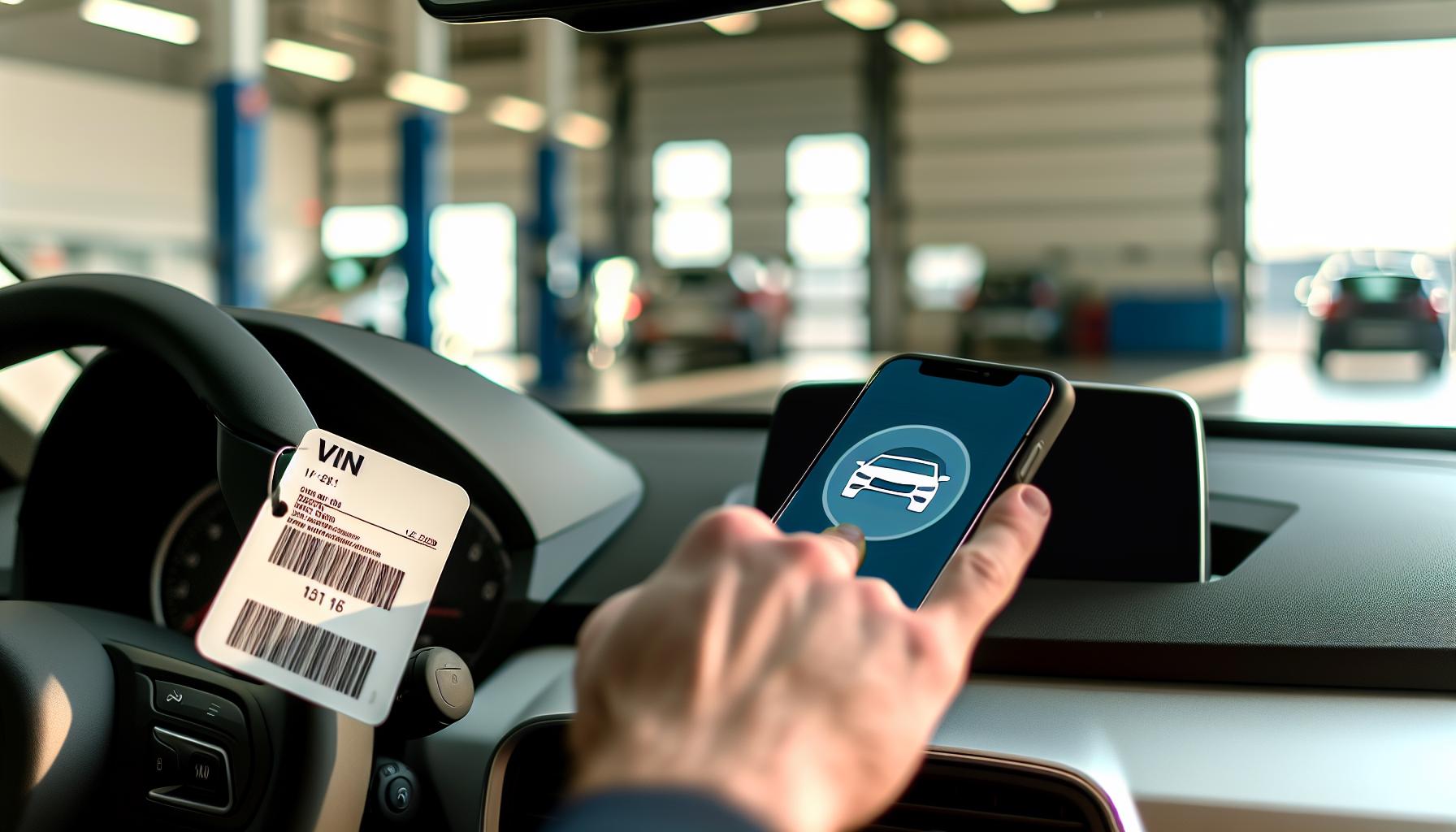
What is a VIN and Why It Matters
Every vehicle has a unique identity, much like a social security number for a person, and that identity is encapsulated in its Vehicle Identification Number (VIN). Consisting of 17 characters, the VIN provides critical information about the vehicle’s manufacturer, model, and year of production, along with other defining characteristics. Understanding your vehicle’s VIN isn’t just for car enthusiasts-it’s a vital tool for any buyer or owner looking to protect themselves against fraud and make informed decisions.
A VIN is valuable because it connects a vehicle to its entire history. By simply entering this unique code into a VIN decoder or reporting service, you can access a wealth of information, including:
- Manufacturing Details: The VIN reveals specifications such as the car’s engine size, body style, and even the plant where it was made.
- Ownership History: Many reports can showcase how many people have owned the vehicle and any potential discrepancies in title transfers.
- Accidents and Repairs: It highlights previous accidents, insurance claims, and repairs, shedding light on the vehicle’s overall condition.
- Safety Recalls: VINs indicate whether all necessary safety recall work has been completed, a crucial consideration for any buyer.
When buying a used vehicle, verifying the VIN is a crucial step. Tools like those found on platforms such as CARFAX or NHTSA allow you to perform an instant check, ensuring the vehicle’s specifications match what the seller claims. This step not only protects you from possible fraud but also provides peace of mind, knowing the car you purchase is safe and reliable. By empowering yourself with knowledge about the VIN, you’re not just making a purchase; you’re making a well-informed investment.
How to Report Vehicle Fraud Effectively
Reporting vehicle fraud is crucial to maintaining the integrity of the automotive marketplace and protecting yourself as a consumer. If you suspect fraud-such as a tampered VIN, misleading vehicle history, or undisclosed damage-quick and effective reporting can aid law enforcement and prevent further victimization. Begin by collecting all relevant documentation. This includes the vehicle title, purchase agreements, advertisements, and any communication with the seller. These documents serve as evidence, providing a clear picture of your case.
Next, it’s important to contact your local law enforcement agency. Report the suspected fraud by giving them the gathered evidence and providing a detailed account of the situation. Many police departments have specialized units that handle vehicle-related crimes, which can expedite the investigation process. Additionally, file a report with the National Insurance Crime Bureau (NICB) if the fraud involves a stolen vehicle or major financial loss. The NICB works to help recover stolen vehicles and to combat insurance fraud.
Finally, consider notifying the Federal Trade Commission (FTC) if the fraud occurs during a vehicle transaction involving false advertising or deceptive practices. The FTC collects these complaints to help bring awareness to these scams and initiate policy changes as necessary. Keep in mind that once you file these reports, follow up periodically to stay updated on the progress, and don’t hesitate to consult legal professionals if the situation escalates.
By acting swiftly and effectively, not only do you protect yourself, but you also contribute to a safer and more transparent vehicle buying environment for all. Your vigilance can deter fraudsters and create a ripple effect that benefits future buyers in the marketplace.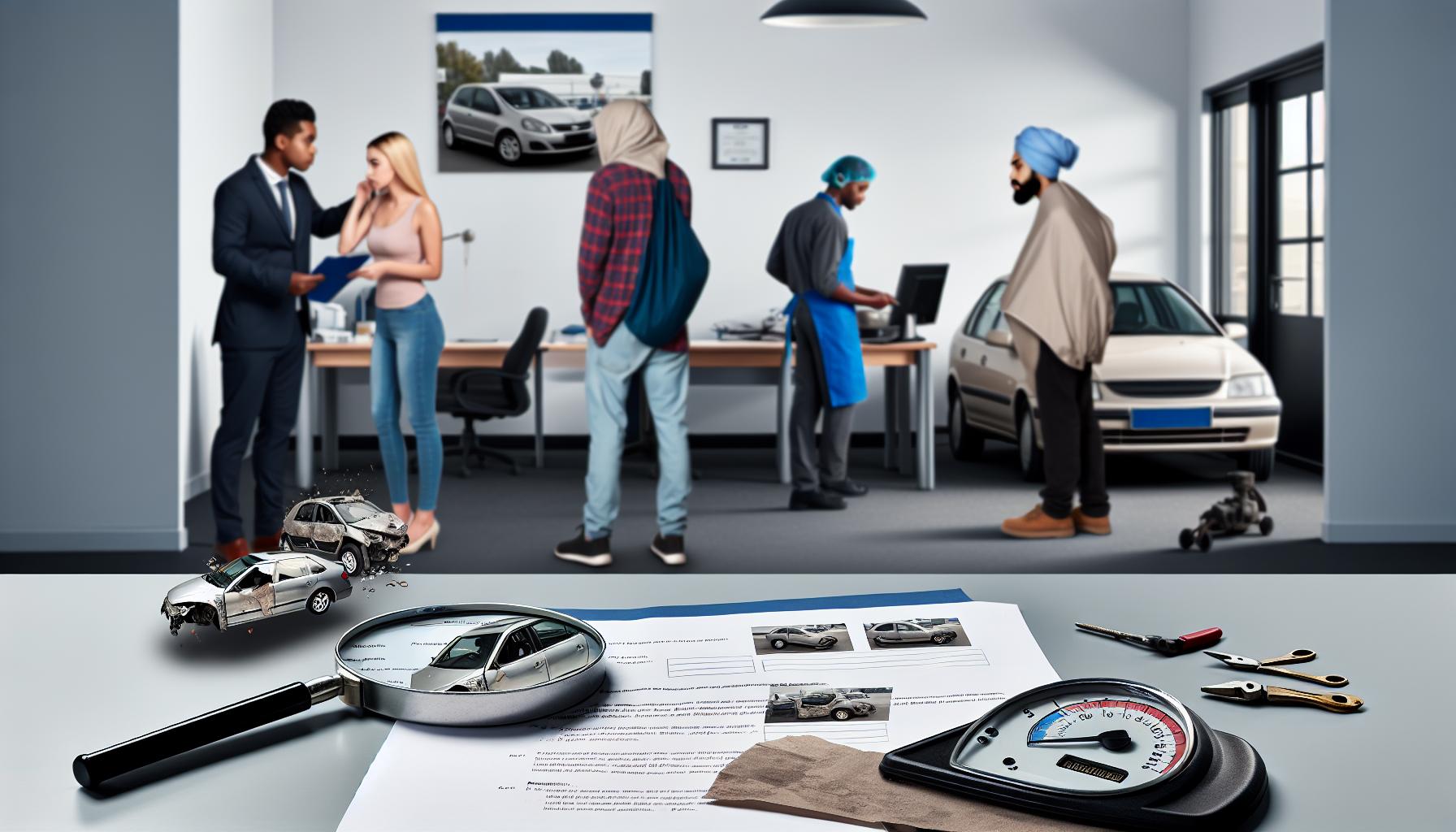
Identifying Common Types of Vehicle Fraud
Vehicle fraud is a pervasive issue that can catch even the savviest buyers off guard. Recognizing the common types of fraud can equip you with the knowledge needed to navigate the automotive marketplace confidently. One prevalent form of vehicle fraud is VIN tampering, where a thief alters the vehicle identification number to hide its true history. This unethical practice can involve changing a VIN on the car’s body or on documentation to evade detection from law enforcement or purchasers.
Another common issue is odometer rolling, where fraudsters manipulate the odometer reading to reflect lower mileage than the vehicle has actually accrued. This deception can lead buyers to believe they are purchasing a well-maintained vehicle when, in fact, they may be facing significant mechanical issues attributable to high usage. To protect yourself, look for inconsistencies in the vehicle’s service history and check the odometer against the maintenance records.
Additionally, title washing is a serious concern. This occurs when a vehicle’s title is altered or transferred between states to obscure the fact that it has been written off or categorized as a total loss due to severe damage, theft, or other issues. Buyers should always conduct a thorough VIN check via platforms like VinAudit or CARFAX to retrieve comprehensive reports that reveal any hidden issues associated with a vehicle’s past.
To safeguard yourself, be vigilant in assessing vehicle documentation, and consider a comprehensive vehicle history report before making any purchasing decisions. Knowing what signs to look for can help you avoid common traps and ensure that your investment remains secure.
Steps to Conduct a VIN Check Before Buying
To avoid costly surprises, conducting a Vehicle Identification Number (VIN) check is essential before making any car purchase. A VIN serves as a unique fingerprint for a vehicle, containing crucial information about its history, ownership, and whether it has been involved in any accidents or fraud. Not all vehicles share a straightforward history; therefore, understanding how to effectively check a VIN can safeguard you from potential pitfalls and ensure a sound investment.
Begin by locating the VIN on the vehicle. The most common locations include the driver’s side dashboard (visible through the windshield), the driver’s side doorjamb, or inside the engine bay. The VIN is a 17-character code that provides specific information about the vehicle, such as the manufacturer, model year, and place of assembly. Once you’ve identified the VIN, it’s time to use it for a thorough background check.
Next, utilize reputable online VIN decoder tools such as CARFAX or VINCheck. Here, you can input the VIN to access detailed reports that reveal critical insights like previous ownership, accident history, recalls, and any liens on the vehicle. These reports can highlight red flags like title washing or odometer discrepancies, which are common in vehicle fraud scenarios. While many basic checks are free, consider paying for a comprehensive report if you’re seriously interested in a vehicle, as it can uncover vital information that safeguards your purchase.
Lastly, don’t forget to compare the report details with the vehicle in question. Check for consistency in the make, model, and year against the seller’s description. If there are discrepancies, such as a mismatched VIN or an accident history not disclosed by the seller, it’s a strong warning sign. Always ask for official documentation and maintain a healthy skepticism towards deals that seem too good to be true. By following these steps diligently, you can protect yourself from potential fraud and make well-informed decisions in the automotive market.
Essential Tools for VIN Verification
In the world of vehicle purchasing, the integrity of a car’s history can significantly impact your buying experience. The primary asset for uncovering this history is the Vehicle Identification Number (VIN), and leveraging the right tools for VIN verification is crucial. These tools can range from robust online databases to mobile apps designed to streamline the process, making it easier for potential buyers to access vital information that protects their investment.
To begin with, reputable VIN lookup services offer in-depth reports that provide essential information about a vehicle’s past. Websites like Official VIN Registry and VinAudit allow you to input the 17-character VIN and instantly receive detailed reports. These reports often reveal critical details such as accident history, title status, odometer readings, and whether the vehicle has been involved in theft or flood damage. Such insights are invaluable in making an informed decision, as they can detect potential issues that the seller may not disclose.
Additionally, using VIN decoding tools can be incredibly beneficial. A VIN decoder can help you understand what each character in a VIN signifies, providing clarity on the car’s manufacturer, model, and production year. Services like Kelley Blue Book’s VIN decoder can help you interpret this information easily, ensuring no critical details are overlooked.
Mobile apps such as CarFax and others allow for on-the-go checks and can be especially useful during dealership visits or private sales. Being able to verify a vehicle’s history on your smartphone empowers you with the necessary information to negotiate effectively or walk away from potentially problematic sales. With these quality tools at your disposal, you enhance your ability to safeguard against fraud and ensure that your vehicle purchase is sound. Whether you are buying a new car or a used vehicle, understanding the available resources for VIN verification makes a major difference in your buying experience.
How VIN Reporting Protects Vehicle Buyers
To ensure a safe and successful vehicle purchase, understanding how VIN reporting can protect buyers is invaluable. A Vehicle Identification Number (VIN) serves as a unique fingerprint for each car, encapsulating essential information that helps buyers make informed decisions. Utilizing VIN reporting tools allows prospective owners to uncover hidden issues, such as previous accidents, title discrepancies, or even if the vehicle has been reported stolen. This level of insight is crucial, as it directly impacts the value and safety of the vehicle in question.
Effective VIN reporting works by aggregating data from various sources, including insurance companies, law enforcement, and motor vehicle departments. When a buyer runs a VIN check, they often receive a comprehensive report detailing the vehicle’s history. These reports highlight crucial pieces of information, such as accidents, service records, previous ownership, and any recall notices. Armed with this information, a buyer can negotiate more effectively or choose to walk away if the vehicle’s history raises red flags. For instance, if a report shows that a car has a salvage title, the buyer is alerted to potential issues regarding repair quality and overall vehicle integrity.
Moreover, the role of law enforcement cannot be overstated in the VIN reporting process. If a vehicle is identified as stolen through VIN checks, law enforcement agencies can promptly act to recover the vehicle. This collaboration between buyers, VIN report services, and law enforcement not only protects individual buyers but also contributes to broader efforts to combat vehicle theft and fraud. By being proactive, buyers not only safeguard their investments but also promote accountability within the automotive market.
To maximize the benefits of VIN reporting, buyers should utilize reputable VIN check services before making a purchase. These services are often easy to access online, and many offer free basic checks. For a nominal fee, more detailed reports can provide deeper insights. Always ensure that the service comes from a reliable source, as accurate data is critical in preventing fraud. In the end, the money spent on a VIN report is a small price to pay for peace of mind, ensuring that you drive away with a vehicle that’s not only reliable but also legally sound.
The Role of Law Enforcement in VIN Fraud Cases
In the complex world of vehicle ownership, understanding the role of law enforcement in combating VIN fraud is crucial for safeguarding buyers. Each Vehicle Identification Number (VIN) is a unique identifier that provides essential information about a vehicle’s history. When a VIN check reveals discrepancies indicating potential fraud-such as a vehicle with a forged title or one reported stolen-law enforcement steps in to investigate and take appropriate action. This collaborative effort not only helps recover stolen vehicles but also serves as a deterrent against future fraud, promoting a safer environment for all vehicle owners.
Effective VIN reporting works in tandem with law enforcement agencies, feeding critical data into a broader network that tracks vehicle theft and fraud. For instance, when law enforcement receives a VIN that has been flagged as stolen, they can quickly trace its history and initiate recovery procedures. This immediate response highlights the importance of conducting regular VIN checks not only for personal assurance but also for contributing to a collective fight against vehicle crime. By reporting suspected fraud promptly, buyers can assist law enforcement in building cases against perpetrators, ultimately leading to higher recovery rates for stolen vehicles.
The impact of law enforcement in VIN fraud cases extends beyond recovery; it cultivates a culture of accountability among dealers and private sellers. When individuals know that stringent measures are in place to track fraudulent activities, they may think twice before attempting any deception. Law enforcement also collaborates with dealerships and auto auctions to conduct VIN audits and ensure compliance with legal standards. These proactive measures reinforce buyer confidence and highlight the value of VIN transparency in the automotive market.
In practical terms, becoming familiar with local law enforcement resources can be beneficial. Many police departments now have specialized units dedicated to vehicle theft and fraud prevention, offering services such as VIN inspections and education on spotting fraudulent documents. Engaging with these resources not only empowers buyers to protect themselves but also strengthens community efforts against vehicle-related crimes. By utilizing effective VIN reporting and leveraging law enforcement relationships, buyers can significantly reduce their risk and enhance their overall vehicle purchasing experience.
Real-Life Examples of VIN Fraud and Recovery
In an age where vehicle fraud is ever-present, understanding can significantly empower buyers. A compelling case occurred in 2020 when a couple in California purchased what they believed was a legitimate SUV. They paid a premium price, only to discover later that the VIN had been altered to hide the vehicle’s true identity. Upon running a VIN check, law enforcement uncovered that the SUV was reported stolen months prior. The couple not only lost their investment but faced frustration navigating the recovery process, underscoring the need for vigilance in VIN verification.
Another notable instance involved a used car dealership in Florida found to be engaging in VIN cloning. The dealership had been reassigning VINs from salvaged vehicles to create the illusion of clean titles for damaged cars. A thorough investigation was launched after multiple buyers reported inconsistencies between vehicle history reports and the cars they purchased. The recovery process involved working directly with law enforcement, which led to the confiscation of several vehicles and legal actions against the dealership. This scenario highlights the importance of conducting comprehensive VIN checks using reliable resources before finalizing any transaction.
To protect themselves, buyers can leverage numerous tools for VIN verification. Utilizing resources such as the CARFAX VIN decoder or the Official VIN Registry allows individuals to uncover critical details about a vehicle’s history, including any theft reports or recalls. Furthermore, engaging with local law enforcement for advice on recognizing signs of VIN fraud can equip buyers with essential knowledge before making significant purchases.
By learning from these real-life cases, prospective buyers can approach vehicle transactions with increased confidence. A proactive stance on VIN checks not only guards against fraud but also contributes to the collective effort in combating vehicle crime and fostering a transparent automotive marketplace. Each VIN check potentially helps recover fraudulently obtained vehicles, creating a ripple effect that benefits buyers and law enforcement alike.
Staying Informed: Updates on VIN Reporting Policies
Staying updated on VIN reporting policies is essential for all vehicle buyers, especially as laws and regulations evolve in response to increasing fraud and technological advancements. A fascinating aspect is how government agencies are continuously improving the VIN system not only to protect consumers but also to streamline vehicle registration and verification processes. For instance, the National Highway Traffic Safety Administration (NHTSA) has implemented stricter regulations requiring vehicle manufacturers to maintain databases that track defects, recalls, and recalls which is now more accessible for the public through their VIN Decoder tool[[2](https://www.nhtsa.gov/vin-decoder)].
Keeping an eye on these developments is crucial for buyers. Here are some ways to stay informed about updates in VIN reporting policies:
- Follow Government Updates: Subscribe to newsletters or alerts from the NHTSA or local motor vehicle departments to receive timely information on changes in legislation or reporting requirements.
- Utilize Online Resources: Websites like Kelley Blue Book offer valuable insights and updates on VIN-related matters that can enhance your knowledge[[1](https://www.kbb.com/car-advice/vin-decoder-guide/)].
- Connect with Community Groups: Join automotive enthusiast forums or local vehicle consumer groups. These platforms are often the first to discuss potential fraud and legislative changes.
Moreover, understanding how recent policies may impact VIN reporting can empower buyers to take proactive steps. For example, new measures that implement real-time updates to VIN databases can enhance the accuracy of vehicle history checks. By being aware of these updates, you can confidently verify the legitimacy of a vehicle’s identification and history before making significant purchases.
In short, vigilance regarding VIN reporting policies not only protects you as a consumer but also contributes to the larger effort to combat vehicle fraud. Leveraging available resources and being proactive about updates will ensure you remain informed and equipped against potential scams. With the right tools and knowledge, you can navigate the complexities of vehicle transactions more securely and transparently.
Best Practices for Using VINs in Vehicle Transactions
Understanding the Vehicle Identification Number (VIN) is crucial for anyone involved in vehicle transactions. It serves as a unique fingerprint for cars-no two vehicles share the same VIN. This string of 17 characters unlocks a wealth of information, from the vehicle’s make and model to its history of accidents or title issues. Therefore, being diligent about using VINs properly can help buyers avoid expensive mistakes and protect against fraud.
First, always verify a vehicle’s VIN against documents such as the title, registration, and insurance paperwork. The VIN can typically be found on the dashboard near the windshield, on the driver’s side doorjamb, or in the vehicle’s owner’s manual. Cross-checking this number with the seller’s provided information is your first line of defense against fraud. Any discrepancies should raise red flags and warrant further investigation.
To actively guard against potential vehicle fraud, consider utilizing VIN check tools available online. Many of these tools pull data from national databases and can reveal important history about the vehicle, including prior accidents, ownership details, and repairs. Websites like the NHTSA and Kelley Blue Book provide VIN decoder tools that break down the components of the VIN and present accessible, detailed reports. These insights can inform your decision-making process, offering an added layer of security before committing to a purchase.
Lastly, document your VIN checks and reports. Keeping a record of all the VIN-related data you gather-including dates and screenshots from VIN check tools-can be beneficial if you encounter any issues post-purchase. Should you need to report fraud or seek recourse, having this information readily available can assist law enforcement and other protective agencies in their investigations, further amplifying your protective measures during vehicle transactions.
Empowering Buyers: Resources for VIN Awareness
Understanding how to utilize a Vehicle Identification Number (VIN) can significantly empower buyers during the process of purchasing or maintaining a vehicle. The VIN acts as a vehicle’s fingerprint, containing vital information about its history, specifications, and condition. By employing the following resources and strategies, buyers can make more informed decisions and reduce the risks associated with vehicle transactions.
Utilizing Online VIN Check Tools
One of the most efficient ways to unlock a vehicle’s history is through online VIN check tools. Numerous reputable websites provide free or paid services to help users decode VINs and access valuable reports. For instance, platforms like AutoZone offer VIN decoding services that reveal the vehicle’s make, model, year of manufacture, and engine specifications [[1]]. Similarly, VinAudit conducts comprehensive background checks that include previous accidents, title changes, and odometer readings [[2]]. Engaging with these tools before finalizing a sale can alert buyers to any hidden issues, empowering them to negotiate better or walk away from potentially fraudulent deals.
Learning About Resources from Automotive Associations
Various automotive associations and governmental organizations also provide resources aimed at increasing consumer awareness. The National Highway Traffic Safety Administration (NHTSA) includes a wealth of information on vehicle recalls and safety ratings, which can be accessed through their website. Familiarizing oneself with these resources helps buyers understand the importance of VINs in reporting safety issues and encourages them to verify the vehicle’s compliance with safety standards before making a purchase.
Connecting with Community Forums and Expert Blogs
Engaging with community forums and expert blogs focused on automotive topics can also be invaluable. Online communities often share real-world experiences regarding VIN issues and vehicle fraud, providing a platform for prospective buyers to ask questions and seek advice. Not only do these conversations offer firsthand accounts of how to navigate the vehicle buying process, but they can also shed light on specific red flags to watch for, such as common fraud schemes associated with certain makes or models.
By leveraging these tools and resources, buyers can enhance their understanding of the VIN’s significance and build confidence in their vehicle purchasing decisions. The more informed a buyer is, the less likely they are to fall victim to fraud-protecting their investment while ensuring that their future vehicle aligns with their needs and expectations.
Frequently asked questions
Q: What steps should I take to report VIN fraud effectively?
A: To report VIN fraud, gather all related documents, including the vehicle title and purchase agreements. Then, contact your local law enforcement and file a report. Additionally, notify agencies like the DMV and a vehicle fraud hotline to prevent further issues. See our section on “How to Report Vehicle Fraud Effectively” for more details.
Q: How can I check if a VIN has been reported as stolen?
A: You can check if a VIN is reported stolen by using online resources like the National Insurance Crime Bureau (NICB) or your local police department’s website. These tools allow you to enter the VIN and receive information about its theft status, ensuring a safer purchase.
Q: Why is VIN reporting important for vehicle buyers?
A: VIN reporting is crucial as it provides transparency about a vehicle’s history, including accidents, thefts, and title recalls. This information helps potential buyers make informed decisions, reducing the risk of purchasing a fraudulently represented vehicle.
Q: What should I do if I discover VIN tampering?
A: If you suspect VIN tampering, cease any transaction and document the modifications. Report your findings to law enforcement immediately. Additionally, consult with a legal expert to understand your rights and potential next steps for vehicle recovery.
Q: Can I use online VIN decoders to check for fraud?
A: Yes, online VIN decoders can help identify discrepancies in a vehicle’s history. These tools can provide insights into the manufacturer, model year, and any reported issues. Be sure to corroborate this data with official records for accuracy.
Q: What are the signs of VIN fraud to look out for?
A: Signs of VIN fraud include mismatched VINs on the dashboard, title, and other documents; altered or scratched VINs; and documents that lack proper vehicle history. If any inconsistencies arise, conduct a thorough VIN check before proceeding with a purchase.
Q: How does VIN reporting impact insurance claims?
A: VIN reporting can significantly impact insurance claims since it helps validate a vehicle’s history. Insurance companies rely on accurate VIN information to assess risk and determine claims. Understanding this can aid buyers in selecting coverage wisely.
Q: Where can I find reliable resources to report VIN fraud?
A: Reliable resources for reporting VIN fraud include your local police department, the DMV, and national databases like the National Insurance Crime Bureau (NICB). These organizations provide guidance and support for dealing with VIN-related issues effectively.
The Way Forward
In today’s auto marketplace, understanding your vehicle’s VIN is crucial for making informed decisions and protecting yourself from fraud. By reporting potential issues, you contribute to a safer buying environment for everyone. Remember, decoding your VIN is quick and easy-use tools like AutoZone’s VIN Decoder or VINCheck’s Free tool to reveal important details about engine specs, ownership history, and more.
Ready to take the next step? Explore our resources on how to spot vehicle fraud, or check out our comprehensive guide on vehicle history reports. Don’t wait-empower yourself and other buyers by getting involved today. Share your thoughts in the comments below and stay informed! Your journey toward wiser vehicle ownership begins now.