
Did you know that your vehicle’s unique identification number (VIN) can reveal crucial information about its history, safety recalls, and specifications? In today’s fast-paced automotive market, knowing how to effectively use VIN verification tools can empower you as a buyer, owner, or enthusiast. This online resource demystifies the VIN, providing you with easy access to free web-based vehicle verification tools that help you make informed decisions. Whether you’re looking to buy a used car or simply want to understand more about your current vehicle, our guide will show you how to decode the complexities of VINs. By unlocking the potential of these numbers, you’ll gain essential insights that can save you money, time, and potential hassles. Read on to discover how to harness the power of VIN verification tools and ensure your vehicle’s reliability and safety.
Understanding VIN: What It Reveals About Your Vehicle
A Vehicle Identification Number (VIN) is more than just a string of characters-it’s a car’s unique fingerprint, providing essential insights into its history and specifications. Comprised of 17 characters, the VIN encodes details such as the manufacturer, model, year of production, and even where it was assembled. Understanding your vehicle’s VIN can reveal crucial information that can assist in everything from purchasing decisions to maintenance planning, making it an indispensable tool for any car owner or buyer.
To decode the numerals and letters contained in a VIN, various free online tools are available, such as the resources provided by the National Highway Traffic Safety Administration (NHTSA). Simply inputting your VIN into these platforms can yield a wealth of knowledge, including recalls, manufacturer specifications, and even accident history. This means that with just a few clicks, you can access information that might otherwise require extensive background checks.
Utilizing a VIN to verify a vehicle’s history is particularly crucial for prospective buyers. It not only aids in uncovering hidden issues like flood damage or odometer rollback but also verifies that the car corresponds with what the seller claims. In fact, informed buyers are less prone to scams, as they can spot discrepancies between the vehicle’s condition and its reported history. With tools that efficiently decode VINs available for free online, there’s no reason to take a chance on a potentially problematic purchase.
How to Locate Your Vehicle Identification Number (VIN)
Finding your Vehicle Identification Number (VIN) is the first step to unlocking a wealth of information about your vehicle. This unique 17-character code serves as a fingerprint for your car, allowing you to access essential vehicle records, history, and specifications. Understanding where to find your VIN not only helps you verify essential details about your vehicle but also plays a crucial role in the buying or selling process.
The most common locations for locating your VIN include:
- Dashboard: Look through the windshield on the driver’s side. The VIN is usually placed on a metal plate at the base of the dashboard where it meets the windshield.
- Driver’s Side Door Frame: Open the driver’s side door and look at the door jamb. You’ll find a sticker or a metal plate that often includes the VIN along with other important vehicle details.
- Engine Block: For some vehicles, the VIN can be found on the engine block itself, although this can be less accessible.
- Underneath the Spare Tire: In certain models, the VIN may also be printed on a label located underneath the spare tire in the trunk.
- Vehicle Title or Registration: If you have the paperwork for the vehicle, the VIN is also printed on the title and registration documents.
Once you locate the VIN, the next step is to use free online VIN lookup tools to retrieve detailed information about your vehicle. Websites such as Driving-Tests.org and VINCheck.info allow you to input your VIN and get instant access to specifications, recalls, and even accident history. This empowers you as a buyer or owner to make informed decisions, whether you’re considering purchasing a used vehicle or simply maintaining your current car.
Regularly checking your VIN not only helps in confirming the vehicle’s condition but can also alert you to any outstanding recalls, ensuring that your vehicle is safe and compliant. By knowing how to locate your VIN and how to use it with online resources effectively, you empower yourself with the tools necessary for responsible vehicle ownership.
Essential Steps to Verify a Vehicle Online
Locating and verifying a vehicle’s history is easier than ever, all thanks to your Vehicle Identification Number (VIN). This unique 17-character code not only identifies specific details about your car but also enables you to access vital information that can influence your buying or selling decisions. To successfully verify a vehicle online, it is essential to follow a straightforward process that utilizes the right resources, ensuring you make informed choices.
Start by entering your VIN into a reliable VIN lookup tool. Websites such as the National Highway Traffic Safety Administration’s [VIN Decoder](https://vpic.nhtsa.dot.gov/decoder/) and Vindecoderz are excellent starting points. These tools provide comprehensive details about your vehicle, including the manufacturer, model, and year of production, as well as any safety recalls or accidents linked to the car’s history. Simply type in the VIN and press submit; the platform will pull up all relevant data quickly, allowing you to review important specifications.
Once you have accessed the basic details, dive deeper into the vehicle’s history. Platforms like CARFAX and AutoCheck require a fee but offer thorough records, including odometer readings, title status, and previous ownership history. While free tools are beneficial for quick checks, investing in a paid service can uncover more intricate details that could save you from potential issues down the road. This step is especially significant for potential buyers looking to avoid purchasing a car with a questionable past.
Lastly, always cross-check the information you gather with the seller and inspect the vehicle in person when possible. Look for consistency between the VIN on the car, the documents provided, and what is displayed on the verification tool. This diligence not only helps you confirm the vehicle’s authenticity but also protects you from scams or purchasing a stolen vehicle. By following these essential steps, you can navigate the verification process with confidence, ensuring a safer and more informed vehicle ownership experience.
Exploring Free VIN Check Websites and Tools
The ability to check a vehicle’s history and specifications online has democratized information access for car buyers and owners alike. With just a 17-character Vehicle Identification Number (VIN), you can unlock a wealth of details about your vehicle, including its make, model, year of manufacture, and even potential safety recalls. Free VIN check websites offer a valuable resource for those looking to verify a vehicle’s history without incurring costs.
Popular Free VIN Check Tools
Several reliable platforms provide free VIN checks, allowing users to obtain crucial information in a matter of seconds. The National Highway Traffic Safety Administration’s VIN decoder is an excellent starting point. By entering your VIN at [NHTSA’s VIN Decoder](https://vpic.nhtsa.dot.gov/decoder/), you can quickly access details about your vehicle’s specifications, recalls, and safety ratings. Another user-friendly option is [VIN Lookup Online](https://vinlookup.online/), which not only offers basic information but can also guide you to further resources depending on your vehicle’s needs.
In addition to these official sources, websites like AutoZone’s VIN Decoder provide free tools that clarify the vehicle’s essential attributes. Each platform may present data in a slightly different format, so don’t hesitate to explore multiple options to ensure you capture the full picture of your vehicle.
Why Free Checks Matter
Utilizing free VIN checking tools can help identify potential red flags before committing to a purchase. For example, a free lookup might reveal whether a vehicle has been in a serious accident or if the title has been branded as salvage. This initial investigation can save you both time and money, allowing you to make more informed decisions. Moreover, by checking the VIN against multiple platforms, you can validate the information’s accuracy and consistency, which is crucial in today’s market where vehicle histories can be obscured.
In summation, leveraging free VIN check websites and tools is a crucial step for any car buyer or owner. These resources not only enhance your understanding of a vehicle’s background but also empower you to negotiate better deals and avoid problematic purchases. The knowledge gained through free checks can be your first line of defense against fraudulent sales and untrustworthy sellers.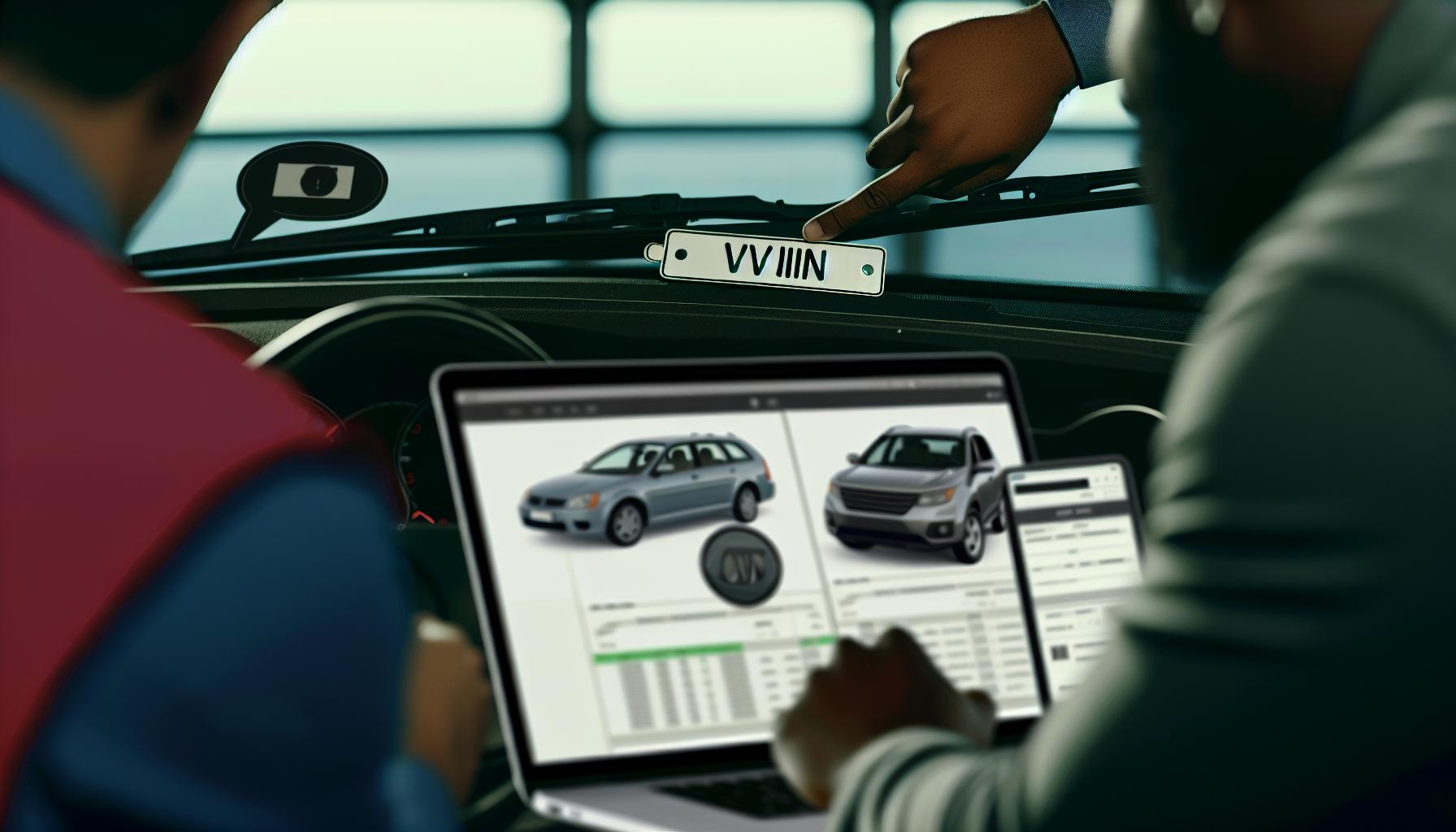
What Information Can You Find Using a VIN?
A Vehicle Identification Number (VIN) is more than just a series of letters and numbers; it acts as the fingerprint for your vehicle, uniquely identifying it and revealing a wealth of information. Whether you’re considering a purchase, verifying ownership, or just curious about your vehicle’s specifications, understanding what a VIN can disclose is invaluable. With just 17 characters, the VIN encodes details that help decode the vehicle’s past, present, and sometimes even its future.
Among the information gleaned from a VIN are the vehicle’s make and model, year of manufacture, and engine specifications. This is essential for buyers to confirm that the vehicle matches the seller’s description. Additionally, VINs can reveal details like whether the vehicle has been in any accidents, whether it has any active recalls, and if it has been auctioned or salvaged. For instance, checking a VIN through resources like the National Highway Traffic Safety Administration (NHTSA) can help you see if a specific recall was issued for safety defects, allowing you to prioritize safety over aesthetic appeal.
Another critical aspect of VIN information is the vehicle’s title history. This can include whether a vehicle has been classified as a total loss by an insurance company or if it has been stolen. This is incredibly important for potential buyers who want to avoid purchasing a vehicle with a troubled history. By using a free VIN check service, one can uncover these essentials and make more informed decisions.
Lastly, VINs also provide insight into warranty information and service records, particularly when checked against manufacturer databases or platforms specializing in automotive history. Understanding these details not only empowers buyers but also helps sellers substantiate the condition and value of their vehicles. With the right tools, you can easily access this information and navigate the complex world of vehicle ownership confidently and safely.
The Importance of VIN Verification for Buyers and Sellers
When it comes to buying or selling a vehicle, the Vehicle Identification Number (VIN) serves as an essential tool for ensuring transparency and making informed decisions. A VIN is not just a random sequence of characters; it’s a comprehensive key to a vehicle’s history, revealing vital insights that can protect both buyers and sellers from potential pitfalls. Every vehicle has its unique narrative encoded within its VIN, so understanding how to leverage this information is crucial.
Buyers should approach a transaction with confidence, knowing that a quick VIN check can uncover important details like accident history, salvage records, and any outstanding recalls. For example, utilizing resources like VINCheck or the Official VIN Registry allows prospective buyers to verify whether the vehicle has been reported stolen or if it has a history of serious damage. This knowledge can prevent buyers from making costly mistakes and ensure that they are paying a fair price for a vehicle that meets their expectations.
On the other hand, sellers also benefit significantly from VIN verification. Presenting a clean and complete vehicle history repository can enhance trust with potential buyers and expedite the selling process. By proactively providing a vehicle history report, sellers can substantiate their asking price and reassure buyers of the vehicle’s integrity. Moreover, sellers who understand the true value of their vehicle’s history can avoid underpricing it due to lack of knowledge. This transparency not only fosters a smoother transaction process but can also lead to a more favorable negotiation dynamic.
By verifying a vehicle’s VIN, both buyers and sellers engage in a proactive measure to mitigate risks associated with vehicle transactions. Not only does it empower buyers to make informed decisions, but it also presents sellers as credible and trustworthy participants in the marketplace. It’s a win-win situation where both parties are equipped with the information necessary to facilitate a successful and fair trade.
Common Misconceptions About Vehicle Verification
Many vehicle owners and potential buyers hold misconceptions about the reliability and capabilities of online VIN verification tools. One of the most common myths is that these tools can only provide basic data, such as a vehicle’s make and model. In reality, many free web-based VIN check services can uncover a wealth of information, including accident history, salvage records, and recall statuses. Utilizing platforms such as the NHTSA VIN decoder or the Official VIN Registry allows users to access comprehensive vehicle histories that far exceed mere identification details.
Another prevalent belief is that all VIN check services offer the same level of detail. While some paid services provide extensive reports including service records and ownership history, many free tools still deliver significant insights. Understand that while no single tool may include all possible information, using multiple resources can create a clearer picture of a vehicle’s status. It’s crucial for users to explore various platforms to better understand what specific data each one can provide, which often includes critical indicators of a vehicle’s overall condition and legitimacy.
Safety and data security are also major concerns for users of online VIN verification tools. A common misconception is that accessing these services might expose personal data or lead to scams. However, reputable sites like the NHTSA and other established VIN decoders prioritize user safety, employing encryption and secure channels for information transmission. It’s important to use trusted resources for VIN checks to mitigate these risks and utilize the information securely. This awareness can empower both buyers and sellers by fostering a more informed transaction environment.
To maximize the utility of VIN verification, consider the following steps:
- Utilize multiple sources to ensure a comprehensive check.
- Be cautious of scams by verifying the credibility of the websites you use.
- Understand what specific details you are looking for in a report.
By breaking down these myths and understanding the real capabilities of VIN verification tools, vehicle owners can approach buying and selling with confidence and clarity.
How VIN Check Tools Help Prevent Fraud
Utilizing VIN check tools is like having a detective at your side when buying or selling a vehicle. These resources can illuminate the hidden history of a car, unveiling details that may prevent you from falling victim to fraud. For example, a VIN can reveal if a vehicle has been reported stolen, salvaged, or involved in major accidents. With just a unique 17-character identifier, you can access a digital trail that protects your investment and peace of mind.
The process is straightforward. By entering a VIN into a reputable VIN decoder, you are presented with essential data such as accident history, title status, and service records, which are crucial in assessing a vehicle’s legitimacy. Tools like the NHTSA VIN decoder and other free services allow users to cross-check information swiftly, reducing the chances of purchasing a vehicle with undisclosed issues. This is especially vital for private sellers and buyers who may not have the resources of a dealership.
Key Benefits of VIN Check Tools in Fraud Prevention:
- Transparency: Knowing if a car has a clean title allows buyers to evade potentially costly mistakes. If a VIN check reveals salvage or rebuilt status, buyers can reconsider their options.
- Accurate History: Access to past ownership records flags any inconsistencies or red flags, such as multiple owners within a short timeframe, which might indicate potential issues.
- Recalls and Safety: Many checks will alert you to outstanding recalls that need to be addressed, ensuring that you are not driving a car that could pose safety risks.
In addition to these advantages, leveraging VIN check tools can protect against odometer fraud, where sellers falsely represent the vehicle’s mileage. A comprehensive report can verify the accuracy of odometer readings against historical data-sometimes revealing discrepancies that could indicate tampering. By making VIN verification a standard part of your purchasing process, not only do you safeguard your investment, but you also contribute to a more honest marketplace. Thus, whether you are a seasoned car buyer or a first-time seller, these tools empower you to make informed decisions and navigate the vehicle market with confidence.
Comparing Paid vs. Free VIN Verification Services
In the world of vehicle history checks, the choice between paid and free VIN verification services is not just a matter of cost, but of the depth and reliability of information provided. While free tools like those offered by Driving-Tests.org and VinAudit can serve as an excellent starting point for preliminary checks, they often have limitations that could impact your decision-making process. For instance, free services typically provide essential information, such as basic specs, recalls, and manufacturer details, which is valuable but may not cover critical issues like detailed accident history or title discrepancies.
On the other hand, paid services generally offer comprehensive reports that dig deeper into a vehicle’s background. These paid reports may include extensive data on previous owners, accident reports, and even insight into whether the vehicle has been flagged for fraud, theft, or safety recalls. A platform like VinAudit, although primarily free, also has premium options that provide more in-depth analysis, making it a versatile choice for those who want both free and detailed information under one roof.
When weighing your options, consider what you truly need from your VIN check. If you’re just starting your search or looking at a vehicle with a strong reputation, a free service may suffice. However, if you’re seriously considering a purchase or if the vehicle has red flags, investing in a paid service could save you money and trouble down the line. Think of it as buying insurance for your vehicle purchase-you may pay a bit upfront, but the potential savings and peace of mind are invaluable.
Comparative Snapshot of Services
| Feature | Free VIN Check | Paid VIN Check |
|---|---|---|
| Basic Specifications | ✔️ | ✔️ |
| Accident History | Limited | Comprehensive |
| Title Status | Basic | Detailed |
| Odometer Fraud Checks | Often Not Available | Included |
| Cost | Free | Varies ($10-$50) |
In summary, if you are serious about purchasing a used vehicle, weighing the pros and cons of these services carefully can lead to wiser, more informed decisions. Your journey into car ownership should be supported by transparent and detailed information, ensuring that you make choices driven by trust rather than guesswork.
Best Practices for Using VIN Online Tools Safely
Using online VIN tools can be a game-changer in your vehicle research journey. However, leveraging these resources safely and effectively is crucial to ensure you are making informed decisions. Start by selecting reputable VIN decoding websites. Look for platforms that are well-reviewed, secure, and not just trying to sell you additional services. Sites like the National Highway Traffic Safety Administration (NHTSA) offer reliable VIN information and are a great starting point for obtaining vehicle specifications and history without cost [3].
When you input your VIN, always double-check for accuracy. The VIN is a 17-character code that includes numbers and letters; even a single incorrect character can lead to misinformation. Ensure your VIN is correct by referring to your vehicle’s physical tag, typically found on the dashboard near the windshield or inside the driver’s side door jamb. It’s also beneficial to keep a hard copy of your VIN, as it’s a unique identifier for your vehicle.
While you navigate these online tools, be cautious about sharing personal information. Many VIN check services require only your VIN to generate a report, so avoid sites that ask for unnecessary personal data. If you do need to share any information, ensure the website uses secure connections (look for “https://” in the URL) to protect your data. After completing the check, always review the results critically. Some free tools may offer limited insights; corroborate findings across different platforms to ensure you have a comprehensive understanding of the vehicle’s history.
Lastly, look out for any red flags in the report, such as salvage titles or significant accident history. Understanding what these terms mean and how they impact vehicle value and safety can save you from making costly mistakes. By following these best practices, you can confidently utilize online VIN tools to navigate the complexities of vehicle verification and make more informed decisions as a car buyer or owner.
Exploring Additional Uses for Your VIN
Knowing your Vehicle Identification Number (VIN) unlocks a treasure trove of information about your vehicle that goes beyond basic identification. For instance, did you know that your VIN can help you track down recalls and safety issues, determine the vehicle’s history, and even verify warranty claims? In an age where vehicle records can be critical for both resale value and safety, harnessing the power of your VIN is more important than ever.
Identifying Recalls and Safety Issues
One of the primary uses of your VIN is to check for any recalls associated with your vehicle. By entering your VIN on official sites such as the NHTSA’s recall lookup tool, you can uncover if your vehicle is affected by any safety recalls. This process not only aids in ensuring you drive a safe vehicle but also empowers you as a consumer. It allows you to take proactive steps, such as visiting your dealer for necessary repairs that manufacturers may cover at no cost.
Verifying Vehicle History
Your VIN serves as a unique identifier that enriches your vehicle’s history. Platforms like the NHTSA and other VIN check tools can provide insights into accidents, title issues, and service records linked to your vehicle. This level of transparency is invaluable when buying or selling a used car. For instance, a seller can use the VIN to present a clear history, while buyers can verify claims and avoid potential scams. Some businesses even use this information to assess fair market value, making it easier to negotiate prices.
Monitoring Warranty Claims
If your vehicle is still under warranty, knowing your VIN becomes essential for tracking warranty claims and service history. Automotive manufacturers typically link warranty information directly to the VIN. Therefore, having this information at your fingertips ensures you can efficiently handle warranty issues, minimizing out-of-pocket expenses for repairs that should be covered.
In summary, your VIN is more than just a series of characters-it’s a powerful tool for ensuring the safety, reliability, and value of your vehicle. Instead of viewing it as a mere formality, treat it as an asset; proactive usage of your VIN can significantly enhance your driving experience and peace of mind. Use it for harnessing vehicle information, monitoring recalls, verifying history, and managing warranties, enriching your ownership journey.
Case Studies: Real-Life Examples of VIN Verification Benefits
Utilizing a Vehicle Identification Number (VIN) can yield substantial benefits, especially when verifying a vehicle’s history before a purchase. For instance, consider a case where a buyer named Laura was in the market for a used Honda Accord. She was provided with a seemingly great deal from a private seller. Before finalizing the transaction, Laura decided to use a free VIN check tool to uncover the vehicle’s history. Upon entering the VIN, she discovered that the car had been involved in a major accident that resulted in a salvage title-a fact the seller had not disclosed. Armed with this crucial information, Laura was not only able to negotiate a fairer price but also opted out of the purchase entirely, avoiding potential future headaches.
Another compelling example comes from a vehicle enthusiast named Mark, who was restoring a vintage Ford Mustang. Before sourcing parts and planning his restoration process, Mark used a VIN decoder available online to verify the vehicle’s original specifications. The decoder revealed essential details, such as the production year, engine type, and factory options that came with his Mustang. This information proved invaluable, as it allowed Mark to source the correct period-accurate parts rather than aftermarket substitutes, ensuring that his restoration remained true to the vehicle’s original design and value.
The benefits of VIN verification extend to preventing fraud as well. Take the story of Tom, who was in search of a used truck. He found an attractive listing online but had reservations about its legitimacy. Using a VIN check tool, he discovered that the truck had been reported as stolen. Tom reported this information to the local authorities, potentially preventing a loss for himself and the original owner. This case highlights both the practical and ethical implications of using VIN verification services-empowering consumers to make informed decisions while helping to combat vehicle theft.
In essence, these real-life examples underscore the importance of leveraging VIN checks and online verification tools. They not only save money and time but also enhance safety and legality in vehicle transactions. By prioritizing VIN usage, potential buyers can protect their investments and ensure they make well-informed decisions.
Faq
Q: What is a VIN and why is it important for vehicle verification?
A: A Vehicle Identification Number (VIN) is a unique 17-character code assigned to every vehicle. It contains critical information about the vehicle’s make, model, year, and manufacturing details. Verifying a VIN is essential for confirming ownership, identifying recalls, and ensuring a vehicle’s history is free from fraud or theft.
Q: How can I check a VIN for free online?
A: You can check a VIN for free using several online tools. Websites like VINCheck.info and AutoZone offer VIN decoding services without requiring registration. Simply enter the VIN, and you’ll receive details about the vehicle’s specifications and history, including past accidents and title status.
Q: What information can I obtain from a VIN check?
A: A VIN check can provide information such as the vehicle’s manufacturer, model year, engine specifications, accident history, and any recalls. This data helps potential buyers make informed decisions and allows current owners to keep track of their vehicle’s history.
Q: Can a VIN help identify if a vehicle has been stolen?
A: Yes, checking a VIN can reveal whether a vehicle has been reported as stolen. Online VIN checking services often access databases that track stolen vehicles. This information is crucial for potential buyers to verify a vehicle’s legitimacy before purchase.
Q: What are the risks of using unreliable VIN check websites?
A: Using unreliable VIN check websites poses risks such as inaccurate information, compromised personal data, and potential scams. Always opt for reputable sources, such as those reviewed in your article, to ensure reliable and safe access to vehicle information.
Q: How frequently should I check my vehicle’s VIN?
A: You should check your vehicle’s VIN annually, especially before significant transactions like selling or purchasing a used vehicle. Regular checks help you stay informed about recalls, accidents, or changes in vehicle status, ensuring you are always updated on essential details.
Q: Are there limitations to what a free VIN check can reveal?
A: Yes, while free VIN checks provide valuable information, they may lack detailed reports such as comprehensive accident histories or service records. For more in-depth insights, consider using paid services that offer full vehicle history reports.
Q: How can I ensure my VIN information is secure when using online tools?
A: To keep your VIN information secure, always use HTTPS websites and look for reviews on the VIN check service. Avoid entering personal information unless necessary, and pursue services that do not require you to create an account. Prioritize reputable services recommended in your articles.
In Summary
Unlock the full potential of your vehicle knowledge with VIN Online’s free tools. Understanding your car’s history-what its VIN reveals about recalls, specifications, and other critical information-has never been easier. Don’t miss out on making informed buying decisions; check your VIN today and seize control over your automotive journey!
Explore our detailed guides on Vehicle Maintenance Tips and Top Vehicle Dealership Red Flags for additional insights. Ready to delve deeper? Visit our comprehensive VIN Decoder tool now for instant information that empowers you as a vehicle owner. Remember, knowledge is power; leverage it today! If you found this helpful, consider subscribing to our newsletter for the latest updates and expert advice. Join the community-your informed automotive adventure starts here!