
Did you know that the Vehicle Identification Number (VIN) is like a fingerprint for your car? In Germany, this unique 17-character code contains critical details about the vehicle’s history, including past ownership, accident information, and manufacturing specifics. Knowing how to quickly check a VIN can empower you as a buyer or owner, ensuring you make informed decisions about a vehicle’s reliability and value. Whether you’re purchasing a used car or simply want to learn more about your current ride, understanding the VIN is essential. In this guide, we will unravel the complexities of German VINs and show you how to access vital information fast, paving the way for smarter automotive choices. Get ready to unlock the secrets hidden in your car’s numbers!
Understanding the VIN: What It Reveals About Your Vehicle
Every vehicle has a unique 17-digit Vehicle Identification Number (VIN) that plays a crucial role in identifying it among millions of others. The VIN reveals vital information about your vehicle, from its maker and specifications to its past ownership and accident history. Understanding how to decode this sequence can empower you as a car owner or potential buyer, enabling you to make informed decisions related to maintenance, resale, and safety.
The VIN is structured to provide specific details in its various sections. For instance, the first three characters indicate the manufacturer and country of origin. The next segments can inform you about the vehicle type, body style, engine type, and the manufacturing year. By using online VIN decoders, you can easily translate these details and gain insights into the birth certificate of your vehicle. This information is not only crucial for assessing the vehicle’s authenticity but also helps buyers confirm whether a vehicle has been involved in any significant incidents that may affect its safety and performance.
Furthermore, the VIN can also be instrumental when dealing with insurance and registration. Insurers often require VINs to accurately assess the vehicle for coverage and premiums. Additionally, if you’re considering purchasing a used vehicle from Germany, understanding the VIN allows you to check its history, mileage, and any reported damages, which is critical for validating the seller’s claims. Ultimately, familiarizing yourself with the VIN opens the door to better vehicle management, enhancing both your ownership experience and resale value down the line.
Decoding the VIN: Step-by-Step Guide

To successfully decode a VIN and unlock the wealth of information it contains, follow this simple step-by-step guide that anyone can navigate, regardless of technical expertise. By understanding how to interpret each segment of the 17-character VIN, you’ll gain valuable insights about the vehicle’s make, model, and history, which is essential for any prospective buyer, especially within the German automotive market.
The first thing to do is locate the VIN, which can typically be found on the dashboard near the windshield, on a sticker inside the driver’s door frame, or within vehicle registration documents. Once you have the VIN, break it down into manageable parts:
Step 1: Understanding the VIN Structure
The VIN is divided into three main sections:
- World Manufacturer Identifier (WMI): The first three characters indicate the manufacturer and country of origin.
- Vehicle Descriptor Section (VDS): Characters four through nine provide details about the vehicle model, body style, engine type, and more.
- Vehicle Identifier Section (VIS): The last eight characters uniquely identify the vehicle, including the model year and a serial number.
For example, a VIN might start with “WBA,” suggesting a BMW manufactured in Germany. Understanding each section helps you quickly ascertain essential characteristics and specifics about the vehicle.
Step 2: Using Online Tools
After breaking down the VIN, leverage online VIN decoder services to gather further information. Websites like Vindecoderz and VinDecoder.pl can translate the VIN into comprehensible details about the vehicle. Simply input your VIN into the search bar, and the decoder will provide a detailed history report, including previous ownership, accident history, and recall information, which is particularly vital when purchasing a used car in Germany.
Step 3: Cross-Verification
Finally, it’s essential to cross-reference the information obtained against the physical vehicle and any available documentation. This verification process ensures that all details align, helping you avoid potential scams and confirming the vehicle’s history. For example, check whether the listed specifications match the features of the car you are inspecting.
By following these straightforward steps, you’ll empower yourself with the knowledge to make informed decisions when buying or managing a vehicle. The VIN is not just a random set of numbers; it’s a comprehensive record that, when decoded properly, unveils the true history and specifications of your potential investment.
Top Tools to Check a German VIN Online
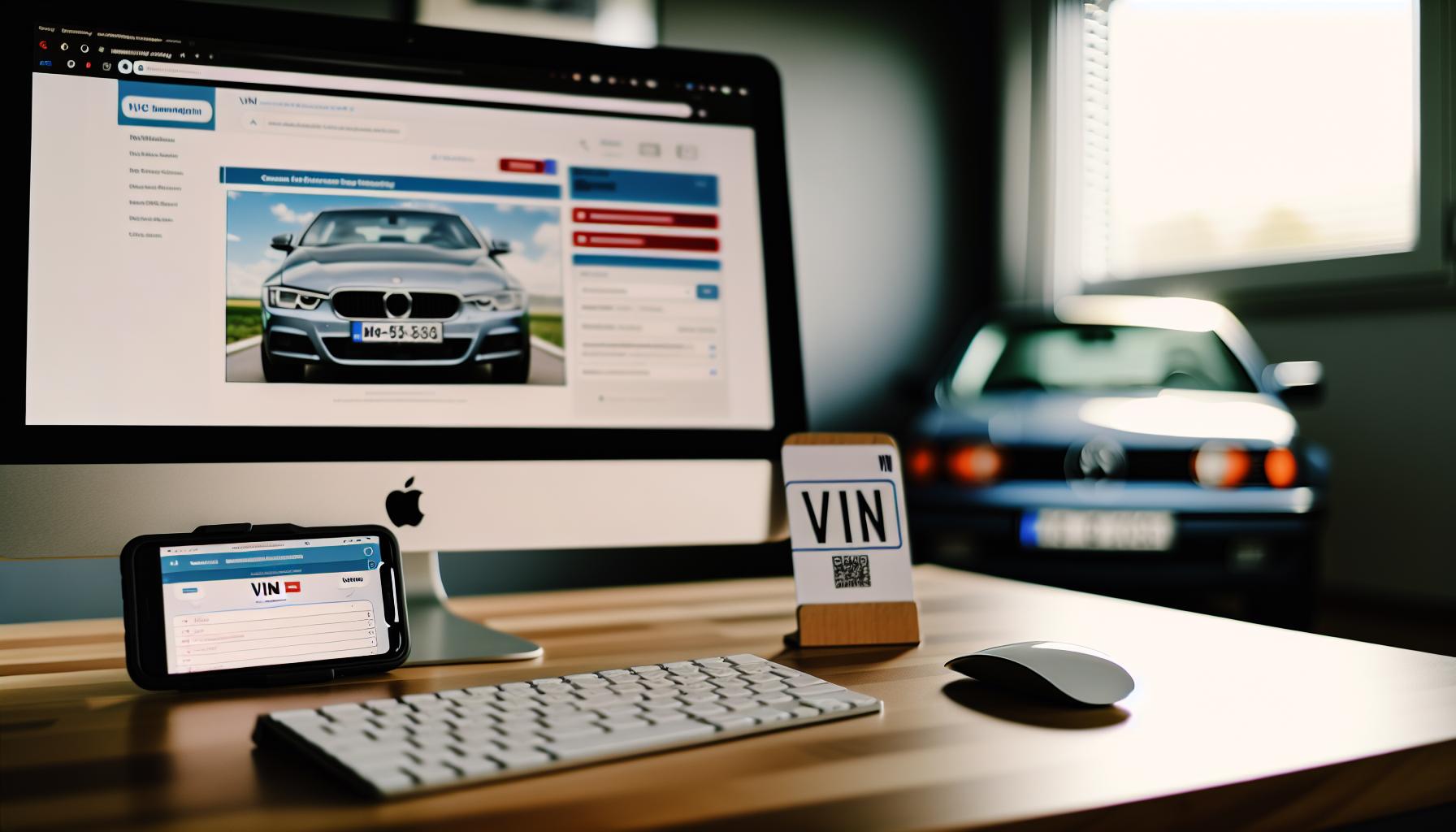
When you’re on the hunt for a used car in Germany, having easy access to tools that check a vehicle’s VIN can be a game-changer. A VIN, or Vehicle Identification Number, contains a wealth of essential information about the vehicle’s make, model, year, and history. Luckily, several reliable online platforms can help you decode this vital identifier quickly and effortlessly.
One of the go-to resources is VINDecoder.pl, which provides comprehensive details spanning the car’s specifications to its manufacturing history. Simply enter the 17-character VIN into their search tool, and you’ll receive a readable breakdown of the vehicle, including previous owners, accident reports, and any safety recalls. This is particularly crucial in Germany, where legal requirements around automobile safety and compliance can differ significantly from other countries.
Another excellent option is Vindecoderz, a user-friendly service that caters to various international VINs, including German vehicles. This tool not only decodes the VIN but also offers insights into market value and condition reports, helping buyers make informed decisions based on the vehicle’s current status. Both services boast an intuitive interface, allowing users to navigate easily without needing deep technical knowledge.
For a more detailed history, consider acquiring a German vehicle history report from specialized agencies or platforms that focus on the German automotive market. These reports often delve deeper than free online tools, offering specifics about prior accidents, service history, and whether the vehicle has been reported stolen. Such thorough vetting is invaluable, especially in a country with strict regulations on car ownership and safety.
Utilizing these tools effectively empowers car buyers to safeguard their investments. Always verify the VIN information against the physical vehicle and matching documents to ensure legitimacy. Remember, informed decisions lead to better purchases and ownership experiences, making VIN checks an indispensable part of buying a vehicle in Germany.
Why Checking VIN is Crucial for Buyers
When purchasing a vehicle, knowledge is power, and the most critical piece of information you can have is the Vehicle Identification Number (VIN). This unique 17-character code serves as a fingerprint for each car, revealing its identity, history, and authenticity. By checking the VIN, buyers can uncover essential details that can save them from costly mistakes and ensure they are making a sound investment.
Understanding a vehicle’s history through its VIN can expose a range of issues, including previous accidents, title changes, and odometer discrepancies. For instance, if you’re considering a used car that has been involved in multiple accidents, this red flag can significantly affect its market value and future reliability. Moreover, certain vehicles may have outstanding recalls that need addressing – information that can also be easily retrieved through a VIN check. This is particularly relevant in Germany, where strict compliance regulations are paramount for road safety.
Additionally, leveraging VIN checks allows buyers to compare the vehicle’s provided specifications against what is recorded in official databases. This is especially pertinent for avoiding scams or misrepresented vehicles, which can be prevalent in the used car market. Establishing whether the vehicle’s features and specifications match the seller’s claims can help you negotiate a better price or avoid a purchase altogether.
To check a German VIN effectively, prospective buyers can utilize online platforms like VINDecoder.pl and Vindecoderz. These tools provide comprehensive insights into the vehicle’s specifications, accident history, and past ownership details, giving buyers a reliable overview before finalizing their decisions. Armed with this information, buyers can approach their car shopping with confidence, ensuring they are steering clear of pitfalls and steering towards a wise purchase that meets their needs.
Common Problems VIN Checks Can Uncover
When considering a used vehicle, uncovering hidden issues through a VIN check can be the key to making an informed purchase. Common problems that VIN checks can reveal range from serious legal concerns to hidden mechanical issues. One of the most critical aspects is accident history. A vehicle may appear to be in great condition, but a VIN check can uncover multiple previous collisions that might not be disclosed by the seller. This information is vital; repeated accidents can lead to structural weaknesses that compromise safety and longevity.
Another significant risk is odometer discrepancies. Some sellers might roll back the odometer to make a vehicle seem less used than it is, which can significantly misrepresent its value. VIN checks track the mileage reported at various points in the vehicle’s history, enabling potential buyers to identify any inconsistencies. This is particularly important in Germany, where vehicle maintenance records are rigorously kept. Knowing the true mileage can help you negotiate a fair price based on the vehicle’s actual wear and tear.
Additionally, VIN checks can reveal title issues such as salvage or rebuilt titles. These titles indicate that the vehicle has been declared a total loss by an insurance company, usually due to severe damage. Purchasing a vehicle with such a title can lead to future complications, including legal challenges and diminished resale value. Moreover, outstanding recalls are another concern. A VIN check can inform you of any unresolved safety recalls, ensuring that crucial repairs are completed before you take ownership.
Finally, it’s essential to be aware of potential theft records. VIN checks usually provide insights into whether a vehicle has been reported stolen. A vehicle that appears legitimate could turn out to be stolen property, leading to significant legal troubles for an unsuspecting buyer. Therefore, utilizing a trusted VIN check tool can save you from these pitfalls and help ensure you make a sound investment in your next vehicle.
Brand-Specific VIN Considerations in Germany
Knowing the specific considerations for different brands when checking a Vehicle Identification Number (VIN) is crucial for anyone looking to purchase a used car in Germany. Each manufacturer has its own unique coding system and VIN structure, which can reveal vital information about the vehicle’s specifications, history, and safety recalls. Understanding these intricacies not only empowers buyers during negotiations but also helps in assessing the true value of a vehicle.
Key Brand Insights
Different manufacturers provide unique insights through their VINs. For instance, German luxury brands like Mercedes-Benz or BMW often include detailed information about the vehicle’s trim level, engine specifications, and optional features encoded within the VIN. Buyers interested in prestige vehicles should pay attention to how the VIN reflects the vehicle’s options, as certain configurations can significantly affect resale value. Commonly, a VIN from BMW may show a specific alphanumeric sequence that indicates the car’s production location and model lineage, which can be checked on the manufacturer’s website for authenticity.
On the other hand, brands such as Volkswagen and Audi employ a standardized system. Their VINs typically follow a uniform structure that makes it easier for buyers to interpret essential details about the vehicle. For Volkswagen, the first three characters represent the World Manufacturer Identifier (WMI), which is critical for verifying the authenticity of the vehicle. Tools like Cebia allow users to decode these VINs and obtain a comprehensive vehicle history report, showing everything from accident history to service records[[3]](https://en.cebia.com/detailArticle/vin-check-in-germany).
Practical Steps for Brand-Specific Checks
To effectively use a VIN for specific brands, consider the following practical steps. First, identify the brand of the vehicle and locate the VIN, typically found on the dashboard or inside the driver’s door. Next, use manufacturer-specific resources or trusted online VIN check tools to decode the VIN accurately. Resources like Cebia and other VIN checking websites can reveal specific details tailored to each brand. This way, you can uncover any manufacturer recalls, service history, and even ownership records relevant to that brand.
In conclusion, involve understanding the unique identifiers and historical implications tied to each manufacturer. By leveraging this knowledge and utilizing the right tools, buyers can navigate the used car market with confidence, making informed decisions that reflect the true value of the vehicle they intend to purchase.
Interpreting Safety and Recall Information from VINs
A Vehicle Identification Number (VIN) serves as the unique fingerprint for every car, revealing crucial details about its safety and recall history. Checking the safety and recall information linked to a VIN can uncover red flags that might not be otherwise apparent, potentially saving buyers from costly mistakes. In Germany, where stringent automotive standards prevail, ensuring a vehicle’s compliance with safety regulations through its VIN is paramount, particularly when exploring options in the used car market.
To interpret safety and recall information from a VIN, begin by locating the VIN on the vehicle, which is generally found on the dashboard or the driver’s side door. Then, utilize trusted online VIN check tools or the manufacturer’s website to access comprehensive recall data. Websites such as the German Federal Motor Transport Authority (Kraftfahrt-Bundesamt) provide databases where consumers can input a VIN and find detailed recall information. This includes current recalls and past safety issues, alongside any repairs mandated by the manufacturer.
Understanding how recalls are categorized is also essential. Recalls might range from minor fixes to major safety overhauls. If you find that a vehicle has a significant recall that hasn’t been addressed, it’s a strong indication to reconsider the purchase. Moreover, if a vehicle has numerous recalls, this can indicate a pattern of manufacturing defects that may impact the vehicle’s longevity and safety.
Always verify whether recall repairs have been completed. Many manufacturers will provide documents or reports confirming resolution of recalls when requested. This proactive approach not only ensures that you are buying a safe vehicle but also supports informed negotiations regarding the vehicle’s price and condition. Remember, checking a VIN for safety and recall information is more than just a routine step; it’s an essential part of ensuring your next vehicle is not just a means of transport, but a reliable, safe investment.
How to Access German Vehicle History Reports
Accessing detailed vehicle history reports in Germany can seem daunting, but it’s an essential step for any car buyer or owner looking to ensure the vehicle’s safety and reliability. In Germany, the key to unlocking this information is your Vehicle Identification Number (VIN), or Fahrzeugidentifikationsnummer (FIN), which provides a unique identifier for your vehicle. Utilizing the correct resources can help you easily obtain valuable history reports that might include ownership records, service history, accidents, and recalls.
To begin your search for a German vehicle history report, you typically need to follow these steps:
- Locate the VIN: First, find the VIN on your vehicle. It’s commonly located on the dashboard near the windshield or by the driver’s side door frame. It’s a 17-digit alphanumeric code that’s crucial for your search.
- Use Online Services: Several reputable websites offer VIN checks and detailed vehicle history reports for a fee, usually around €20. Some popular platforms include CARFAX and AutoCheck. These services can provide detailed reports that cover aspects like odometer readings, accident history, and previous ownership.
- Explore Government Resources: The German Federal Motor Transport Authority (Kraftfahrt-Bundesamt) also provides access to essential vehicle data. While this may not be a full history report, it includes vital information regarding registration and recalls.
- Consider Third-Party Services: There are various online platforms specifically tailored for European vehicles that can decode VINs and produce reports. Look for reliable services recognized for their accuracy and comprehensive data collection.
When choosing a service, consider what information is most critical for your decision-making. Are you more concerned with accident history or maintenance records? Tailoring your search can help you find the most relevant data without unnecessary costs.
By investing in a vehicle history report before making a purchase, you empower yourself to make informed decisions. Knowing a car’s history not only aids in negotiating prices but also offers peace of mind in the safety and reliability of your vehicle. Whether you’re buying a used car or just want to understand your current vehicle better, accessing these reports is a vital step in responsible car ownership.
Using the VIN for Insurance and Registration
When navigating the complexities of vehicle insurance and registration, the Vehicle Identification Number (VIN) serves as a cornerstone of your automotive journey. This unique 17-character code is not just a random assortment of letters and numbers; it encapsulates critical information about your vehicle, from its make and model to its history and safety rating. This data empowers you in many ways, making it essential for seamless transactions with insurers and regulatory bodies.
To utilize your VIN effectively for insurance purposes, start by sharing it with your insurance provider. They will use this information to gather vital details about your vehicle, helping determine your insurance premiums. For example, insuring a high-performance sports car typically incurs higher rates compared to a family sedan, as risk assessments heavily rely on vehicle specifications encoded in the VIN. Furthermore, insurers often require the VIN to check for any outstanding recalls or safety issues, ensuring that you are adequately protected and that your vehicle is compliant with current regulations.
For registration, the VIN plays a crucial role in the identification process. When registering your vehicle in Germany, authorities will reference the VIN to confirm its legitimacy and to check if it has been reported stolen or involved in any major accidents. During this process, ensure that the VIN on your vehicle matches the one found in your vehicle documentation-such as your registration papers or title. Discrepancies can lead to complications, potentially delaying the registration process or prompting further investigation.
In summary, understanding how to leverage your VIN can simplify both insurance and registration processes. It’s a powerful tool that not only helps you secure the appropriate coverage but also offers peace of mind when dealing with vehicle registration requirements. By keeping your VIN handy and understanding its implications, you enhance your vehicle management experience, making informed decisions that protect your investment and ensure compliance with legal standards.
Exploring OEM Parts with Your VIN
By leveraging the unique Vehicle Identification Number (VIN) assigned to your vehicle, you can unlock a wealth of information that’s crucial not just for ownership but also for sourcing original equipment manufacturer (OEM) parts. The VIN acts as a fingerprint for your vehicle, detailing everything from the engine type and model year to the assembly plant. Understanding your VIN is particularly important when purchasing OEM parts, as it ensures compatibility and optimal performance.
When you input your VIN into an OEM parts database or a dealership’s parts department system, you will often receive a list of parts that are specifically designed for your vehicle model. This includes information about compatible components, which can prevent costly mistakes associated with using generic parts that may not fit or function correctly. For example, if you own a 2018 Audi Q5, entering the VIN will bring up not just the parts but also any manufacturer-recommended replacements, be it for a transmission, brakes, or even accessories.
Here’s how you can effectively explore OEM parts using your VIN:
- Start at the Manufacturer’s Website: Many car manufacturers offer online parts catalogs. Plug in your VIN to find the exact parts made for your vehicle.
- Use Parts Retailer Platforms: Websites like eBay Motors or RockAuto allow you to enter your VIN or model details to filter out the relevant parts.
- Visit Authorized Dealerships: For definitive accuracy, consult with your dealer. They have access to manufacturer-specific databases that reflect the latest parts availability.
Moreover, understanding how to use your VIN in these contexts not only helps in maintaining your vehicle over time but also can be advantageous in resale situations. When reselling your car, documenting that only OEM parts were used can greatly increase its value and help assure potential buyers of the vehicle’s integrity. Always keep your VIN handy, as it serves as a powerful tool in managing your vehicle’s needs, keeping everything running smoothly and efficiently.
Tips for Using VIN in Car Buying Negotiations
When it comes to negotiating the purchase of a vehicle, leveraging the Vehicle Identification Number (VIN) can provide you with crucial information that enhances your bargaining position. The VIN allows you to access a detailed history of the vehicle, including previous owners, accident records, and service history. This can be a powerful tool in negotiations, as it helps you understand the car’s condition and value more thoroughly, enabling you to make informed decisions.
First, ensure you run a thorough VIN check before setting foot on the dealership lot or meeting a private seller. Use reputable online tools such as Cebia.com or the VIN decoder tools mentioned earlier, which allow for comprehensive checks on the mileage, damages, and service history of the vehicle in question [[3]]. With this information in hand, you’re armed with necessary data to point out any discrepancies between the seller’s claims and the vehicle’s actual history. For instance, if the seller claims a spotless accident record, but your research indicates otherwise, you can negotiate a lower price or reconsider the purchase altogether.
It’s also beneficial to highlight the importance of OEM parts associated with the VIN during negotiations. By showing that you’ve researched the specific parts and maintenance requirements for that vehicle model, you can express your knowledge of potential future costs. This approach demonstrates to the seller that you are serious and well-informed, potentially encouraging them to lower their asking price. You might say something like, “I see this model typically requires specific servicing every few thousand kilometers. Given the car’s history, the maintenance costs I’ll face might be significant.”
Lastly, when using the VIN in your negotiation, maintain a balance between assertiveness and respect for the seller. Though the information you gather can support your position, it’s important to engage in a positive, constructive dialogue rather than an accusatory stance. Use your findings to ask probing questions about the vehicle’s history and express genuine interest in understanding its past. This not only opens the door to meaningful conversation but also helps build rapport, which can be advantageous in steering the negotiation in your favor.
By effectively utilizing the VIN during negotiations, you empower yourself with knowledge that can lead to substantial savings and a more satisfactory purchase experience.
Staying Safe: Avoiding VIN Fraud and Scams
When it comes to safeguarding your vehicle purchase or ownership experience, being vigilant against VIN fraud is crucial. Scammers often exploit the VIN system, leading unsuspecting buyers into traps that can result in financial losses and legal headaches. A Vehicle Identification Number is meant to provide transparency about a vehicle’s history, but if used improperly, it can also conceal deceptive practices. Understanding the common tactics thieves use and how to protect yourself can make a significant difference.
One of the first steps is to ensure you obtain your vehicle’s history report from reputable sources. Avoid websites that seem obscure or unfamiliar. Stick with established services known for reliable data, such as CARFAX or AutoCheck. These platforms not only give you insights into previous ownership but also highlight any reported accidents, odometer discrepancies, or salvage titles. Always cross-reference information obtained through various channels to ensure its accuracy. For German vehicles, reputable VIN decoding services like Cebia can be invaluable. They provide access to detailed vehicle data that helps in identifying red flags that could signal fraud.
Next, be aware of the signs that might indicate tampering or fraud. If a seller hesitates to provide the VIN or insists on using a specific third-party site for history checks, it should raise alarms. Always check the VIN on the vehicle itself. Look for the VIN plate, typically found on the dashboard near the windshield or inside the driver’s door. Ensure the VIN matches the one provided by the seller. If there’s any inconsistency, it could indicate that the vehicle has been stolen, altered, or is otherwise misrepresented.
Lastly, remain skeptical of “too good to be true” offers. If you come across a vehicle that is significantly cheaper than others of the same make and model, it could be a sign of hidden issues. Scammers often lure in buyers with low prices, knowing that a lack of research can lead to a rushed decision. To counter this, never skip the vehicle history report process or overlook a personal inspection. Always validate the legitimacy of claims made by sellers, and don’t hesitate to walk away if something feels off.
By understanding these precautionary steps, you can navigate the vehicle market more safely and confidently. Remember, empowering yourself with knowledge about the VIN’s role in vehicle history opens up a world of transparency and helps you make informed decisions that protect your investment.
Faq
Q: What is a VIN number and how is it used in Germany?
A: A VIN (Vehicle Identification Number), known as FIN (Fahrzeugidentifikationsnummer) in Germany, is a unique 17-character code that identifies a vehicle. It provides essential information about the car’s make, model, year, and history, crucial for verifying ownership and tracking accidents or repairs.
Q: How can I check a VIN number for a German vehicle online?
A: To check a VIN number for a German vehicle online, you can use services like Cebia.com or Vindecoderz.com. These platforms offer detailed vehicle history reports that include mileage records, damages, and more, typically for a small fee [1].
Q: What information can I obtain from a VIN check in Germany?
A: A VIN check in Germany can reveal critical information such as the vehicle’s registration status, accident history, mileage records, and whether it has been reported stolen. This information helps potential buyers make informed decisions.
Q: Are there any free resources to check a German VIN?
A: While many comprehensive checks require a fee, platforms like the German automobile club (ADAC) offer basic VIN checks for free. However, detailed reports that include history and damages often incur charges [2].
Q: Why is a VIN check important before purchasing a used car in Germany?
A: A VIN check is vital before purchasing a used car because it uncovers hidden issues like previous accidents, odometer tampering, and outstanding recalls, ensuring you are making a safe and informed investment.
Q: Can I check a VIN number for a vehicle not sold in Germany?
A: Yes, you can check a VIN number for any vehicle, regardless of where it was sold, using international VIN decoder services. However, the most comprehensive reports are typically for vehicles registered in Germany [1].
Q: How much does it typically cost to perform a VIN check in Germany? Now that you know how to quickly check any German vehicle using the VIN, it’s time to take action. This insightful process not only reveals a vehicle’s history but also empowers you as a buyer or owner to make informed decisions. Whether you’re ready to purchase or simply want to verify a vehicle’s details, using a VIN decoder is essential for ensuring transparency and confidence in your automotive choices. For more in-depth guidance, explore our articles on how to decode VINs specific to brands such as BMW and Volkswagen, or learn about the importance of VINs in automotive insurance and resale processes. Don’t hesitate to sign up for our newsletter to receive the latest insights and tools right in your inbox. Join our community and share your experiences in the comments below-your voice matters! By staying informed and using resources like our VIN decoding guide, you’re not just making smarter purchases; you’re becoming a savvy automotive enthusiast. Dive deeper into topics around vehicle maintenance, market trends, and more to enhance your car ownership journey. We’re here to help you every step of the way!
A: The cost for performing a VIN check in Germany generally ranges from €10 to €30, depending on the depth of the report. Some basic checks may be available for free or at a lower cost In Retrospect