
When purchasing a vehicle, did you know that around 1 in 3 used cars has a hidden history? This alarming statistic underscores the importance of using a VIN checker to avoid buying stolen or damaged vehicles. A Vehicle Identification Number (VIN) is like a vehicle’s fingerprint, providing crucial details about its past, including ownership, accident history, and recalls. By leveraging resources that offer comprehensive VIN checks, you empower yourself to make informed decisions, ensuring that you invest in a car that’s not only reliable but also legally yours. As you explore the ins and outs of VIN checks, you’ll be better equipped to navigate the complexities of the used car market and protect yourself from potential pitfalls. Dive deeper into this essential guide and discover how to safeguard your investment while gaining peace of mind in your vehicle purchase.
Understanding the Importance of VINs in Vehicle Transactions
Every vehicle on the road has a unique identifier known as the Vehicle Identification Number (VIN). Think of it as the car’s fingerprint; no two vehicles can share the same VIN. This 17-character alphanumeric code offers a wealth of information about the vehicle’s manufacturing details, specifications, and history, making it an indispensable tool for anyone involved in vehicle transactions. Understanding the importance of the VIN can empower potential buyers to make more informed decisions and avoid costly mistakes, particularly when it comes to purchasing used cars.
A VIN provides crucial insights into a vehicle’s background. It reveals whether a vehicle has been involved in accidents, has any outstanding recalls, or if it has a history of theft. For instance, running a VIN check can uncover if the mileage on the odometer has been tampered with, providing transparency that protects buyers from fraud. Additionally, the VIN serves as a key for accessing comprehensive vehicle history reports, which detail ownership history, maintenance records, and other essential data. Understanding these aspects can not only bolster buyer confidence during negotiations but also enhance overall transaction security.
By utilizing a VIN checker, buyers can ensure they are investing in a vehicle that aligns with their needs and expectations while steering clear of hidden issues that could lead to expensive repairs. The significance of verifying a VIN before finalizing a purchase cannot be overstated, as it serves as the first line of defense against vehicle fraud. Engaging with VIN checks is not merely a step in the buying process; it is a proactive measure that underscores the importance of due diligence in automotive transactions. In essence, embracing the power of the VIN translates into a smoother, more secure vehicle buying experience.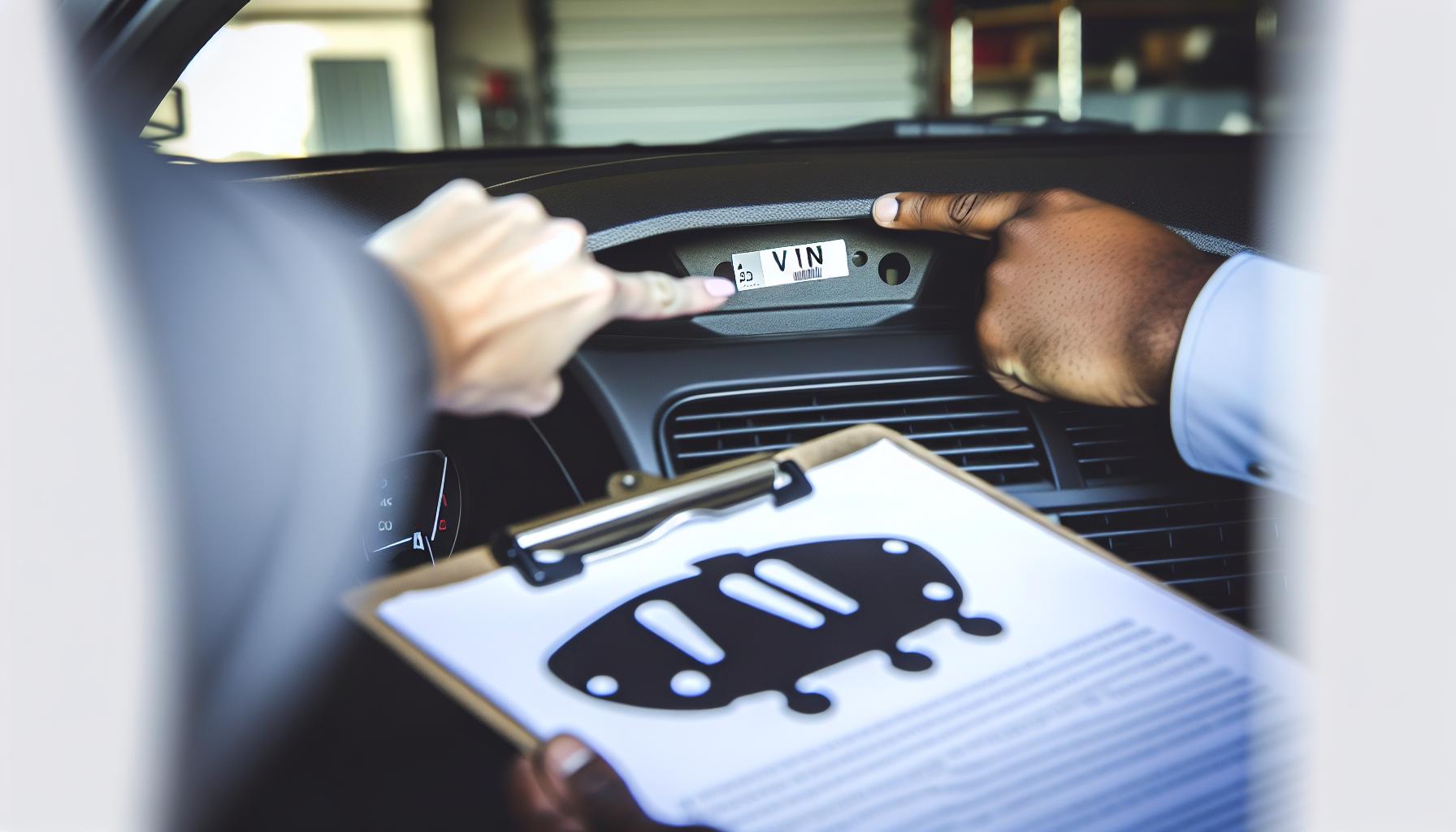
How to Locate and Decode Your VIN
Locating your vehicle’s VIN can seem daunting, but it’s a straightforward process that can greatly enhance your purchasing confidence. The VIN, which is typically 17 characters long, serves as a unique identifier for your vehicle, providing essential information about its history, specifications, and manufacturing details. Knowing where to find this vital code is the first step towards ensuring your potential purchase is legitimate and free from hidden issues.
To find your VIN, start by checking a few common locations on your vehicle:
- Dashboard: Look at the driver’s side of the dashboard, where it meets the windshield. The VIN is often visible from outside the vehicle.
- Driver’s Side Door Frame: Open the door and inspect the area where the door latches. There should be a sticker or plate displaying the VIN.
- Engine Bay: In some vehicles, the VIN is stamped on the engine block or on a VIN plate located near the front of the engine bay.
- Registration Documents: If you have access to the vehicle’s registration or insurance documents, the VIN will be listed there as well.
Once you’ve located the VIN, decoding it can provide critical insights into your vehicle’s history and specifications. The VIN is structured in a way that each section conveys specific information:
Understanding the Structure of a VIN
The VIN comprises several sections, with each section containing valuable details:
- WMI (World Manufacturer Identifier): The first three characters identify the manufacturer and the country of origin.
- VDS (Vehicle Descriptor Section): Characters 4 to 9 provide information about the vehicle’s model, body style, engine type, and safety features.
- Check Digit: The 9th character is used to validate the VIN.
- VIS (Vehicle Identifier Section): The last eight characters tell you the model year, assembly plant, and vehicle’s unique serial number.
To decode the VIN, you can use online tools or VIN decoder services that simplify this process. These tools will translate the alphanumeric code into understandable information about the vehicle, including its make, model, engine specifications, and whether it has been reported as stolen or involved in any significant incidents.
Equipped with this knowledge, you can make informed decisions when considering a vehicle purchase. Taking the time to locate and decode the VIN not only enhances your understanding of the vehicle’s history but also empowers you to avoid potential pitfalls in the buying process.
Key Benefits of Using a VIN Checker
Using a VIN checker can be a transformative step in your vehicle purchasing process. It provides critical insights that go far beyond basic specifications, allowing potential buyers to uncover hidden issues that could lead to costly regrets. A comprehensive VIN check reveals not only the vehicle’s history but also details concerning previous ownership, accidents, and potential odometer fraud. Given that cars are significant investments, utilizing a VIN checker is a proactive measure to ensure you are making an informed decision.
One of the key advantages of running a VIN check is the ability to verify the vehicle’s title status. You might discover that a seemingly pristine vehicle has a salvage title or has been reported as stolen. This information is paramount in protecting buyers against fraud, as it enables them to avoid vehicles that might come with severe legal or financial liabilities. Furthermore, VIN checks can unveil any outstanding recalls that may have not been addressed, ensuring the chosen vehicle is not only safe but compliant with safety standards.
Another compelling reason to use a VIN checker is the empowerment it provides during negotiations. With verifiable data in hand regarding the vehicle’s condition and history, buyers can enter discussions armed with facts. This can lead to better pricing, as sellers may adjust their asking price based on the history report findings. Buyers can also negotiate repairs or seller concessions on vehicles that reveal issues through the VIN check. In essence, having a verified history not only removes the guesswork but gives buyers the leverage they need when finalizing transactions.
In addition to forging a smoother negotiation process, a VIN checker can serve as a tool for future maintenance and ownership. Understanding a vehicle’s service history allows owners to anticipate future repairs and maintenance needs, fostering an overall sense of confidence in their ongoing investment. This clarity not only contributes to safer driving experiences but enhances the overall enjoyment of vehicle ownership, making it a practical consideration for both new and seasoned car buyers alike.
Common Signs of Stolen or Damaged Vehicles
Every year, countless individuals unknowingly purchase stolen or damaged vehicles, leading to financial loss and legal complications. Recognizing the signs of these problematic vehicles can be crucial in avoiding such pitfalls. By understanding the common indicators and utilizing tools like VIN checks, you empower yourself in the car-buying process and protect your investment.
One significant red flag to watch for is an inconsistent or altered Vehicle Identification Number (VIN). If a VIN appears scratched, overwritten, or emits signs of tampering, this is a strong indicator that the vehicle may have a shady background. Additionally, it’s important to check for multiple VINs across different locations on the vehicle, as legitimate cars usually have consistent numbers in places like the dashboard, driver’s side door jamb, and under the hood.
Another warning sign is a vehicle’s history report. A clean car may show low mileage and no accidents, but if discrepancies arise in the reported records, such as a history of multiple ownership changes in a short period or sudden jumps in mileage, these could indicate prior theft or odometer rollback. Vehicles with salvage or rebuilt titles should also raise caution; these designations often imply that the vehicle has undergone significant repairs due to damage from accidents or theft.
Moreover, remain vigilant during a test drive. Unusual sounds, inconsistent braking, and uneven tire wear can suggest underlying issues that may point to past damage. Lastly, always insist on thorough documentation from the seller. If they cannot provide maintenance records or proof of ownership, consider this a red flag and conduct a VIN check through reputable sources such as the National Insurance Crime Bureau (NICB) to verify the vehicle’s status and history.
By familiarizing yourself with these common signs and diligently using VIN checks, you can make more informed decisions and mitigate the risks associated with purchasing vehicles that may have dubious pasts.
Step-by-Step Guide to Checking a Vehicle’s History
Checking a vehicle’s history is crucial in today’s market to avoid purchasing a car with a hidden past, whether it’s stolen, salvaged, or otherwise problematic. With the right approach, you can ensure that your investment is sound, making your buying process much smoother. Here’s a straightforward guide to effectively check a vehicle’s history using its VIN (Vehicle Identification Number).
1. Locate the VIN
The first step in the process is to find the VIN, which is a unique identifier for your vehicle. This number is typically found in several locations:
- On the dashboard, visible through the windshield on the driver’s side.
- On the driver’s side door frame or door jamb.
- Under the hood, often on the engine block.
- On vehicle registration documents or insurance cards.
Make sure to write it down accurately, as even a single incorrect digit can lead to misleading results.
2. Choose a Reputable VIN Check Tool
Once you have the VIN, select a reliable service to conduct your check. Popular options include:
- Kelley Blue Book’s AutoCheck – Offers comprehensive vehicle history reports.
- iSeeCars – Provides free VIN checks that include history of reported accidents.
- J.D. Power’s VIN Decoder – A tool to decode VIN information, revealing essential details about the vehicle.
These resources can provide valuable insights into the vehicle’s previous ownership, accident history, and any existing recalls.
3. Analyze the Report
After obtaining the vehicle history report, scrutinize it closely. Look for:
- Accident history: Check for any significant accidents that might affect your decision.
- Title information: Look for any brands like “salvage” or “rebuilt,” which indicate major repairs.
- Odometer readings: Ensure the mileage has been consistent, which will alert you to potential odometer tampering.
- Stolen vehicle records: Verify that the car has not been reported stolen, ensuring peace of mind.
If any discrepancies are found, consider it a warning sign and reassess your interest in the vehicle.
By following these steps, you empower yourself with the information necessary to make a wise purchasing decision, steering clear of vehicles that could leave you regretting your investment. Always remember that a well-informed buyer is a smart buyer.
Interpreting Results from a VIN Check
Interpreting the results of a VIN check can seem daunting, but it’s a vital step in your vehicle purchasing process. The information gleaned from a VIN check provides insights into a car’s history, including past ownership, accident reports, and title status. An informed buyer is empowered; understanding what each section of your report means will help you make smarter decisions and avoid potential pitfalls.
Start by focusing on key areas of the report. Many VIN checks will break down the vehicle’s history into sections like accident reports, title history, and theft records. When examining accident history, look for the severity and frequency of reported incidents. A minor fender bender might be negligible, but a history of significant accidents could suggest underlying issues or repairs that may not be evident at first glance. Similarly, in the title history, be vigilant for brands such as “salvage” or “rebuilt,” which indicate the vehicle has gone through considerable repair-often after major damage. These brands can significantly decrease a vehicle’s resale value and reliability.
Another crucial aspect to analyze is any odometer readings provided in the report. Consistent and gradual mileage increases are ideal; any discrepancies, such as a sudden spike or a rollback, raise red flags about potential odometer fraud. Additionally, the theft or salvage section confirms whether the vehicle has been reported stolen. A clean record is essential for ensuring the vehicle is legitimate and that you won’t face legal issues down the road.
Always cross-reference the details of the report with the vehicle you are considering. For instance, double-check the mileage and any previous owners against the provided report statistics. If the data doesn’t match up, this could indicate deception; proceed with caution. In essence, interpreting the results from a VIN check is about carefully analyzing the data presented and ensuring it aligns with your expectations and needs-allowing you to make an informed purchasing decision and steer clear of potential regrets.
Comparative Analysis of Top VIN Check Tools
In the world of used cars, knowledge is power, especially when it comes to making informed purchasing decisions. The Variation in VIN check tools can significantly impact your vehicle buying experience. Each service offers distinct features and levels of detail, suited to different buyer needs. Understanding these tools can help you avoid purchasing stolen or damaged vehicles and ensure you get the best deal for your money.
One of the more prominent options is VinCheck.info, which provides a comprehensive, free vehicle history report. This service allows users to check a vehicle’s background using its VIN or license plate number across all 50 states. The reports include key information such as make, model, year, and extensive vehicle history data, which is vital when assessing a used vehicle’s legitimacy. The platform is user-friendly, making it easily accessible for those who might not be tech-savvy.
Another notable player is Vindecoderz, which specializes in detailed VIN decoding. This service breaks down the 17-character VIN, revealing not just history but specific specifications and features of the vehicle. It serves a diverse audience-consumers looking for reliable vehicles, dealerships ensuring transparent processes, and regulatory agencies confirming compliance. Its focus on decoding makes it especially useful for buyers wanting to understand the intricate details of a vehicle before making a decision.
Lastly, AutoZone offers a VIN decoder that doesn’t just provide history but also assists users in finding the right parts for their vehicles. This dual-purpose feature is particularly beneficial for DIY enthusiasts or those looking to maintain their vehicles without extensive mechanic involvement. The clear organization of information ensures that users can quickly locate the parts they need while benefiting from the context of their vehicles’ specifications.
In conclusion, when choosing a VIN checking tool, consider what specific information you need – basic history, detailed specifications, or parts compatibility. A smart buyer uses these tools strategically to enhance their negotiating power and protect against costly mistakes, setting them up for a successful purchase rather than potential regret.
Understanding Vehicle Title Brands and Their Significance
Understanding a vehicle’s title brand is crucial for anyone looking to make a safe and informed purchase. A title brand is a label attached to a vehicle’s title that indicates significant events that may have affected its condition, value, or legal status. Common title brands include “salvage,” “flood,” and “rebuilt,” each signifying various levels of damage or issues that can impact the vehicle’s safety and reliability. Recognizing these brands can prevent buyers from unknowingly investing in problematic vehicles.
When assessing a used vehicle, always check its title brand alongside its Vehicle Identification Number (VIN). This combination of information provides a more comprehensive picture of the vehicle’s history. For example, a vehicle labeled as “salvage” usually has been declared a total loss by an insurance company due to damage from a collision or natural disaster. Once rebuilt, it may receive a “rebuilt” title, indicating it has been repaired to roadworthy condition but often doesn’t offer the same value or reliability as a similar vehicle with a clean title. Sellers may try to market such vehicles without disclosing their branded status, making a comprehensive VIN check essential.
Being aware of these title brands can save you from future heartache. Vehicles with a branded title often come with hidden problems, adverse effects on insurance and registration processes, and lower resale value. To expose these potential pitfalls, utilize a reliable VIN checker that includes title brand information. This tool can clarify not only the vehicle’s condition but also any legal issues that could arise in the ownership process. By arming yourself with this knowledge, you can negotiate confidently and make a choice that aligns with your budget and safety expectations.
Ultimately, understanding vehicle title brands not only adds to your purchasing power but also enhances your ability to safeguard your investment in the long term. With diligent research and the right resources, you can navigate the complexities of the used car market with confidence, ensuring that your next vehicle purchase is a sound one.
Real Case Studies: Avoiding Fraud with VIN Checks
When considering a used vehicle purchase, trusting the seller’s word alone can be a costly risk. Real-life scenarios highlight the vital role VIN checks play in protecting buyers from fraud. For instance, a couple in Ohio planned to buy a seemingly pristine SUV at a surprisingly low price from a private seller. Before finalizing the deal, they conducted a VIN check. To their disbelief, the report revealed the vehicle had a salvage title due to a major accident just a year prior. This critical information encouraged them to walk away, avoiding what could have been a significant financial loss.
Another compelling case comes from a customer in California who nearly purchased a luxury sedan that appeared to be in excellent condition. She felt overly confident due to the seller’s reassurances about the car’s maintenance history. However, after running a VIN check, it was uncovered that the car had been reported stolen just weeks before it was listed for sale. Armed with this knowledge, she reported the incident to local authorities, preventing herself and many others from falling prey to auto theft. These cases underscore how VIN checks can confirm the authenticity and legality of a vehicle before any financial transaction occurs.
It’s important to understand what a VIN can reveal. With a simple online search using platforms like AutoCheck or Kelley Blue Book, buyers can access a detailed history that outlines accidents, flood damage, odometer rollbacks, and whether the vehicle has been stolen. This process is straightforward and can be completed in moments, providing invaluable insights that go beyond surface-level inspections. Buyers should always prioritize due diligence, as a small investment in a VIN check can save thousands in potential repairs or fines.
In summary, the stories of these vigilant buyers illustrate the importance of utilizing VIN checks. They serve as a simple yet powerful tool to expose hidden faults and misrepresentations in the used car market. By stringently verifying a vehicle’s history, buyers can confidently navigate their purchase process, ensuring that their next vehicle is not just another financial burden, but a sound investment.
How VIN Checks Enhance Your Negotiation Power
Understanding the true condition of a vehicle before negotiating its price can drastically affect the outcome of the purchase. When armed with a comprehensive vehicle history report obtained through a VIN check, buyers enhance their bargaining power significantly. This report provides insights into past accidents, title issues, and potential odometer rollback, all of which can be used to support a case for reducing the asking price. By sourcing this critical information, you stand a better chance of negotiating a fair deal that reflects the car’s actual value.
The Leverage of Knowledge
Knowledge is a powerful tool in any negotiation. When you present data from a VIN check that includes details about a vehicle’s theft record, salvage titles, or previous damages, you pave the way for a more informed discussion with the seller. For instance, if the vehicle has a record of significant bodywork due to a prior accident, you can argue for a price lower than the market value for similar cars without such a history. Additionally, using specific examples from the VIN report can make your position more persuasive: “I understand this model typically sells for $X, but given its previous issues, I’d like to offer $Y.”
- Prepare with Documentation: Always have a printed copy of the VIN check report ready. This not only legitimizes your position but also demonstrates you are a serious buyer who has done their homework.
- Set a Budget Range: Use the information from the VIN check to define a clear budget range based on what the vehicle is realistically worth and be ready to justify your offer.
- Offer Conditional Terms: If the vehicle shows minor issues that can be fixed, you might negotiate a lower price while offering to take care of the repairs yourself, which can be more appealing to the seller.
Building Confidence
Approaching negotiations with the confidence that comes from having accurate information can dramatically alter the dynamic between buyer and seller. When you confidently reference the findings of a VIN check, you not only protect yourself from potentially poor purchases but also position yourself as a savvy buyer in the eyes of the seller. This can encourage them to be more flexible in negotiations since they understand you are aware of the vehicle’s true condition.
By leveraging the knowledge gathered from a VIN check, you not only improve your chances of securing the vehicle at a fair price but also create a buffer against threats of hidden problems. In a marketplace rife with potential pitfalls, this newfound negotiating power becomes more than just an advantage-it can save you from future headaches and unexpected expenses related to a vehicle’s undisclosed issues.
Exploring Additional Vehicle Safety Resources
Purchasing a vehicle is often one of the most significant investments an individual makes, making it crucial to ensure that the chosen vehicle is safe and reliable. Beyond running a VIN check, several additional resources can bolster your vehicle’s safety verification process. These resources provide essential insights regarding a car’s history, performance reputation, and overall condition, offering peace of mind before making such a substantial commitment.
A reliable starting point is the National Highway Traffic Safety Administration (NHTSA) website, where you can search for any recalls associated with a vehicle using its VIN. This information is vital because it alerts potential buyers to safety issues that manufacturers are obligated to fix at no cost. Keeping track of recalls gives you the upper hand when negotiating a price, as vehicles with open recalls may command lower values.
Moreover, consider leveraging platforms that specialize in reporting stolen vehicles, such as the National Insurance Crime Bureau (NICB). Their VIN check tool allows users to determine if a vehicle has been reported stolen or if it has a salvage title. This information can prevent you from inadvertently purchasing a stolen vehicle or one that has been significantly damaged and repaired, which could pose safety risks.
Lastly, user-review platforms and automotive safety ratings sources, such as Consumer Reports or IIHS (Insurance Institute for Highway Safety), can provide valuable information about the make and model you’re considering. These resources review crash test ratings, customer satisfaction, and common issues reported by owners over time. They can also guide you toward models known for their reliability and safety, ensuring a sound purchase.
Utilizing these resources not only empowers you but also demystifies the process. By combining the insights from VIN checks with information from regulatory agencies and consumer reports, you can make an informed decision that enhances your safety on the road.
Maintaining Vehicle History Records for Future Reference
To effectively safeguard your investment in a vehicle, maintaining comprehensive vehicle history records is crucial. These records not only provide insights into past incidents but also serve as a definitive log of the automobile’s overall condition. When it comes to buying a vehicle, knowing its history can mean the difference between a wise purchase and a costly mistake. Keeping an organized and detailed history file can help you stay informed, especially when it’s time to sell or trade in your vehicle.
Start by compiling essential documents related to your vehicle’s history. This includes anything from ownership titles and registration documents to service records and past repair invoices. Here are critical elements to include:
- Service Records: Document all maintenance performed, which helps establish the vehicle’s reliability and regular upkeep.
- Inspection Reports: Keep any emissions or safety inspection results that can indicate significant issues affecting the vehicle.
- Accident Reports: If the vehicle has been involved in any accidents, retain the police reports and details about insurance claims.
- VIN Check Results: After conducting VIN checks, print and file the reports that reveal past theft, salvage titles, or severe damage.
It’s also beneficial to use digital tools for maintaining these records. Various mobile apps and online services allow you to log and access your vehicle’s history anytime. A dedicated logbook can empower you during the resale process; potential buyers will appreciate the transparency and detailed records available.
Moreover, if you ever need to file an insurance claim or deal with legal issues, having a complete history on hand saves time and prevents stress. These records can substantiate your claims and help avoid disputes over repairs or vehicle conditions. Thus, maintaining vehicle history records is more than a mere formality; it’s a proactive step towards ensuring transparency, enhancing resale value, and protecting your investment over the long term.
Faq
Q: How does a VIN check help avoid buying a stolen vehicle?
A: A VIN check allows you to verify a vehicle’s history, including whether it has been reported as stolen. By entering the VIN in services like the NICB’s VINCheck, you can access crucial information that helps prevent purchasing stolen property, ensuring you’re making a safe investment.
Q: What information does a VIN check provide about a vehicle’s condition?
A: A VIN check provides detailed history reports including accident records, title status, and any damage reported. This data helps you assess whether the vehicle has been in significant accidents or has a salvage title, allowing for more informed buying decisions.
Q: Where can I perform a free VIN check?
A: You can perform a free VIN check on websites like the National Insurance Crime Bureau (NICB) or various vehicle history report services. These tools enable you to check for theft reports and accident history using the vehicle’s unique VIN.
Q: What do I do if the VIN check reveals a stolen vehicle?
A: If a VIN check indicates that a vehicle is stolen, you should not purchase it. Report the finding to local law enforcement and ensure you do not proceed with any transaction, protecting yourself from potential legal complications.
Q: How often should I check the VIN of a used car before buying?
A: It’s advisable to check the VIN for every used car you consider purchasing. This ensures you’re aware of its history and any potential red flags, such as theft or significant damage, which could impact your decision.
Q: Are there limits to what a VIN check can reveal?
A: Yes, VIN checks typically reveal theft status, accident history, and title brands. However, they may not include comprehensive maintenance records or prior ownership details unless you utilize a more detailed vehicle history report from specialized providers.
Q: Can a VIN check influence my negotiation power when buying a car?
A: Absolutely! A VIN check can provide leverage in negotiations if you discover any issues. Presenting documented evidence of a car’s history can help you negotiate a lower price due to potential repairs or title concerns, enhancing your buying strategy.
Q: Why is it important to decode a VIN?
A: Decoding a VIN is crucial as it reveals the vehicle’s manufacturing details, model, and other vital specifications. Understanding these elements ensures you’re informed about what you’re purchasing and helps identify discrepancies with the seller’s claims.
Wrapping Up
Make informed decisions by utilizing our VIN Checker-your first line of defense against stolen or damaged vehicles. With just a few clicks, you can uncover crucial insights about a vehicle’s history, ensuring you invest wisely and avoid costly mistakes. Don’t wait until it’s too late; act now and leverage our tools to safeguard your purchase.
Explore additional resources such as our guide on how to decode VINs for specific brands or discover advanced tips on using VIN checks effectively. For those eager to dive deeper, subscribing to our newsletter ensures you never miss essential updates or insights tailored for smart car ownership. Engage with us in the comments below-share your experiences or questions, and let’s build a community of informed buyers together. Trust our authority in automotive transparency; your security is our priority!