Every Porsche has a unique story to tell, encoded in its Vehicle Identification Number (VIN). This 17-digit code not only reveals essential details about your car-such as its year, make, model, and place of manufacture-but also plays a crucial role in verifying its authenticity. Whether you’re considering a purchase, assessing your vehicle’s history, or ensuring it meets your expectations, decoding the VIN is a vital step.
Understanding how to interpret this information empowers you as a buyer or owner, providing peace of mind and safeguarding your investment. In this guide, you will learn how to use a Porsche VIN decoder effectively and why this knowledge matters in today’s market. You’ll gain insights that will help you navigate potential pitfalls and drive with confidence knowing your Porsche is genuine. So, buckle up as we demystify the VIN and equip you with the tools to ensure your automotive pride is based on verified authenticity.
Understanding Your Porsche VIN: What It Reveals
Every Porsche carries a unique identifier known as the Vehicle Identification Number (VIN), a critical tool for understanding your vehicle’s history and specifications. Each section of this 17-character alphanumeric code reveals vital information about your car, from its manufacturer and model to engine type and place of assembly. This makes the VIN indispensable not only for prospective buyers but for current owners looking to verify authenticity, service history, and even recall information.
To illustrate, the first three characters of a Porsche’s VIN are the World Manufacturer Identifier (WMI), indicating the manufacturer. Following that, characters four through eight specify the vehicle features such as model, body type, and engine. The ninth character serves as a check digit, ensuring the VIN’s validity, while the tenth indicates the model year and the eleventh reveals the assembly plant. The final six characters are the serial number, providing a unique identifier for that particular vehicle. This precise structure enables owners and enthusiasts alike to decode and comprehend the critical attributes of their Porsche effectively.
Understanding your VIN not only strengthens your knowledge as a car owner but also empowers you to make informed decisions regarding the maintenance or resale of your vehicle. When purchasing a Porsche, validate this information to ensure that what you’re getting matches what’s advertised. Whether it’s confirming originality for collectors or ensuring compliance for safety recalls, a thorough understanding of your Porsche’s VIN enhances transparency and builds trust in your automotive experience.
Using online VIN decoding tools, such as those available on specialized sites, can further unravel the intricacies embedded in your VIN. These services can shed light on detailed specifications and past records, giving you a comprehensive overview of what your Porsche has to offer and its journey through ownership.
How to Retrieve Your Porsche’s VIN
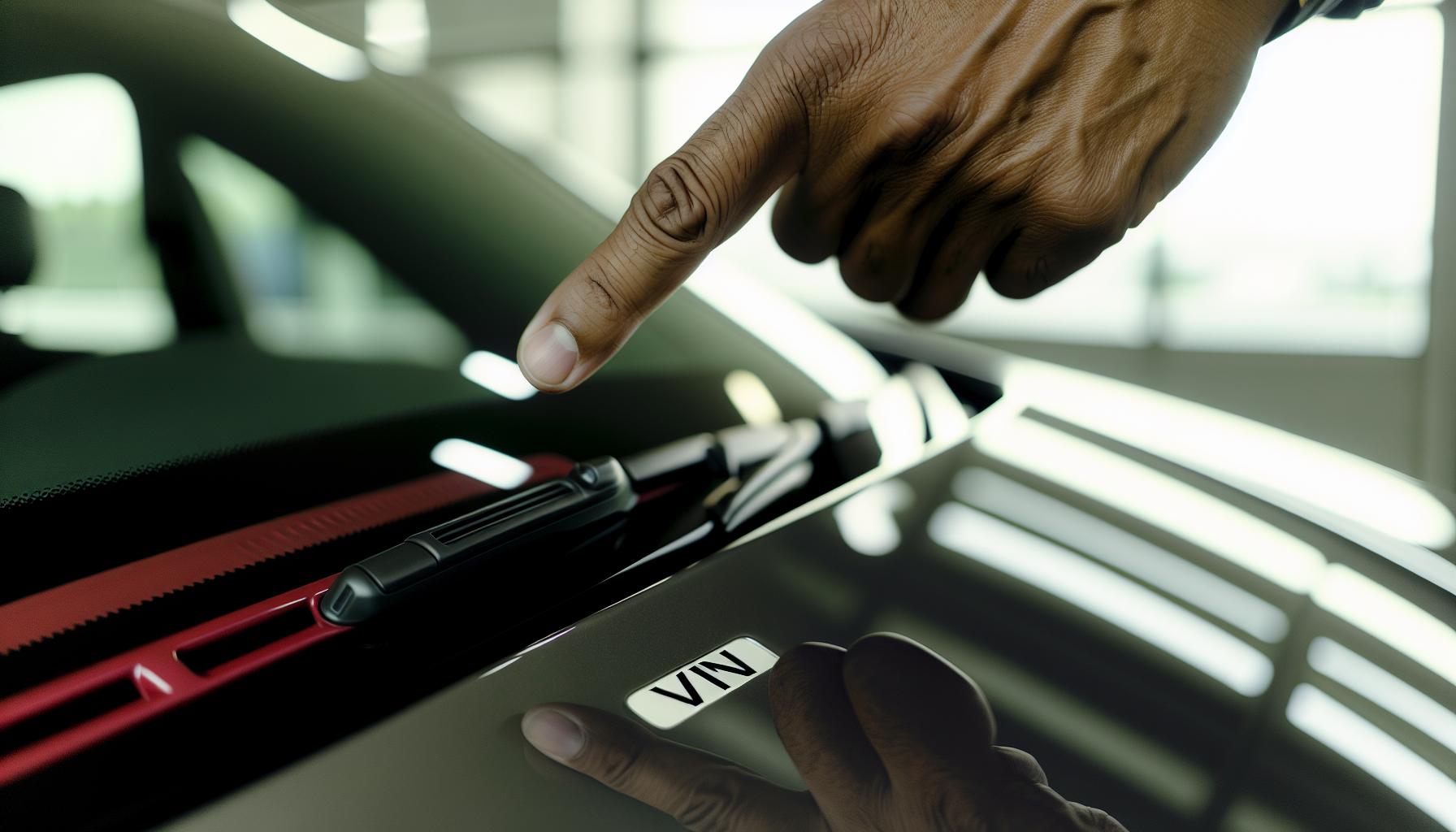
Retrieving your Porsche’s VIN is straightforward, yet knowing where to look can save you time and confusion. This unique 17-character alphanumeric code is typically located in several areas on your vehicle. The most common spot is on the driver’s side of the dashboard, visible through the windshield. If you stand outside the car and glance at the bottom corner of the windshield, you should be able to see it clearly.
Additionally, the VIN can also be found on the driver’s side door jamb. When you open the door and look at the area where the door latches, there is often a sticker that displays the VIN along with other important information, such as tire pressure and the vehicle’s weight ratings. For those who prefer digital resources, many vehicles include the VIN in the owner’s manual or service records.
Lastly, if your Porsche has been registered or inspected in the past, the VIN will be listed on documentation such as the title, registration card, or insurance paperwork. Ensuring you have the correct VIN is crucial, as this number not only reveals your car’s specifics but also plays a key role in verifying its history during ownership transitions. By knowing exactly where to look, you can effortlessly access this vital information and proceed to check its authenticity with a reliable VIN decoder.
Decoding the VIN: Step-by-Step Guide
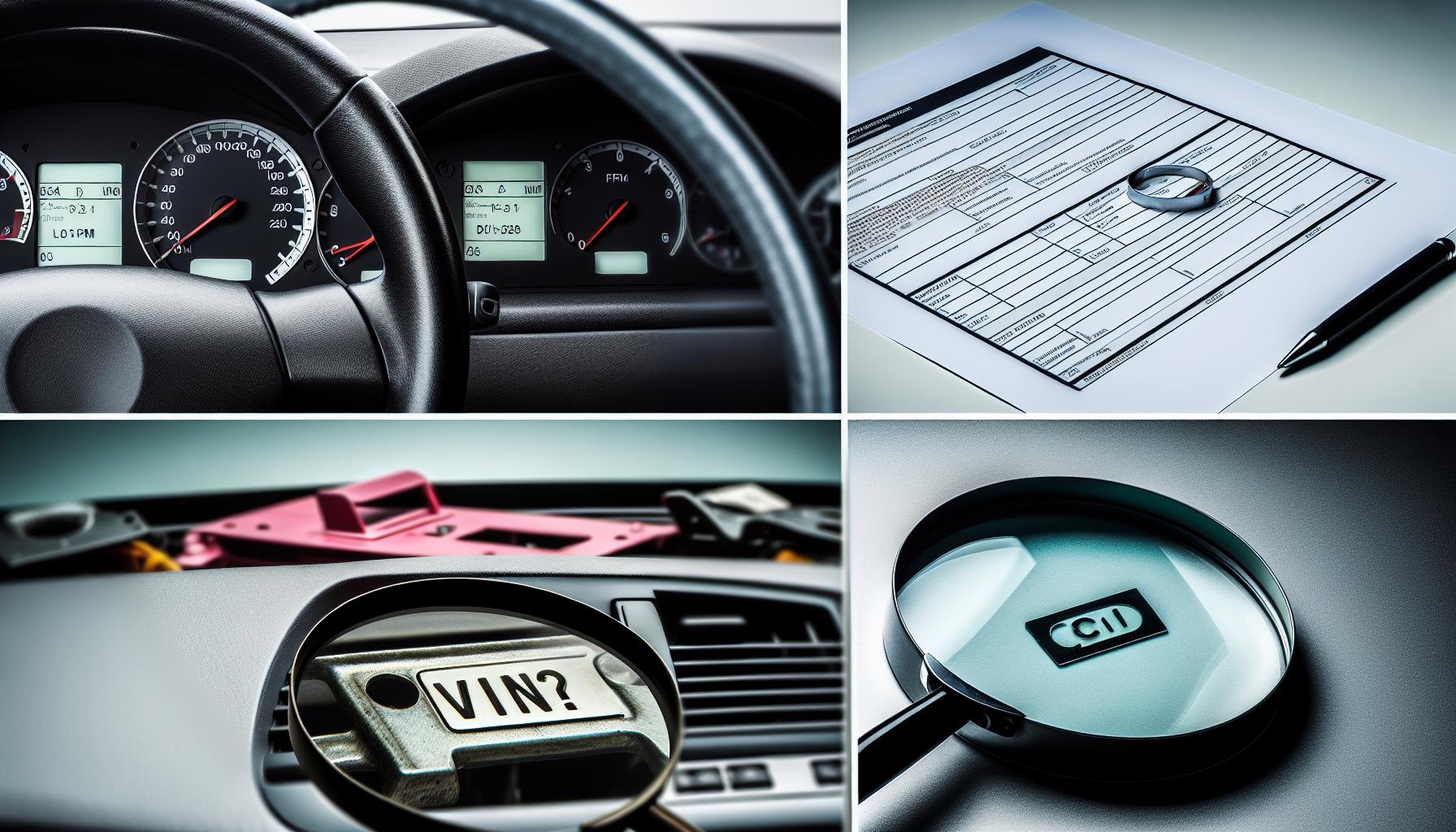
Decoding your Porsche’s VIN is like uncovering a detailed biography of your vehicle, shedding light on its history, specifications, and authenticity. Each of the 17 characters holds specific information, ranging from the manufacturing region to the model and even the engine type. To effectively decode your VIN, follow these clear steps that will empower you with knowledge about your car’s identity.
Start by locating your vehicle’s VIN, which is usually found on the driver’s side dashboard or the door jamb. Once you have the VIN, note its format: the first three characters represent the World Manufacturer Identifier (WMI), which signifies the manufacturer and country of origin. For instance, “WP0” stands for Porsche vehicles produced in Germany. Next, the fourth to eighth characters reveal details about the brand, model, body style, and engine type. For a 2020 Porsche Cayenne, these might specify the engine capacity and vehicle type distinctly.
To further decode the VIN, you can utilize online VIN decoder tools. Websites like Vindecoderz and Stuttcars VIN Decoder offer detailed breakdowns of your Porsche’s attributes. Simply enter your VIN into one of these tools, and it will generate a comprehensive report outlining the various components of your vehicle, including options and configuration images. This step not only helps in understanding your vehicle but also verifies its authenticity against known specifications.
While decoding, pay attention to the characters that indicate the production year and model; the 10th character denotes the vehicle’s model year, while the 11th character often identifies the manufacturing plant. This information is crucial for ensuring you have the correct model and details about its production. Understanding these elements not only enhances your appreciation of your Porsche but also plays a vital role in maintaining its worth and authenticity, particularly if you consider selling it in the future.
What Makes a VIN Authentic? Key Factors

Every Porsche owner should understand that the Vehicle Identification Number (VIN) is more than just a sequence of characters; it’s a key that unlocks detailed insight into the authenticity and history of a vehicle. An authentic VIN is crucial for verifying your Porsche’s lineage, which can significantly impact its value and desirability. Each section of the VIN represents specific data points-ranging from the car’s origin and manufacturer to unique features and specifications-creating a comprehensive profile of the vehicle.
To ensure that a VIN is authentic, you should check several key factors. Firstly, the format must adhere to the 17-character structure prescribed by international standards, where each character has a specific meaning. For example, the first three letters designate the World Manufacturer Identifier (WMI), which for Porsche vehicles will start with “WP0,” ensuring it’s recognized as a legitimate German-made car. Following this, characters four through eight provide critical information about the model, body style, and engine specifications, which should correspond with the vehicle’s data sheet or window sticker.
Another vital aspect of an authentic VIN is its placement and condition. Genuine VINs are typically affixed through stamping or are part of the manufacturer-issued labels, found in standard locations like the dashboard, door jamb, or engine. When checking the authenticity, ensure that it hasn’t been tampered with or altered in any way; irregularities or signs of tampering can indicate fraud. Additionally, cross-referencing the VIN with various databases-such as those provided by Porsche through their official website or reputable VIN decoder tools-can help verify its legitimacy. These platforms can provide you with historical data, such as previous ownership, accident reports, and service histories, enhancing your understanding and confidence in your vehicle’s authenticity.
Understanding what makes a VIN authentic not only empowers you as a Porsche owner but also aids in making informed decisions regarding purchases or upgrades. By arming yourself with knowledge about the factors that contribute to VIN authenticity, you can protect your investment and enjoy your Porsche with confidence.
Common Misconceptions About Porsche VINs
There are numerous misconceptions surrounding the Vehicle Identification Number (VIN) that can lead to confusion for Porsche owners and enthusiasts. One common myth is that all VINs can be easily decoded, revealing all necessary vehicle details without any specialized tools. In reality, while the structure of a VIN is standardized, the specific information encoded within varies by manufacturer and model year. Therefore, simply looking at the VIN does not suffice; you’ll often need access to a reliable VIN decoder to interpret the specific features and history of a Porsche accurately.
Another prevalent misconception is the belief that a VIN is only useful for identifying stolen vehicles. While it is true that VINs can help in theft prevention and recovery, their significance extends far beyond that. A VIN contains crucial information about a vehicle’s specifications, manufacturing details, and service history. For instance, decoding a Porsche VIN can reveal if the car is a limited edition, its original color, and other unique features that directly affect its value and desirability in the market.
Additionally, many believe that VINs can be easily altered without consequences. However, tampering with a VIN is a serious offense and can lead to legal repercussions. Authentic Porsche VINs are meticulously placed and secured in standardized locations to prevent modification. Regularly checking the condition of your VIN and verifying it through reputable services can help ensure that it remains genuine and intact.
Lastly, some Porsche owners might think that their vehicle’s age or condition makes the VIN less relevant. On the contrary, even older Porsches benefit from a thorough VIN check. For classic models, provenance and verification can enhance collectability, affording owners peace of mind regarding their vehicle’s history and authenticity. By actively engaging with your VIN’s details, you maintain a robust understanding of your Porsche, empowering you in your ownership experience.
Using Online VIN Decoders: Best Tools and Resources
Decoding your Porsche’s VIN online can be a game-changer for understanding its specifications and ensuring its authenticity. This 17-character alphanumeric code encompasses vital details: manufacturing country, model year, engine type, and even trim variations. Accessible online tools can help you interpret this information effortlessly.
Here are some of the best resources for decoding Porsche VINs:
Top Online VIN Decoders
- Stuttcars VIN Decoder: This user-friendly tool is specifically designed for Porsche vehicles. It provides a detailed breakdown of your VIN, revealing essential details that help you understand your car’s specifications better. You can access it at Stuttcars[[1]]>.
- RennTech VIN Decoder: Another excellent resource tailored for Porsche owners, this decoder allows for additional insights into your vehicle’s history and specifications. Learn more by visiting RennTech[[2]]>.
- Carfax VIN Check: While primarily known for vehicle history reports, Carfax can also decode VINs to provide a general overview of vehicle details. This information can supplement your research and validate details obtained through Porsche-specific decoders.
How to Use These Tools
To utilize these online resources, simply locate your Porsche’s VIN, which is typically found on the dashboard near the windshield or inside the driver’s side door jamb. Once you have the VIN, enter it into one of the decoder websites. The process usually involves these straightforward steps:
- Enter VIN: Type your 17-digit VIN into the decoder tool.
- Submit: Click on the submit button to initiate the decoding process.
- Review Results: Review the detailed breakdown of your Porsche’s specifications, history, and any other relevant information.
Being proactive with your VIN research can save you time and money. It not only provides clarity regarding your vehicle’s history but also enhances your understanding and appreciation of the unique features that your Porsche represents.
Interpreting Your VIN: A Detailed Breakdown
To truly understand the nuances of your Porsche, interpreting the VIN (Vehicle Identification Number) is paramount. This unique 17-character alphanumeric code serves as your car’s fingerprint, offering insights about its origin, manufacture details, and specifications. Each segment of the VIN conveys key information, from the manufacturer to the specific model and even engine type, which can be invaluable when verifying the authenticity of your vehicle.
The VIN is structured in a standardized format, where each position holds a specific meaning. For instance, the first three characters indicate the World Manufacturer Identifier (WMI), which tells you where your Porsche was built. The next five characters represent the vehicle descriptor section (VDS), detailing the model, body style, engine type, and safety features. The ninth character is a check digit used to validate the VIN against known standards, while the tenth character denotes the model year. Lastly, the final six characters identify the vehicle’s unique serial number.
To decode your Porsche’s VIN effectively, online tools can simplify the process. By entering your VIN into platforms like the Stuttcars VIN Decoder or the RennTech VIN Decoder, you can receive a comprehensive breakdown of your vehicle’s specifications. These decoders will provide you with details such as the exact model variant, options installed, and even color specifications. Such insights can be crucial when buying used or verifying a potential collector’s item, ensuring that you are getting a genuine Porsche with its intended features.
Understanding your VIN isn’t just about gaining knowledge-it’s about empowerment. With the right interpretation, you can make informed decisions regarding maintenance, inspections, and even enhancements, ensuring that your Porsche remains true to its design and heritage.
Why Authenticity Matters: Value and Collectability
Authenticity is the cornerstone of value and collectability in the world of Porsches. Owning a genuine Porsche can elevate your automotive experience, not just in terms of driving pleasure, but also in terms of investment. As the collector market for vintage and unique models grows, so does the importance of verifying the authenticity of your vehicle through its VIN. An accurate VIN not only confirms that your car is a true Porsche but also links it to its history, production details, and original specifications.
When considering the resale value, authenticity plays a critical role. A verified VIN assures potential buyers of the vehicle’s legitimacy and condition, significantly influencing the price. Key factors that enhance value include: original parts, documented service history, and matching numbers for critical components, such as the engine and transmission. For example, a 1970 Porsche 911 with a matching numbers engine is typically valued significantly higher than one with alterations. Each component’s authenticity can dramatically change a car’s desirability among collectors, often leading others to pay a premium for verified models.
Using tools like the Stuttcars VIN Decoder not only helps you ascertain the original specifications of your Porsche but allows you to confirm all details against manufacturer databases. This can prevent costly pitfalls, ensuring that you invest in a car that is not just marketed as a Porsche but is one at its core. Authenticity is more than just a checkmark; it’s a narrative of heritage and engineering excellence that enhances your ownership experience.
For those looking to collect, authenticity also serves a broader purpose. It fosters a community where genuine enthusiasts can come together, share stories, and maintain the legacy of the Brand. Investing in authentic models not only supports their value but also contributes to the preservation of automotive history. By understanding and verifying the authenticity of your Porsche through its VIN, you not only protect your investment but also bridge the connection to a storied lineage of automotive craftsmanship.
VIN Verification vs. Other Authenticity Checks
Verifying a Porsche’s authenticity goes beyond simply checking the VIN; it’s about understanding the nuances of value and legitimacy in the world of automotive collectibles. A VIN not only serves as a unique identifier for your Porsche but is a critical element in verifying the car’s history, specifications, and original parts. While some collectors might rely solely on the VIN, a comprehensive authenticity check also includes assessing the vehicle’s maintenance history, original documentation, and structural integrity.
When it comes to VIN verification, a useful method is to consult a trusted VIN decoding tool, such as those found on specialized websites or through the manufacturer’s own resources. These tools can provide vital information, including production details and model specifications. However, it’s important to balance this technical approach with other authenticity checks. For example, examining the condition of the engine and transmission can reveal whether they are matching numbers, which significantly boosts a car’s desirability among collectors.
Moreover, employing a multi-faceted verification process can paint a clearer picture of a vehicle’s authenticity. Beyond VIN checks and physical inspection, obtaining a service history from authorized dealers or previous owners can offer insight into how well the vehicle has been maintained. This holistic approach ensures that potential buyers appreciate not just the car’s features on paper but also its real-world performance and integrity.
In contrast to VIN verification, other factors should also be considered. A vehicle may have a valid VIN but still have undocumented parts replacements or modifications that could affect its value. Therefore, an effective authenticity check should include looking into provenance-tracking the ownership history and ensuring that any repairs or modifications were conducted using original or OEM parts. This enhances trust and adds substance to the vehicle’s backstory, ultimately influencing its market value and appeal in the collector community.
Real-World Examples: Successful VIN Verification Stories
Successful VIN verification stories often shine a light on the critical importance of understanding a vehicle’s history, especially in the exclusive world of Porsche collectors. A notable case involved a classic 1973 Porsche 911 Carrera RS, one of the most sought-after models. A meticulous buyer utilized a specialized VIN decoder to analyze the vehicle’s details. By inputting the VIN, they discovered discrepancies in the production year and factory options listed by the seller. The decoded information indicated that the car had fewer original components than claimed, which allowed the buyer to negotiate a better price or decide to walk away, saving them from a potentially costly mistake.
Another uplifting example comes from a buyer looking for a 2015 Porsche 918 Spyder. After a thorough inspection, the buyer realized that the seller’s claims about the car’s provenance were incomplete. Using VIN decoding tools, they were able to confirm factory-installed options such as the interior and exterior color, which matched the seller’s claims but revealed other minor alterations that had gone unnoticed. This level of detail ensured the buyer was making an informed decision, helping them validate the authenticity of the vehicle before finalizing the purchase.
For those considering the purchase of a Porsche, these stories underscore the necessity of utilizing available resources, such as online VIN decoders or platform-specific tools. Services like the one provided by VIN Analytics can furnish a complete build sheet and authenticate additional details about factory specifications, reinforcing the importance of thorough research. By becoming familiar with their vehicle identification number and the insights it offers, buyers can avoid scams and ensure their investment is secure. With each successful story, it’s clear that spending the time to decode a VIN can save potential owners from heartache and financial loss while preserving the integrity of their automotive dreams.
Troubleshooting: What to Do If Your VIN Is Invalid
If you’ve attempted to decode your Porsche’s VIN and received an invalid result, it can be disconcerting. Understanding what to do in this situation can save you from potential pitfalls, especially when purchasing or verifying a luxury vehicle. A few reasons might contribute to an invalid VIN response, such as typographical errors, damaged labels, or even the vehicle being a counterfeit. Here’s how to troubleshoot the issue effectively.
First, double-check the VIN itself. Ensure that you have transcribed all characters accurately. A VIN consists of 17 characters-a mix of letters and numbers-which can be found on the dashboard, typically in the lower corner of the windshield on the driver’s side, or on the driver’s side door jamb. If any characters are ambiguous or hard to read due to scratches or fading, refer to your vehicle’s registration documents, which should list the correct VIN. Pay special attention to similar-looking characters: for instance, ‘O’ and ‘0’, or ‘I’ and ‘1’.
If your VIN is correct but still yields an invalid result, it might signal that the vehicle is not officially registered or recognized. In such cases, reach out to Porsche customer support or visit an authorized dealership. They can validate the authenticity of the VIN through their internal systems and provide insights about your vehicle’s history. It’s crucial to establish whether your Porsche was ever recorded in official databases, as this could impact its value and your rights as an owner.
Additionally, consider using multiple VIN decoding tools available online. Each service may have different databases and capabilities. Options like VINDecoders can provide details that other decoders might miss, so running your VIN through several decoders increases your chances of obtaining useful data. If you continue facing problems, documenting all your findings can be beneficial if you need to escalate the issue to legal or automotive authorities.
Always remember: the integrity of your Porsche’s history affects its overall value and desirability in the market. Taking the time to ensure that your VIN is authentic and verifiable is a crucial step in maintaining the quality of your ownership.
Maintaining Your Porsche’s VIN: Importance and Care Tips
Maintaining the integrity of your Porsche’s VIN is vital, not just for compliance with regulations but also for safeguarding your investment’s value. The VIN serves as your car’s fingerprint, containing a wealth of information about its history, specifications, and authenticity. An intact VIN can enhance resale value, while any discrepancies can raise red flags for potential buyers or collectors.
To ensure your VIN remains in good condition, start by regularly checking its visibility. The VIN is located in several places, including the lower corner of the windshield and on the driver’s side door jamb. Make sure these areas are free from scratches and dirt. If your vehicle has undergone any paintwork or repairs, always ensure that the VIN plate itself remains untouched. Keeping these areas clean helps maintain the integrity of the VIN and makes it easier for you or a potential buyer to inspect it.
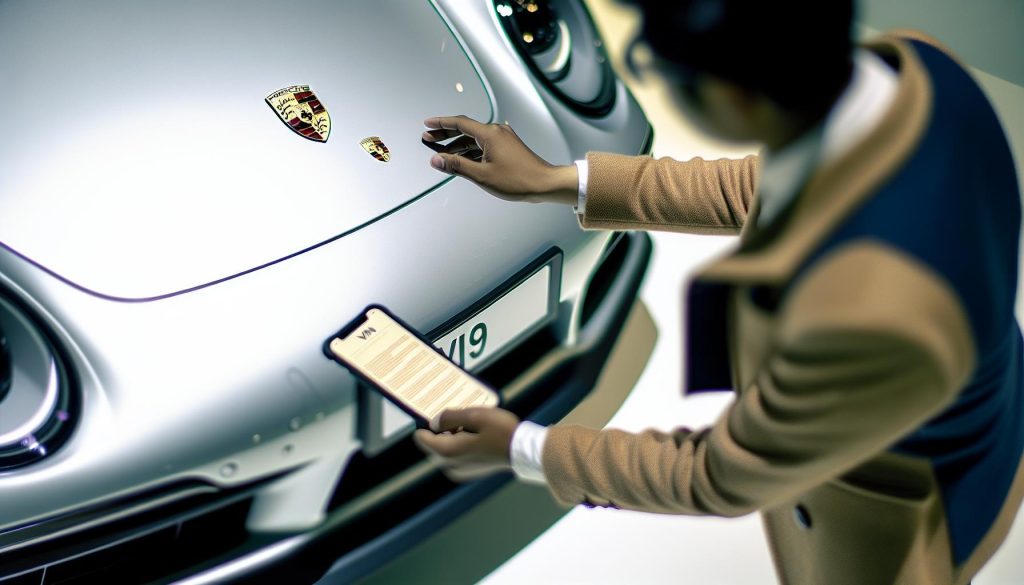
Another proactive measure is to document your VIN and store it securely. You might consider photographing your VIN and keeping the images along with your vehicle’s service records. This is especially useful if you ever need to provide verification for insurance, registration, or resale purposes. In the event that your VIN is damaged or if you suspect it has been tampered with, contact your local Porsche dealership or the manufacturer for guidance. They can assist in verifying the authenticity of your VIN and advise on any necessary steps to rectify issues.
Finally, always be vigilant about common scams related to VINs, especially if purchasing a used vehicle. Some unscrupulous sellers may alter VINs to disguise a vehicle’s true history. Thus, utilizing online VIN decoding services can provide additional assurance of authenticity and can unveil hidden issues that may not be immediately apparent, such as salvage records or odometer discrepancies. Remember, the accuracy of your Porsche’s history is crucial to maintaining its desirability in the market.
Frequently Asked Questions
Q: How can I tell if my Porsche is authentic using its VIN?
A: To verify your Porsche’s authenticity, decode the VIN to check essential details like model, production year, and manufacturing location. Use a reliable Porsche VIN decoder online to cross-reference these details against official records from Porsche [2].
Q: What should I do if my Porsche VIN does not decode correctly?
A: If your Porsche VIN fails to decode, first double-check its accuracy. Ensure there are no typos or missing characters. If issues persist, consult a professional dealer or use trusted online VIN decoder tools that specialize in Porsche vehicles [1].
Q: Can I decode a Porsche VIN for free?
A: Yes, there are several free online resources for decoding Porsche VINs. Websites like Stuttcars offer comprehensive details at no cost, allowing you to verify your car’s specifications without charge [2].
Q: What information can I find from my Porsche’s VIN?
A: Your Porsche’s VIN provides critical information, including the vehicle’s model, engine type, year of manufacture, and country of production. This data is pivotal for authenticity verification and understanding the vehicle’s history [1].
Q: Where can I find the VIN on my Porsche?
A: The VIN is typically located on the driver’s side dashboard near the windshield, on the driver’s side door jamb, or within the engine compartment. Refer to your owner’s manual for precise locations unique to your model [2].
Q: Are there any specific tools recommended for decoding a Porsche VIN?
A: Recommended tools for decoding Porsche VINs include reputable online VIN decoders like Stuttcars and forums dedicated to Porsche enthusiasts. These resources provide detailed breakdowns and are user-friendly [1].
In Retrospect
Unlocking your Porsche’s VIN is your gateway to verifying authenticity, understanding its history, and ensuring you’re making an informed investment. Whether you’re buying a new model or delving into classics from the 1940s, the insights provided by a VIN decoder are invaluable. Don’t miss your chance to protect your purchase-check your VIN today and learn about factory options, engine types, and more.
Dive deeper into the world of Porsche by exploring our guides on specific models, including the Porsche Cayenne and other body styles. If you have questions or need assistance, our community is here to help.
Ready to take the next step? Sign up for our newsletter to stay updated on the latest Porsche news and resources, or check out our advanced VIN decoder for comprehensive reports tailored to your vehicle. Remember, knowledge is your best ally in ensuring your Porsche remains a symbol of quality and reliability. Engage with us in the comments below-share your experiences or ask questions to connect with fellow enthusiasts!
Erhalten Sie unsere neuesten Ratgeber, News und Analysen hervorgehoben in der Google-Suche und in AI Overviews.