Did you know that your Harley-Davidson’s VIN-Vehicle Identification Number-holds not just the key to its history but also crucial insights into its value? Understanding how to decode this 17-digit code can empower you as a buyer or owner, revealing details about the bike’s model, engine type, year of manufacture, and more. Whether you’re looking to authenticate a potential purchase or simply deepen your appreciation for your ride, knowing how to interpret your Harley’s VIN is essential. This guide will demystify the process, helping you unlock the heritage and value that your motorcycle embodies, ensuring you’re well-informed and confident on your journey. Let’s dive into the fascinating world of Harley VINs and discover what your motorcycle truly represents.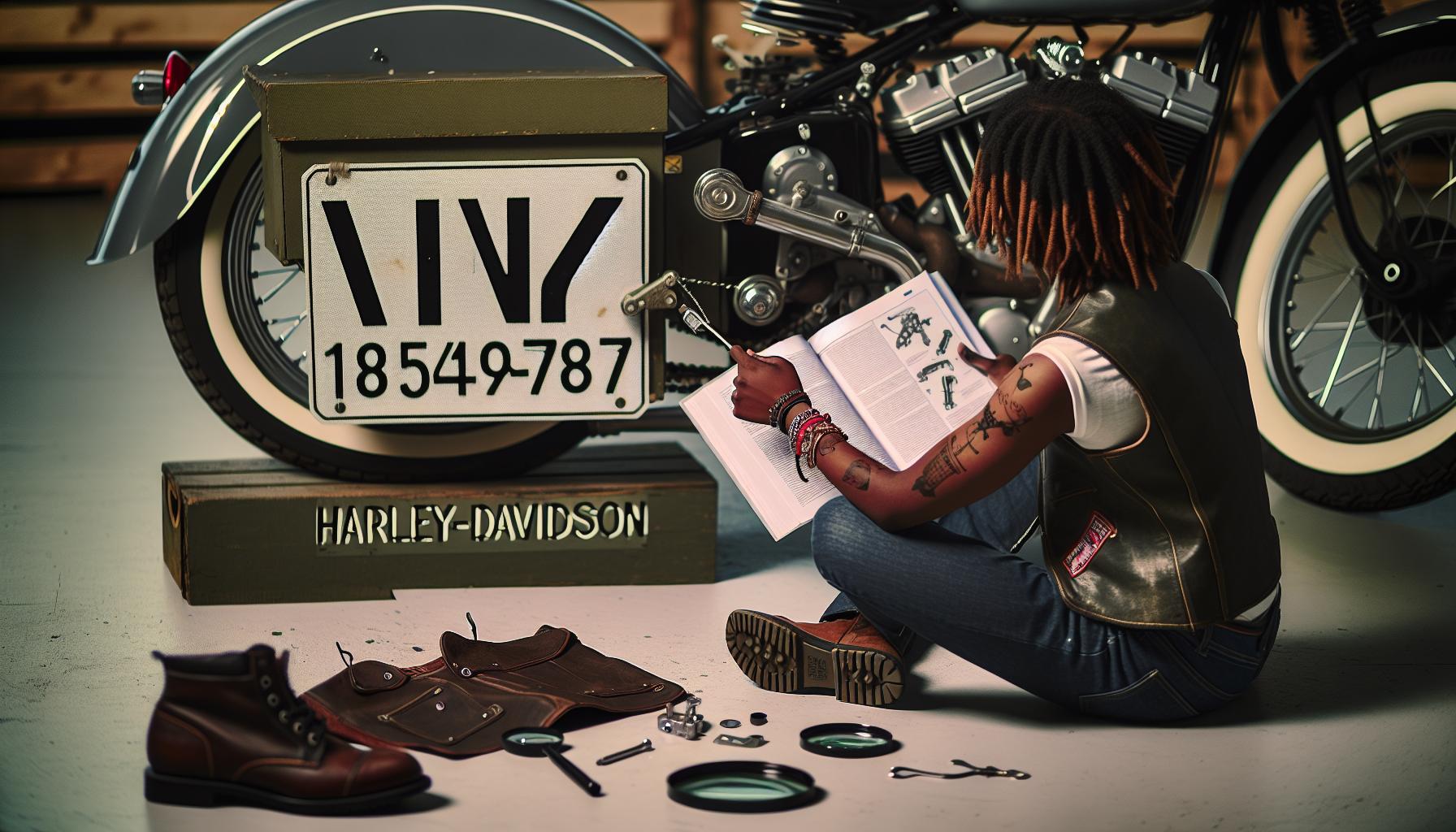
Understanding the VIN: What It Reveals About Your Harley
Understanding the Vehicle Identification Number (VIN) for your Harley-Davidson is essential for any owner. This 17-character code serves as the fingerprint of your motorcycle, revealing a wealth of information about its origins, specifications, and even its place in the manufacturer’s history. Every Harley boasts a unique VIN that can provide insights into when and where the bike was built, the model and engine type, and even security features. By decoding this number, you gain a deeper appreciation for your ride and ensure its authenticity.
What the VIN Reveals
The first section of the VIN typically indicates the manufacturer and the type of vehicle. Each character provides crucial information:
- 1st character: Country of origin
- 2nd character: Manufacturer (in this case, Harley-Davidson)
- 3rd character: Vehicle type and division
Subsequent characters detail attributes such as model year, assembly plant, and specific features unique to your motorcycle. For example, the 10th character represents the model year, allowing you to verify whether your Harley is a vintage classic or a recent model.
Locating Your VIN
Finding the VIN on your Harley is straightforward. Generally, you can find it stamped on the left side of the engine crankcase and also on the frame steering head. This consistency helps ensure that the VIN remains visible even during modifications, making it easier to verify your bike’s lineage when needed [[1]](https://serviceinfo.harley-davidson.com/sip/service/procedure/1127097441659646995/BLAISE/381697/es_MX?nid=4784&uid=381697).
Understanding your VIN is not just about recognizing numbers; it’s about embracing the history and legacy of Harley-Davidson. This knowledge empowers you as an owner, whether for restoration projects or simply to appreciate what makes your motorcycle unique. Remember, your Harley’s VIN is more than just a serial number-it’s a key to unlock the fascinating story of your ride.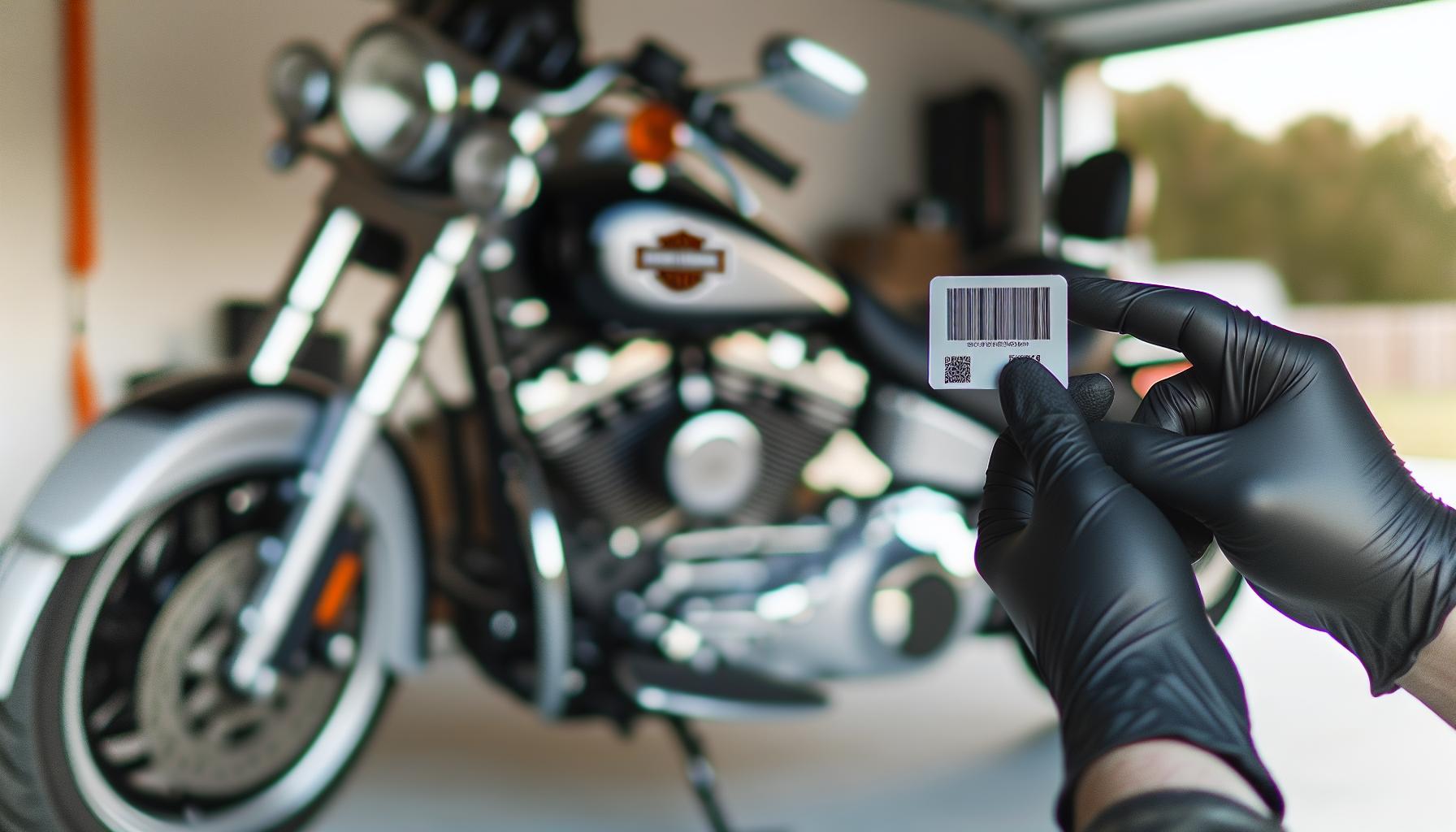
The Structure of a Harley VIN: Breaking It Down
Decoding the Vehicle Identification Number (VIN) of your Harley-Davidson reveals a treasure trove of information, yet many owners remain unaware of its structured significance. Each character of the 17-digit code is meticulously designed to convey distinct data about your motorcycle’s identity, characteristics, and lineage. Understanding this structure not only enhances your appreciation for your ride, but it also assists in ensuring authenticity and compliance during purchases or ownership transitions.
The VIN is composed of three main sections, each serving a crucial function. The first section, known as the World Manufacturer Identifier (WMI), comprises the first three characters. Here’s what each character represents:
- 1st character: Indicates the country where the motorcycle was built; for instance, ‘1’, ‘4’, or ‘5’ suggests the United States.
- 2nd character: Represents the manufacturer, with ‘H’ specifically denoting Harley-Davidson.
- 3rd character: Offers insight into the vehicle type or division (e.g., motorcycle, scooter, etc.).
Following the WMI are the next five characters, which together form the Motorcycle Descriptor Section (MDS). This defines attributes such as the model, engine type, and any special features unique to the motorcycle. For example, the 10th character denotes the model year, a key element that allows you to identify whether you’re dealing with a classic or modern bike. The remaining characters, which constitute the Vehicle Identifier Section (VIS), provide unique information such as the assembly plant and the production sequence number, ensuring that each Harley-Davidson is distinctly identified.
To illustrate, if your VIN starts with “1HD1” followed by unique digits, those first four characters signal that it’s a Harley-Davidson built in the U.S. The specific series and features can all be extracted from the subsequent digits. Thus, when evaluating a potential purchase or determining the history of your motorcycle, comprehending the structure of your VIN equips you with the knowledge necessary to make informed decisions and verify authenticity. By taking a closer look at this code, you not only unlock details about your machine-it also enriches your connection to the Harley-Davidson legacy.
How to Locate and Decode Your Harley VIN
Locating your Harley-Davidson’s Vehicle Identification Number (VIN) is the first crucial step in decoding its history and specifications. The VIN is typically a 17-character string, making it a powerful tool for verifying your motorcycle’s unique identity. To find it, start by checking the frame of your bike. Most Harley models have the VIN stamped on the neck of the frame, just below the handlebars. If you can’t see it there, check under the seat or on the left side of the engine. For a more detailed view, refer to your owner’s manual, which often includes a diagram showing the VIN’s location.
Once you’ve located the VIN, decoding its characters can unveil a wealth of information about your motorcycle. Each section of the VIN has a specific meaning, starting with the first three characters, known as the World Manufacturer Identifier (WMI). These indicate where the motorcycle was made and designate the manufacturer. The next five characters form the Motorcycle Descriptor Section (MDS), which specifies model features, engine type, and production year. Finally, the remaining characters represent the Vehicle Identifier Section (VIS), which includes the unique assembly plant code and the production sequence number.
To decode your VIN, you can use various online tools and resources. Websites like Vindecoderz offer free VIN decoding services specifically for Harley-Davidson motorcycles. Simply input your VIN, and the site will provide a detailed report that includes information about your bike’s model, year, and any factory options. Additionally, community forums like Reddit’s Harley forum can answer specific questions or help with uncommon VIN interpretations, creating a shared knowledge base among enthusiasts.
Understanding how to locate and decode your VIN not only boosts your confidence as a Harley owner but also enhances your ability to make informed decisions. Whether you’re purchasing a used motorcycle or ensuring that your existing ride has not been tampered with, knowing your VIN is essential for authenticity checks. So take the time to familiarize yourself with this invaluable identifier-your Harley’s heritage and value start here.
The Importance of VIN in Valuing Your Motorcycle
When it comes to assessing the value of a Harley-Davidson motorcycle, the VIN is crucial. This unique 17-character code contains detailed information that can impact not just the bike’s market value, but also its desirability among collectors and enthusiasts. Understanding what the VIN reveals can empower buyers and sellers alike to make informed decisions in the marketplace.
One of the primary components of the VIN is the World Manufacturer Identifier (WMI), which can indicate the origin of the bike and its manufacturer. This information can be significant when determining model rarity and historical context. For instance, a Harley from a limited-production year may be valued higher than others due to its scarcity, which is directly tied to the specifics disclosed in the VIN. By utilizing a VIN decoder, such as those available at specialized websites, you can uncover the model year, engine type, and production features that are instrumental in appraising the bike accurately.
Another key aspect of the VIN is its role in establishing authenticity. For instance, a motorcycle that has undergone significant modifications or restorations might not reflect its original specifications, impacting its valuation. Buyers looking to invest in a classic Harley should ensure the VIN matches the bike’s claimed history and character. Verify the details through official channels, which can help mitigate the risks associated with purchasing a motorcycle that may have hidden history or discrepancies.
Furthermore, the VIN is essential when filing for insurance or registration, as it precisely identifies the motorcycle. Errors in VIN details can lead to complications, potentially affecting your ability to insure your motorcycle properly or even to register it with local authorities. Therefore, not only does the VIN play a significant role in determining the value of your motorcycle in the eyes of buyers, but it also serves as a fundamental tool in the ownership process, ensuring all paperwork aligns with the motorcycle’s true identity.
In summary, leveraging the VIN effectively can enhance your understanding of your Harley’s value, authenticity, and ownership rights, allowing you to navigate the motorcycle market with confidence.
Common Myths About Harley VINs Debunked
Many motorcycle enthusiasts hold misconceptions about what a Harley-Davidson VIN can actually reveal. Understanding these myths can empower buyers and sellers to make informed decisions when it comes to ownership and valuation. For instance, one common myth is that the VIN can be used to determine the specific components of a motorcycle. In truth, while a VIN can provide vital information about the model, year, and engine type, it does not detail modifications or aftermarket parts installed. Therefore, prospective buyers should not rely solely on the VIN when assessing a bike’s condition, especially if modifications have been made that could affect performance or value.
Another notable myth is the belief that every VIN adheres strictly to the same format across all manufacturers. In reality, Harley-Davidson has altered its VIN structure over the years. For instance, VINs transitioned from 8-11 digits (1920-1969) to 17 digits post-1981. Each section of a VIN holds specific information, such as the World Manufacturer Identifier (WMI), which varies among models and production years. Therefore, it’s essential to consult a reliable VIN decoder specific to Harley-Davidson to accurately interpret the data. These tools can help decode essential features such as the motorcycle’s specifications and production details.
Moreover, many people assume that the presence of a VIN guarantees the motorcycle’s authenticity. While a VIN is a significant marker of identity, it is only as good as the records associated with it. If a motorcycle has been stolen, or if the VIN was altered or fabricated, the actual history could be compromised. Buyers should always verify the VIN against official records or through a trusted history report to guard against fraudulent claims.
By debunking these myths, motorcycle owners can better appreciate the true scope of information that their VIN provides and make more informed decisions about their Harley-Davidson motorcycles. Engaging with reputable tools and resources will not only enrich your understanding but also enhance the overall experience of motorcycle ownership.
Restoration and Authenticity: Using VIN to Verify History
When it comes to restoring or purchasing a Harley-Davidson motorcycle, understanding the vital clues hidden within the VIN can be a game changer. Your VIN not only tells you the model and year of your bike, but it can also uncover crucial details about its manufacturing history and any potential red flags regarding authenticity. For example, a VIN can indicate whether a motorcycle has been recalled for repairs, has suffered damage, or even if it has been reported stolen. By carefully decoding this information, you can ensure that your investment is sound and that the motorcycle you are interested in is genuine.
To verify a Harley’s history, begin with the VIN, usually found stamped on the frame or on a sticker near the steering column. Use a reliable VIN decoder tailored for Harley-Davidson motorcycles, such as those available on sites like VinCheckUp or VinGurus. These tools can illuminate the bike’s lineage, revealing where it was manufactured and what specifications it was built with. With the history at your fingertips, you can confirm whether the claimed restoration is legitimate-this is especially crucial when high-value collectible models are at stake, where detailed provenance can vastly influence market value.
For restoration enthusiasts, every component of your Harley that has a VIN can correspond to original parts or manufacturer specifications. This makes VINs a powerful resource in ensuring that any restoration maintains authenticity. If aftermarket parts have been chosen, it’s essential to weigh their quality against original components. Additionally, documenting any discrepancies between the VIN’s specifications and the actual motorcycle can help in future resale, as it builds credibility against potential buyer skepticism.
As you uncover the depths of your Harley’s identity through its VIN, always cross-reference any findings with official records or reputable history reports. Investing in tools that trace ownership histories and accident records ensures you aren’t caught off guard by hidden issues. By arming yourself with this knowledge, you become not just a consumer, but an informed steward of motorcycle history, capable of making choices that not only respect the legacy of the Harley brand but also protect your investment in the long run.
Using VIN for Insurance and Registration Purposes
To ensure you’re fully protected and compliant when registering or insuring your Harley-Davidson, understanding your motorcycle’s Vehicle Identification Number (VIN) is crucial. The VIN serves as an essential identifier that encodes specific information about your bike-including its model, year of manufacture, and country of origin. Accurate recording of this data is vital for both insurance and registration processes, as it confirms your ownership and helps prevent potential fraud.
When applying for insurance, your provider will often require your VIN alongside other details such as the make, model, and engine specifications. This data helps insurers evaluate the motorcycle’s risk profile and determine appropriate coverage options. For instance, a newer model with advanced features may have a different premium compared to a classic Harley. Make sure to gather all necessary information before contacting an insurance agent, as this expedites the process and can even lead to more tailored insurance solutions.
In addition to insurance, the VIN is also a critical element of the registration process. It’s essential for confirming the motorcycle’s authenticity and ensuring it hasn’t been reported as stolen. When registering your Harley with your local DMV, your VIN will be cross-referenced with databases to verify that the motorcycle is legitimate and to help assess any potential liens or ownership disputes. Having accurate information from the outset can smooth out the registration process and help avoid any complications down the line.
If you’re planning on altering or customizing your Harley, keep in mind that significant changes may necessitate updates to your insurance policy. Your VIN can assist in documenting these adjustments, which is crucial when it’s time to reassess your coverage or sell the bike. Always maintain open communication with your insurance provider regarding any changes to your motorcycle to ensure that you’re adequately covered throughout your ownership.
Tools and Resources for Decoding Your Harley VIN
Unlocking the secrets of your Harley-Davidson’s VIN can provide you with invaluable insights about its heritage and specifications, enhancing both your ownership experience and the potential resale value. Luckily, there are a multitude of tools and resources available that can help you decode and understand this critical identifier. By utilizing these resources, you can efficiently gather information regarding your bike’s history, specifications, and any recalls it may have encountered.
To start, online VIN decoding tools offer a straightforward and user-friendly way to interpret your Harley’s VIN. Websites like EpicVIN and Lowbrow Customs provide detailed decoders that not only break down the VIN into understandable components but also offer additional information such as specs and recalls. Simply input your VIN, and these tools will help you decipher the meaning behind each character, allowing you to learn about the manufacturing details, model year, engine type, and more.
Another valuable resource can be found in the various online motorcycle forums and communities where Harley enthusiasts gather. These platforms often feature discussions on VIN decoding, and members can offer insights based on their experiences. Joining these communities can lead to discussions on rare models or unique features that aren’t widely documented-a perspective that can significantly enrich your understanding of your motorcycle’s history.
Lastly, if you’re in the market for a specific model or considering purchasing a used Harley, verify its authenticity and condition by running a VIN history check through resources like the National Highway Traffic Safety Administration (NHTSA) or dedicated VIN check services. This process is critical in identifying any past accidents or title discrepancies that may affect your motorcycle’s safety, legality, and value. By leveraging these tools and resources, you empower yourself with knowledge that can protect your investment and ensure a richer riding experience.
Impact of VIN on Motorcycle Resale Value
Understanding the impact of your Harley-Davidson’s VIN (Vehicle Identification Number) on its resale value can be a game-changer for both buyers and sellers. The VIN is more than just a series of numbers and letters; it encapsulates essential information about the motorcycle’s history, authenticity, and overall desirability. For potential buyers, a VIN offers insight into whether the bike has been involved in any accidents, has a clean title, or has undergone significant alterations that could affect its performance and reliability. These factors heavily influence resale value and buyer confidence.
The Significance of VIN Information
When prospective buyers see a Harley with a specific VIN, they can trace back its genealogy – details such as the model year, manufacturing location, and engine specifications. This rich historical context can establish the bike’s place in automotive history, impacting its collectibility. For example, limited edition models or those with unique features are often in higher demand, which can drive prices up if the VIN reflects its special attributes. Furthermore, knowing whether a bike has a documented service history can make it more appealing, as previous maintenance records are often linked to how well the bike has been cared for over time.
Enhanced buyer trust is another significant benefit of having a transparent VIN history. If you’re selling your Harley and you provide a thorough breakdown of the VIN, which highlights no major accidents or significant modifications, buyers are more likely to feel secure in their investment. This transparency can translate to a better resale price. For instance, if the VIN reveals that the motorcycle has been well-maintained and free from serious defects, a seller could expect higher offers compared to a similar model with ambiguous maintenance records.
Strategizing for Resale
When preparing your Harley for resale, it’s crucial to gather all available documentation tied to the VIN. This includes maintenance records, any past modifications, and, importantly, a vehicle history report. Services like CARFAX or AutoCheck offer comprehensive reports that can provide potential buyers with peace of mind. Consider highlighting key findings about your bike’s VIN when advertising it for sale, such as its original purchase date, any upgrades, and its performance status-all factors that can attract buyers and justify a higher asking price.
In summary, the VIN serves as a significant tool in determining resale value. An informed buyer will delve into the details provided by the VIN, and savvy sellers know to emphasize clear, beneficial VIN information to command the best possible price. Keeping your motorcycle’s VIN history transparent and accurately reflected in your sale pitch can make all the difference in closing a favorable deal.
How the VIN Affects Harley-Davidson Warranty Claims
The Vehicle Identification Number (VIN) not only serves as a unique fingerprint for each motorcycle but also plays a pivotal role in accessing warranty claims with Harley-Davidson. The VIN is crucial because it helps both the owner and the manufacturer track warranties, recalls, and service history accurately. When you present your VIN for a warranty claim, it allows the dealership or service center to instantly verify details about your motorcycle, including its original warranty status, any previous claims made, and the eligibility for current warranty repairs. This streamlined process improves efficiency and aids in ensuring you receive the appropriate service.
One significant aspect of the VIN is its relationship to Harley-Davidson’s warranty policies. All motorcycles come with a limited warranty, and knowing your VIN helps you understand what is covered and for how long. For instance, if your bike is still under warranty, you can expect to have certain repairs or parts replacement covered without incurring additional costs. When you need to file a claim, having your VIN ready can expedite the process, as the manufacturer can quickly access your bike’s specific warranty information, which may include details on how long coverage is available and what parts or issues are included in the warranty.
Additionally, the VIN assists in identifying any outstanding recalls that may be applicable to your motorcycle. By providing your VIN to authorized Harley-Davidson dealers, they can check their database for any active recalls which could affect your bike’s safety and reliability. This aspect not only protects the owner but also ensures that motorcycles remain compliant with safety regulations. Ignoring these recalls can lead to serious safety concerns, hence understanding how your VIN functions in this regard is essential for responsible ownership.
In summary, your Harley-Davidson’s VIN is central to navigating warranty claims and related processes. It serves as a gateway to essential information about coverage, recall status, and service history. Always keep your VIN handy for any discussions regarding warranty work to ensure you have a smooth and efficient experience. Understanding the role of your VIN can empower you as a motorcycle owner, enabling proactive management of your bike’s health and value over time.
Exploring Harley’s Heritage Through VINs: Models and Years
When it comes to Harley-Davidson motorcycles, the VIN is more than just a series of letters and numbers; it’s a key that unlocks a world of heritage and significance. Each VIN can tell a story about your motorcycle’s origin, its model lineage, and its place in Harley’s storied history. From the iconic Sportster to the robust touring bikes, the VIN holds details that reflect the evolution of these legendary motorcycles over the decades.
To decode your Harley’s heritage through its VIN, start by understanding its structure. The first character typically signifies the manufacturer’s country, while subsequent characters provide insights about the model and engine type. For example, the 10th character denotes the model year, helping you identify which year your Harley was released. A deeper dive into the VIN can reveal its assembly location and production sequence, allowing you to trace its roots back to the assembly line. This is particularly relevant if you’re considering buying a vintage model; knowing the specific production year and details can help verify authenticity and value.
Key Aspects of Harley VINs
- Model Identification: The VIN will indicate the specific model and its variations, providing clarity on what features or specifications to expect.
- Historical Context: By identifying the model year through the VIN, you can research what changes or upgrades were made that year, often leading to unique traits that resonate with collectors.
- Value Assessment: Knowing a bike’s heritage can significantly impact its resale value. Limited editions or models from specific years may carry a higher value due to their rarity and demand.
Understanding the nuances within your Harley’s VIN not only enhances your appreciation of the motorcycle but also informs potential buyers about its history. Whether you are an avid enthusiast or a new owner, unlocking the story behind your Harley’s VIN can lead to a richer riding experience and a greater connection to the culture of motorcycling.
Troubleshooting VIN Issues: What to Do When Problems Arise
When it comes to Harley-Davidson motorcycles, encountering issues with your VIN can be frustrating but addressing these problems is crucial for ensuring the authenticity and proper registration of your bike. Common issues include missing characters, discrepancies with the manufacturer’s information, or difficulty in locating the VIN. First and foremost, it’s essential to understand that the VIN is not only a regulatory requirement but also a historical marker that affects your bike’s value and performance in the market.
If you suspect your VIN is incorrect or incomplete, start by verifying its location on your motorcycle. For most Harley models, the VIN can typically be found on the frame, often near the steering head or on the right side of the frame tube. Ensure that the area is clean and free from debris, as dirt and rust can obscure the numbers. In cases where the VIN is partially visible or damaged, gently cleaning the area with a soft cloth can often help reveal the missing characters.
For discrepancies or issues that persist, consult the Harley-Davidson dealership or a qualified mechanic who can assist with verification. They have the tools to access Harley’s database and can compare your VIN against their records to detect any inconsistencies. If your motorcycle was previously registered, consider reaching out to your local Department of Motor Vehicles (DMV). They can provide information regarding past registrations and any issues that may exist in official records. Always keep detailed records of communications and findings, as these will be useful if you need to make a case for any changes in your bike’s registration status.
Finally, when buying a used Harley, conducting a thorough VIN check using reliable online tools can prevent future headaches. Many VIN decoders offer free services to check the history, model specifications, and any recalls associated with a particular VIN [[2]] [[3]]. This proactive approach not only enhances your understanding of the motorcycle but also helps safeguard your investment by ensuring that your Harley is exactly what the seller claims it to be.
Faq
Q: What information can I gather from a Harley VIN?
A: A Harley VIN reveals essential details such as the manufacturer, model, year, and factory location of the motorcycle. By decoding the VIN, you can also learn about key features specific to your Harley, enhancing your understanding of its value and history.
Q: How do I verify the authenticity of my Harley using the VIN?
A: To verify authenticity, you can cross-reference your Harley’s VIN with the manufacturer’s records or service history. This process helps confirm whether the motorcycle has undergone alterations and ensures it matches its original specifications, preserving its value.
Q: Can I use the VIN to check if my Harley has been recalled?
A: Yes, you can use your Harley’s VIN to check for recalls on the NHTSA’s website or Harley’s official site. Entering your VIN will show if your motorcycle has any outstanding recalls that need addressing to ensure safety and compliance.
Q: Where can I find the VIN on my Harley motorcycle?
A: The VIN on a Harley is typically located stamped on the left side of the motor, just under the cylinders on a raised boss. You can also find it on the frame, usually near the steering head.[[2]]
Q: What do the letters in the Harley VIN indicate?
A: Each letter in the Harley VIN has a specific meaning. For example, it starts with a 1 or a 4 indicating the manufacturing location (USA or Canada) followed by HD for Harley-Davidson. The following digits signify the model, engine type, and year, providing a comprehensive vehicle profile.[[3]]
Q: What should I do if my Harley VIN is unreadable?
A: If your Harley VIN is unreadable, you can first try to clean the area. If that doesn’t help, consider consulting with a professional mechanic or contacting Harley-Davidson customer service for assistance in retrieving your VIN from other motorcycle records.
Q: How does the VIN affect insurance for my Harley?
A: The VIN is crucial for insurance as it uniquely identifies your motorcycle, impacting your premium. Insurance companies use the VIN to assess the motorcycle’s value, history, and claims, leading to a more accurate coverage offering based on your specific model.[[2]]
Q: How can I use the VIN for resale purposes?
A: You can use the VIN to provide potential buyers with a complete history of your Harley, including previous ownership, service records, and any accidents. This information builds trust and helps justify the bike’s value during resale.
Key Takeaways
Unlocking the secrets of your Harley’s VIN opens the door to understanding its unique heritage and potential value. You’ve learned how to decode this vital information, revealing its history, specifications, and how it can impact buying and selling decisions. Don’t let uncertainty hold you back-take the next step in your motorcycle journey today.
Explore our guides on enhancing your Harley ownership experience with resources like “Maintaining Your Harley’s Value” and “Choosing the Right Parts for Your Harley.” If you’re ready to take action, consider signing up for our newsletter to receive expert tips directly to your inbox, ensuring you stay informed and empowered every step of the way.
Your Harley deserves to shine, and understanding its past is the key to maximizing its future. Dive deeper into our content and connect with fellow enthusiasts; your motorcycle community is just a click away!
Erhalten Sie unsere neuesten Ratgeber, News und Analysen hervorgehoben in der Google-Suche und in AI Overviews.