Did you know that the Vehicle Identification Number (VIN) is often referred to as the “fingerprint” of your motorcycle? For Harley Davidson owners, understanding your bike’s VIN is crucial. It reveals essential information about the motorcycle’s history, including its specifications, any recalls, and ownership records. By decoding your Harley’s VIN, you can authenticate its value, verify its legitimacy, and make informed decisions whether buying, selling, or maintaining your bike. This guide will walk you through the decoding process, ensuring you feel confident in navigating your Harley’s history. Let’s unlock the secrets behind your VIN and bolster your biking experience with clarity and assurance.
Understanding the Importance of VINs for Harley Davidson Bikes
Understanding the significance of a Vehicle Identification Number (VIN) is essential for any Harley Davidson owner or potential buyer. Your Harley’s VIN is like its fingerprint-unique and irreplaceable. It provides a wealth of information about the bike, including the manufacturer, model, engine type, and year of production. This 17-character code not only helps in identifying your motorcycle but also plays a crucial role when validating its authenticity and determining its market value. A well-documented VIN can aid in tracing the bike’s history, including past ownership, accidents, and repairs, making it an indispensable tool for motorcycle enthusiasts.
When buying a used Harley Davidson, the VIN becomes an important component of your due diligence. A clean VIN can reassure you of the bike’s condition and ownership history. Conversely, irregularities in the VIN record can signal potential red flags, such as odometer tampering or a stolen vehicle. Understanding VINs empowers you to make informed decisions by checking the bike’s legitimacy against databases and services that specialize in motorcycle history reports.
Furthermore, VINs impact resale values. When you decide to sell or trade your Harley, a history report associated with a clean VIN can attract buyers by providing transparency on the bike’s condition and history. This can elevate the perceived value and accelerate the sale process. Insurance companies also rely on VINs to assess risk, determine coverage eligibility, and establish premium rates. Therefore, comprehending the importance of your Harley Davidson’s VIN lays the groundwork for a more secure and confident ownership experience.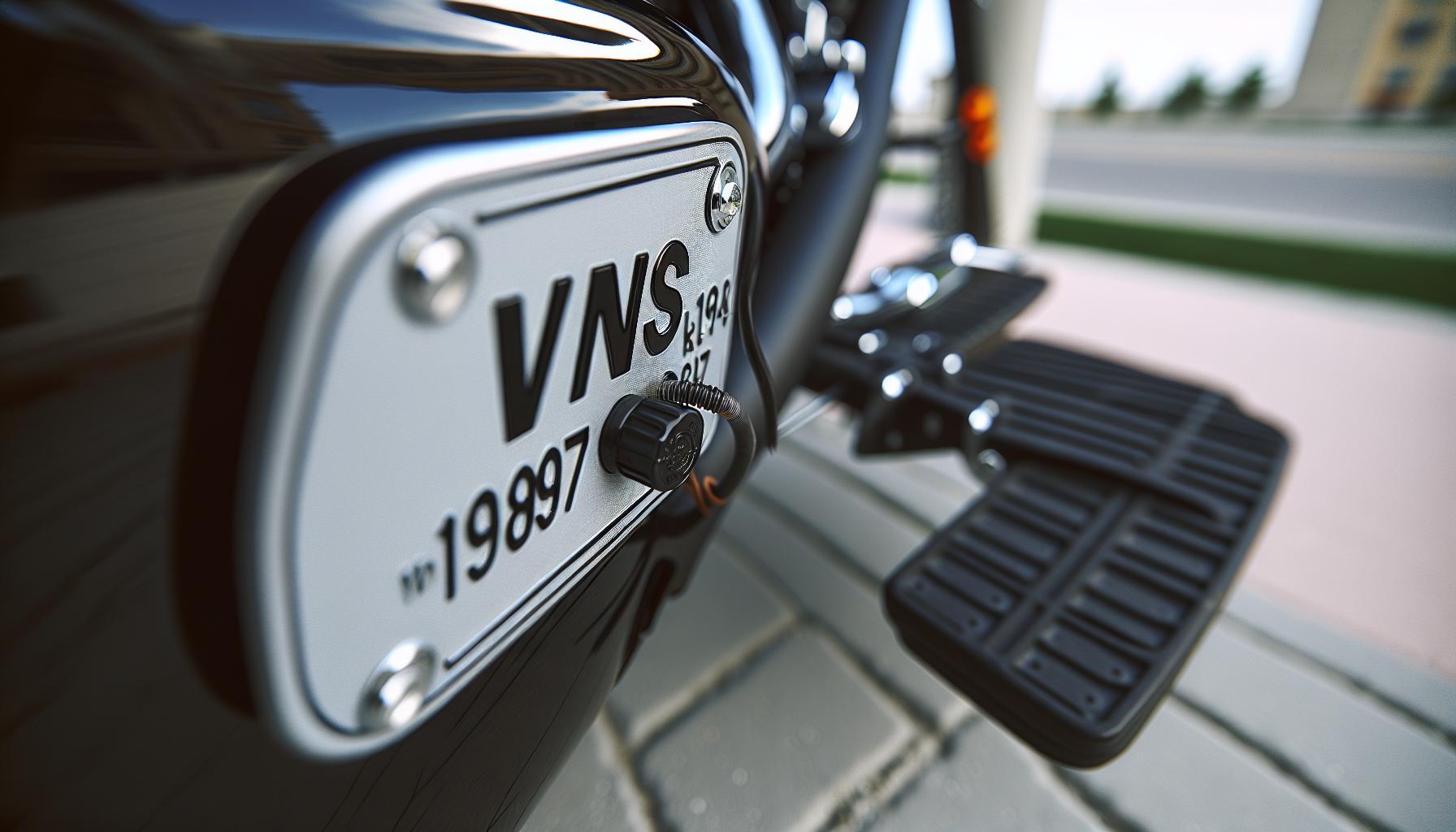
What Your Harley Davidson VIN Reveals
Every Harley Davidson motorcycle has a unique identifier known as the Vehicle Identification Number (VIN), which serves multiple critical functions throughout your ownership experience. By deciphering your bike’s VIN, you can unveil a wealth of information that assists in validating the motorcycle’s authenticity and assessing its value on the market. The information encoded within this 17-character string includes details such as the model year, engine type, place of manufacture, and the unique serial number for your bike. Understanding what each segment of the VIN represents is essential for both current owners and potential buyers.
Key Insights from Your Harley Davidson VIN
The VIN can be broken down into various sections, each providing distinct information. For instance, the first three characters, known as the World Manufacturer Identifier (WMI), indicate the manufacturer and the country of origin. The following characters outline specifics such as the motorcycle’s make, model, and engine type. By knowing what each segment corresponds to, you can verify whether the bike meets your expectations regarding specifications and features.
Using a VIN decoder tool can help simplify this process. These tools can reveal not just the basic specifications but also any recalls and safety notices pertinent to your model. Additionally, they can highlight the bike’s production history and any past accidents, giving you a clearer picture of its condition. For buyers, this information is crucial as it can prevent costly future repairs and enhance your understanding of the motorcycle’s history.
To further engage in the buying or selling process, potential owners should be proactive about checking the VIN against reputable databases. This step ensures that you are not inadvertently purchasing a stolen bike or one that may have hidden damage. Armed with this knowledge, you can engage confidently in negotiations, whether you’re buying or selling, safeguarding your investment in the process.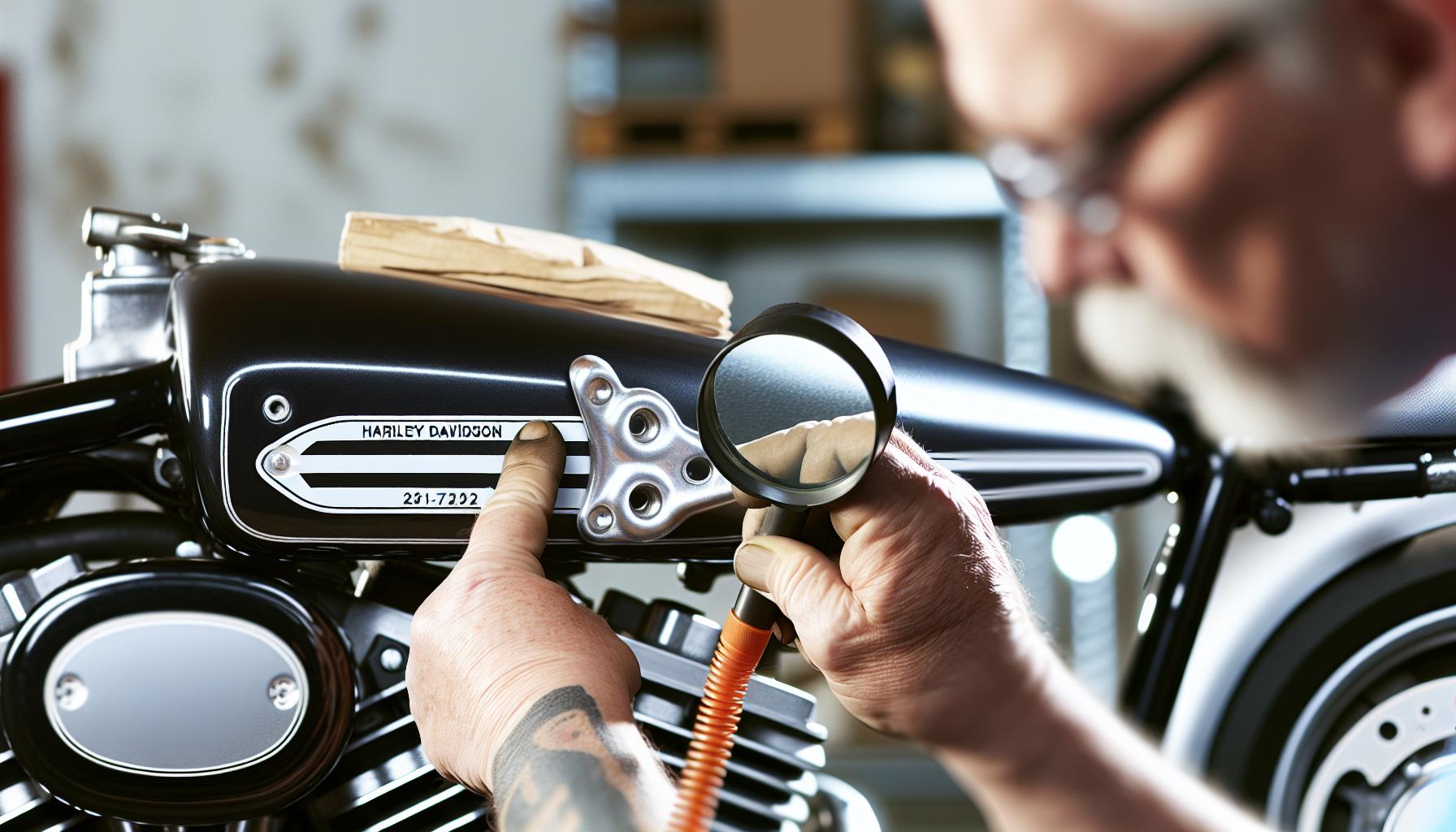
How to Locate Your Harley Davidson VIN
To authenticate your Harley Davidson and understand its value, locating the Vehicle Identification Number (VIN) is the first essential step. Every Harley Davidson bike has its VIN prominently displayed in several locations, giving owners multiple opportunities to find it. This unique 17-character code contains critical information about the bike, including its model, year of manufacture, and engine specifications.
Typically, you can find your Harley’s VIN in the following locations:
- Frame Neck: The most common location for the VIN is on the frame neck, where the steering head connects to the main body of the motorcycle. Look for a small metal plate or stamped number on the side.
- Right Side of the Frame: Depending on the model year, the VIN may also be stamped on the right side of the frame, often near the engine.
- Behind the Front Forks: Some Harley models have the VIN found behind the front forks, which requires gentle maneuvering or tilting to see clearly.
- On the Engine: The engine casing may also have the VIN stamped or engraved, which is particularly useful if the bike’s frame is obscured.
- On the Title and Registration: If you’re unable to locate the VIN on the bike itself, it will also be printed on the motorcycle’s title and registration documents.
Understanding the significance of your bike’s VIN cannot be overstated. Not only does it help establish authenticity, but it also plays a crucial role when checking the bike’s history, including past ownership, accident reports, and recall information. Moreover, for enthusiasts looking to buy or sell, knowing where to find the VIN is pivotal in negotiations, ensuring no hidden issues arise. Armed with your VIN, you can confidently use a decoder tool to extract detailed insights about your Harley Davidson’s specifications and history, ultimately enhancing your ownership experience and safeguarding your investment.
Step-by-Step Guide to Using a VIN Decoder
Using a VIN decoder can be one of the most enlightening experiences for any Harley Davidson owner, revealing the rich history and specifications of your bike in a few simple steps. This powerful tool transforms a seemingly cryptic 17-character code into valuable insights about your motorcycle, facilitating better decision-making about maintenance, restoration, or resale.
First, locate your Harley’s VIN. As mentioned previously, you can find this number on several parts of the bike – typically on the frame neck, engine casing, or in your registration documents. Once you have it, the next step is to choose a reliable VIN decoder. Various online options exist, ranging from official Harley Davidson databases to third-party sites. Always prefer reputable sources to ensure the accuracy of your results.
After selecting your decoder, simply enter the VIN in the provided field. The decoder will process the number and subsequently display key information about your bike, including the model year, engine type, assembly location, and production specifics. It may also provide data regarding any factory options or customizations, which can significantly affect the bike’s authenticity and market value.
Lastly, remember to interpret the information carefully. While VIN decoders are generally reliable, they can occasionally miss updates or changes made throughout production years. Cross-referencing the decoded data with official Harley documentation can help confirm accuracy. Utilizing a VIN decoder not only gives you insight into your bike’s past but is also a critical part of maintaining its value and ensuring you have a legitimate Harley Davidson.
Commonly Asked Questions about Harley Davidson VINs
Engaging with your Harley Davidson’s VIN can unlock a treasure trove of information that shapes your ownership experience. A common question among owners is, “What exactly does my VIN tell me?” The 17-character Vehicle Identification Number serves as a fingerprint for your bike, providing insights into its manufacturing details, model year, engine type, and much more. This includes whether the bike was produced with any special features or designations that may impact its value. Understanding these elements not only enriches your appreciation for your motorcycle but also aids in maintaining its authenticity and resale potential.
Another frequent inquiry is regarding the location of the VIN. Many new Harley owners are surprised to learn that this number can be found in several places, such as on the frame neck, below the handlebar on the steering head, or stamped on the engine casing. Familiarizing yourself with these locations can save time and hassle when you’re ready to use a VIN decoder or when you need it for insurance purposes.
When it comes to using a VIN decoder, owners often wonder how the process works. After inputting your VIN into a decoder tool, you can expect detailed information about your motorcycle’s specifications to appear almost instantly. However, it’s crucial to highlight that not every decoder is created equal. Reliable decoders will access comprehensive databases to ensure accuracy, so always opt for verified services.
Lastly, many people ask how VIN information affects the bike’s value. A well-documented VIN that matches the bike’s authenticity can significantly enhance its market value. Bikes with discrepancies in their VIN history or ownership records may face depreciation. Hence, knowing how to decode your VIN not only empowers you as an owner but also stands as a safeguard against potential financial loss in the future.
Evaluating Your Bike’s Authenticity and Value
Engaging with your Harley Davidson’s VIN can be a game-changer when it comes to establishing your bike’s authenticity and understanding its market value. Each Vehicle Identification Number offers more than just a series of characters; it serves as a comprehensive record of your motorcycle’s history and specifications, crucial for both current and prospective owners. When evaluating authenticity, one of the first things to verify is that the VIN on the bike matches the one documented in official records. Discrepancies can raise red flags about possible theft or improper modifications, impacting both buyer confidence and value.
To assess your bike’s authenticity and value accurately, start by checking for signs of tampering around the VIN location. It’s typically stamped on the frame neck or engine casing. Ensure the numbers are clear and unaltered. Next, utilize VIN decoding tools which can reveal essential details such as the model year, production location, and any factory-installed features. Compare this information against your bike’s documentation, including service records and previous ownership details. This thorough vetting process not only confirms your bike’s pedigree but also empowers you in negotiations should you choose to sell.
Why VIN Verification Matters
Authenticity links directly to financial value. A comprehensive report from a reliable VIN decoder can highlight any special features, modifications, or factory flaws. For instance, certain limited edition models command higher prices, while bikes with after-market changes may be less desirable. Documented maintenance history accessed through your VIN also signifies a well-cared-for bike, further enhancing its value.
Ultimately, an informed ownership approach leads to better appreciation and potential resale. Being equipped with detailed knowledge about your Harley Davidson’s origins and condition will not only boost your confidence as a rider but can also make you a more savvy seller in a competitive market. Always remember: an accurate VIN is your best ally in navigating the motorcycle landscape.
The Impact of VIN Information on Insurance and Resale
Determining the insurance premiums and resale value of your Harley Davidson often hinges significantly on its Vehicle Identification Number (VIN). This series of characters is not just a bureaucratic necessity; it serves as a comprehensive identifier that encapsulates key details about your motorcycle’s history and specifications. Insurance agencies utilize VINs to underwrite your policy accurately, considering aspects such as the bike’s make, model, year of manufacture, and safety features. Since Harley Davidsons can vary widely in terms of performance and custom features, understanding what your VIN reveals can safeguard you from overpaying for insurance.
When seeking coverage, your VIN helps insurance companies assess risk. For example, models known for their reliability may attract lower premiums, while high-performance versions or those with a history of theft might increase your rates. Moreover, if your bike has been modified, those changes need to be accurately documented through your VIN to ensure proper coverage. Failing to disclose modifications could lead to complications if you need to file a claim later on. Always communicate with your insurer to ensure that any custom parts or enhancements are covered, avoiding potential policy gaps.
Resale Value Insights
The resale market for motorcycles like Harley Davidsons is particularly sensitive to authenticity and documented history, both of which are connected to your VIN. When you list your motorcycle for sale, prospective buyers will likely request a history report that includes VIN-related details. A clean history, free of accidents, thefts, or salvage titles, greatly enhances buyer confidence and can lead to a higher asking price. Conversely, discrepancies in your VIN or its documentation can raise red flags.
To maximize your resale value, consider obtaining a vehicle history report from a trusted source. This report not only validates your bike’s legitimate past but also confirms its maintenance history and ownership records. Providing this documentation can set your listing apart, assuring buyers they have all necessary information. Additionally, maintain meticulous service records linked to your VIN to illustrate how well the bike has been cared for, further validating your selling price.
Ultimately, leveraging the information encoded within your Harley Davidson’s VIN can empower you as both an owner and a seller. By understanding its implications on insurance premiums and market value, you position yourself to make informed decisions that benefit your riding experience.
Maintenance History and VIN: What You Need to Know
The Vehicle Identification Number (VIN) is more than just a series of letters and numbers; for Harley Davidson owners, it’s a crucial key to understanding the maintenance history of your motorcycle. VINs can reveal whether the bike has been part of any recalls, accidents, or major repairs-the kind of information every owner should keep close at hand. This knowledge not only helps you maintain your bike effectively but also positions you better in the resale market.
When assessing maintenance history through your VIN, start by obtaining a vehicle history report. These reports compile extensive data linked to your bike’s unique number. They typically include accident history, service records, and even title changes. A thorough report can disclose if previous owners kept up with regular maintenance, such as oil changes, tire replacements, and important recalls. If you’re purchasing a used Harley Davidson, this information is invaluable; it can help you negotiate a fair price or walk away if there are red flags that could affect the bike’s performance or safety.
To take full advantage of your VIN, consider creating a log of all maintenance performed on your bike. Include details such as service dates, types of repairs, and parts replaced-this not only keeps you organized but also enhances the bike’s value. Prospective buyers are often impressed by well-documented maintenance records, which provide reassurance about the bike’s condition and reliability. Additionally, if you’ve made any modifications, make sure these are recorded accurately. This helps verify the bike’s authenticity and can prevent issues with insurance coverage.
In summary, leveraging your Harley Davidson’s VIN is essential for tracking and understanding its maintenance history. Whether you are looking to sell or just want to ensure your bike is running smoothly, maintaining meticulous records will empower you as an owner and enhance your motorcycle’s resale potential. By combining your knowledge of the VIN with access to reliable history reports, you can make informed decisions that benefit your riding experience.
Decoding Special Features and Customizations
To truly appreciate the individuality of your Harley Davidson motorcycle, understanding its special features and customizations through the VIN is essential. Each Harley comes with a wealth of information encoded in its Vehicle Identification Number, which not only helps identify the bike’s model but also reveals unique aspects that set your motorcycle apart from others. For instance, the VIN can disclose details about factory-installed features or optional upgrades that enhance performance or aesthetics, making it a valuable tool for owners and potential buyers alike.
When you input your VIN into a reliable decoder, you can extract information such as the style of the engine, type of transmission, and whether your bike includes custom paint or aftermarket modifications. Many Harley Davidson models are customizable, and the VIN can indicate if any special features were installed at the factory, such as custom handlebars or light packages. Understanding these details not only enhances your pride in ownership but can also significantly impact your bike’s resale value. Additionally, the presence of factory options can reassure buyers of the motorcycle’s authenticity and quality.
If you’ve made personal modifications to your Harley, it’s savvy to document these changes alongside the VIN. Customized parts, such as upgraded exhausts, performance tuning, or aesthetic alterations, can also be reflected in vehicle history reports and verified against original specifications. This documentation is crucial not only for maintaining accurate records but also for ensuring your bike is adequately covered by insurance, as certain modifications can affect coverage terms.
In summary, the VIN is a powerful tool that goes beyond basic identification; it plays a critical role in showcasing your motorcycle’s unique essence. By decoding this information, you can celebrate your bike’s character while also taking steps to protect your investment, enhance its value, and connect with fellow enthusiasts who share your passion for custom Harley Davidson motorcycles.
Understanding VIN Variations Across Harley Davidson Models
Understanding how VINs differ across Harley Davidson models can provide crucial insights into the features and specifications of your motorcycle. Each Harley Davidson VIN, which consists of 17 characters, contains specific information unique to the motorcycle’s make, model, and year of manufacture. This information is not just a series of random letters and numbers; it can reveal essential details about a bike’s origin, configuration, and any special editions it might belong to.
The first few characters of the VIN indicate the world manufacturer identifier (WMI), which distinguishes Harley Davidson from other manufacturers. Following that are sections that denote various characteristics, such as the engine type and model. For example, a VIN starting with “1HD” identifies a Harley Davidson built in the USA, while “1HD1” indicates a specific model line. Each model line can have variations that reflect the style of the bike, whether it’s a Cruiser, Touring, or Sportster. Knowing which character corresponds to what type of information allows owners to decode and understand their bikes better.
Moreover, special editions of models, such as the Screamin’ Eagle series or CVO (Custom Vehicle Operations) models, have unique VIN identifiers. These can indicate particular features, such as upgraded components or limited production runs, which can be valuable when assessing authenticity and value. For example, a CVO model might have different characters in the VIN that highlight its exclusivity compared to standard models. Recognizing these nuances can help both buyers and sellers make informed decisions, ensuring the evaluation of a motorcycle’s worth is based on accurate and detailed information extracted directly from the VIN.
In practice, owners can consult specific VIN decoder tools that focus on Harley Davidson motorcycles to obtain detailed reports. These tools can illustrate the differences in VIN variations across various models, helping owners verify the authenticity of their bikes. Understanding these variations is essential for preserving the bike’s value, ensuring proper maintenance, and confidently communicating its specifications to potential buyers. By tapping into the encoded secrets of the VIN, Harley Davidson enthusiasts can enhance their ownership experience while safeguarding their investment.
Next Steps: Making Informed Decisions Based on Your VIN
Understanding your Harley Davidson’s VIN is more than a casual exercise; it’s an empowering step towards informed ownership. When you grasp what your VIN reveals about your motorcycle, you gain insights into its history, specifications, and inherent value. Each character in that 17-digit code serves a purpose, from identifying the year it was made to detailing the model type. For instance, a VIN starting with “1HD” signifies it’s a Harley Davidson manufactured in the USA, helping you authenticate its origin right from the start.
Once you’ve decoded your VIN, the next logical step is to leverage that information effectively. If you’re considering selling your bike or simply tracking its history, using a reliable VIN decoder tool can reveal invaluable details. These tools can verify if your bike matches its claimed model, check for recalls, and uncover any notable features that contribute to its market value. This step is vital for buyers as well, as it ensures you’re investing in a machine that meets your expectations and standards.
Moreover, evaluating the authenticity and value of your bike can influence decisions about maintenance, upgrades, and insurance. Knowing exactly what you have can help you discuss specifications with potential buyers or mechanics more confidently, ensuring you get the best service or price. It also aids in negotiating insurance premiums by providing accuracy about your bike’s specific model and features, which can differ significantly across Harley Davidson’s diverse lineup.
In your journey of making informed decisions based on your VIN, don’t hesitate to document everything you find. Create a personal history file that includes the decoded information and any maintenance records. This practice not only helps maintain the bike’s value but also makes your motorcycle more attractive to future buyers. By taking these actionable steps, you empower yourself to maximize your Harley Davidson ownership experience while safeguarding your investment.
Faq
Q: How does a VIN decoder work for Harley Davidson bikes?
A: A VIN decoder extracts specific data from your bike’s Vehicle Identification Number (VIN) to reveal key details such as the model year, engine type, and factory specifications. Simply enter your VIN into a reliable decoder tool to access this information, which can help authenticate your bike’s value and history.
Q: Where can I find a reliable Harley Davidson VIN decoder?
A: Reliable Harley Davidson VIN decoders can typically be found on dedicated motorcycle enthusiast websites or official Harley Davidson resources. Tools like the Harley Davidon website and specialized motorcycle forums often provide accurate decoders to help you verify your bike’s details.
Q: What information can I get from my Harley Davidson’s VIN?
A: Your Harley Davidson’s VIN provides essential information including the manufacturer, year of manufacture, place of assembly, and model specifications. All these details help in evaluating authenticity and assessing the bike’s market value.
Q: Why is it important to authenticate my Harley Davidson’s value with a VIN?
A: Authenticating your Harley Davidson’s value through the VIN is crucial for determining its resale price. A verified VIN ensures that you know the correct specifications and history, which can prevent fraud and ensure you get a fair market price when selling or insuring your bike.
Q: How can I check the maintenance history of my Harley Davidson using the VIN?
A: To check your Harley Davidson’s maintenance history, enter your VIN into a VIN decoder or service history tool that partners with motorcycle service databases. This can provide insights into past repairs, services, and any recalls, helping you make informed decisions about potential future repairs.
Q: What should I do if my VIN does not return results in a decoder?
A: If your VIN does not return results, double-check the number for accuracy, as even a single incorrect digit can lead to errors. If issues persist, consider consulting Harley Davidson customer service or a motorcycle expert for assistance.
Q: Can the VIN reveal stolen status or insurance claims?
A: Yes, some VIN decoder services provide access to databases that alert you to whether a motorcycle is reported stolen or has insurance claims against it. This information can be pivotal in assessing the bike’s legitimacy before purchase.
Q: What steps should I take after decoding my Harley Davidson’s VIN?
A: After decoding your VIN, compare the findings with the physical condition of your bike to ensure consistency. Use this information to inform your buying decisions or valuation, and consult further expert resources if discrepancies arise.
In Retrospect
Unlock the full potential of your Harley Davidson by using our VIN decoder to verify its authenticity and value. Accurately understanding your bike’s history not only empowers you as an owner but can also enhance its resale potential. Don’t wait-take advantage of this tool today to ensure you’re making informed decisions about your ride.
For more insights, be sure to check out our guides on “Maintaining Your Harley Davidson” and “Understanding Harley Davidson Specifications” to deepen your knowledge and confidence as a motorcycle enthusiast. Remember, staying informed is key to enjoying your Harley Davidson to the fullest. Join our newsletter for regular updates and tips, and feel free to share your thoughts or questions in the comments below. Your journey into the world of Harley Davidson starts now!
Erhalten Sie unsere neuesten Ratgeber, News und Analysen hervorgehoben in der Google-Suche und in AI Overviews.