
Did you know that every Volkswagen vehicle comes with a unique 17-character VIN that holds the key to understanding its entire history? A Volkswagen VIN decoder is an essential tool for anyone looking to uncover detailed manufacturing data about their car, such as engine specifications, production location, and optional features. Whether you’re considering purchasing a used VW, want to verify the authenticity of your current vehicle, or simply wish to learn more about its specifications, decoding the VIN can empower you with valuable insights. In this guide, we’ll demystify the VIN and show you how to access specific details about your Volkswagen, ensuring you make informed decisions as a buyer or owner. Understanding your vehicle’s VIN isn’t just about curiosity; it’s about enhancing your ownership experience and gaining peace of mind. Join us as we explore the world of Volkswagen VIN decoding and unlock the secrets hidden within those numbers.
Understanding the Importance of VINs in Volkswagen Vehicles
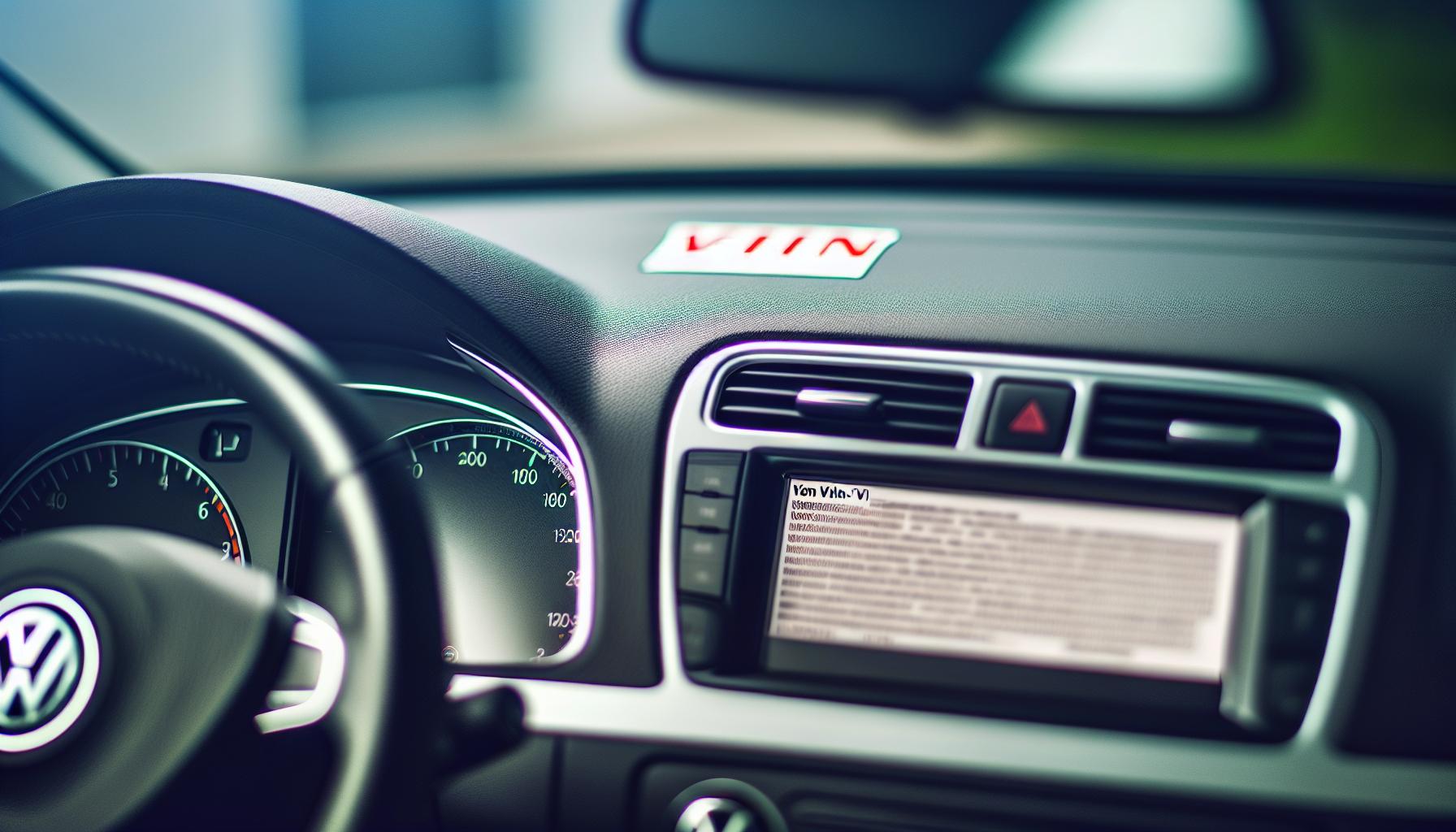
The Vehicle Identification Number (VIN) stands as a unique fingerprint for each Volkswagen vehicle, revealing crucial insights about its identity and history. This 17-character code encodes a wealth of information that not only assists in identifying the vehicle but also plays a significant role in navigating the world of ownership, maintenance, and resale. Understanding the importance of VINs goes beyond mere identification; it empowers owners, buyers, and enthusiasts alike.
Why VINs Matter
A VIN is essential for tracking a vehicle’s history, including its manufacturing details, recalls, and previous ownership. For potential buyers, a thorough review of a vehicle’s VIN can unveil vital information about accident history, service records, and whether any safety recalls remain unresolved. Such transparency is critical to making informed purchasing decisions and avoiding pitfalls associated with previously damaged or poorly maintained vehicles.
Moreover, VINs contribute significantly to the operational aspects of vehicle insurance and registration. Insurance companies rely on VINs to assess risks and determine policy premiums. Additionally, during the registration process, state agencies use this number to verify that the vehicle’s identity matches its documented history, helping prevent theft and fraud.
Empowering Owners and Buyers
For Volkswagen owners, knowing how to effectively utilize their vehicle’s VIN can lead to increased confidence in vehicle maintenance and servicing. Many manufacturers, including Volkswagen, offer services and resources accessible via the VIN, allowing owners to quickly find manuals, parts specifications, and service histories. This accessibility enables owners to better understand their vehicles and engage with service professionals more knowledgeably.
In conclusion, the role of the VIN in the Volkswagen ecosystem serves as a bridge between the vehicle’s history and its current owner, enhancing transparency and reliability. By tapping into the power of the VIN, owners and buyers can unlock important information that fosters trust and supports well-informed decisions throughout the life of the vehicle.
How to Locate Your Volkswagen’s VIN
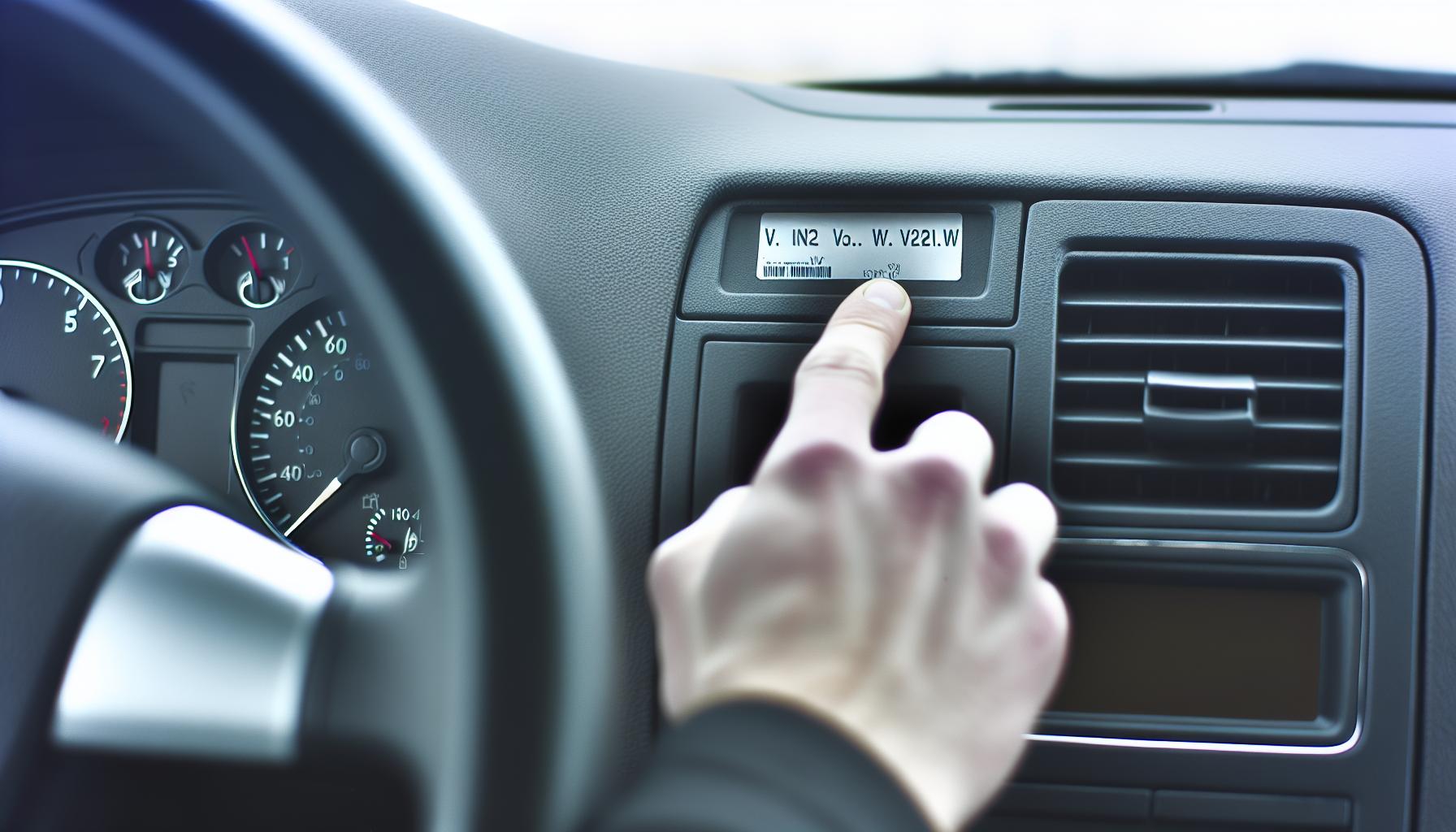
Finding your Volkswagen’s Vehicle Identification Number (VIN) is essential for accessing detailed vehicle information, ranging from specifications to history. This 17-character alphanumeric code acts as your vehicle’s unique identifier and can reveal important insights into its manufacturing details, ownership history, and more. Locating your VIN is straightforward, and knowing where to look can empower you to make informed decisions regarding maintenance, repairs, or even purchasing a vehicle history report.
The most common location for the VIN is in the lower section of the windshield on the driver’s side. You can see it through the glass, making it easily accessible without any need to open doors or hoods. If for some reason it’s hard to view there, check the driver’s side door jamb; the VIN is often displayed on a sticker pasted to this area. Another option is to look at your vehicle registration documents or insurance card, as the VIN is typically listed there as well. Keeping a record of your VIN can simplify various processes related to your vehicle, such as ordering parts or accessing manufacturer services.
It’s important to be precise when locating your VIN, as even a single incorrect character can result in access to inaccurate information. Once you have your VIN, you can enter it into a VIN decoder tool to unearth a trove of information about your Volkswagen. These tools often provide details about the original equipment, configuration images, and any recalls associated with your vehicle. Utilizing these resources can vastly aid in understanding your vehicle’s history and ensuring that any service performed is in line with what is required for your specific model.
By knowing how to locate and utilize your VIN effectively, you will better navigate the complexities of vehicle ownership and maintenance. Whether you are a first-time owner, an avid enthusiast, or someone looking to buy a used Volkswagen, having easy access to this key piece of information can enhance your overall experience and ensure you make well-informed decisions.
Decoding the Volkswagen VIN: A Step-by-Step Guide
Decoding your Volkswagen’s VIN can feel overwhelming at first, but it opens the door to a wealth of information regarding your vehicle. This complex 17-character code uniquely identifies your Volkswagen and reveals important details about its manufacturing history, specifications, and more. By understanding how to break down the VIN, you empower yourself to make informed decisions about maintenance, repairs, or when buying a used vehicle.
To start decoding, locate your VIN-often found on the lower corner of the windshield on the driver’s side or inside the driver’s side door jamb. Once you have your VIN, you can use a VIN decoder tool. Many websites provide these services, allowing you to enter your VIN and receive detailed reports that outline the original specifications of your vehicle including its engine type, color options, and manufacturing location. A reliable resource for decoding is VIN Decoderz, which caters specifically to Volkswagen models [[2](https://www.vindecoderz.com/EN/Volkswagen)].
When you get your decoder output, it will typically consist of various sections that represent distinctive information.
Understanding the Elements of Your VIN
Each segment of your VIN corresponds to specific vehicle details:
- World Manufacturer Identifier (WMI): The first three characters (e.g., VWV for Volkswagen) show the manufacturer and country of origin.
- Vehicle Descriptor Section (VDS): Characters 4 through 9 provide details about the model, body type, engine type, and safety features.
- Vehicle Identifier Section (VIS): The last eight characters offer specific information about the vehicle’s unique manufacturing sequence, which helps track recalls or accidents.
By understanding what each segment of the VIN represents, you can better gauge the vehicle’s history and specifications. It’s particularly useful information if you’re planning to buy a used Volkswagen, as it allows you to cross-reference against any declared specifications to identify discrepancies. Correct and precise information from your VIN helps ensure you’re getting the exact vehicle you are paying for, thereby avoiding potential issues down the line.
Ultimately, decoding your VW VIN not only enhances your ownership experience but also establishes a strong foundation for diligent vehicle care and informed purchasing, giving you peace of mind as you drive your vehicle.
What Each Section of the VW VIN Means
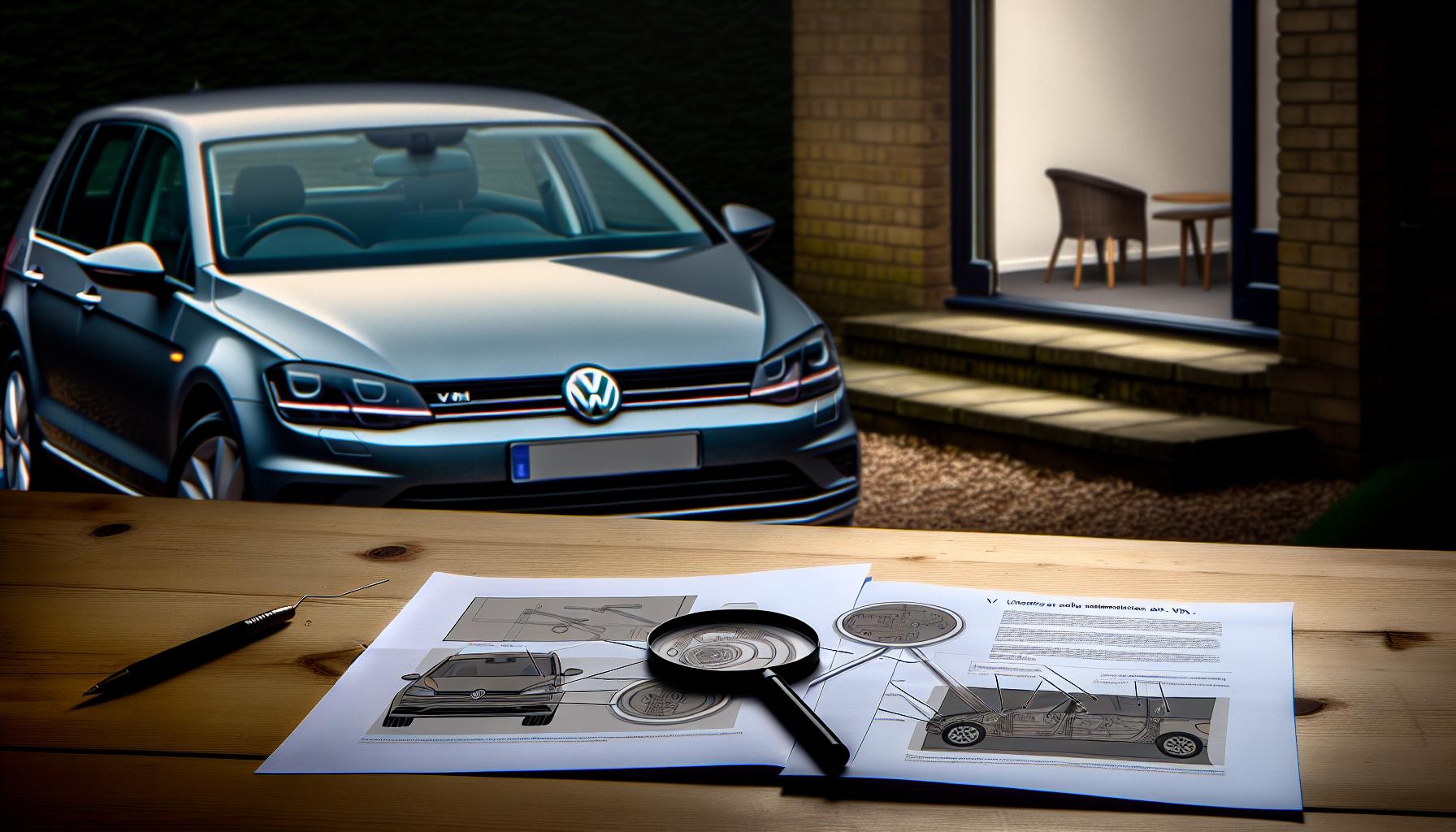
The VIN (Vehicle Identification Number) is a unique 17-character code that serves as your Volkswagen’s fingerprint. Understanding what each segment of this code means is vital for assessing your vehicle’s specifications, history, and authenticity. Every character or group of characters in the VIN is designated to convey specific information about your car, from its maker to its unique production details.
The World Manufacturer Identifier (WMI) comprises the first three characters of the VIN. This segment provides insight into the manufacturer and the country of origin. For instance, a WMI beginning with “WV” or “3VW” indicates it’s a Volkswagen from Germany or Mexico, respectively. Next, the Vehicle Descriptor Section (VDS) spans characters four through nine and gives vital details about the model, body type, engine, and safety equipment. This information is crucial for understanding the specific features and configurations of your Volkswagen.
Following the VDS is the Vehicle Identifier Section (VIS), which includes characters ten through seventeen. This part of the VIN indicates the vehicle’s unique serial number, the year of manufacture, and the production plant. For example, the tenth character specifies the model year, while the eleventh character often denotes the plant where the vehicle was assembled. This section is particularly important for tracking recalls and any potential safety issues associated with your car.
Decoding each part of the VIN is not just an academic exercise; it holds practical value. By knowing what each section signifies, you can more confidently navigate vehicle history reports and ensure the Volkswagen you’re interested in matches the declared specifications. This knowledge empowers you to make well-informed decisions, especially when purchasing used vehicles, enabling you to avoid costly mistakes.
Common Volkswagen VIN Decoder Tools and Resources
Equipped with the right tools, decoding your Volkswagen’s VIN can unlock a wealth of information about your vehicle. Understanding this data is crucial not just for enthusiasts but also for everyday owners who want to ensure they’re maintaining or purchasing the right parts. Fortunately, numerous online resources and tools make this process straightforward and accessible for all.
One of the most user-friendly options is the 7zap VIN Decoder. This tool allows you to input your VIN and quickly access factory build details, including engine specifications, optional equipment, and the original manufacturing plant. By simply entering your VIN, you can discover the precise configuration of your Volkswagen, ensuring that any replacement parts you order are truly compatible with your vehicle. Additionally, JBugs provides a similar service, identifying your VW model and offering insights into the specific components that came with it, stressing the importance of using your VIN over just the vehicle’s title year.
If you’re looking for further depth, VinDecoderz is another excellent resource. This tool not only decodes your VIN into comprehensive details about your Volkswagen’s history and features but also provides visual aids to help you identify specific vehicles and their unique characteristics. These visual tools are particularly helpful for buyers or enthusiasts trying to understand the differences between models, trims, or optional features.
Ultimately, using these decoder tools can give you confidence in what you’re driving, buying, or selling. Understanding your vehicle’s unique identity through its VIN empowers you to make informed decisions, whether you’re sourcing parts, checking for recalls, or determining vehicle history. A clear understanding of your Volkswagen’s specifics not only enhances your ownership experience but also assures you of the authenticity of vehicle claims made during sales.
Exploring Manufacturer Information Available through VIN
The vehicle identification number (VIN) is more than just a unique string of characters; it is a vital key that unlocks a comprehensive profile of your Volkswagen vehicle’s history and specifications. By using your VIN, you can reveal an array of manufacturer details that can guide you in maintenance, parts sourcing, and even restoration projects. Whether you’re a new owner, a seasoned enthusiast, or simply looking to verify the integrity of a vehicle, understanding what information is embedded within the VIN can significantly enhance your ownership experience.
With tools like the 7zap VIN Decoder and JBugs, you can delve into key aspects such as the manufacturing plant, production year, model specifications, and even the engine type. For instance, if you input your VIN, the 7zap tool may display whether your vehicle was made in Wolfsburg or Puebla, giving you insight into the production quality and practices of the specific plant. Furthermore, it reveals build-specific features like upholstery color, optional factory packages, and technical specifications which can aid in identifying correct replacement parts-crucial for restoration projects or repairs.
Additionally, exploring manufacturer information can provide context about your car’s place in the Volkswagen lineage. Every model bears unique characteristics reflective of its production time, including design changes and safety features. For instance, enthusiast forums and resources frequently note how specific VIN segments can reveal historical recalls or common issues for your vehicle’s make and model, further informing your purchase decisions or maintenance plans. This helps you avoid pitfalls associated with buying used cars that may have unresolved manufacturer recalls.
In essence, tapping into the wealth of data available through your Volkswagen’s VIN not only illuminates the vehicle’s history but also arms you with the knowledge necessary to make informed choices. From verifying warranty status to tracking down authentic parts, understanding your VIN can streamline your ownership journey while enhancing the joy of driving a Volkswagen.
How to Use VINs for Vehicle History Reports
Using your vehicle identification number (VIN) to access detailed vehicle history reports can significantly enhance your understanding of a Volkswagen, particularly if you’re considering purchasing a used model. A comprehensive vehicle history report can illuminate past accidents, title issues, odometer discrepancies, and any outstanding recalls. This crucial information can help you avoid costly mistakes and ensure a safer, more informed investment.
To obtain a vehicle history report, begin by locating your Volkswagen’s VIN, typically found on the driver’s side dashboard or inside the driver’s side door frame. Once you have the 17-character alphanumeric VIN, use a trusted service like Carfax or AutoCheck. Simply enter your VIN into their search bar, and within moments, you will receive a detailed report. Most services offer a basic report for free, though more comprehensive data may require a fee. This report often includes:
- Accident History: Details about any collisions, thefts, or major repairs.
- Title Information: Information regarding past ownership, including any salvage or rebuilt status.
- Odometer Readings: Verification of the vehicle’s mileage to detect potential rollbacks.
- Recalls and Service Bulletins: Information about any safety recalls still outstanding for the vehicle.
Understanding this data can not only give you peace of mind but also allow you to negotiate better terms during the buying process. For current owners, accessing this information is essential for maintenance planning and understanding if there are outstanding recalls that need addressing. Indeed, staying informed about your Volkswagen’s history empowers you to enhance its lifespan and maintain its value.
Using a VIN for vehicle history reports provides indispensable insights into the background of any Volkswagen, making it an invaluable tool for buyers and owners alike. This proactive approach ensures you are well-informed, helping you make sound decisions whether you’re buying, selling, or maintaining your vehicle.
The Role of VINs in Volkswagen Recalls and Safety Notices
It might surprise you to learn that almost every vehicle recalls are tied to its Vehicle Identification Number (VIN). In the case of Volkswagen, this unique identifier not only helps owners track their car’s history but also plays a crucial role in ensuring safety by notifying drivers of any recalls or safety notices that may affect their vehicle. Understanding how to leverage your VIN for recalls can mean the difference between a safe ride and unforeseen mechanical issues.
Volkswagen utilizes the VIN to communicate vital information regarding recalls. When a recall is issued, it is often identified by specific VIN ranges to target affected vehicles. For owners, knowing how to check if your vehicle is included in any recall is essential. You can visit the official Volkswagen website and enter your VIN into their dedicated recall check tool, which will promptly inform you of any outstanding safety recalls tied to your vehicle. This proactive step ensures you can address potential issues before they result in safety risks.
Additionally, staying informed about recalls can enhance your vehicle’s overall lifespan and reliability. Volkswagen regularly updates their recall lists and safety notices based on new findings or defects. By checking your VIN periodically, you are taking an active role in your vehicle’s maintenance, which not only keeps your car in top condition but can also retain its value. Moreover, when considering the purchase or sale of a used Volkswagen, a clean recall history, verifiable through the VIN, can reassure potential buyers and boost your transaction value.
Incorporating your awareness of VIN-related recall information into your vehicle care routine is a smart move, fostering a culture of safety and diligence around your Volkswagen ownership experience.
VIN Trends: Understanding Your VW’s Manufacturing History
Understanding the history behind your Volkswagen based on its VIN can unlock a trove of information about your car’s manufacturing lineage, helping you appreciate not just its features but also its performance over time. The Vehicle Identification Number (VIN) is not just a string of random characters; it encapsulates a rich history of production details, including where your vehicle was built and the specific model details. By decoding this alphanumeric code, you can trace back to the exact country, factory, and even the specific assembly line where your VW was manufactured.
When you enter your VIN into a decoding tool, you can often uncover important manufacturing trends related to your vehicle model. For instance, VIN insights can reveal whether your car was part of a larger production run or if it was one of the earlier models produced in a new style. This aspect can significantly affect both the car’s value and your decision-making if you’re considering modifications or restorations. Many enthusiasts appreciate knowing whether their vehicle comes with rare features or specifications that differentiate it from larger batches of the same model.
Additionally, reviewing the manufacturing history can provide context about recalls, service campaigns, and even warranty extensions specific to your vehicle’s production batch. For instance, a particular VIN may disclose if your vehicle falls within a range that experienced a common issue, allowing you to proactively address concerns before they escalate. This proactive approach not only ensures your vehicle’s performance and safety but can also enhance its resale value in the competitive used car market.
By maintaining awareness of these elements tied to your VIN, you empower yourself as a Volkswagen owner. You can make informed decisions about maintenance, parts replacement, and potential future upgrades. Knowing your VW’s manufacturing history enhances the ownership experience, linking you to the brand’s heritage and allowing you to celebrate the craftsmanship that went into creating your vehicle. Thus, the story behind your VIN is not just about identification; it’s about connecting with your car on a deeper level, understanding its history, and using that knowledge to preserve its future.
Why Accurate VIN Information Matters for Buyers and Sellers
Understanding the specifics of a Vehicle Identification Number (VIN) can greatly enhance vehicle transactions, particularly when it comes to buying or selling a Volkswagen. A precise VIN not only confirms the car’s identity but also reveals vital information about its history, manufacturing details, and ownership. For buyers, ensuring the VIN on the vehicle matches the paperwork is essential to avoid costly mistakes or potential fraud. Sellers who provide accurate VIN information can instill confidence in potential buyers, affirming the legitimacy of their vehicle.
Utilizing a VIN decoder is a straightforward way to verify the critical details about a Volkswagen. By accurately entering the VIN, users can uncover the model year, country of manufacture, and specific assembly plant, among other details. This transparency is crucial-knowing the car’s production history can alert buyers to whether they are getting a well-kept vehicle or one that has faced multiple issues in the past. In the dynamic used car market, buyers equipped with this information can negotiate with confidence, ensuring they’re paying a fair price.
Furthermore, having accurate VIN information matters in relation to recalls and safety notices. A car’s VIN can indicate whether the vehicle has been subject to any recalls, which is vital for the buyer’s safety. If a seller omits this information, they might unintentionally put a buyer at risk. By cross-referencing the VIN with manufacturer databases, buyers can ascertain whether any maintenance or repairs are pending, ultimately leading to a safer driving experience.
In short, accurate VIN information serves as a cornerstone for secure vehicle transactions. It protects buyers by providing essential data about the car’s history and potential maintenance needs while empowering sellers to present their vehicles with greater credibility. As you navigate the world of used Volkswagen transactions, prioritizing precision in VIN details can save time, money, and frustration, leading to a more satisfying ownership experience.
Tips for Using VINs When Buying Used Volkswagen Vehicles
When it comes to purchasing a used Volkswagen, understanding the significance of the Vehicle Identification Number (VIN) can significantly boost your confidence and decision-making capacity. A VIN is a unique 17-character code that reveals critical details about the vehicle, including its make, model, engine specifications, and historical background. Knowing how to effectively utilize this information is essential, especially in a competitive market where transparency and knowledge are your best tools for negotiation.
First, always double-check the VIN on the vehicle with the documentation you receive from the seller. This simple step helps you confirm the vehicle’s identity and ensure it hasn’t been misrepresented. To locate the VIN, you can typically find it on the dashboard near the windshield, on the driver’s side door frame, or on the vehicle registration documents. Once you have it, you can utilize VIN decoder tools available online, which will break down the VIN into understandable segments, revealing information about the vehicle’s manufacturing details and specifications. Websites like JBugs and VINDecoderz provide valuable insights to help you assess if the vehicle matches what the seller has advertised.
Moreover, don’t just stop at decoding the VIN. Use this information to dig deeper into the vehicle’s history. Services like Carfax or AutoCheck can provide comprehensive vehicle history reports based on the VIN. These reports often reveal past accidents, service records, and whether the vehicle has ever been involved in a recall. Being aware of the vehicle’s history can help you identify not only potential red flags but also justify or challenge the asking price.
Lastly, when negotiating the price, leverage the information you’ve gathered through the VIN. If a vehicle has a known issue or has a history of frequent repairs, don’t hesitate to use this as a bargaining chip. Sellers are more likely to be accommodating when they realize you are an informed buyer. Emphasizing your knowledge about the car’s specific features and how they align with your needs can also make your offer more compelling. By prioritizing the precise use of the VIN throughout your buying process, you can ensure that your investment in a used Volkswagen is a wise one.
Advanced VIN Features: What Enthusiasts Should Know
Understanding the intricacies of a Vehicle Identification Number (VIN) can provide Volkswagen enthusiasts with a wealth of valuable information about their vehicles. The VIN not only serves as a unique identifier for every car but also encodes crucial details about its production history and specifications. For enthusiasts, delving into the advanced features of the VIN enables them to appreciate their vehicles on a deeper level, tracking attributes like manufacturing location, model variations, and even specific features that may enhance collectability.
One of the first aspects to explore is how the VIN integrates with manufacturing records, including the plant where the vehicle was assembled. Each VIN starts with a World Manufacturer Identifier (WMI), which for Volkswagen is typically “WVW” for vehicles made in Germany. Understanding the first few characters lets you pinpoint the vehicle’s origin and gather context about its production environment. Furthermore, the sequential digits that follow can reveal details about the model year, engine type, and even factory-installed options. Enthusiasts can correlate this information with specific production runs or known issues tied to certain batches of vehicles.
Moreover, advanced VIN features can help determine if a vehicle underwent significant updates or recalls. For instance, enthusiasts might discover that certain components were upgraded in later models based on VIN segmentation, thus informing potential modifications or restoration decisions. Online VIN decoder tools, such as those found on platforms like 7zap, decode this information seamlessly, giving users direct access to not just the specifications, but also insights into part compatibility and alterations made during the vehicle’s lifecycle.
Additionally, understanding the VIN allows VW owners to tap into vehicle history reports. These reports provide a narrative of the vehicle’s past, including accidents, title changes, and service records tied to its unique VIN. Armed with this knowledge, enthusiasts can make more informed choices about purchasing, maintaining, and modifying their vehicles. By recognizing the nuances encoded within the VIN, Volkswagen enthusiasts can become better stewards of their vehicles, ensuring they are preserved and cherished for future generations.
Frequently Asked Questions
Q: What is a Volkswagen VIN decoder and what data does it provide?
A: A Volkswagen VIN decoder is a tool that converts a vehicle’s unique 17-character VIN into readable information. It reveals manufacturing details like the engine type, model, body style, and factory-specific options. This data is essential for verifying vehicle specifications and history.
Q: How do I use a Volkswagen VIN decoder?
A: To use a Volkswagen VIN decoder, simply enter your 17-character VIN into the decoder tool available on websites like carVertical or 7zap. The decoder will generate a report detailing your vehicle’s manufacturing data, including build information and OEM parts compatibility.
Q: Can I trust the information from a Volkswagen VIN decoder?
A: Yes, utilizing a reputable Volkswagen VIN decoder ensures accurate information, as these tools pull data directly from manufacturer records. Look for decoders that emphasize their connection to official VW databases for the most reliable results.
Q: Why is the VIN important for Volkswagen vehicle owners?
A: The VIN is crucial because it contains essential details about the vehicle, such as its history, recall status, and all factory-installed equipment. Owners can use it to verify authenticity and ensure they have correct specifications for repairs or parts replacement.
Q: How can a VIN help in buying a used Volkswagen?
A: When buying a used Volkswagen, the VIN allows potential buyers to access detailed history reports, check for recalls, and confirm that the vehicle’s condition matches its advertised data. This transparency helps in making informed purchasing decisions.
Q: What should I do if I can’t find my Volkswagen’s VIN?
A: If you can’t locate your Volkswagen’s VIN, check common areas like the dashboard near the windshield, driver’s door jamb, or the vehicle registration documents. If it’s still missing, contact a VW dealership for assistance in retrieving it.
Q: Are Volkswagen VIN decoders free?
A: Many Volkswagen VIN decoders are free to use; however, some may charge for detailed reports or specific data. Check sites like carVertical or 7zap for free access to basic decoding services, with premium features possibly available for a fee.
Q: What types of problems can a Volkswagen VIN reveal?
A: A Volkswagen VIN can reveal issues such as outstanding recalls, accident history, and previous service records. By reviewing this information, owners can proactively address potential problems and ensure the vehicle’s safety and reliability.
The Conclusion
Unlock the full potential of your Volkswagen with our comprehensive VIN decoder. Understanding your vehicle’s identity not only enhances your ownership experience but also empowers you to make informed decisions when buying, selling, or maintaining your car. Don’t wait-dive into your VW’s manufacturing data today and uncover crucial details like original equipment and safety features.
Ready to explore more? Check out our guides on vehicle history reports and common issues to watch for with used vehicles. If you’re interested in keeping your VW running at peak performance, subscribe to our newsletter for the latest tips and updates. Remember, knowledge is key when it comes to your investment. Engage with our community, share your findings in the comments, and stay connected for ongoing expertise that keeps your automotive journey smooth and informed!
For further insights, consider exploring our resources on the significance of authenticating vehicle information and tips for used car buyers. Every detail counts, and we’re here to help you navigate your options confidently!