
Unlocking the history behind your Saab vehicle is now easier than ever with a Saab VIN decoder. This essential tool interprets the unique 17-character Vehicle Identification Number (VIN), revealing crucial details such as manufacture date, specifications, and any past incidents. Knowing your vehicle’s history can significantly impact your ownership experience-whether you’re considering a purchase or seeking maintenance tips. Many car buyers are unaware that a VIN can expose hidden issues, such as accidents or odometer discrepancies. By using a reliable VIN decoder, you empower yourself to make informed decisions, ensuring that you understand the full story behind your vehicle. As you dive deeper into this article, you’ll discover how to utilize these tools effectively and navigate the sometimes complex world of vehicle history data. Your Saab deserves to be valued, so let’s explore how understanding its VIN can enhance your ownership journey.
Understanding Vehicle Identification Numbers (VINs)

The Vehicle Identification Number (VIN) is much more than just a series of letters and numbers; it’s a unique fingerprint for your vehicle, providing critical information about its identity and history. For Saab owners, understanding the VIN can unlock a treasure trove of insights, including manufacturing details, safety features, and even the model’s country of origin. Given the complexity of vehicles, the VIN is an essential tool for navigating maintenance and service records, verifying authenticity, and ensuring informed ownership decisions.
A typical VIN consists of 17 characters that can be broken down into three main sections: the World Manufacturer Identifier (WMI), the Vehicle Descriptor Section (VDS), and the Vehicle Identifier Section (VIS). The WMI identifies the manufacturer, while the VDS provides details about the model, body style, engine, and safety features. The VIS is unique to each vehicle and includes information such as the production number and the year of manufacture. For Saab, for instance, their VINs begin with “YS3,” indicating Saab Automobile AB as the manufacturer, followed by data specific to the vehicle type and model.
Understanding the information embedded in a VIN can empower owners to track recalls, ensure authenticity, and assess the vehicle’s history effectively. For example, if you’re considering purchasing a used Saab, decoding the VIN can reveal whether the car has been involved in accidents, has any outstanding recalls, or has undergone any significant modifications. This insight can be crucial when negotiating prices or making decisions about future repairs and upgrades.
To access this information, owners can use various online VIN decoder tools, which interpret the VIN and provide detailed reports. Many Saab-specific resources exist, such as those offered by SaabParts.com or specialized VIN decoder websites, which cater to Saab vehicles. By entering the VIN into these platforms, owners can obtain a comprehensive insight into their vehicle’s specifications, maintenance history, and any potential issues. This knowledge not only enhances the ownership experience but also serves as an invaluable asset when it comes to resale and trade-in opportunities.
How to Access Your Saab VIN
To uncover the intricate details about your Saab, accessing the Vehicle Identification Number (VIN) is a crucial first step. The VIN is a unique 17-character code that acts as a vehicle’s fingerprint, revealing essential information about its history, specifications, and manufacturer. Locating your Saab’s VIN is straightforward and can be done in several common locations, ensuring that you can easily retrieve this vital piece of information.
Typically, you can find the VIN on the driver’s side dashboard, visible through the windshield. It’s often stamped on a metal plate located at the base of the windshield, where it meets the dashboard. Additionally, the VIN can also be found on the driver’s side door jamb, usually on a sticker that displays the production date and other information about the vehicle. If you have the vehicle’s documentation handy, such as the registration or insurance papers, the VIN will also be listed there, making it easy to access.
Once you have the VIN, the next step is to decode it for valuable insights. There are various online tools available, such as Saab-specific VIN decoders, which can provide detailed reports about your vehicle. Websites like Saabscene and VinAudit allow you to input the VIN and receive information that includes the vehicle’s manufacturing details, model specifics, and any recalls or safety issues that may be relevant. Using these tools not only helps identify important features of your Saab but also enhances your understanding of its history, equipping you with the knowledge needed for informed ownership decisions.
Equipped with this information, you’ll be better positioned to maintain your Saab, stay on top of any potential issues, and play an active role in ensuring its longevity. Understanding how to efficiently access and interpret your VIN marks a significant step in responsible vehicle ownership, empowering you with the knowledge to make educated choices regarding your Saab.
Decoding the Secrets Behind Saab VINs
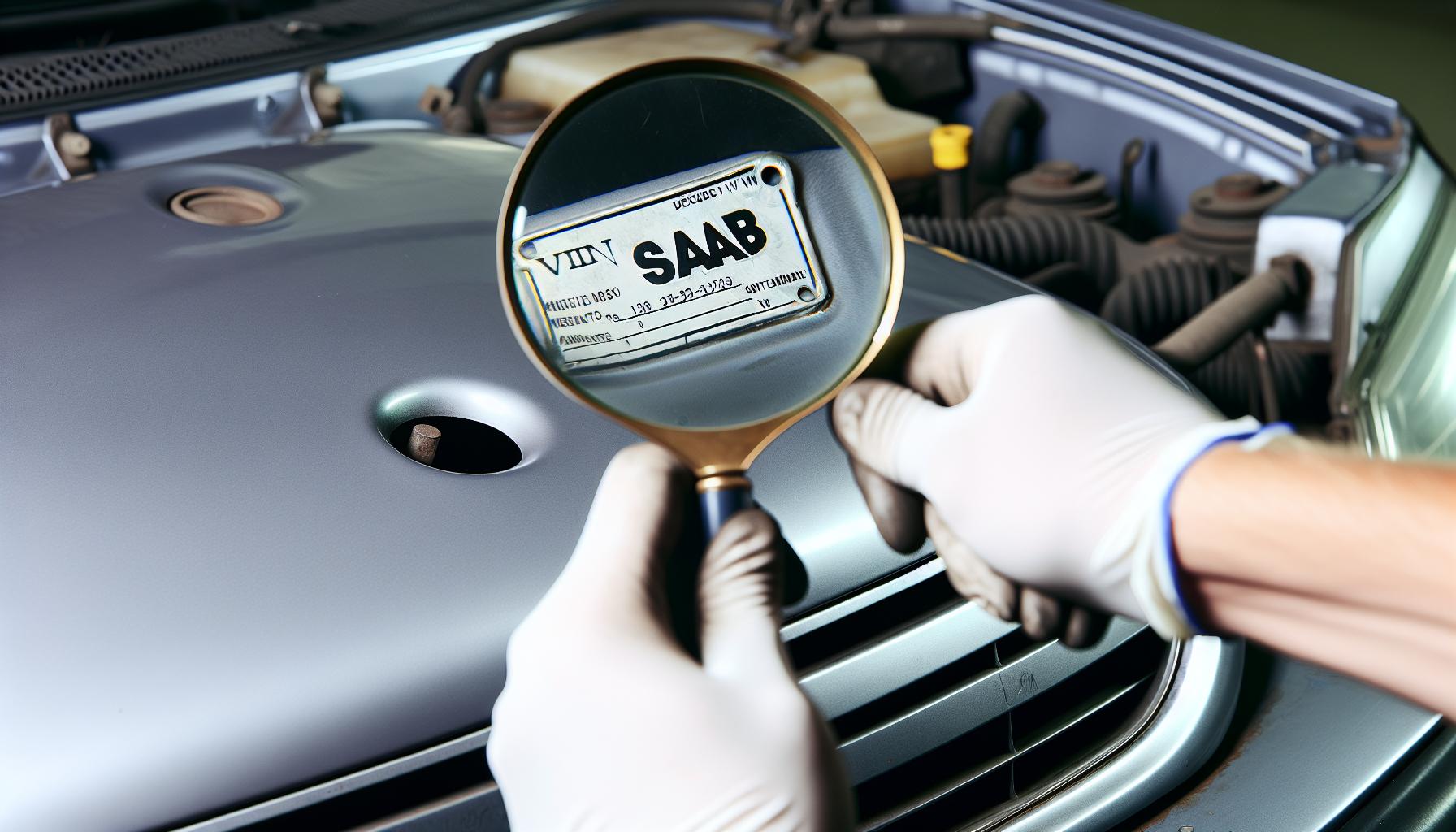
To truly appreciate the nuances of your Saab, understanding what lies behind its Vehicle Identification Number (VIN) is essential. Each VIN is a carefully structured sequence of 17 characters that encapsulates a wealth of information about the vehicle. From the moment the car leaves the assembly line, this alphanumeric code serves multiple purposes beyond mere identification – it conveys details about the car’s make, model, year of manufacture, engine specifications, and even its country of origin. For Saab owners, decoding this data can unlock secrets about specific features and potential historical recalls tied to the vehicle.
Utilizing online tools designed specifically for decoding Saab VINs simplifies this process immensely. Websites such as SaabVIN.com and Saabscene allow users to enter their VIN and receive comprehensive reports. These reports might include crucial vehicle information such as manufacturing details, trim levels, and any factory-installed options. For example, knowing whether your Saab is equipped with certain safety features or entertainment systems could help you when considering upgrades or maintenance choices.
While decoding a VIN might seem intimidating at first, breaking it down into manageable parts reveals its structure clearly. The first three characters represent the World Manufacturer Identifier (WMI), reflecting the brand and country of manufacture. Characters four through eight provide unique details regarding the vehicle’s model, body style, and engine type. The ninth character serves as a check digit to validate the VIN, ensuring accuracy in registration processes. The final sections detail the model year and the assembly plant where the vehicle was made, providing a timeline for its production.
In short, accessing and decoding your Saab’s VIN is not just a task for automotive experts; it is an empowering act for any owner. By leveraging online VIN decoding tools, you can unlock vital details that enhance your understanding of your vehicle’s history and attributes, making informed decisions for both maintenance and potential resale. This deeper knowledge fosters a stronger connection to your Saab and ensures you stay ahead in your vehicle’s care and upkeep.
Unraveling the History of Your Saab Vehicle
The story of your Saab is embedded within its Vehicle Identification Number (VIN), a unique code that encapsulates the vehicle’s history. This alphanumeric string is not just a random assortment of characters; it reveals critical details about when and where the vehicle was manufactured, its specifications, and any alterations made during its production. By engaging with online VIN decoders, you can unlock this treasure trove of information, gaining insight into the specific features, engine type, and even the assembly plant associated with your vehicle.
To start unraveling the history of your Saab, you can use reliable VIN decoding tools such as those found at SaabVIN.com or Saabscene. Simply input your VIN into the provided field, and the tool will generate a detailed report that may include manufacturing records, trim levels, and factory options. This report can illuminate aspects of your Saab’s history that you might not have been aware of, such as whether it was part of a limited production run or equipped with special factory options that enhance its value and performance.
With the knowledge gleaned from a VIN check, you’re not only equipped to make informed decisions regarding maintenance and upgrades, but you also enhance your understanding of your vehicle’s value within the automotive market. For instance, if your vehicle is equipped with unique features or rare options, this could influence its resale value significantly. Additionally, knowing your vehicle’s service history, which may be linked to recalls or maintenance recommendations, is invaluable for ensuring that your Saab remains reliable on the road.
In essence, decoding your Saab’s VIN is a gateway to understanding its past, present, and future. It empowers you as an owner to make choices that enhance your driving experience and protect your investment. Whether you’re preparing for a sale or simply looking to appreciate your vehicle better, the information from a VIN can be both enlightening and instrumental in your vehicle ownership journey.
The Importance of VIN in Vehicle Transactions

The Vehicle Identification Number (VIN) is often regarded as the DNA of an automobile, providing an unbreakable link between the vehicle and its history. For Saab owners and buyers, this unique code becomes crucial not only for tracking a vehicle’s specifications but also for navigating the complexities of vehicle transactions. A valid and complete VIN can reveal a treasure trove of information about the vehicle-including its manufacturer, model year, place of production, and even specific features-that can greatly impact its resale value and desirability.
Utilizing a Saab VIN decoder can streamline the purchasing process. When considering a used Saab, obtaining the VIN allows potential buyers to uncover essential details that may not be disclosed by the seller. For instance, a decoded VIN can clarify whether the vehicle was part of a recall or if any significant modifications have been made that could affect performance or safety. Buyers can also check for reported accidents, service records, and ownership history, which provides a fuller picture and can sometimes reveal red flags before a purchase is made. This transparency is invaluable, giving buyers the confidence to make informed decisions in their transactions.
In addition to aiding buyers, the VIN serves as a critical component for sellers looking to enhance the value of their vehicle. Presenting a clear report from a VIN decoder can substantiate a car’s value by demonstrating its well-documented history and condition. Additionally, for Saab enthusiasts, recognizing options like limited-edition status or unique performance packages detailed in the VIN can justify a higher asking price, appealing directly to collectors or those seeking rarer models.
Ultimately, the importance of the VIN in vehicle transactions cannot be overstated. For Saab owners, leveraging this unique identifier empowers them with knowledge and transparency. By taking the time to decode the VIN, both buyers and sellers can navigate the automotive marketplace with greater assurance, ensuring they understand the true value and history behind their vehicles.
Common Misconceptions About Saab VINs
Many Saab enthusiasts and potential buyers are unaware of the myths that surround Vehicle Identification Numbers (VINs). One of the most common misconceptions is that all VINs are created equal and can be decoded in the same way. In reality, Saab VINs have unique characteristics that can vary significantly by model year and type, which means that understanding a specific format is crucial for accurate decoding. For instance, a 2000 Saab 9-3 VIN might start with a specific character denoting its engine type, while a different model year could employ variations that reflect design changes or regulatory updates.
Another prevalent myth is that a VIN can only indicate a vehicle’s general information, such as make and model. However, a well-decoded Saab VIN can reveal detailed production data, including engine specifications, assembly plant, and even factory options. For example, if you discover a discrepancy between the VIN on the car and documentation that claims it has certain performance upgrades, it might point to modifications that were not original to the vehicle. This can be crucial for buyers looking to ensure authenticity in collector models or limited editions.
It’s also important to clarify the belief that VINs are static once a vehicle is registered. In practice, VINs are sometimes associated with multiple vehicles due to errors in engine swaps or other modifications, particularly in older Saab models. Discussions in forums highlight instances where owners have found differing VINs associated with components, creating confusion and potentially leading to issues with ownership history or resale value. Thus, verifying a vehicle’s history through a reliable VIN decoder is essential.
To address these misconceptions, here’s a concise guide to check your Saab VIN:
- Locate your VIN: It is usually found on the driver’s side dashboard, near the windshield, or on the driver’s side door jamb.
- Input the VIN into a reputable VIN decoder specific to Saab models.
- Review the detailed report for insights into production details, recalls, and service history.
Understanding these nuances not only empowers potential buyers but also helps current owners maintain the integrity and value of their vehicles. By debunking these common myths, Saab enthusiasts are better equipped to navigate the world of vehicle history and make informed decisions.
Using VIN Decoders: A Step-by-Step Guide

To delve into the history of your Saab vehicle and ensure you’re making an informed decision, using a VIN decoder can be your best ally. A Vehicle Identification Number (VIN) holds a wealth of information about your car, but navigating its complexity can be daunting. In just a few steps, you can unlock details about your Saab’s specifications, production history, and potential issues, providing you with valuable insights.
First, locate your Saab’s VIN. This unique 17-character code can typically be found on the driver’s side dashboard near the windshield, on the driver’s side door jamb, or in some instances, on your vehicle’s registration documents. Once you’ve pinpointed the VIN, you’re ready to move on to the decoding process.
Next, you’ll want to choose a reputable VIN decoder. Several online platforms specialize in Saab VINs, offering detailed reports. Websites like those mentioned in the previous sections, such as VIN Audit and iSeeCars, allow you to input your VIN and access comprehensive data. Simply enter the 17-character VIN into the corresponding field of the decoder and hit the “Decode” button to retrieve your vehicle’s information.
After decoding, analyze the report carefully. Key details such as the car’s make and model, engine specifications, assembly location, and even service history can be unlocked. Some reports may also provide insights into any recalls pertinent to your vehicle, ensuring you remain informed about potential safety issues. This data is not just beneficial for understanding your car’s history; it can also be crucial for buyers to verify the legitimacy of a vehicle before making a purchase.
With these tools at your disposal, you can confidently navigate the complexities of your Saab’s VIN. Empowered with this knowledge, you are better equipped to make sound decisions regarding maintenance, purchasing, and overall ownership of your Saab vehicle.
Top Tools for Decoding Saab VINs
To effectively decode the intricacies of your Saab’s Vehicle Identification Number (VIN), there are several reliable tools that every owner should consider. These resources not only provide extensive vehicle information but also enhance your understanding of what your specific Saab has to offer. By using the right VIN decoder, you can reveal details about your car’s production, assembly location, and any safety recalls, ensuring you stay informed and make educated decisions.
One of the top choices for decoding Saab VINs is Vindecoderz. This platform offers an intuitive interface where you simply input your VIN and receive a detailed breakdown of your vehicle’s options and specifications. It’s particularly helpful for owners seeking to verify unique features and configurations that are specific to their model, which can be crucial when buying aftermarket parts or accessories.
Another excellent option is SaabVIN.com, which specializes in Saab vehicles. This site promises a comprehensive analysis of your VIN, presenting essential information such as the make, model year, engine type, and more. Additionally, users can find insights into potential manufacturing defects or recalls, which can significantly enhance the safety and reliability of their vehicle.
In the realm of community-driven resources, Saab Forums offers a valuable tool for both enthusiasts and owners. By utilizing the VIN decoder available on this platform, you can tap into a wealth of shared knowledge from other Saab lovers. This aspect of engagement not only aids in decoding VINs but also fosters a sense of community among Saab enthusiasts, allowing them to share experiences and advice geared towards maintaining their vehicles.
Regardless of the tool you choose, always ensure that the decoder is reputable and offers comprehensive data. Armed with the right decoder, you are not just unlocking the codes of your Saab; you are paving the way for informed decisions regarding repairs, upgrades, and purchases, all while gaining insights into the unique journey your vehicle has undertaken.
Tracking Saab Recalls and Service History
Being aware of your vehicle’s recall history and service records is crucial for maintaining safety and performance, especially for Saab owners. A simple yet powerful tool for accessing this vital information is your vehicle’s VIN. The VIN offers a unique code that reveals a wealth of data about your Saab, including any recalls that may have affected it throughout its life.
To track recalls associated with your vehicle, you can use various online VIN decoders, such as those found on SaabVIN.com or VinAudit. These platforms allow you to enter your VIN and check for any outstanding recalls or safety issues specific to your car model. Recall data is particularly important, as it ensures that you can address any safety defects the manufacturer has identified, enhancing both your driving experience and overall safety. It’s worth noting that manufacturers are required to notify vehicle owners about recalls, but proactively checking your VIN can provide peace of mind.
Beyond recalls, tracking service history through your VIN is also invaluable. Many service centers and dealerships keep detailed records attached to your VIN, which can often be accessed online. This history can reveal past maintenance work done on your vehicle, previous ownership details, and significant repairs. Understanding your Saab’s service history allows you to make informed decisions about future maintenance, ensuring that it’s kept in optimal condition. If you are considering purchasing a used Saab, requesting this history before the transaction can be a decisive factor; it can inform you of any red flags or necessary repairs.
In summary, using your Saab’s VIN to track recalls and service history not only protects your investment but also prioritizes your safety. By leveraging the power of available online tools, you obtain transparency regarding your vehicle’s background, enabling you to make well-informed decisions on maintenance, repairs, and potential upgrades for your beloved Saab.
Exploring Ownership and Service Records via VIN
Understanding the ownership and service records tied to your Saab’s VIN can uncover vital insights that enhance your ownership experience. Every vehicle comes with its own unique history, and the Vehicle Identification Number (VIN) serves as the key to unlocking that narrative. By accessing this information, you gain clarity on previous owners, maintenance history, and any significant repairs or modifications that can affect your decision-making regarding the vehicle.
To access these ownership and service records, start by locating your Saab’s VIN. This 17-character code is typically found on the lower driver’s side of the windshield or inside the driver’s side door frame. Once you have your VIN, you can use online resources like [SaabVIN.com](http://saabvin.com/) or [VinAudit](https://www.vinaudit.com/vin-decoder/saab) to decode it and reveal a wealth of historical data. These platforms provide detailed reports that often include information about past service appointments, major repairs, and any recalls that have been issued for your specific model.
What Can You Learn?
Utilizing your Saab’s VIN can unveil several important elements:
- Service Records: See when and where services were performed, including oil changes, brake replacements, and more intricate repairs.
- Ownership History: Discover how many previous owners the vehicle had, which can inform you about its maintenance and care.
- Accident Reports: Access any report of significant collisions or damage that may have affected the vehicle’s integrity.
- Recall Information: Confirm if all necessary recall repairs were performed, ensuring your Saab’s safety compliance.
Understanding these aspects not only helps in maintaining the vehicle but also protects your investment, especially if you’re considering purchasing a used Saab. Knowing the full history can highlight any potential issues to address before finalizing the deal. This empowers buyers to make informed decisions and negotiate effectively.
In short, tapping into your Saab’s VIN unlocks crucial service and ownership details that enhance transparency and trust in your vehicle’s history. It transforms a simple car purchase or ownership into a well-informed journey, ultimately contributing to a better driving experience.
Tips for Verifying Authentic Saab Information
Verifying the authenticity of your Saab’s information can save you from potential pitfalls and enhance your ownership experience. One of the most important tools at your disposal is the Vehicle Identification Number (VIN). This unique 17-character code not only identifies your car but also serves as a gateway to uncovering critical details about its history. Without careful examination, you may miss essential aspects like previous accidents or unreported modifications that could affect the vehicle’s value and reliability.
To ensure the information you access is accurate and trustworthy, start by obtaining your Saab’s VIN. You can find this number on the lower corner of your windshield or inside the driver’s side door frame. Once you have it, use reputable VIN decoding websites such as Saabscene or Vindecoderz. These platforms often provide comprehensive reports that detail the vehicle’s manufacturing history, factory options, and even any recalls associated with the model. Always cross-check the provided information with multiple sources to ensure consistency.
It’s also advisable to connect with Saab-specific forums and communities. Enthusiasts often share experiences related to the authenticity of VIN data and how to interpret results effectively. Engaging with fellow Saab owners can help you understand the nuances of your specific model and any common issues that may not be reflected in standard reports. You might even uncover personal accounts of similar vehicles, shedding light on potential quirks and characteristics that factory information might overlook.
Finally, always verify any essential documents associated with your vehicle, such as the title and registration. Match the VIN on these documents with the one you located on the vehicle itself and the data retrieved from databases. Discrepancies could indicate potential fraud or administrative errors worth investigating. By taking these steps, you not only safeguard yourself against unforeseen issues but also deepen your understanding of your Saab’s true heritage.
What to Do If Your VIN is Incomplete or Damaged
If you find yourself with an incomplete or damaged VIN on your Saab, don’t panic. This situation, while concerning, is manageable with the right approach. The first step is to locate other places where the VIN might be imprinted or tagged on your vehicle. Besides the common locations-like the dashboard near the windshield and the driver’s side door jamb-Saabs typically have the VIN also stamped in less visible areas, such as the engine block or on the frame, especially for older models. Make sure to check the owner’s manual for your specific model, as it often includes additional locations to look for the VIN.
In cases where physical damage prevents the VIN from being read or if you suspect it to be incomplete, your next step is to contact a Saab dealership or a trusted mechanic. They have the tools and resources to help you recover your VIN from the vehicle’s electronic systems or service records. Often, dealerships can look up past service history using other identifying information linked to your vehicle, such as the license plate number or last owner’s details. This can provide a pathway to reconstructing the missing pieces of your VIN history.
In addition to dealership assistance, utilizing VIN decoder tools can be beneficial. Websites like MySaab.info offer resources that allow you to input partial identifiers to pull up potential matches or relevant records that could formally tie back to your vehicle’s history. However, it’s crucial to remember that these platforms depend on the integrity of the information available in their databases, so they may not always provide complete results.
Lastly, if all else fails, consider reaching out to your local vehicle registration authority. They may assist you in obtaining a new VIN or provide guidance on how to proceed if your original VIN is irretrievable. Having an accurate VIN is vital, not just for potential ownership disputes but also for ensuring that all records, recalls, and service histories can be correctly traced back to your Saab, preserving its integrity in the eyes of future buyers and service providers alike.
FAQ
Q: What is a Saab VIN decoder and how does it work?
A: A Saab VIN decoder is a tool that translates the Vehicle Identification Number (VIN) into readable information about the vehicle’s specifications, history, and ownership. By inputting your VIN, you can uncover details such as manufacturing date, engine type, and recall information, offering insights into the car’s background and maintenance history.
Q: Where can I find my Saab’s VIN?
A: You can locate your Saab’s VIN in several places: on the driver’s side dashboard near the windshield, on the driver’s door frame, and within the engine compartment. This information is crucial for using a VIN decoder effectively and verifying your vehicle’s identity.
Q: Why is decoding my Saab’s VIN important?
A: Decoding your Saab’s VIN is essential because it provides critical data about the vehicle’s origin, history, and specifications. This helps in assessing its value, ensuring its authenticity, and identifying any potential issues or recalls, which is vital for informed purchasing or ownership decisions.
Q: Can I access my Saab vehicle history using the VIN?
A: Yes, you can access your Saab’s vehicle history using the VIN through various online services and databases. These resources offer insights into past ownership, service records, and history of accidents, enhancing your understanding of the vehicle’s background.
Q: What should I do if my Saab VIN is damaged or unreadable?
A: If your Saab VIN is damaged or unreadable, check other locations where the VIN might be stamped, such as the engine compartment or on paperwork like the title or insurance documents. If necessary, you can contact your local Saab dealer for assistance in reconstructing the VIN.
Q: Are there specific tools recommended for decoding Saab VINs?
A: Recommended tools for decoding Saab VINs include dedicated online VIN decoder websites and mobile apps designed specifically for Saab vehicles. These tools can provide detailed insights and are user-friendly, allowing owners to easily check their vehicle’s information.
Q: How often should I check my Saab’s VIN for updates?
A: It’s advisable to check your Saab’s VIN regularly, especially before purchasing used vehicles or after significant repairs. Regular checks can help you stay informed about any recalls or service updates that could affect your vehicle’s safety and performance.
Q: What information can I obtain from my Saab’s VIN regarding recalls?
A: Your Saab’s VIN provides access to specific recall information directly linked to your vehicle. This includes details about recall dates, affected components, and any actions taken to fix issues, ensuring you’re always informed about your vehicle’s safety status.
Wrapping Up
Uncovering the hidden history of your Saab vehicle is just a click away. With our state-of-the-art Saab VIN Decoder, you can instantly access essential data about your car’s specifications, ownership history, and much more. Don’t wait-understanding your vehicle’s past not only enhances your ownership experience but also assures you of its value. Ready to dive deeper? Explore our guides on maintaining your Saab or check our tips on how to avoid common pitfalls when buying used vehicles.
Make the most out of your car ownership journey by utilizing our comprehensive resources. If you have questions or want to share your findings, drop a comment below or connect with our community on social media. For the latest insights, consider signing up for our newsletter. Your Saab’s story awaits-decode it today and empower your driving experience!