
Did you know that your vehicle’s VIN, or Vehicle Identification Number, is like a fingerprint for cars? If you own a Ford, this 17-character code holds the key to unlocking vital insights about your vehicle, from its manufacturing history to essential specifications. Knowing how to decode your Ford’s VIN can empower you as a car owner, helping you make informed decisions about repairs, maintenance, and even potential recalls. By accessing the Ford ETIS (Electronic Technical Information System), you can uncover a treasure trove of information tailored to your vehicle’s unique profile. Whether you’re looking to verify a used car’s history before a purchase or seeking details to inform a service appointment, understanding your Ford’s VIN is crucial. In this guide, we’ll walk you through the process of decoding your VIN and exploring its hidden secrets, ensuring you are equipped with the knowledge to enhance your ownership experience. Keep reading to discover how to navigate through this valuable information with ease!
Understanding the Ford VIN: What It Reveals About Your Vehicle
Understanding your Ford’s Vehicle Identification Number (VIN) can unveil a wealth of information about your vehicle. The VIN is more than just a series of numbers and letters; it serves as your car’s fingerprint, providing crucial insights into its history, manufacturing details, and specifications. Each VIN is unique and consists of 17 characters, which can reveal the make and model, where it was manufactured, the year of production, and even details about the engine and transmission.
When you decode a Ford VIN, you can expect to uncover essential information such as the factory it was built in, the body style, the engine type, and the safety features installed. For example, the first character represents the country of manufacture, while the next few characters identify the manufacturer and the vehicle attributes. The tenth character specifically indicates the model year, making it easy to verify if the vehicle is as described by the seller. Understanding these details is particularly useful when considering a used Ford, as it helps ensure that you’re getting the exact model and specifications you’re paying for.
To locate your Ford’s VIN, check common spots such as the dashboard near the windshield, the driver’s side door jamb, or on the vehicle’s title and registration documents. Familiarizing yourself with the VIN’s location is crucial, especially if you’re in the market for a used vehicle. With access to a VIN decoder or specialized platforms, owners can explore not only the basic details but also any manufacturer recalls or available safety ratings, giving them a fuller picture of the vehicle’s background and condition.
In an age where transparency matters, the relevance of the VIN should not be underestimated. It facilitates informed decisions for buyers and owners alike, ensuring that purchases are based on accurate and comprehensive vehicle data. Utilizing tools like VIN decoders can unlock your Ford’s secrets and empower you with knowledge that enhances your ownership experience.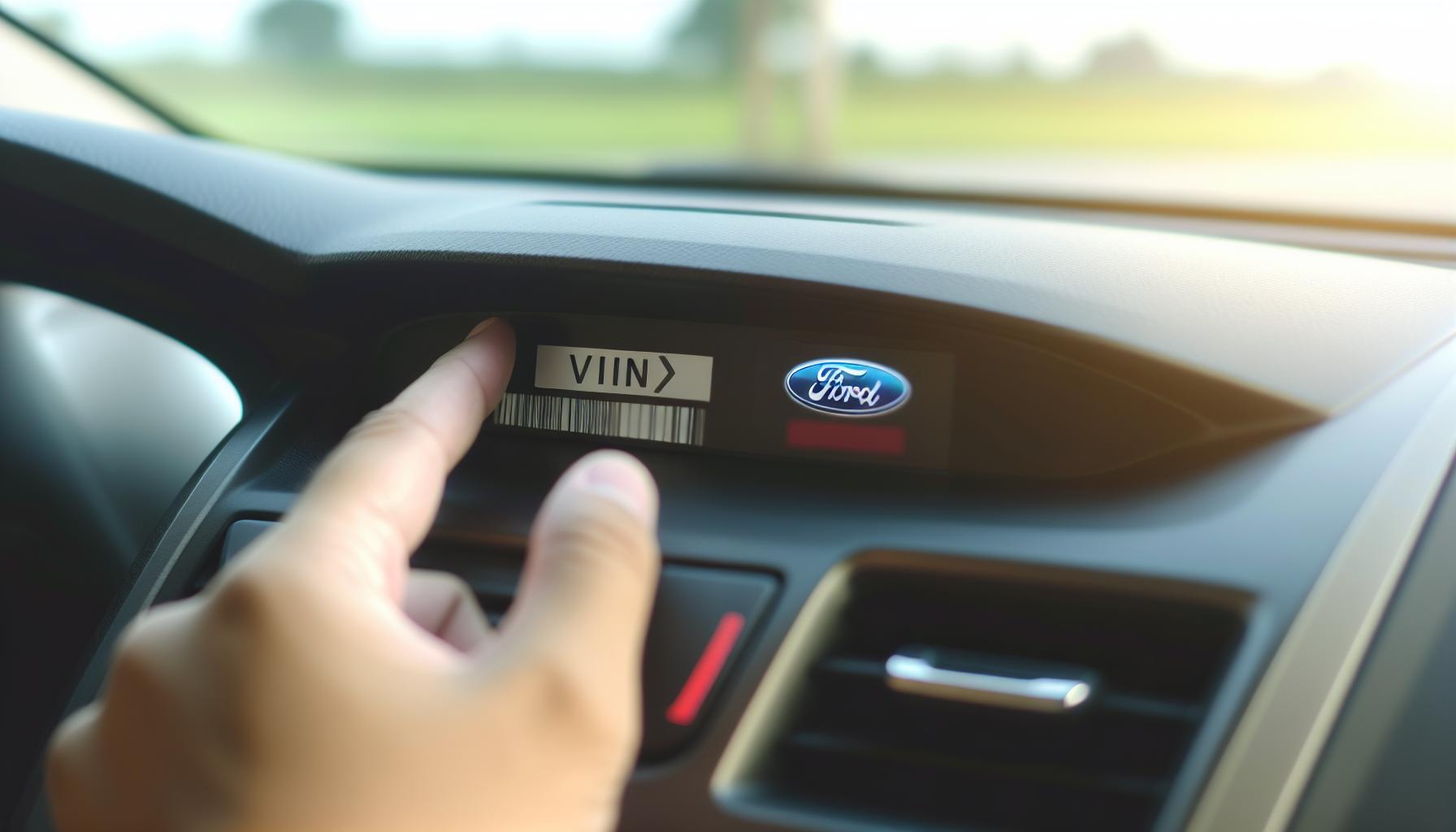
How to Locate Your Ford’s VIN: A Step-by-Step Guide
Locating your Ford’s Vehicle Identification Number (VIN) is an essential step for any owner or prospective buyer. This 17-character code is unique to each vehicle and provides vital information about its manufacturing details, specifications, and accident history. Knowing where to find your VIN not only helps in decoding its messages but also aids in accessing important resources such as vehicle history reports and recall information.
Start by examining the dashboard on the driver’s side of your vehicle, particularly where the windshield meets the dashboard; this is often the most visible spot. You can typically see the VIN by looking through the windshield from outside the car. Next, check the driver’s side door jamb. Open the door and look at the label attached to the frame; it usually contains the VIN prominently displayed. Additionally, if you have access to the vehicle’s title, registration documents, or insurance paperwork, the VIN will be printed there as well.
For a complete understanding, familiarize yourself with additional locations where the VIN can be found. It can sometimes be located on a metal plate under the hood or on the engine block itself. Knowing multiple locations for the VIN can be particularly beneficial if you’re examining a used vehicle, where some areas may be more likely to show wear or concealment. Always ensure you write down the VIN accurately, as a single incorrect character can lead to significant confusion down the line when using VIN decoding tools or checking vehicle history.
To decode the VIN and discover details about your Ford, use dedicated VIN decoder tools available online. Websites such as More Power Tuning or VIN Decoderz allow you to input the VIN for in-depth information on your vehicle, including specifications, options, and recalls. By doing so, you’ll unlock crucial insights that enhance your understanding and ownership experience.
The Power of ETIS: Accessing Your Vehicle’s History
Accessing your vehicle’s history has never been more vital for Ford owners, especially in a market where transparency is paramount. With a unique 17-character VIN, you hold the key to a wealth of information about your vehicle’s past, including its specifications, build details, and even service history. One powerful tool for tapping into this information was the Ford ETIS (Electronic Technical Information System), which provided extensive data on vehicles associated with a VIN. Unfortunately, ETIS has been discontinued, leaving many owners and enthusiasts searching for alternatives to access vehicle history.
Despite ETIS’s decommissioning, understanding what it offered can help us appreciate the importance of these data sources. ETIS allowed users-particularly technicians and automotive professionals-to verify details about a vehicle’s origin and factory specifications. It also provided insight into service records, warranty details, and recall status, which are crucial for ensuring customer safety and satisfaction. Even though ETIS is no longer available, researching your vehicle’s history through other methods remains essential.
As a Ford owner, you can still unlock vital information by leveraging online VIN decoders. These tools allow you to enter your VIN and receive detailed reports on your vehicle’s specifications, including options and factory-installed features. Websites like More Power Tuning and VIN Decoderz are excellent resources for obtaining this information. While these decoders may not provide the exhaustive history that ETIS once did, they can still help you understand your vehicle’s past, permitting informed decisions about maintenance or potential purchases. This shift emphasizes the need to remain proactive in understanding and leveraging vehicle data for ownership best practices.
Unlocking Hidden Features: Optional Equipment Explained
Understanding the optional features available in your Ford vehicle can significantly enhance your driving experience and optimize your vehicle’s performance. Every Ford car, truck, or SUV comes with a unique VIN that encodes a wealth of information, including details about optional equipment installed at the factory. By decoding your VIN, you can uncover features that may not be immediately apparent, giving you insights into what your vehicle can do and how you can make the most of it.
Optional equipment can cover a range of features, from advanced safety technologies and infotainment systems to performance enhancements and aesthetic upgrades. For example, your VIN might reveal whether your vehicle is equipped with features like adaptive cruise control, lane-keeping assist, a premium sound system, or even specialized towing packages. Understanding these options can help you appreciate the full capabilities of your Ford and assist in making informed decisions about upgrades or when considering resale value. It can be particularly beneficial if you’re shopping for a used Ford; knowing whether a specific vehicle has desirable options can influence your buying decision significantly.
To access this information, online VIN decoders are invaluable tools. By simply entering your vehicle identification number into a trusted decoder, you can generate a report detailing all the factory-installed optional equipment. For instance, sites like VIN Decoderz and More Power Tuning not only decode the VIN but also provide practical insights on each option listed.
Knowing your vehicle’s optional features doesn’t just enhance your ownership experience; it also empowers you to better communicate with mechanics, buyers, or potential sellers. Whether tackling maintenance, making upgrades, or negotiating a sale, being informed about your vehicle’s specifications enables more effective discussions. As you explore the depths of your Ford’s capabilities through its VIN, you unlock a myriad of options that can truly elevate your ownership experience.
Decoding Common VIN Misconceptions: What You Need to Know
Many car owners harbor misconceptions about their vehicle’s VIN, often due to a lack of awareness regarding its significance. One common misunderstanding is the belief that a VIN serves merely as an identification tag. In reality, a VIN is a powerful tool that encodes critical information about your vehicle, including its make, model, manufacturing year, and specific features. This seemingly cryptic 17-character code acts as a unique fingerprint for your vehicle, providing insight not just into what it is, but also into what it can do.
Another prevalent myth involves the idea that a VIN can only be used for registration purposes. While it’s true that the VIN is essential for vehicle registration, its applications extend far beyond that. For potential buyers, the VIN can reveal a vehicle’s history, including past ownership records and any accidents it has been involved in. Websites and services offer VIN decoding which can shed light on factory-installed equipment and optional features, allowing owners to better understand what their vehicle offers. This information can be vital when considering a purchase or resale, emphasizing the VIN’s role as a key to unlocking a vehicle’s full narrative.
Many owners are also unaware that decoding their VIN can clarify common misconceptions regarding safety features and recalls. With a simple input into a VIN decoder tool, you can access essential safety information, including whether your vehicle has been impacted by any safety recalls. This is particularly important, as neglecting to check recall status can directly affect vehicle safety. By staying informed, you can ensure that your Ford remains compliant with safety standards and that you are benefiting from any updates or repairs that may be necessary.
Ultimately, dispelling these common VIN misconceptions empowers owners to take charge of their vehicle knowledge. Whether you’re a current owner wanting to maximize your driving experience or a prospective buyer looking to make an informed decision, understanding the wealth of information encoded in your VIN is crucial. Don’t shy away from utilizing VIN decoders, as they are your gateway to unlocking the mysteries of your Ford and ensuring your vehicle’s optimal performance and safety.
Using VIN Decoders: Choosing the Right Tools and Resources
When it comes to understanding your Ford’s vehicle identification number (VIN), the right tools and resources can make all the difference. A VIN is not just a string of numbers and letters; it’s a treasure trove of information about your vehicle’s history, specifications, and even its safety recalls. By choosing effective VIN decoder tools, you can unlock this information with ease. Here are some practical tips and trustworthy resources that will guide you through the process.
First, consider what you want to learn from your VIN. Are you looking for basic specifications, service history, or detailed recall information? Depending on your needs, the tools you choose might vary. Some of the most reliable online VIN decoders include services like Carfax, AutoCheck, and the NHTSA’s own VIN database. Each of these platforms has distinct features: for example, Carfax provides comprehensive vehicle history reports that detail previous ownership, accident history, and service records, while the NHTSA site focuses on safety-related information, including recall notices.
When selecting a VIN decoder, remember to look for those that offer free or low-cost options for basic searches. This way, you can get an overview diagnostic without a significant financial commitment. If you often need in-depth information, subscribing to a more detailed service might be worthwhile. Don’t forget to keep your Ford’s original documentation handy, as it can provide context for the data retrieved through these decoders.
Furthermore, ensure that the tool you choose supports comprehensive decoding specific to your vehicle brand, especially if you have a late-model Ford. The move away from ETIS, which many used for accessing build information and history, means that alternatives should have robust databases that are regularly updated. With the right VIN decoder, not only will you be able to uncover your vehicle’s specifications and history, but you’ll also stay informed about any safety recalls, helping you ensure your vehicle is compliant and safe for the road.
By utilizing these resources effectively, you’ll be empowered to make informed decisions about purchasing or maintaining your Ford vehicle. Understanding your VIN and knowing how to decode it is an essential skill for every car owner, making your vehicle ownership experience more transparent and reliable.
The Importance of VIN in Vehicle Safety and Recall Information
Understanding your vehicle’s VIN is crucial for ensuring your safety on the road. A Vehicle Identification Number (VIN) is more than just a series of characters; it provides essential information about your vehicle’s history, including any past safety recalls. Each Ford VIN contains specific data that manufacturers and regulatory agencies use to track vehicles and their safety records. This connection can alert you to recall notifications that may affect your vehicle and keep you informed about any required repairs or updates that ensure your car remains safe.
To check for safety recalls, you can utilize various resources that decode your VIN. The National Highway Traffic Safety Administration (NHTSA) offers a simple online tool where you can input your VIN and quickly view any outstanding recalls for your Ford. This process is straightforward and typically involves just a few clicks. Additionally, many Ford dealerships also provide recall information linked to your VIN, ensuring you have access to the most current safety updates directly from the manufacturer.
Why is this information vital? Ignoring recall notices could expose you to safety risks. For example, if a particular model has a defect that could lead to engine failure, a recall will prompt you to bring your vehicle in for a free fix. Manufacturers like Ford are required to notify vehicle owners of recalls, but they may not always reach everyone. By regularly checking your VIN against recall databases, you’re taking proactive steps to safeguard not only yourself but also your passengers and other road users.
In summary, understanding the importance of your VIN in relation to safety recalls cannot be overstated. Regular checks empower you to stay informed and ensure your vehicle’s compliance with safety standards, ultimately fostering a secure driving environment. By being vigilant about recall information and using the right tools, such as Ford’s VIN decoder and NHTSA resources, you can take full advantage of the data your VIN provides to protect yourself and your investment.
What to Do with Your VIN: Practical Applications for Buyers and Owners
Knowing your Ford’s VIN unlocks a treasure trove of information that can enhance your ownership experience and protect your investment. This unique identifier is your passport to understanding everything from your vehicle’s history to specific features, and it can be invaluable for both current owners and prospective buyers. With just a few steps, you can turn this string of characters into insights that can guide your maintenance decisions, recall checks, and even your future vehicle purchases.
One of the most practical uses of your VIN is checking for any recall information. By visiting official databases like the National Highway Traffic Safety Administration (NHTSA) site or your local Ford dealership’s website, you can enter your VIN and quickly find out if there are any outstanding recalls associated with your vehicle. This is crucial because it helps you ensure that your vehicle is safe to drive. For example, if a recall has been issued for a safety issue on your model, acting on this information promptly can mean the difference between a minor inconvenience and a major safety hazard.
Beyond recalls, your VIN can also help you unlock optional features and specifications of your vehicle. By using Ford’s dedicated VIN decoder or other online resources, you can discover important information such as the original factory options, engine specs, and trim levels. This is particularly useful when considering resale or trade-in, as understanding the value of your unique configuration can help you negotiate better. Additionally, if you’re an enthusiast, knowing your car’s original specifications can assist with restoration projects or custom upgrades.
Furthermore, keeping a record of your VIN and related documents can simplify routine maintenance. For instance, when you take your car in for service, providing your VIN can help the mechanic quickly access your vehicle’s history, service records, and any specific needs your model may have. This level of transparency not only aids in maintaining your vehicle’s performance but also enhances trust between you and service professionals, ensuring you get the best care possible.
In summary, leveraging your Ford’s VIN offers numerous practical applications that serve both current owners and potential buyers. From ensuring safety through recall checks to enhancing the resale value by understanding your vehicle’s features, your VIN is a powerful tool in smart car ownership. By embracing what your VIN can reveal, you enable yourself to make informed decisions that elevate your driving experience.
The Future of VIN Decoding: Trends and Technology Advances
Advancements in technology are transforming how we interpret and utilize Vehicle Identification Numbers (VINs), particularly for Ford owners. The future of VIN decoding is becoming more sophisticated and accessible, allowing both casual drivers and automotive enthusiasts to unlock a wealth of information about their vehicles. One significant trend is the integration of VIN decoders with mobile apps and online platforms, which facilitate real-time access to vehicle histories, specifications, and even manufacturer recalls directly from your smartphone or computer.
As VIN decoding evolves, the role of platforms like Ford’s Electronic Technical Information System (ETIS) is increasingly vital. ETIS provides comprehensive vehicle details, including production information, warranty data, and maintenance specifications. With advancements in cloud computing and data analytics, users can expect even more personalized insights. For example, potential owners can check a vehicle’s complete service history through its VIN, allowing for more informed purchasing decisions. This kind of detailed transparency is set to become the norm rather than the exception, reinforcing the importance of VINs in the car-buying process.
Another exciting development is the potential for blockchain technology to enhance vehicle data security and integrity. By storing VIN-related information on a blockchain, manufacturers could ensure that vehicle histories are tamper-proof and verifiable. This would not only mitigate fraud but also provide owners with a trustworthy record of their vehicle’s history, including maintenance and repair details. As consumers become more aware of vehicle fraud and misrepresented histories, these innovations will play a crucial role in fostering trust throughout the automotive market.
In conclusion, the future of VIN decoding holds great promise for improving the vehicle ownership experience. As technology progresses, expect easier access to crucial vehicle data, enhanced security measures, and a richer understanding of your Ford’s features and history. By embracing these advancements, car owners can empower themselves with knowledge that enhances not only their driving experience but also the value of their automotive investments.
Troubleshooting VIN Issues: Common Problems and Solutions
When it comes to understanding your vehicle’s history and specifications, decoding your VIN can be straightforward, but there are common snags that can leave owners puzzled. One frequent issue is misreading the VIN itself. VINs are composed of 17 characters, each with specific meanings, and even a small error in transcription can yield incorrect results when using online decoders. Ensure that you are reading the VIN accurately, paying special attention to characters that can be easily confused, such as the number ‘0’ and the letter ‘O’, or ‘1’ and ‘I’. If you suspect an error, recheck the VIN in clear lighting to avoid any misinterpretations.
Another common problem arises when using online VIN decoding tools, where inconsistent results may stem from outdated databases. Not all VIN decoders are created equal, and some may not have the latest information. It’s essential to choose trusted platforms for interpretation. Many Ford owners find Ford Pro’s VIN decoder particularly reliable for obtaining up-to-date information regarding their vehicles’ specifications and history. Always cross-reference the results from multiple vin lookup tools to ensure accuracy, and do not hesitate to consult official Ford resources, such as ETIS, for the most comprehensive data.
In some cases, vehicle owners may face discrepancies in the information received about their vehicles. For instance, if the VIN indicates a different model year or type than what you own, this could point to a potential issue like title fraud or a simple clerical error. It’s crucial to resolve these discrepancies as soon as they are identified. Contacting your local Ford dealership or the manufacturer directly can provide guidance on correcting the records. They may require documentation like the vehicle’s title and proof of ownership to make necessary adjustments in their databases.
Finally, consider that some older vehicles may not have complete or accurate records available. If your Ford is a classic model, certain optional equipment or specifications may not be cataloged in modern systems. In such cases, joining community forums or groups for vintage Ford enthusiasts can yield personal insights and experiences that fill gaps in data. Engaging with others who share the same interests can lead to avenues of information not readily available through standard decoders.
By being aware of these common VIN-related issues and solutions, you can enhance your understanding and ensure you are accessing comprehensive, accurate details about your Ford vehicle.
DIY VIN Checks: Ensuring Accurate and Trusted Results
Knowing your vehicle’s VIN (Vehicle Identification Number) is more than just a regulatory requirement; it’s your gateway to a wealth of information about your Ford’s history, specifications, and even potential recalls. Conducting your own VIN check empowers you to ensure the accuracy of this critical data, which can significantly affect everything from resale value to insurance premiums. Fortunately, checking your VIN is straightforward if you arm yourself with the right tools and knowledge.
To perform a DIY VIN check effectively, start by locating the VIN on your vehicle. Common locations include the dashboard near the windshield, on the driver’s side door jamb, or inside the engine bay. Once you have the VIN, it’s essential to use reputable online VIN decoder tools. Ford Pro’s VIN decoder, for instance, is highly regarded for providing up-to-date information about your Ford’s specifications, original equipment, and history, including any recalls or safety issues. Similarly, platforms like More Power Tuning offer free services that cater specifically to Ford models, revealing vital specs such as engine type, trim levels, and manufacturing details. Be sure to cross-reference details with multiple resources to verify accuracy, particularly if you’re considering buying a used vehicle.
After decoding your VIN, check for any discrepancies in the information. A mismatch can indicate issues like title fraud or simple clerical mistakes. If you detect a problem, gathering supporting documents like the vehicle title and reaching out to a local Ford dealership or directly to Ford can help resolve the situation. They may offer additional insights or adjust records on their end, ensuring your vehicle’s information aligns correctly with manufacturer databases.
Finally, consider signing up for community forums or local clubs focused on Ford vehicles. Engaging with other enthusiasts can provide additional insights about your specific model, especially useful for vintage or classic automobiles that might not have complete digital records. Collectively, these resources create a robust foundation for understanding and verifying the details of your vehicle, allowing you to enjoy greater confidence in your Ford ownership experience.
FAQ
Q: What is a Ford VIN Decoder and how does it work?
A: A Ford VIN Decoder is a tool that translates the 17-character Vehicle Identification Number (VIN) into readable information about your Ford vehicle. It reveals critical details such as the model, year, engine type, and manufacturing location, helping you understand your vehicle’s specifications and history.
Q: How can I use ETIS with my Ford VIN?
A: To use ETIS (Electronic Technical Information System), enter your Ford’s VIN on the ETIS website. This system provides detailed service history, warranty status, and technical information specific to your vehicle, enabling you to access comprehensive data and manage vehicle maintenance efficiently.
Q: Why is the VIN important for my Ford vehicle?
A: The VIN is crucial as it uniquely identifies your vehicle. It contains essential information related to safety recalls, registration, and historical data. Knowing your VIN ensures you can check for important updates or issues regarding your Ford, enhancing vehicle safety and compliance.
Q: Where can I find the VIN on my Ford?
A: You can locate the VIN on the driver’s side dashboard, visible through the windshield, and on the driver’s side door jamb sticker. It’s also found on your vehicle registration and insurance documents, making it accessible for checking vehicle history and decoding features.
Q: Can a VIN reveal any hidden features in my Ford?
A: Yes, a VIN can uncover hidden features like optional equipment and packages installed at the factory. By decoding the VIN, you can identify enhancements that may not be listed on your vehicle’s surface, providing insight into its capabilities and configuration.
Q: Are there risks associated with using a VIN decoder?
A: While using a VIN decoder is generally safe, ensure you use reputable sources to avoid misinformation. Inaccurate data may lead to misunderstandings about vehicle history, so always cross-reference information with official Ford resources or your vehicle’s documentation.
Q: How do I troubleshoot common VIN issues?
A: To troubleshoot VIN issues, start by checking the vehicle documentation for discrepancies. If the VIN appears incorrectly on documents or vehicle parts, contact your local Ford dealership for assistance. They can guide the correction process to ensure all records match accurately.
Q: What technologies are improving VIN decoding in the future?
A: Future advancements in VIN decoding will likely incorporate AI and machine learning for more accurate historical data analysis and predictive maintenance insights. These technologies aim to provide deeper insights into vehicle performance and enhance user experience in vehicle management systems.
In Retrospect
Unlocking your Ford’s secrets through the VIN Decoder not only enhances your ownership experience but also empowers you with critical knowledge about your vehicle’s history and specifications. Now that you understand how simple it is to access detailed information via ETIS, it’s time to take action. Don’t wait-decode your VIN today and uncover the unique features of your Ford, ensuring you make informed decisions for maintenance and upgrades.
Looking for more? Explore our related guides on vehicle maintenance tips and troubleshooting common Ford issues to keep your ride running smoothly. Interested in the latest Ford models? Check out our comprehensive reviews and comparisons to find your next vehicle. Join our community by signing up for our newsletter-stay ahead with expert insights directly to your inbox. Take charge of your Ford ownership journey and experience the confidence that comes with understanding your vehicle inside and out!