
Did you know that your BMW’s Vehicle Identification Number (VIN) holds the key to unlocking comprehensive details about your vehicle’s history and specifications? Whether you’re considering a purchase, documenting maintenance, or simply satisfying your curiosity, understanding how to decode your BMW VIN is essential for every owner and enthusiast. This guide will walk you through the process of accessing BMW archive data directly through VIN decoders, empowering you with insights that can make all the difference in your ownership experience. From determining factory options to verifying service records, decoding your VIN will ensure you make informed decisions. So, let’s dive into the fascinating world of BMW archives and learn how you can harness this valuable information!
Understanding BMW VIN: What It Reveals About Your Vehicle
Understanding a BMW’s Vehicle Identification Number (VIN) is crucial for any owner or enthusiast. The VIN serves as a unique fingerprint for your vehicle, packed with codes that reveal everything from the model type and body style to engine specifications and place of manufacture. With a 17-character string, each section encodes a specific aspect of your BMW, allowing you to check its history, verify specifications, and even assess its value on the market. For instance, the first three characters denote the World Manufacturer Identifier, while the fourth through eighth characters detail the model, body type, and engine.
To make the most of your VIN, start by locating it. It’s typically found on the dashboard on the driver’s side (visible through the windshield) or inside the driver’s door jamb. This information is essential not only for access to your vehicle’s specifications but also for tasks such as insurance registration and establishing warranty claims. By entering your VIN into one of the many online decoders, you can unlock a treasure trove of information about your vehicle, including its original options, service history, and recalls.
Utilizing a reliable VIN decoder can significantly enhance your ownership experience. Tools like mdecoder.com provide detailed breakdowns of what your VIN reveals, ensuring you can distinguish genuine features from aftermarket modifications. This knowledge is not just beneficial for personal curiosity; it’s invaluable when considering resale or trade-in offers, as buyers often perform their own checks before committing. A well-documented VIN history can lead to a smoother transaction, providing confidence that the vehicle is as described and free from hidden issues.
How to Locate Your BMW VIN Easily
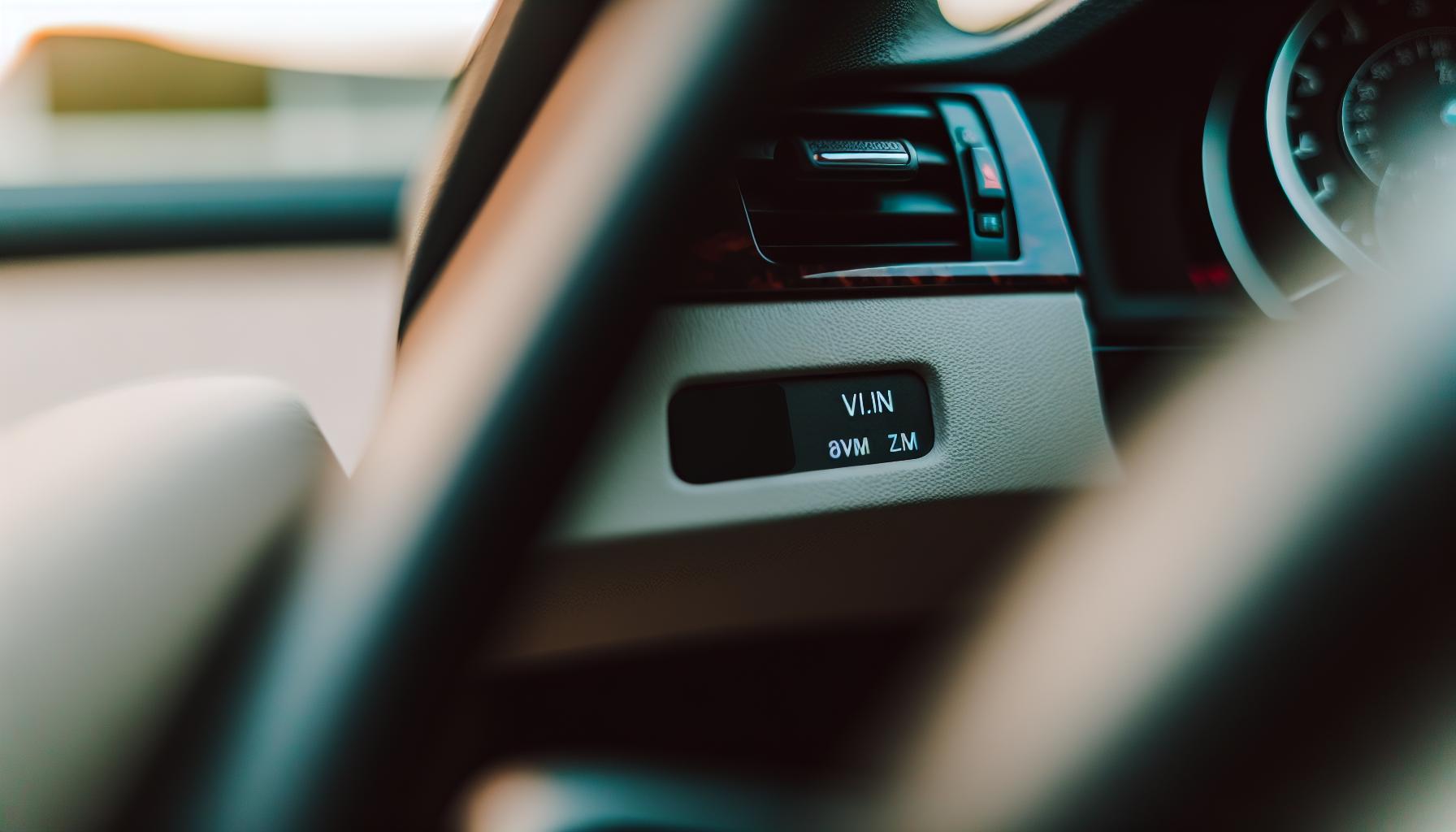
To navigate the intricacies of your BMW’s Vehicle Identification Number (VIN), it’s vital to know where to find this unique identifier. The VIN is more than just a series of numbers and letters; it encapsulates crucial information about your vehicle, including its origin, model details, and production specifications. Locating it correctly is your first step towards unlocking this wealth of automotive knowledge.
You can typically find your BMW VIN in several key locations. The most common spot is on the dashboard, specifically on the driver’s side, where it is easily visible through the windshield. This location is perfect for quick checks, especially if you’re in a parking lot or dealership. Another frequent place to look is inside the driver’s door jamb; you’ll often find a sticker or metal plate displaying the VIN right where the door latches when closed.
Additionally, the VIN is recorded in various official documents related to your vehicle, such as the title, registration, and insurance paperwork. If you have access to these documents, they can serve as an excellent backup for confirming the VIN from the physical locations mentioned above.
Once you’ve located your VIN, you can utilize it effectively with various online BMW VIN decoder tools. These tools will help you interpret the information encoded in your VIN, revealing details like engine specs, production date, and original options. Websites such as bimmer.work and vindecoderz.com are excellent resources for this, providing clear insights into your BMW’s features based solely on the VIN you provide. This decoding capability is essential not just for understanding your vehicle better, but also for ensuring that any information related to repairs or purchases is accurate and trustworthy.
Decoding Your BMW VIN: A Step-by-Step Guide

Decoding your BMW’s Vehicle Identification Number (VIN) is not just a useful exercise; it’s a gateway to understanding the unique features and history of your vehicle. Each VIN maintains a wealth of information that covers everything from the original engine type to the specific trim levels and options installed at the factory. To effectively decode this combination of digits and letters, follow these straightforward steps.
Start by locating your BMW’s VIN, which can typically be found on the dashboard near the driver’s side, clearly visible through the windshield. If you can’t find it there, check the driver’s door jamb for a sticker that includes this vital information. Once you have the VIN in hand-usually a 17-character string-access a reliable VIN decoder tool online. Some great options include bimmer.work and oemnavigations.com which allow for free lookups and provide detailed production specifications for BMW and Mini vehicles.
After you enter your VIN, the decoder will display crucial details about your vehicle, such as the model year, place of manufacture, engine specifications, and even factory-installed options. Most decoders also illustrate how these elements correspond to specific features and configurations, enhancing your understanding of your vehicle’s identity. For example, a decoded VIN could reveal that your BMW was equipped with a premium sound system, a sports package, or advanced safety features that you may not have been aware of.
Moreover, decoding your VIN is particularly useful when purchasing a used vehicle. It enables you to verify that the advertised features match your vehicle and ensures transparency regarding any previous accidents or recalls. This due diligence can protect you from unexpected issues and enhance your ownership experience. Taking the time to decode your BMW’s VIN empowers you with valuable information to make informed decisions about maintenance, upgrades, and even resale.
The Importance of BMW Archive Data Access

Accessing BMW archive data via your VIN is a key advantage for any BMW owner or enthusiast. This data not only traces the lineage of your vehicle but also provides invaluable insights into its original specifications and configurations. For instance, when you decode your VIN, you can discover the exact features your vehicle was equipped with when it left the factory, such as engine type, color codes, and any optional equipment. This historical context is especially beneficial for understanding the potential value and collectible aspects of your vehicle.
BMW’s archival resources capture critical information regarding production dates, warranty details, and service histories. This transparency is a boon for potential buyers of used vehicles, as it enables them to verify that the car meets the promised specifications. For example, if you purchased a used BMW and later found discrepancies in the claimed features, access to archive data could provide proof of what the vehicle originally included, bolstering your position in negotiations or enhancing your purchase confidence.
Furthermore, having access to detailed archive data can assist in identifying model-specific quirks, common issues, or recalls that might be pertinent to your BMW. This knowledge arms owners not only with a better understanding of their vehicles but also the power to make informed maintenance decisions. It allows you to stay ahead of potential problems through proactive servicing, using your vehicle’s history as a guide.
Incorporating BMW’s archival data into your ownership experience fosters a deeper connection with your car. It empowers you to know more than just how to drive it; you grasp the story behind it, which can enhance your appreciation for the engineering and craftsmanship involved. Whether you’re planning modifications, restoration, or simply looking to understand your vehicle better, direct access to this wealth of information is invaluable.
Top BMW VIN Decoder Tools to Use

Unlocking the potential of your BMW begins with one crucial element: the Vehicle Identification Number (VIN). This 17-character code is a powerful tool that provides a wealth of information about your vehicle, from its manufacturing year to its specific features. To maximize this knowledge, leveraging effective VIN decoder tools is essential. Here are some of the top options available for BMW enthusiasts and owners.
1. MDecoder
MDecoder is a user-friendly BMW VIN decoder that also offers extensive information on a variety of models. By simply entering your VIN, you can uncover detailed insights about your vehicle’s configuration, including factory options, color codes, and even equipment levels. This tool is particularly useful for those looking to verify the authenticity of a vehicle’s features when buying pre-owned models.
2. Bimmer.work
Another excellent option is Bimmer.work, known for its advanced capabilities in decoding not just BMW VINs but also those of MINI and Rolls-Royce vehicles. Users can enter their VIN on the site and receive detailed reports that include 3D visuals of their vehicle as it left the factory. This not only assists in understanding the original specifications but also enhances the buying experience for prospective BMW owners by confirming the vehicle’s exact features [[2]](https://bimmer.work/).
3. BMW’s Official Site
For official records and archival information, BMW’s own website provides VIN decoding services that can verify warranty status and recall information. This tool is particularly valuable for ensuring that the vehicle has a clear service history and is free from outstanding recalls, thus helping to safeguard your investment.
4. VINCheckPro
While primarily a general VIN check service, VINCheckPro is an excellent tool for cross-referencing BMW information. It can reveal any reported accidents, theft records, and service history linked to the VIN, giving owners and buyers peace of mind regarding their vehicle’s background.
When using these tools, make sure to have your VIN ready, typically found on the driver’s side dashboard or door jamb. Understanding your BMW through these decoders not only enhances your ownership experience but also arms you with the knowledge needed for informed buying decisions and effective vehicle maintenance. With just a few clicks, you can demystify your vehicle’s history and features, ultimately deepening your appreciation for the engineering marvel that is your BMW.
Exploring BMW History Through Your VIN
Unlocking the rich heritage of your BMW vehicle can be as simple as entering your Vehicle Identification Number (VIN) into a decoder. Each BMW VIN carries a treasure trove of historical data that chronicles your car’s manufacturing history, specifications, and even some details about its journey through ownership. By leveraging this powerful tool, enthusiasts and owners alike can engage with their vehicle’s legacy, making informed decisions based on its past.
Discovering Your BMW’s Story
The VIN is not just a series of random characters; it’s a carefully crafted code that reveals critical information about the vehicle, including the year of manufacture, model, engine type, and safety features. By decoding this VIN, you can trace back to the original specifications straight from the factory. For instance, knowing whether your BMW came equipped with premium sound systems, performance packages, or exterior upgrades adds significant value when buying or selling.
Accessing Archive Data
Using reliable BMW VIN decoder tools such as MDecoder or Bimmer.work, you can gain direct access to BMW’s archived data. These platforms provide comprehensive reports that detail your vehicle’s original factory configuration, including the paint and interior materials, which can be especially beneficial for collectors seeking authenticity. Furthermore, checking for recalls and service histories can illuminate past maintenance practices and potential safety issues, ensuring that you stay updated about your vehicle’s requirements.
Engaging with the Community
Beyond the basic decoding, the information derived from a VIN can serve as a bridge to a broader community of BMW enthusiasts. Joining forums or groups focused on specific models or shared interests can enrich your understanding and appreciation of BMW’s engineering marvels. Engaging with others who have decoded their VINs may lead to insights on modifications, restorations, or even shared experiences with similar models-bringing a deeper sense of connection to your vehicle.
Whether you’re a seasoned BMW owner or a curious newcomer, exploring your vehicle’s history through its VIN unlocks a narrative that enhances ownership, fosters community, and empowers you with knowledge about what makes your BMW a stunning piece of automotive engineering.
Common VIN-Related Issues and How to Resolve Them
Understanding your BMW’s Vehicle Identification Number (VIN) can sometimes lead to complications, especially when attempting to extract the correct information. Common issues arise from misunderstanding the decoder’s output, mismatched VIN details, or using unreliable decoding tools. Each VIN is unique and holds intricate details about the vehicle, but if not interpreted correctly, it can create confusion about your car’s true specifications.
One prevalent concern is inputting incorrect VIN formats directly into decoding websites. BMW VINs consist of 17 characters, and if even a single character is wrong, the information retrieved can be completely inaccurate. Always double-check the VIN you are entering. It can typically be found on the dashboard near the windshield, on the driver’s side door jamb, or in your vehicle’s registration documents. If discrepancies arise between the VIN on the car and the details provided by the decoder, recheck the digits for clarity and accuracy.
Another issue often faced revolves around the differences in VIN decoders available online. Some decoders may not be up to date with BMW’s latest specifications or may not include the necessary data for older models. Reliable options such as MDecoder and Bimmer.work are known for their accuracy and comprehensive data access. If problems persist with a decoding tool, trying multiple resources can help confirm or clarify results.
Lastly, ensure any information pulled from a VIN decoder is viewed in the context of broader vehicle documentation. Recalls, previous ownership issues, and service histories are essential for assessing a BMW’s overall condition and value. Regularly reviewing these records not only aids in resolving issues but also enhances your understanding of your vehicle’s history, contributing to better ownership experiences.
Using BMW VIN for Insurance and Registration
Using your BMW’s VIN is crucial when it comes to insurance and registration, as it acts as a unique identifier for your vehicle. Each VIN, consisting of 17 characters, provides not only basic details about your car-such as its make, model, and year-but also specific information about its features and past. When registering your vehicle or setting up insurance, the VIN is often required to confirm its identity and validate any coverage or legal requirements associated with it.
When contacting an insurance provider, providing your VIN can expedite the quoting process. Insurers use the VIN to access a wealth of information that helps determine the vehicle’s market value, safety ratings, and repair history. This information can influence the cost of your premiums, making it essential to input your VIN accurately. Misinterpretations or errors can lead to discrepancies that might prevent you from obtaining the coverage you need.
Here are some practical steps to effectively use your VIN for insurance and registration:
- Locate Your VIN: Identify the position of your VIN on your vehicle. Common locations include the dashboard near the windshield, the driver’s side door jamb, and it may also be listed on the vehicle’s registration paperwork.
- Provide Accurate Information: Ensure that the VIN you share with your insurer or registration office is correct. A single incorrect character can lead to significant issues, including registration delays or inappropriate insurance coverage.
- Utilize Online Resources: Consider using online VIN decoder tools like MDecoder or Bimmer.work to verify details about your vehicle before engaging with insurance or registration services. These tools can clarify features or prior issues that might influence your dealings.
By understanding and utilizing the capabilities of your VIN, you can streamline your insurance and registration process while ensuring that you have accurate coverage for your BMW. Knowledge is power, and being aware of your vehicle’s history and features can help you make informed decisions and avoid future complications.
How VIN Decoding Affects Vehicle Ownership Decisions
The power of a BMW’s Vehicle Identification Number (VIN) extends far beyond just a simple series of characters. In fact, decoding your VIN can provide invaluable insights that inform your vehicle ownership decisions, whether you’re considering a purchase, assessing your current vehicle’s value, or planning for future maintenance. For potential buyers, knowing the vehicle’s production options and history can be the difference between a smart buy and a regrettable mistake. Utilizing a credible VIN decoder, such as MDecoder, allows you to unlock the specifications from BMW’s archive data directly, giving you a clearer picture of what you’re investing in.
Understanding Ownership Implications
When exploring the nuances of a VIN, you can find essential details like the model year, engine specifications, and even the factory-installed options unique to your vehicle. This information can dramatically impact ownership decisions. For instance, a VIN that reveals rare options or packages can elevate a car’s marketability and resale value. If you discover your BMW has features that were custom-built or less common models during its production year, this not only enhances the car’s uniqueness to collectors but also justifies a premium price when selling. Conversely, a VIN indicating numerous past owners or accidents might steer you away from making that leap into ownership.
Maintenance and Parts Ordering
Decoding your VIN also streamlines the maintenance and repair process. By understanding the specific configurations of your model as indicated in the VIN, you can better navigate the landscape of parts ordering. Each BMW has a unique combination of parts and specifications based on its production details. Being equipped with this information means you can confidently order the correct components without fear of compatibility issues, saving time and money in the long run.
Using a simple online VIN decoder can demystify complex histories and specifications, offering peace of mind for both current owners and prospective buyers. As an empowering tool, the VIN essentially serves as your BMW’s biography, guiding you in making informed choices that reflect your needs and desires as an owner. From understanding your vehicle’s worth to ensuring proper maintenance, decoding the VIN is not merely a task-it’s an essential step towards becoming a knowledgeable BMW enthusiast.
Future-Proof Your BMW Knowledge: Staying Updated with VIN Changes
Staying informed about changes to the Vehicle Identification Number (VIN) system is crucial for every BMW owner and enthusiast. As automotive regulations evolve globally, the way BMW encodes their vehicles can shift, potentially affecting how you interpret your vehicle’s identity and history. Understanding these shifts not only helps you keep your knowledge current but also ensures that you can effectively utilize tools like BMW VIN decoders to access vital information about your car.
To stay updated with VIN changes, regularly check reliable automotive resources and BMW-specific forums. These platforms often share news about minor and major changes in VIN structure, such as new character allocations or the introduction of alternative identifiers. Subscribing to newsletters from official BMW channels or enthusiast clubs can also provide timely updates about any upcoming modifications that might affect your vehicle. Additionally, keeping an eye on industry standards published by organizations such as the International Organization for Standardization (ISO) can shed light on global trends in VIN usage.
When using a VIN decoder, it’s important to know what to look for. Be aware of what each character in the VIN represents, as this may vary with new regulations. For example, while the first few characters typically identify the manufacturer, a shift in regional production codes could affect your understanding of a vehicle’s origin. Utilize tools like MDecoder to cross-reference against BMW’s archive data, ensuring that you’re interpreting the latest VIN formats correctly. Familiarize yourself with the distinct features and options that a BMW’s VIN can reveal, as this knowledge empowers you to make informed decisions, whether you’re buying, selling, or maintaining your vehicle.
Ultimately, being proactive in your knowledge about VIN changes enhances your ownership experience. It allows for greater transparency in vehicle history, helps ensure you have accurate information for repairs and replacements, and adds value to your investment. Equip yourself with the latest tools and resources, engage with fellow BMW enthusiasts, and you’ll be well-prepared to navigate any changes that come your way.
Comparing BMW VIN Decoding with Other Brands
Decoding a Vehicle Identification Number (VIN) provides a wealth of information about a car, yet how this data is structured can vary significantly from brand to brand. With BMW, the VIN reveals specifics like model, engine type, place of manufacture, and production year, all encoded within its 17-character format. In contrast, other manufacturers may use different practices in their VIN structure, which can influence how potential buyers or enthusiasts gather information about a vehicle’s history.
When comparing BMW’s method of VIN decoding with that of brands like Ford or Toyota, for example, the disparities become apparent. BMW’s VIN often includes nuanced details specific to the brand’s engineering and options, making it essential for buyers of used models to use dedicated BMW VIN decoding tools like OEMNavigations or Bimmer.Work. These tools enable you to extract detailed information specific to BMW vehicles, which can be pivotal when confirming features or specifications that may not be accurately represented in listings or advertisements.
Moreover, some manufacturers, such as Tesla, have their unique labeling practices. Tesla VINs include characters that indicate the battery configuration and range, which holds special importance to buyers considering electric vehicles. In contrast, understanding BMW’s VIN would delve more into aspects relevant to performance and luxury features, considering the brand’s focus on driving experience. Thus, while decoding each brand’s VIN reveals pertinent insights, the type of information gathered can guide owners and buyers differently based on their specific priorities.
In summary, mastering the intricacies of BMW’s VIN decoding not only enhances understanding of the vehicle itself but also provides insight into the broader landscape of automotive data processing across brands. Empowering yourself with this knowledge ensures you can make informed decisions, whether you’re purchasing, selling, or simply exploring your vehicle’s capabilities, distinguishing your BMW experience from others in the automotive realm.
Empowering BMW Owners: Unlocking Hidden Features via VIN
Unlocking the full potential of your BMW often begins with understanding its Vehicle Identification Number (VIN). This unique 17-character code holds a treasure trove of information that can reveal not just the specifics of your car, but also its hidden features and options, giving you insights that enhance your ownership experience. From the moment your vehicle rolled off the assembly line, its VIN has documented every detail-from manufacturing location to special equipment included in your model.
To tap into this wealth of information, you can utilize various online BMW VIN decoding tools. Resources like OEMNavigations and Bimmer.Work allow you to input your VIN and receive a detailed report. This report goes beyond standard features, often highlighting factory-installed options that may not be listed in the owner’s manual or initially known to the owner. It’s like peeling back the layers of your BMW to reveal its true character.
When you decode your VIN, look for sections that might indicate upgrades or performance packages, such as dynamic stability control or enhanced sound systems. For instance, understanding whether your vehicle is equipped with additional luxury options can inform future maintenance decisions and enhance your driving experience. Moreover, accessing archive data directly can connect you with your vehicle’s history, possibly unveiling previous ownership, service records, or manufacturer recalls.
Finally, being proactive and knowledgeable about your vehicle’s specifications can empower you as an owner. It not only aids in informing insurance and registration processes but also assists in maintaining your car’s performance and value. With the right tools at your disposal, you’re not just a driver of a BMW; you’re a savvy owner who understands the intricacies of your vehicle, ready to make the most of every journey.
Frequently Asked Questions
Q: What is a BMW VIN and why is it important?
A: A BMW VIN (Vehicle Identification Number) is a unique 17-character code that provides information about your vehicle’s specifications, origin, and production history. It is essential for vehicle registration, insurance, and to access detailed history including past accidents and maintenance records.
Q: How can I find my BMW’s VIN?
A: You can locate your BMW’s VIN on the driver’s side dashboard, visible through the windshield, or on the driver’s side door frame. It’s also present in documents like your registration or insurance papers.
Q: How does the BMW VIN decoder work?
A: A BMW VIN decoder analyzes the 17 characters of your VIN to reveal detailed information about the specific model, engine type, factory options, and production year of your vehicle. Simply input your VIN into an online decoder tool for this information.
Q: Where can I access archived BMW data using my VIN?
A: Archive data can typically be accessed through official BMW websites or authorized VIN decoder services that utilize your VIN to retrieve historical data about your vehicle’s service and production details.
Q: Can I use my BMW VIN for recalls and safety information?
A: Yes, you can enter your BMW VIN into the National Highway Traffic Safety Administration (NHTSA) website to check for any recalls or safety alerts associated with your vehicle, ensuring your car is safe to drive.
Q: Is decoding a BMW VIN safe and secure?
A: Yes, decoding your BMW VIN is safe as long as you use reputable websites. Most tools only require the VIN without personal information, which helps maintain your privacy and security.
Q: What should I do if my BMW VIN does not decode correctly?
A: If your VIN does not decode correctly, double-check that you’ve entered it accurately, as a single mistake can cause an error. If issues persist, consider contacting BMW directly or visiting an authorized dealer for assistance.
Q: How can I use my BMW VIN to increase my vehicle’s value?
A: Use your VIN to document all maintenance and service history, and keep records of upgrades or modifications. This detailed history helps potential buyers verify the vehicle’s condition and can significantly enhance its resale value.
To Conclude
Unlocking the full potential of your BMW ownership starts with understanding your vehicle’s history, specifications, and unique features through our VIN Decoder. By entering your VIN today, you can access a wealth of information that empowers you to make informed decisions about service and upgrades. Don’t wait-discover when your BMW was built, its factory options, and crucial maintenance details that could enhance its performance.
For more insights, explore our comprehensive guides on BMW maintenance best practices and tips for enhancing vehicle longevity. Join our newsletter for expert advice, exclusive offers, and the latest news directly to your inbox.
Your journey into the world of BMW ownership doesn’t have to end here. Dive deeper into related topics, and if you have questions, feel free to share them in the comments. Your engagement helps us provide the resources you need for an exceptional driving experience. Trust us to be your go-to resource for everything BMW-let’s keep your vehicle performing at its best!